US moves to 25-hour cockpit voice recorders in bid to stop evidence being overwritten

February 2, 2026

The Federal Aviation Administration has finalised a rule requiring newly manufactured aircraft to retain at least 25 hours of cockpit voice recordings, replacing the long-standing two-hour loop that investigators say has repeatedly erased critical evidence before it can be secured.
The requirement takes effect immediately and applies across multiple operating categories where cockpit voice recorders (CVRs) are already mandated; however, smaller operators will be given longer to comply.
FAA’s CVR mandate builds on 2024 legislation
For large passenger aircraft, the push is reinforced by statutory deadlines in the 2024 FAA Reauthorization Act, which set a separate pathway to retrofit existing passenger fleets with 25-hour-capable recorders by 2030.
The act, which was passed by Congress in May 2024, requires all commercial aircraft in the US – both new and existing – to be equipped with the 25-hour recording devices.
The FAA said that at stake was the integrity of accident and incident investigations. In Europe, new aircraft have been required to collect 25 hours of cockpit voice recordings since 2021.
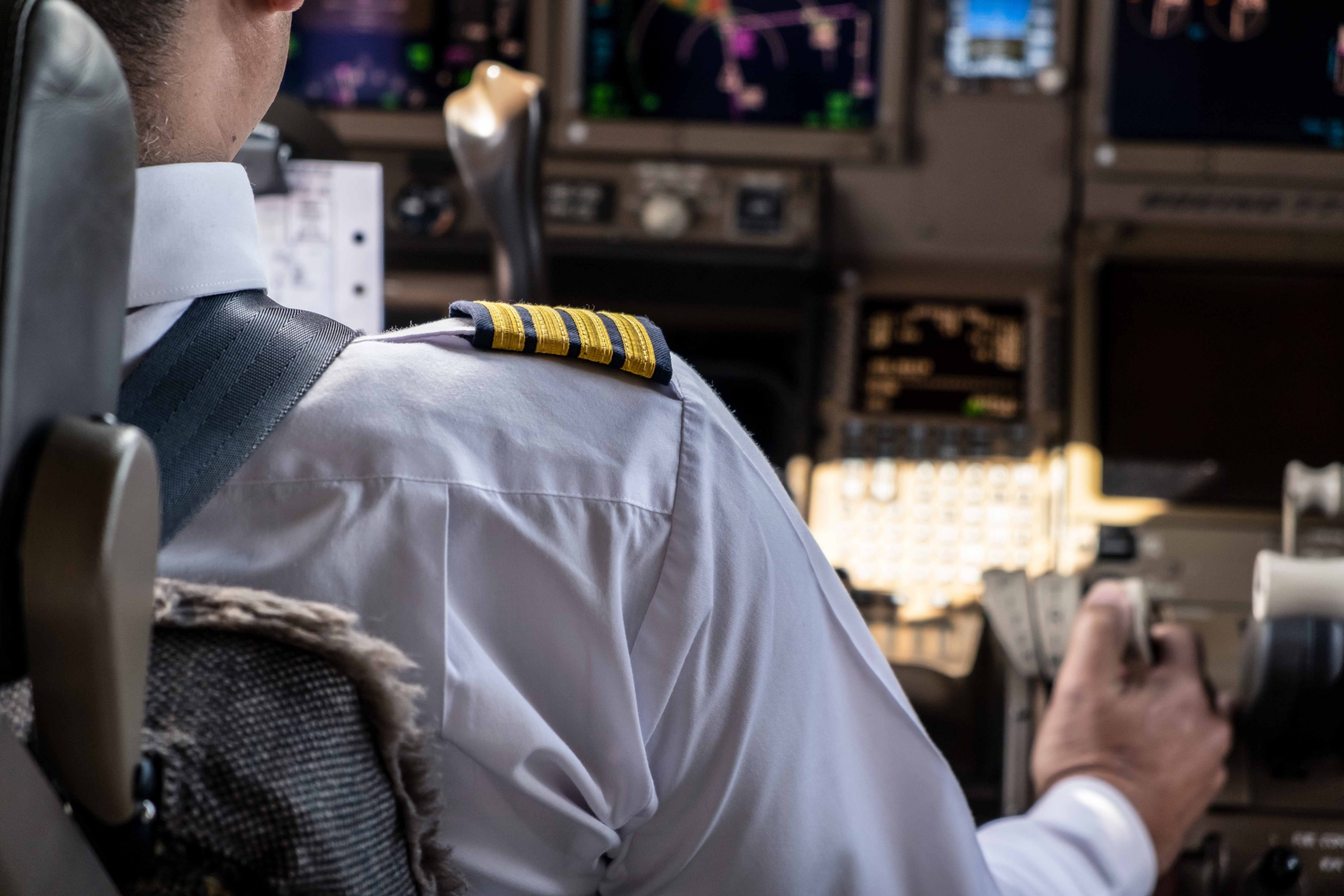
CVRs capture flight deck voices, radio calls, alerts and background sounds such as engine changes and switch movements – such as those on the doomed Air India Boeing 787, which crashed last year after takeoff.
When an event is not immediately recognised as serious – or when an aircraft continues operating after an incident – the two-hour loop can overwrite the relevant audio long before investigators are notified.
Regulators argue the longer window reduces that risk and improves the industry’s ability to learn from high-consequence “near-miss” events as well as accidents themselves.
What the 25-hour cockpit voice recorder rule changes
The shift is not a mandate for a new class of recorder so much as a reset of the minimum standard.
The rule increases required recording duration to 25 hours for future aircraft production that must already carry a CVR, bringing US rules closer to international norms that have moved ahead of Washington in recent years.

The FAA has also adopted staggered compliance timelines for certain smaller aircraft, which take into account manufacturer certification cycles.
The agency’s goal is that new aircraft entering the system should carry a 25-hour capability as baseline equipment, where a CVR is required today.
Why investigators have pushed for longer recording time
The rule follows years of pressure from the National Transportation Safety Board, which has argued that short recording loops are not appropriate given how events normally unfold.
Tim LeBaron, director of the NTSB Office of Aviation Safety, previously said: “CVRs are among the most valuable tools for accident investigation because they provide contemporaneous information on flight crew intentions and coordination as well as other factors, such as procedural compliance, workload, fatigue and situational awareness.
“This information is critical to our ability to conduct more thorough investigations and target safety recommendations more effectively.”

Modern safety systems aim to capture lessons from incidents that do not end in hull loss – such as runway incursions, unstable approaches, serious procedural deviations, system failures and loss-of-separation events – because they offer a chance to prevent future accidents.
But those events often occur at the beginning of a duty day, during the first leg of a multi-sector schedule, or during a period when crews and operators do not immediately appreciate the seriousness of what has happened.
If the aircraft keeps flying, the audio can be overwritten. Investigators then lose access to the audio files, revealing what has happened in the flight deck.
Among the cases repeatedly cited in the debate is a high-profile approach incident at San Francisco in 2017, when an arriving aircraft lined up with a taxiway rather than the intended runway, descending close to the ground before climbing away.
Investigators later said they were unable to recover cockpit audio that could have clarified the crew’s situational awareness and coordination.
More recently, similar concerns have been raised after runway conflict events in which cockpit recordings were no longer available by the time investigators sought them.
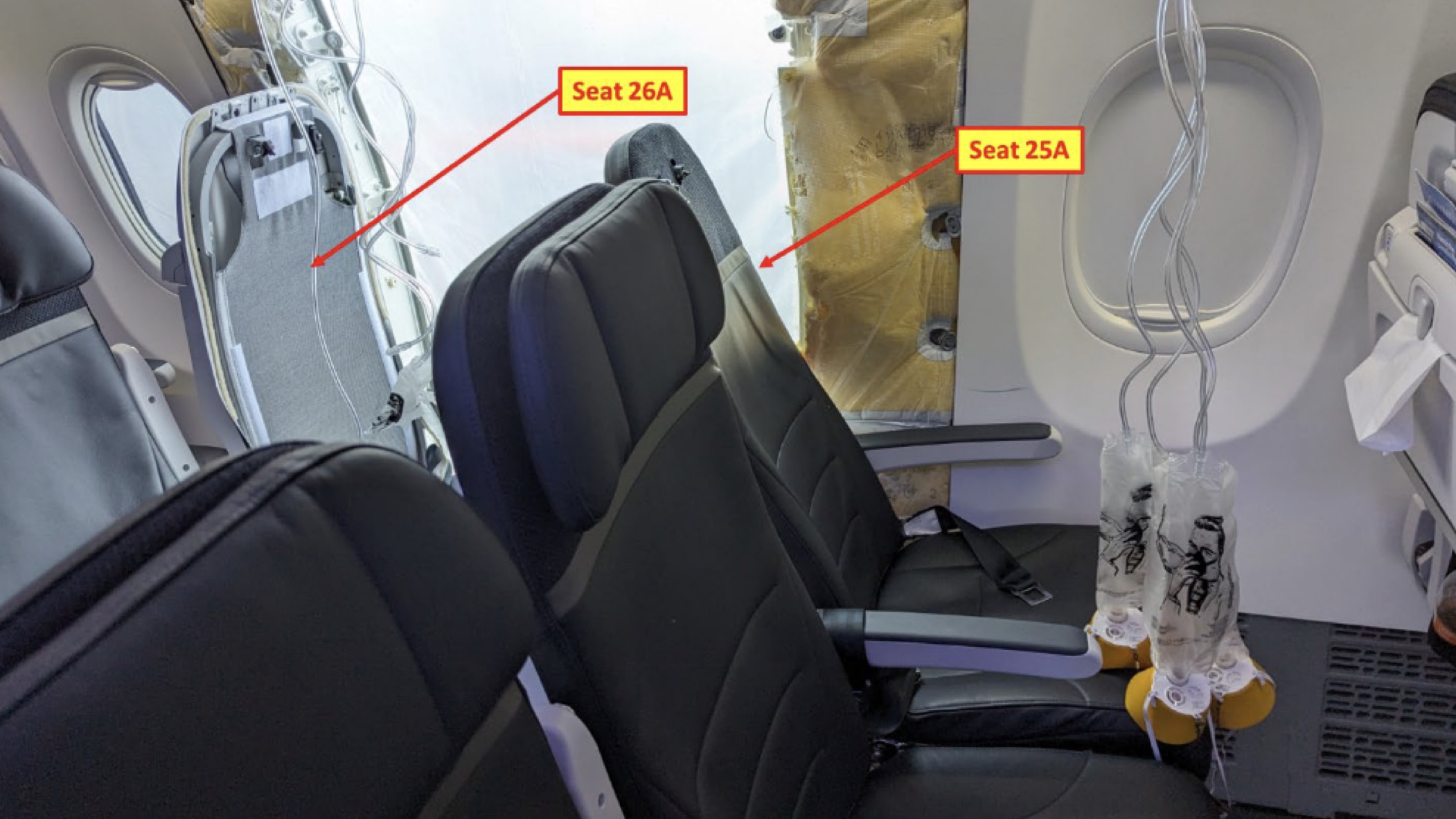
The NTSB has said that at least 14 investigations since 2018 have been impacted by CVR data being overwritten. These also include the Alaska Airlines in-flight exit door plug blowout.
The FAA’s stated objective is to give investigators and operators “substantially more” information to determine probable causes and reduce the chance of a recurrence.
Cost, certification and the equipment ‘box swap’
The FAA has been careful to describe the change as low-disruption for newly built aircraft.
The agency’s economic analysis treats the move as largely incremental, and the cost between a comparable two-hour unit and a 25-hour unit is described as modest, with little change to the installation complexity.
That said, business jets, regional aircraft and other smaller aircraft classes have not universally shifted to 25-hour recorders under international thresholds, meaning some manufacturers face additional work to integrate the new equipment.
Privacy concerns and how the FAA answers them
Extending cockpit audio recording is politically sensitive, and objections have centred on flight crew privacy and the potential for misuse.
The FAA’s rule acknowledges those concerns while pointing to existing protections around how the agency can use CVR information.
The regulator maintains that extending recording time does not change its handling requirements, and it notes that its remit does not extend to every use of recordings once a device is returned to an owner or operator.

These concerns are unlikely to disappear, however, particularly as data capture expands across aircraft systems.
But the safety case has been strengthened by repeated examples in which investigators lacked direct evidence.
What this means for US and global aviation safety
The move closes a gap with European requirements for 25-hour CVRs for new aircraft that have been in place for several years.
The practical impact will be seen in two phases.
First, new aircraft deliveries will enter service with 25-hour CVRs as standard, where the devices are required.
Second, retrofit programmes will determine how quickly the wider passenger fleet is supplied with the same equipment.
Featured image: Adobe Stock