European airlines face soaring emission penalties in 2026 as free ETS allowances end and SAF issues persist

February 18, 2026

As aviation seeks to meet Net Zero targets by 2050, while certain aspects of the industry are moving closer to reaching this target, other areas still have a long way to go. Despite supplies and usage of sustainable aviation fuel (SAF) increasing, and with many airlines also embracing sustainability projects, many carriers in Europe will still face being penalised financially at the end of 2026 for failing to meet emission targets.
Europe’s Emission Trading System free airline allowances end
In 2012, when aviation fell under the EU’s Emission Trading System (ETS) for the first time, European airlines were advised that they could either invest heavily in sustainability programmes or face fines amounting to tens of millions of Euros as a result of failing to meet emissions targets.
This was under a scheme known as the ‘polluter pays principle’. However, airlines were given a grace period of ten years in which they could gear up their green credentials. After some delays, the programme came into effect in 2014.
One way that airlines have been trying to reduce emissions since 2014, and particularly over the past 2-3 years, is through the use of SAF, which produces lower carbon dioxide emissions than regular jet fuel.
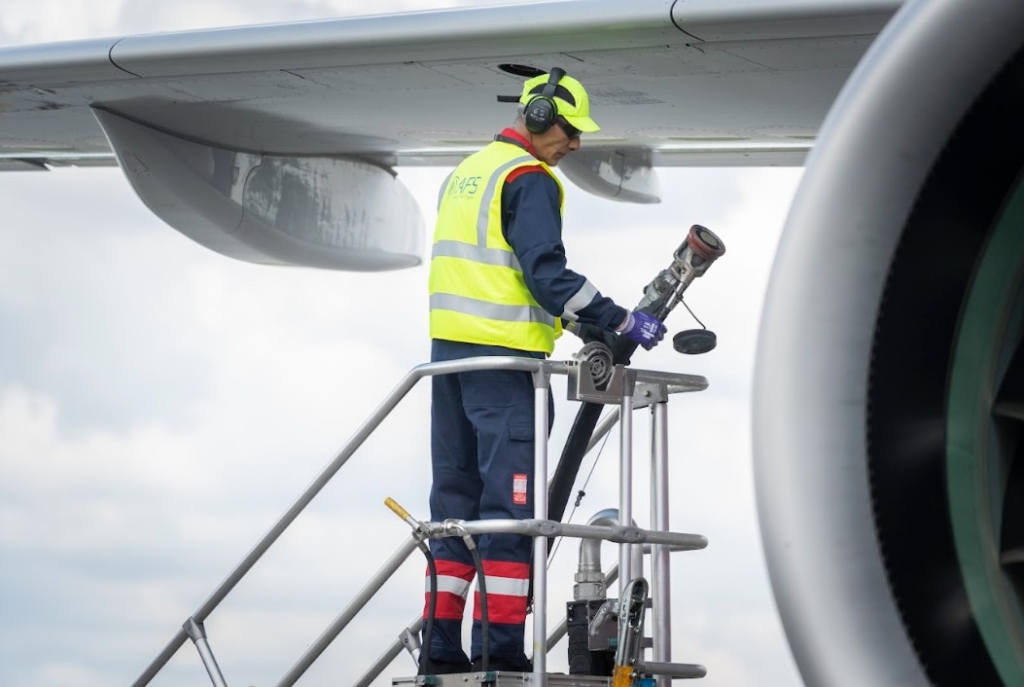
However, the shortage in the supply of SAF, along with other procedural issues involved in recording the uplift of SAF, will likely mean that EU airlines will face many millions of euros in fines at the end of 2026 for failing to meet their emission targets.
The ETS introduced guidelines that allowed EU airlines a certain allowance for emissions (‘emission rights’) while they scaled up their introduction of sustainability projects.
Under the mechanism, airlines were obliged to monitor, report, and verify their emissions, surrendering allowances on the basis of one emission allowance equating to one tonne of carbon dioxide emitted.
However, as of 2026, the ETS has significantly tightened regulations for aviation, with free emission allowances being entirely phased out. On 1 January 2026, the free allocation of emission rights for the aviation sector was removed, forcing airlines to purchase allowances for all emissions.
As a result, airlines operating within the European Economic Area (EEA), Switzerland, and the UK will now be required to purchase almost all their emission allowances to cover all carbon dioxide emissions, following the elimination of the free allocations previously used to support sustainability transitions.
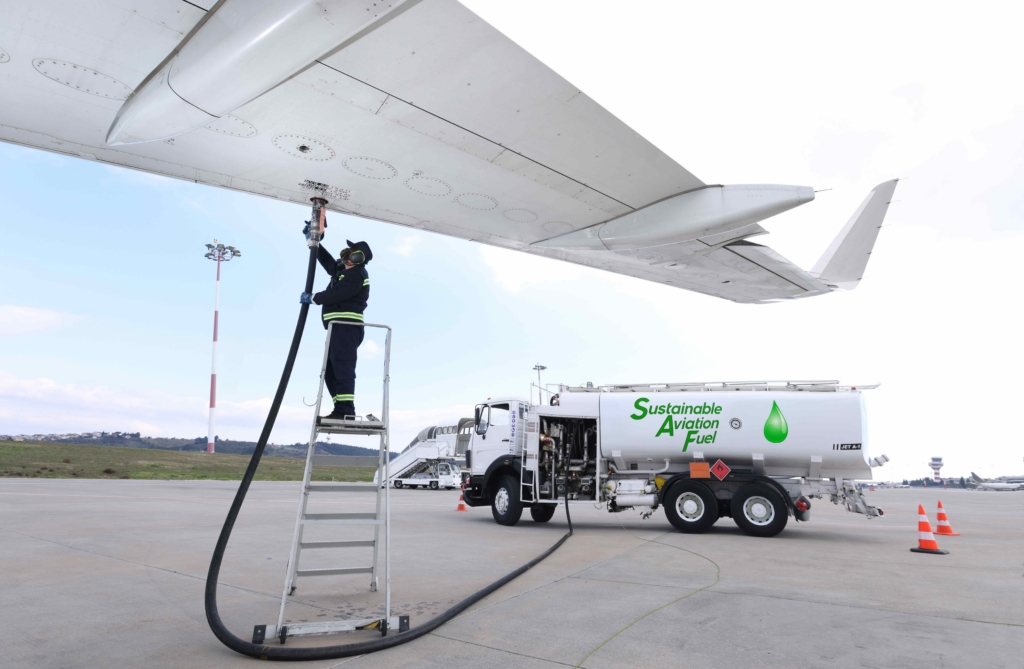
Due to the removal of these free allowances, airlines say they are facing significantly higher operating costs, with estimates of hundreds of millions of Euros in extra annual costs for many major airlines. One such example is KLM, which, according to the NL Times, expects to spend some €325 million per year on emission rights by 2030.
How did the European free emission allowance scheme work?
Up until the start of this year, for emissions from flights within Europe, airlines could purchase emission rights (also known as carbon credits) from other companies or from national authorities and regulators.
However, over the past two years, the free emission allowance has been reduced – first by a quarter in 2024, then by half in 2025, and for 2026, European airlines will receive zero free emission rights.
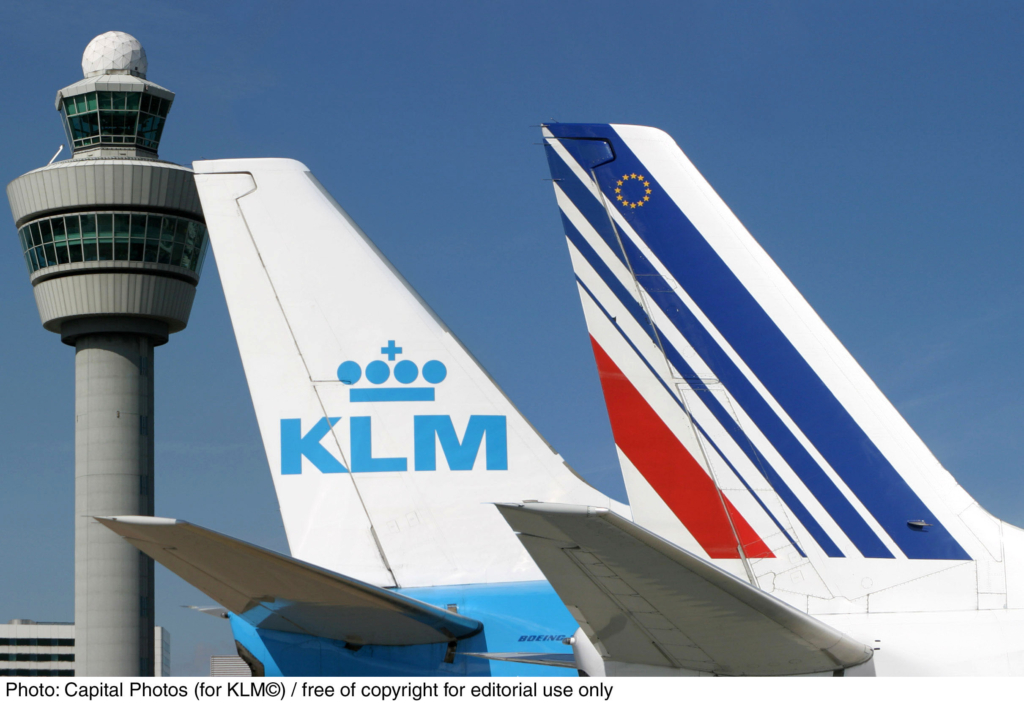
As opined by Dutch language media outlet NOS, airlines neither used the period of free rights very effectively, nor have they made significant efforts to reduce emissions overall, as the quantity of emissions being produced has barely decreased, not helped by the soaring demand for air travel during that time.
As a result, unless drastic measures are taken, airlines will face multimillion Euro fines at the end of the year.
“In 2019, KLM paid approximately 25 million in ETS costs,” a spokesperson for the Dutch airline told NOS. “By 2024, these amounts increased to approximately €152 million. We expect ETS costs to rise to approximately €325 million per year by 2030.”
Airlines are scaling up the use of SAF
In an attempt to scale up their usage of SAF, airlines are investing heavily in schemes that will increase the production of SAF over the rest of this decade and beyond. Wizz Air, for example, joined forces with the UK-based biofuel company, Firefly, in 2023. The partnership allows the airline to supply up to 525,000 tonnes of SAF over a period of 15 years to Wizz Air’s UK operations from 2028.
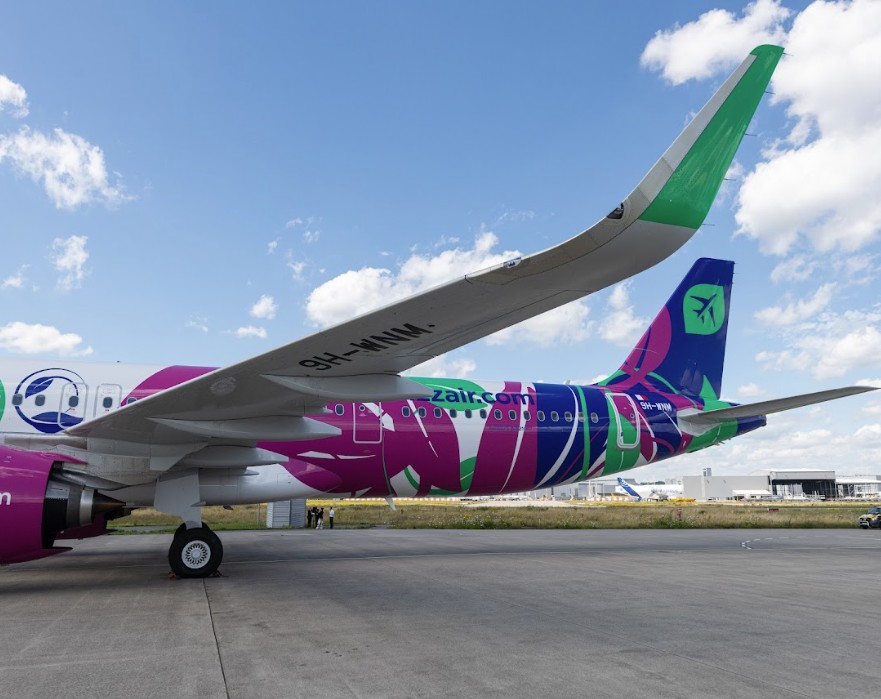
Equally, KLM claims to be one of the largest global buyers of SAF and is investing in a new SAF factory in Delfzijl in the Netherlands. However, as the development of SAF programmes takes years to develop and come online, rather than months, fuel-based ETS fines will likely continue to hit airlines for years to come.
ERA highlights SAF documentation issues
Another issue that will affect just how much airlines are fined in 2026 has also recently become known. On 16 February, Aeromorning reported that the European Airline Association (ERA) is raising urgent concerns regarding the documentation being passed from fuel suppliers supplying SAF to aircraft operators.
The concerns have been instigated following “widespread reports from members of missing, delayed or inconsistent information.” Airline operators that are current members of the ERA have been reporting that the documentation failures mean that the amounts of SAF they are using are inaccurate.
As a result, their declarations as to the amount of SAF they have uplifted throughout the year will be incorrect. Consequently, these gaps undermine their ability to comply with EU rules and have historically affected the amount of Emissions Trading System (ETS) incentives they could claim linked to the uptake of SAF.
How the documentation of SAF supplies should work
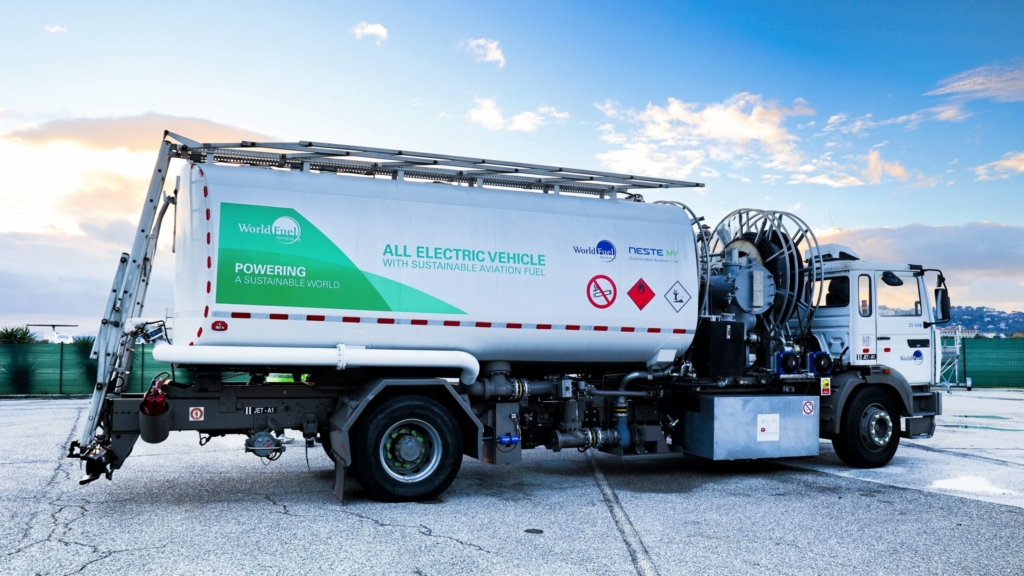
Under the ReFuel EU Aviation mandate, fuel suppliers must provide airline operators with SAF certificates. These certificates should contain the technical data required to verify SAF use to submit reports to national authorities.
This, in turn, gives airlines access to certain ETS allowances that relieve a degree of the burden placed on airline over using SAF over the significantly cheaper aviation fuel. SAF is not only harder to get hold of but can cost up to ten times more than conventional jet fuel.
Montserrat Barriga, Director General of ERA, issued a statement noting that ERA member airlines have been acting in good faith to increase their use of SAF and embracing other sustainability schemes to meet emission targets.
However, without the timely, accurate and harmonised documentation from fuel suppliers, this presents a direct barrier between compliance and the financial support that makes SAF uptake possible.”
Barriga added that the ETS allowances reserved for SAF were not a bonus but were an essential part of closing the price gap between SAF and conventional fuel. “Delays and inconsistencies at the supplier level put millions of euros at risk and leave airlines penalised for delays they did not cause,” she added
Barriga concluded by stating that 2026 will be a big test for airlines as they face the cutting of the ETS allowances. She said that if Europe was serious about scaling up the use of SAF, then the administrative framework had to be improved, with airlines not simply left to carry the consequences of “bottlenecks elsewhere in the supply chain.”
To alleviate the effects of this ongoing issue, the ERA is calling for the immediate provision of complete and standardised SAF documentation to airlines, with greater alignment of reporting metrics and units across suppliers and Member States.
Additionally, the ERA says it wants to see a more practical and predictable documentation timeline, including consideration of more regular data provision to ensure smoother compliance in future reporting cycles.
Airlines face an uphill battle in 2026
With the supply of SAF currently hindered by the amount that can be produced, along with the documentation issues compounding the reported use of SAF, it would appear that airlines face an uphill battle to be rewarded, rather than penalised, for their efforts to become more sustainable.
With sizeable fines likely to be imposed on airlines at the end of this year, this is a subject that is unlikely to be rectified any time soon.
Featured image: World Energy