Uruguay renews light attack capabilities with arrival of 1st Embraer A-29B Super Tucanos

February 20, 2026
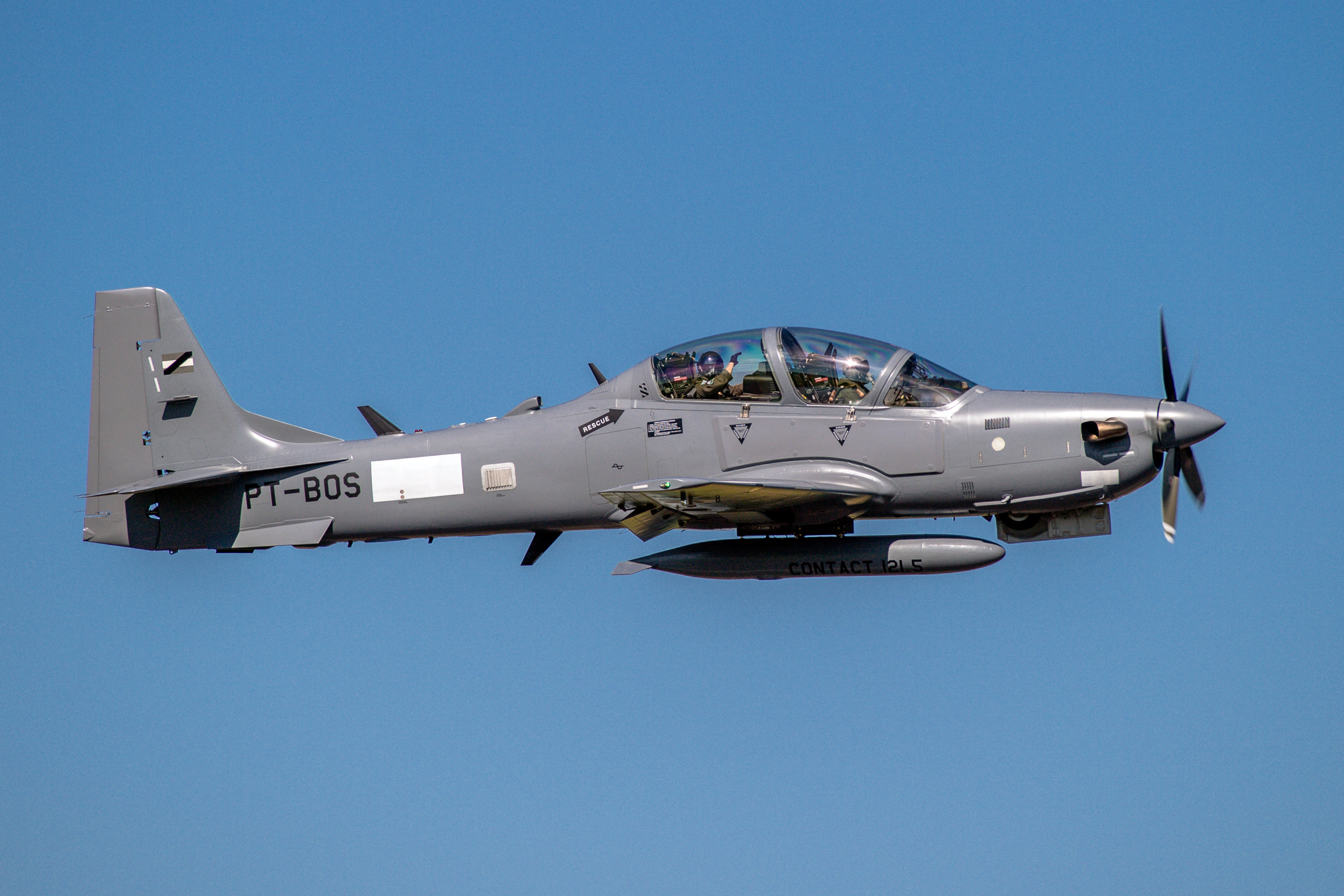
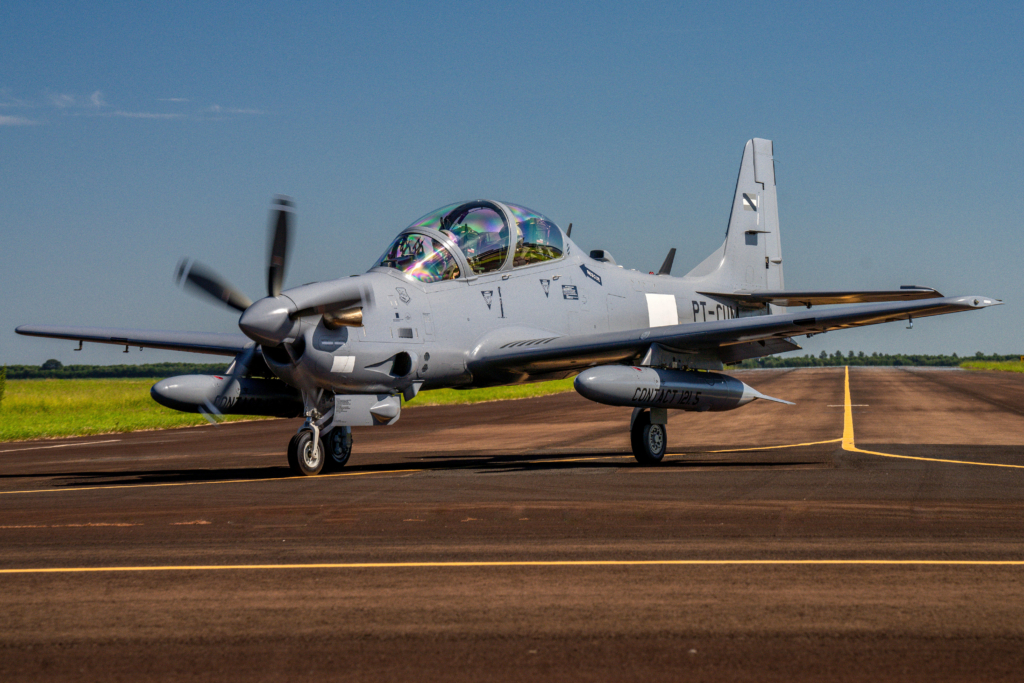
Embraer Defense & Security (EDS) has delivered the first two of a planned fleet of six turboprop-driven A-29B Super Tucano light attack aircraft to the Fuerza Aérea Uruguaya (FAU; Uruguayan Air Force). This delivery marks a key milestone for the air arm, which is working to recapitalise and expand its light attack, border protection and counterinsurgency (COIN) capabilities.
The FAU’s first two A-29Bs departed Embraer’s Gavião Peixoto facility in São Paulo, Brazil, on their delivery flight to Uruguay on 17 February and were welcomed to 2nd Lt Teniente Mario Parallada Air Base in Durazno the following day.
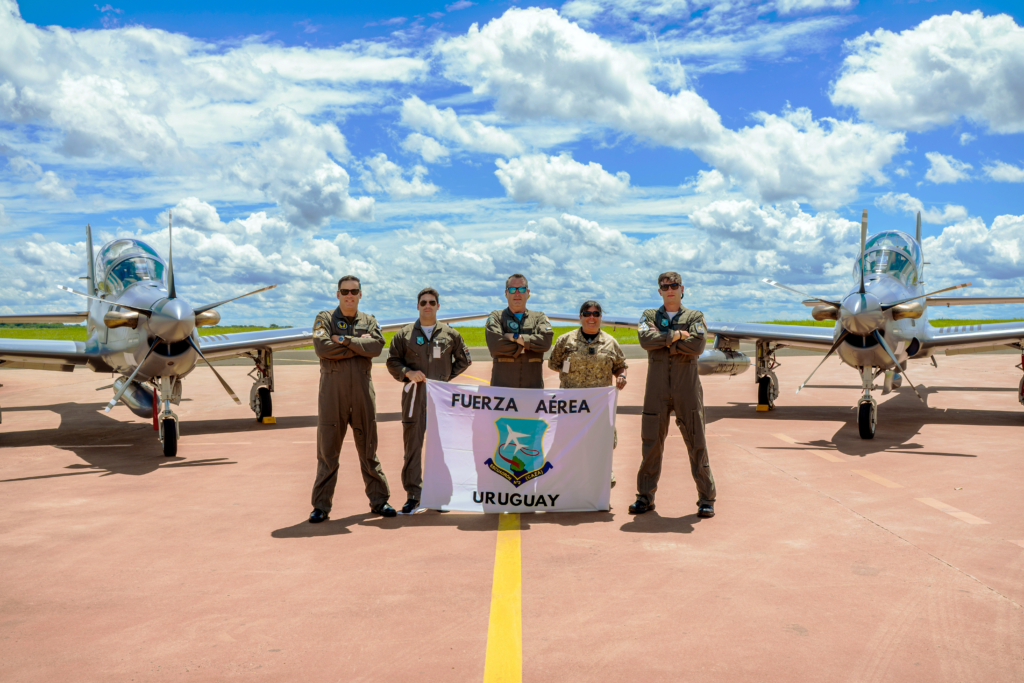
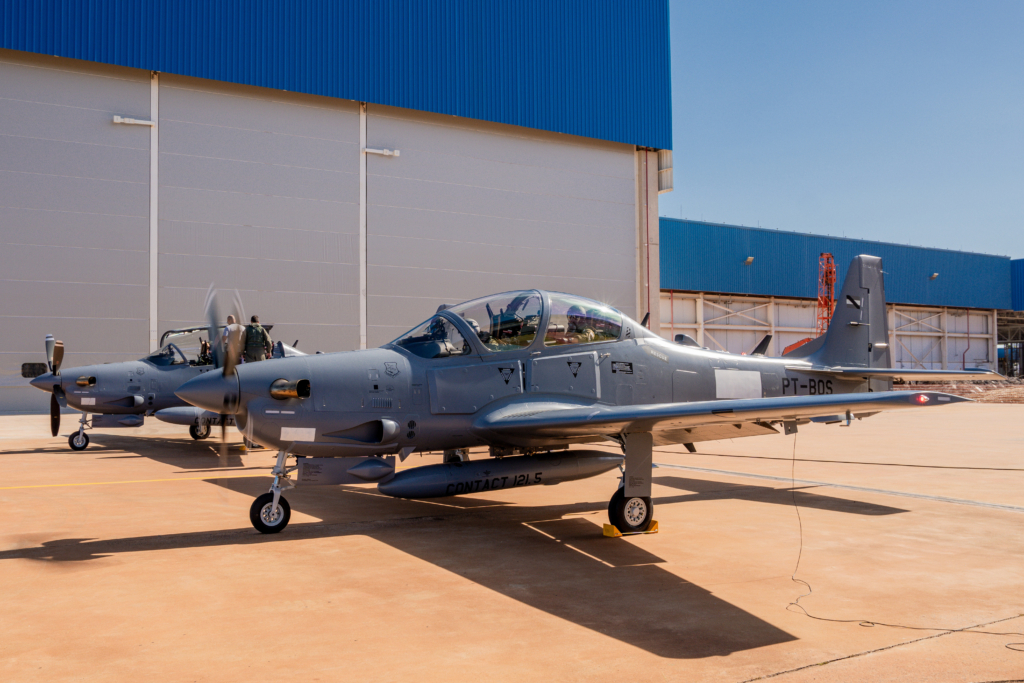
While these Super Tucanos were delivered using the temporary registrations PT-BOS and PT-CUM, it is believed that the new light attack aircraft will be assigned the FAU-250 and FAU-251 serials, respectively, in operational FAU service.
Commenting on this landmark delivery, Bosco da Costa Junior, President and CEO of EDS, said that Embraer was “honoured” to deliver its first A-29Bs to the FAU. “This milestone strengthens a partnership that has grown over more than 50 years, dating back to when Uruguay became the first international customer to acquire an Embraer aircraft…
“These multi-mission aircraft represent a significant milestone in the FAU’s history, expanding its operational capabilities in ways never previously possible,” he added.
Dragonfly to Super Tucano: How will Uruguay use its new A-29B fleet?
Uruguay has a fleet of six A-29Bs on order in total, which are expected to receive the serials FAU-250 through FAU-255 in operational service.
The Uruguayan Ministry of National Defense (MND) firmed up its order for these light attack aircraft – along with associated mission equipment, integrated logistics services and a flight simulator – in late 2024, with the FAU becoming the sixth operator of the platform in Latin America.
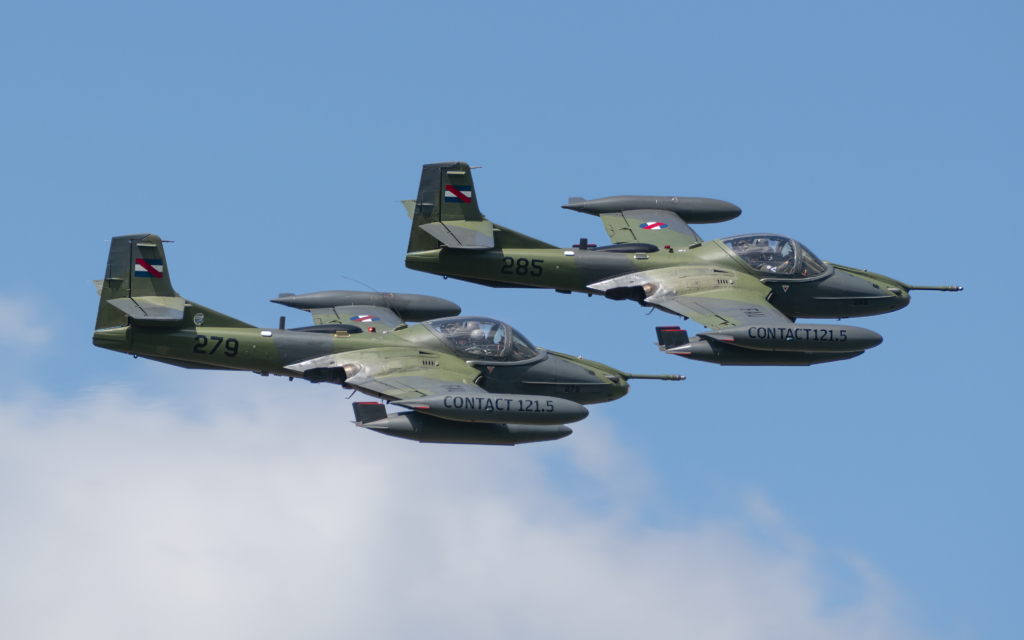
Once operational, these A-29Bs will be employed by Escuadrón Aéreo No 2 Caza (EA2C; No 2 Fighter Squadron) at 2nd Lt Teniente Mario Parallada Air Base. The new aircraft will replace the unit’s ageing fleet of US-built Cessna A/OA-37B Dragonfly jets in the light attack, border protection and COIN roles. Now nearing 50 years old, the FAU’s first A-37Bs entered service in 1977.
However, the growing obsolescence of these ageing jets, specifically centring around the remaining fleet’s high operational costs and lack of available spare parts, which has led to some airframes being cannibalised to keep others available for use – has forced the FAU to seek a modern replacement for its veteran fleet of light attack jets.
“Today is a historic day of great relevance for Uruguay and its air force,” said Air General Fernando Colina, Commander of the FAU. He added that the arrival of the A-29B achieves a “long-awaited modernisation” that highlights a key “operational and technological change” for the FAU’s combat fleet.
“This historic milestone positions Uruguay in the region with an aircraft that operates in 22 air forces in the world, with advanced technology and adequate operating cost…
“With the arrival of the Super Tucanos, Uruguay obtains a great tool to meet its objectives, it is the vector with which we will be able to recover and expand capabilities to guard our airspace and demonstrate the commitment that our country has with national security and sovereignty,” Colina concluded.
A-29B Super Tucano: A proven, flexible light attack solution?
Powered by a single Pratt & Whitney Canada PT6A-68C turboprop engine, the dual-seat Super Tucano can operate at speeds of up to 320kts (370mph or 590km/h) and boasts an operational service ceiling of 35,000ft (10,668m). With an effective combat range of 550km (340 miles), the A-29B has a mission endurance of more than eight hours.
Designed as a multi-mission platform, the A-29B offers broad operational flexibility across a wide variety of missions to its customers, including:
- Advanced pilot training;
- Air escort;
- Air interdiction/patrol;
- Armed intelligence, surveillance and reconnaissance (ISR);
- Border surveillance;
- Close air support (CAS);
- Counterinsurgency (COIN), and;
- Joint Terminal Attack Controller (JTAC) operations.
More recently, the A-29B’s capabilities have been expanded to include a counter unmanned aerial system (C-UAS) capability using an electro-optical/infrared (EO/IR) sensor turret to designate and track hostile UAS platforms, before neutralising them with wing-mounted laser-guided rockets or .50-calibre machine gun pods.
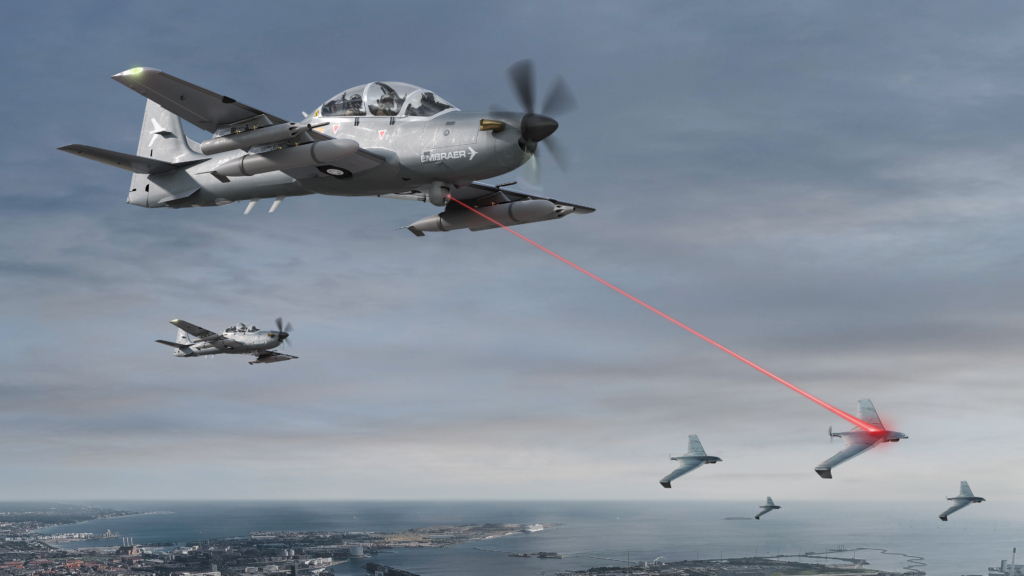
Along with this vast list of mission sets, the A-29B can be operated from rugged terrain in austere environments, providing greater operational flexibility for operators.
The Super Tucano has been selected by 22 nations to fulfil their light attack requirements, comprising: Afghanistan, Angola, Brazil, Burkina Faso, Chile, Colombia, the Dominican Republic, Ecuador, Ghana, Honduras, Indonesia, Lebanon, Mali, Mauritania, Nigeria, Panama, Paraguay, the Philippines, Portugal, Turkmenistan, Uruguay and the US.
Featured Image: One of the FAU’s first two A-29B Super Tucanos (wearing the temporary registration PT-BOS, but expected to become FAU-250) departs Embraer’s Gavião Peixoto facility in São Paulo, Brazil, on its delivery flight to Uruguay on 17 February 2026. Image: Embraer/Claudio Capucho