China’s COMAC C919 edges closer to Europe as EASA begins flight evaluations

January 19, 2026
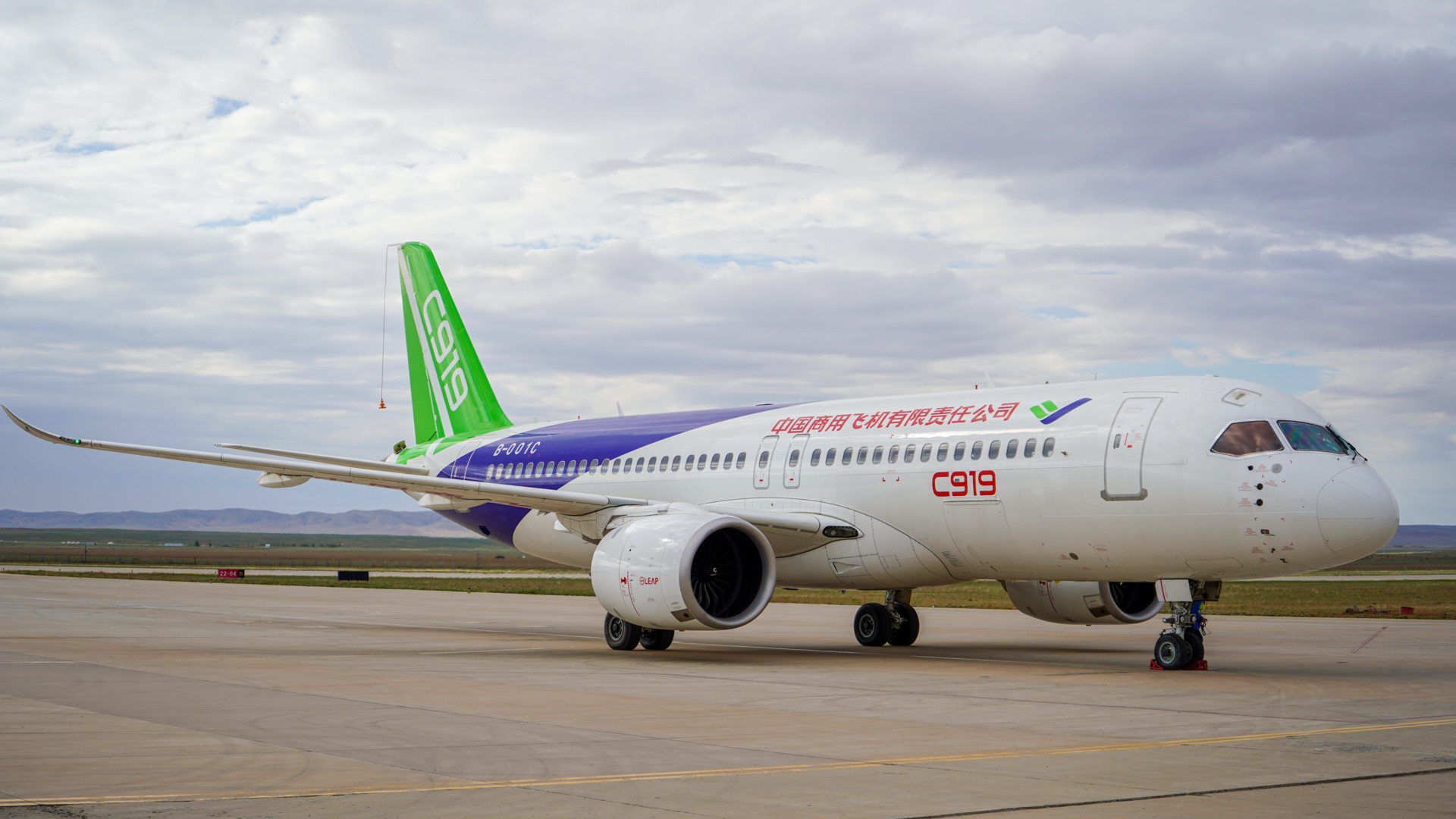
European aviation regulators have begun flight evaluations of China’s COMAC C919 narrowbody jet in Shanghai, marking a quiet but significant step in the aircraft’s long and uncertain path towards Western safety certification.
The development was first reported by China’s Global Times and subsequently confirmed by Reuters, which quoted the European Union Aviation Safety Agency (EASA) as saying it had conducted test flights as part of its ongoing “validation activities” for the aircraft.
According to sources familiar with the programme, two EASA test pilots carried out verification flights on a C919 operating from Shanghai Pudong International Airport in November, close to the aircraft’s final assembly line.

The flights form part of a broader technical engagement between EASA and the Commercial Aircraft Corporation of China (COMAC), as Beijing seeks to position the C919 as a credible alternative to Airbus and Boeing in the global single-aisle market.
EASA has not commented on the outcome of the flights, but confirmed that in-flight evaluations are a standard element of the validation process. Certification by Europe’s safety regulator would be a prerequisite for the aircraft to be operated by European carriers and, more broadly, by airlines in jurisdictions that recognise EASA approvals.
EASA certification remains a major hurdle for COMAC’s C919
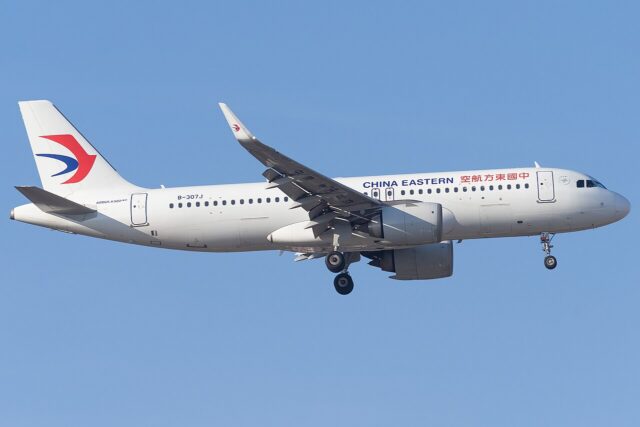
The C919, China’s first domestically developed jet built to international airworthiness standards, entered commercial service in May 2023 with China Eastern Airlines.
Since then, it has operated exclusively with Chinese airlines, apart from a limited charter appearance in Hong Kong in 2024.
COMAC has been open about its ambition to take the aircraft overseas, but Western certification has proved far more complex than originally anticipated. Speaking in April last year, EASA executive director Florian Guillermet said European validation of the C919 was likely to take between three and six years, pushing any approval into the 2028–2031 timeframe.
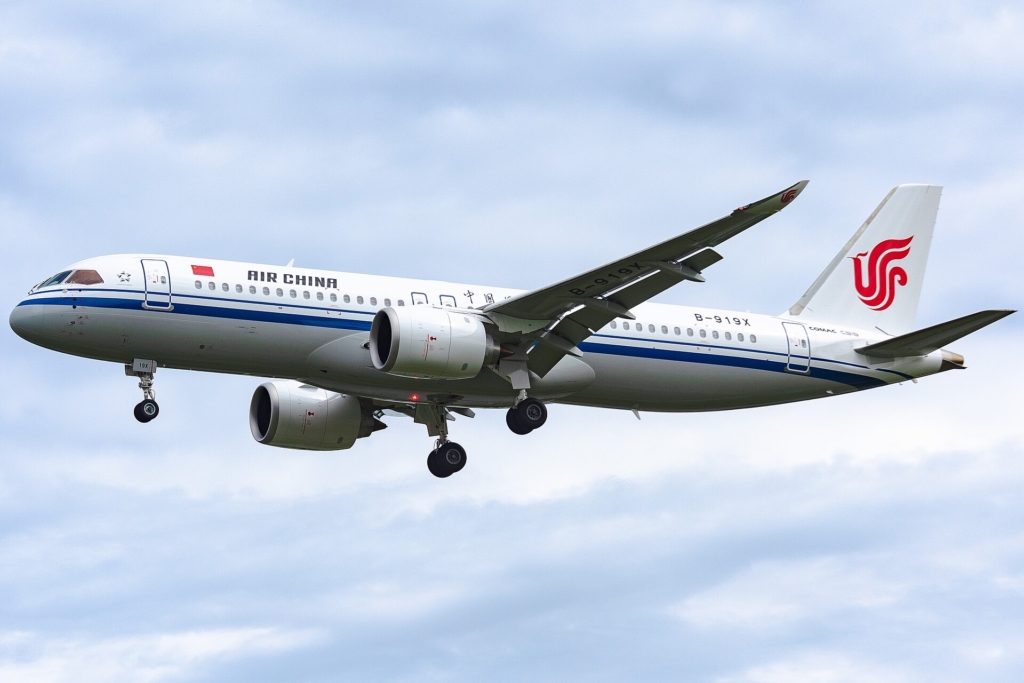
That timeline places the C919 at a structural disadvantage. By the time it enters Western markets, it would be competing against the Airbus A320neo and Boeing 737 MAX families more than a decade after those aircraft entered service, and without the benefit of a mature global support network.
Guillermet has previously stressed that while the C919 uses several Western systems, including the CFM International Leap-1C engine, closely related to the Leap-1A on the A320neo, EASA must still independently assess the aircraft’s overall design, system integration and safety architecture.
Under the EU–China Bilateral Aviation Safety Agreement, which came into force in 2020, European validation is theoretically streamlined. In practice, EASA officials have acknowledged that the process is far more demanding when dealing with a manufacturer that lacks a long track record of certified commercial aircraft.
African regulators explore C919 certification without EASA approval
While Europe remains years away from a decision, COMAC has begun probing interest in markets more willing to move independently.
In September last year, Nigeria’s civil aviation authority confirmed it was reviewing the C919’s certification file for potential domestic use, a move that could represent COMAC’s first meaningful foothold outside China.
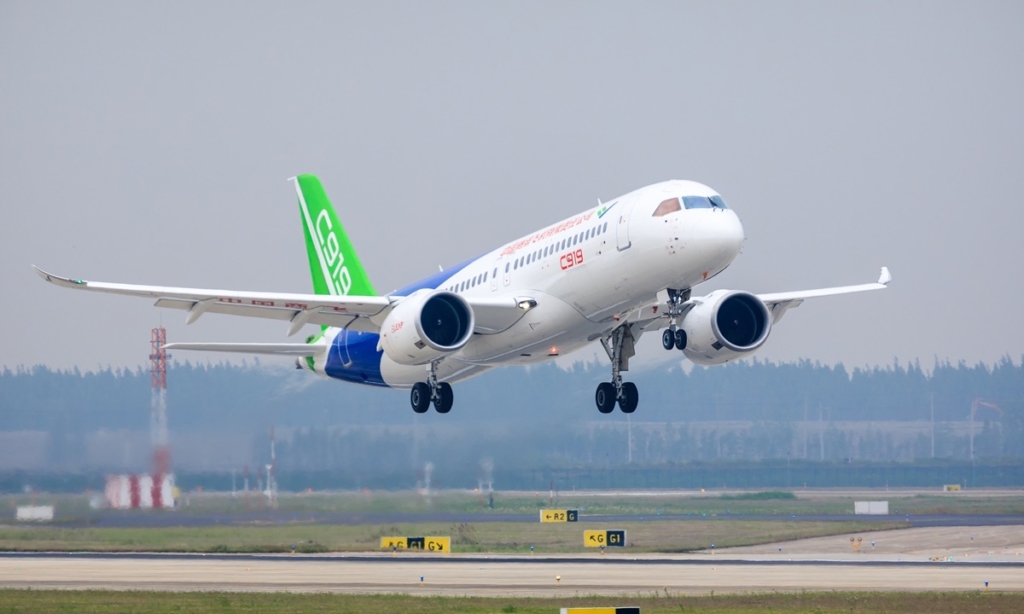
Nigeria, Africa’s largest aviation market, operates Airbus and Boeing narrowbodies primarily and has never certified a modern Chinese jetliner. The review has drawn attention because it is proceeding without validation from either the US Federal Aviation Administration or EASA.
COMAC has pitched Nigerian carriers with lease packages, pilot training, maintenance support and the promise of a regional spare-parts hub. Industry figures have welcomed the prospect of additional choice but remain cautious, citing the troubled history of earlier Chinese aircraft such as the MA60 turboprop, which suffered from parts shortages and weak after-sales support across Africa.
Low production rates and supply chain risks threaten export potential of the C919
Even as certification discussions progress, COMAC faces significant industrial headwinds. The company delivered just five C919 aircraft in 2025, far below its original targets, and has since reduced its near-term production goals. By contrast, Airbus and Boeing each deliver more than 500 single-aisle jets annually.
The programme’s reliance on foreign suppliers also remains a vulnerability. Earlier this year, US export controls briefly disrupted deliveries of CFM engines amid trade tensions, underlining how exposed the C919 remains to geopolitical shocks.
For COMAC, EASA’s flight evaluations, however limited, represent a symbolic milestone. For regulators and airlines outside China, they are a reminder that certification is not a political gesture but a technical, resource-intensive process that takes time.
Featured image: AppleSteveGao / Wikimedia