Divergent Technologies unveils 3D-printed Venom strike drone built in just 71 days

February 18, 2026
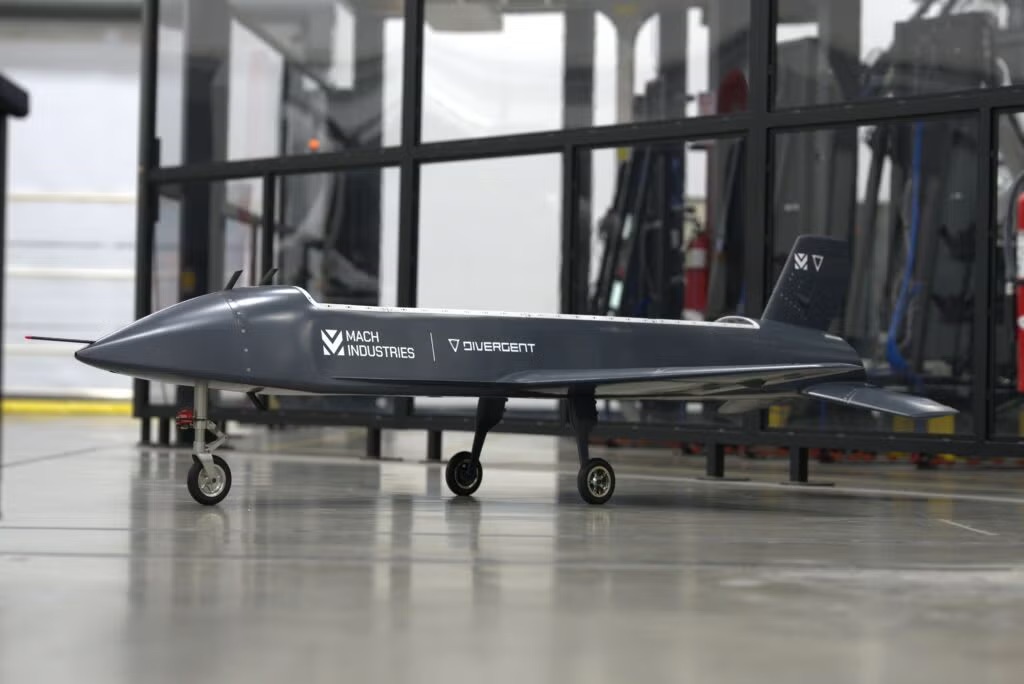
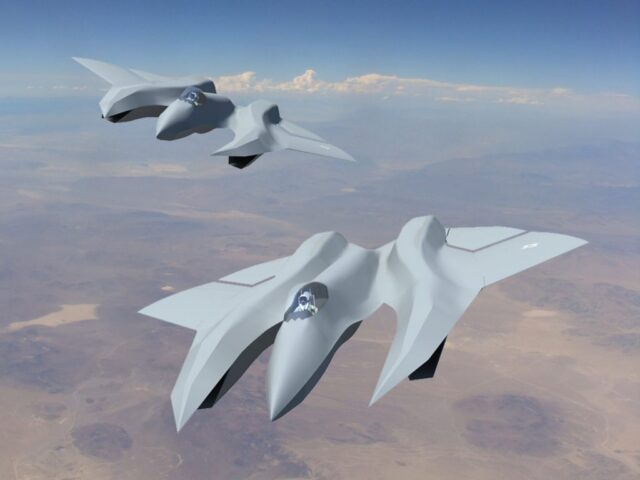
A prototype unmanned aircraft has gone from concept to first flight in just 71 days, as California-based Divergent Technologies and Mach Industries seek to prove that military air systems can be developed and manufactured at far greater speed than traditional aerospace timelines allow.
The aircraft, known as Venom, is a flight demonstration platform designed to show how digitally driven design and additive manufacturing can compress development cycles while laying the groundwork for scaled production.
While the companies have released few technical details about the aircraft’s size, endurance or payload, the emphasis is squarely on how it was built, and how quickly.
The demonstration comes amid growing pressure within the US defence establishment to field low-cost, rapidly produced unmanned systems in large numbers, particularly in light of lessons drawn from recent conflicts where attritable drones have reshaped battlefield dynamics.
From digital design to first flight: How the Venom drone was built in 71 days
Mach Industries defined the aircraft’s baseline requirements and overall architecture, drawing on existing avionics, simulation tools and flight-proven control systems.
The company adopted a modular, open-systems approach to ensure that hardware and software could evolve in parallel rather than sequentially.
Divergent then executed the structural design and production using its digital manufacturing platform. Instead of relying on conventional aerospace assembly often involving hundreds of discrete parts joined through tooling-intensive processes, the Venom’s wings, fuselage, skins and control surfaces were produced as monolithic, additively manufactured structures.
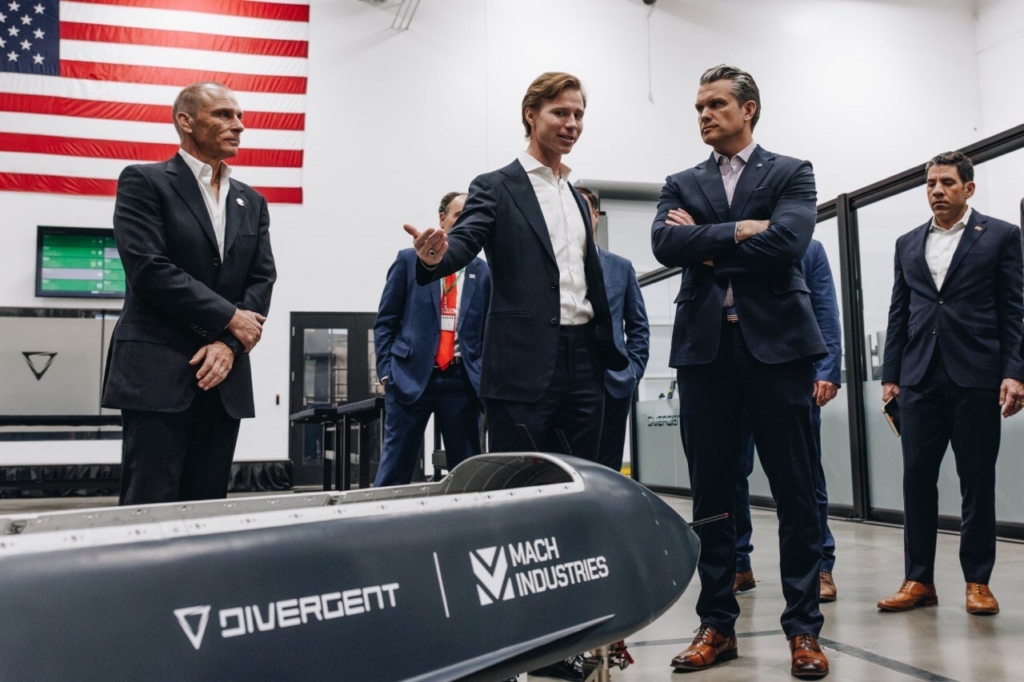
In practical terms, that means large sections of the aircraft were 3D-printed as unified components rather than built up from numerous machined and fastened parts. The objective is to reduce part count, eliminate tooling delays and shorten the path from digital model to physical airframe.
According to officials involved in the project, the 71-day timeline covered design finalisation, structural production, assembly and preparation for flight.
“This isn’t just an impressive metric-it’s a direct enabler of our strategy to achieve affordable mass and support the SECWAR’s ‘Drone Dominance’ vision,” says Alex Lovett, the Principal Deputy Assistant Secretary of War for Mission Capabilities in the Office of the Under Secretary of War for Research and Engineering.
“ODASW(P&E) is committed to sponsoring collaborations like this that accelerate rapid acquisition and deliver urgent, low-cost munitions to the warfighter.”
Digital and additive manufacturing enable rapid drone development
Traditional aerospace programmes typically require long lead times for tooling, fixtures and supply chain coordination before physical production can begin.
That model works for large, expensive platforms built in limited numbers, but it is less suited to systems intended to be produced quickly and potentially in high volumes.
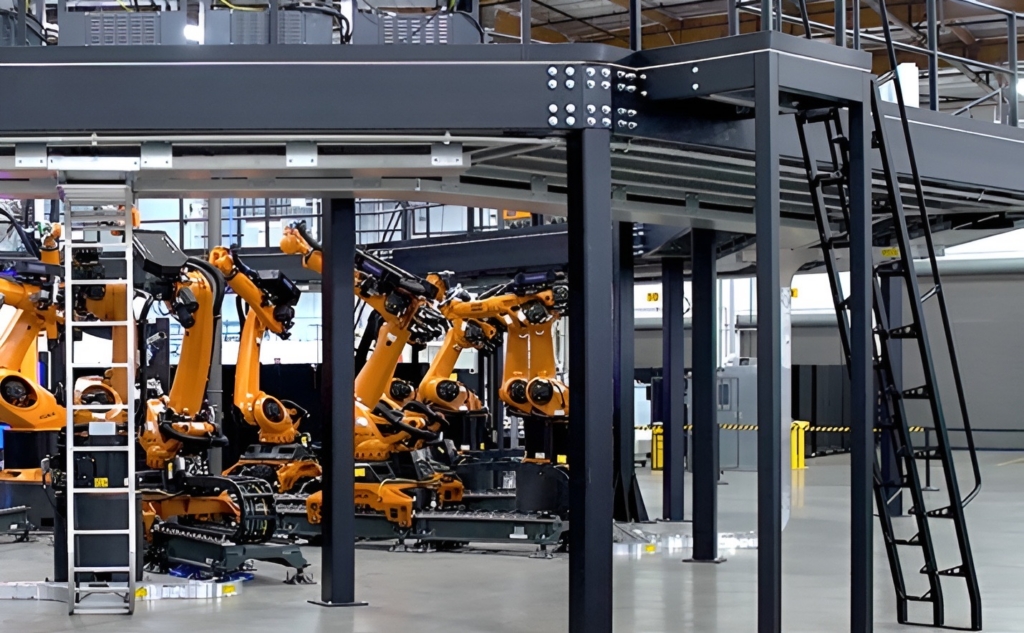
Divergent’s Adaptive Production System, which underpinned the Venom build, is designed to remove much of that tooling burden. By digitally optimising structures and manufacturing them additively, the system aims to reduce material usage while maintaining structural performance.
The broader strategic ambition is clear: if airframes can be designed, printed and assembled without long industrial preparation cycles, production could scale rapidly in response to operational demand.
Mach Industries says it intends to apply the same approach beyond prototype development, arguing that speed to first flight must be matched by speed to scaled manufacturing if such systems are to have real operational value.
Venom and the US military push for affordable mass in unmanned systems
The Venom demonstration has been framed within a wider US effort to achieve what defence planners describe as “affordable mass – the ability to field large numbers of lower-cost systems rather than relying exclusively on small fleets of high-end platforms.
US officials have increasingly emphasised the need for faster acquisition cycles and lower unit costs in unmanned systems, particularly as potential adversaries expand their own drone inventories. The idea is not to replace advanced aircraft but to complement them with rapidly produced, adaptable platforms.
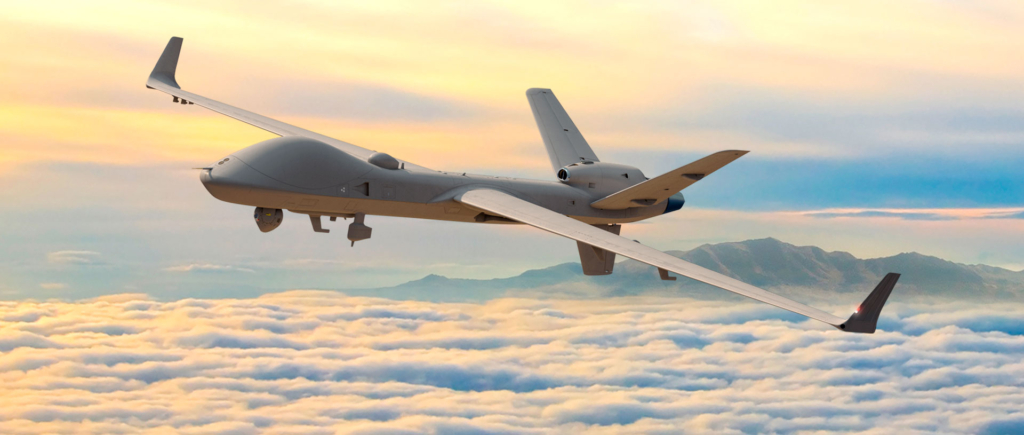
Mach says it has taken four products from concept to flight test over the past 18 months through rapid iteration. The Venom project builds on that experience, with a focus on aligning digital design, simulation and production from the outset rather than adapting manufacturing processes after design freeze.
The companies argue that common simulation and control foundations allowed hardware development and software validation to proceed simultaneously. That parallel development model is central to compressing timelines.
Digital manufacturing to scale drone production beyond the prototype
A key question for any rapid prototype is whether the approach can translate into meaningful production rates. Divergent maintains that its digital production system is capable of manufacturing thousands of airframes annually, should demand require it.
Lukas Czinger, Co-Founder and CEO of Divergent. “Most importantly, Divergent will drive the rapid scale-up of this system, producing thousands of airframes annually. Partnering with Mach has been an immediate win and reflects two mission-aligned, innovative companies executing at maximum pace.”
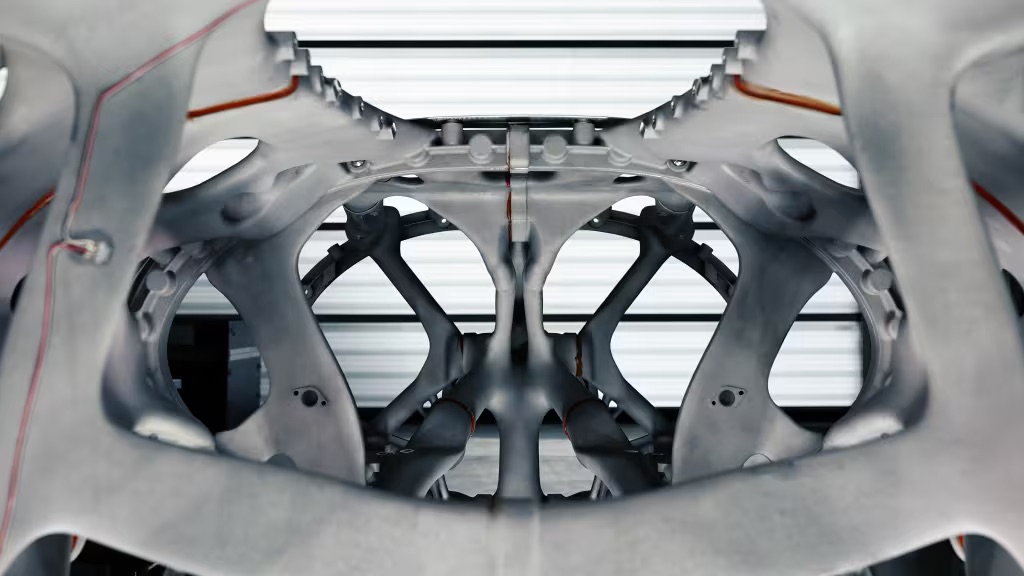
Unlike conventional aerospace factories that rely on extensive fixed tooling, the additive approach can, in principle, be reconfigured through software updates rather than physical retooling. That flexibility could allow variants or upgrades to be introduced without halting production lines for prolonged redesign phases.
Mach Industries, founded in 2023 and based in Huntington Beach, has positioned itself as a vertically integrated defence manufacturer, developing both unmanned systems and the infrastructure required to build them at scale. Divergent, for its part, has worked across automotive, aerospace and defence sectors to promote digital manufacturing as a means of reducing cost and development time.
For now, Venom remains a prototype. No details have been released regarding operational deployment, range or payload configuration. Yet the significance of the demonstration lies less in the aircraft itself and more in the production model it represents.