China’s C929 widebody takes a step forward with CJ-2000 engine thrust test

January 12, 2026
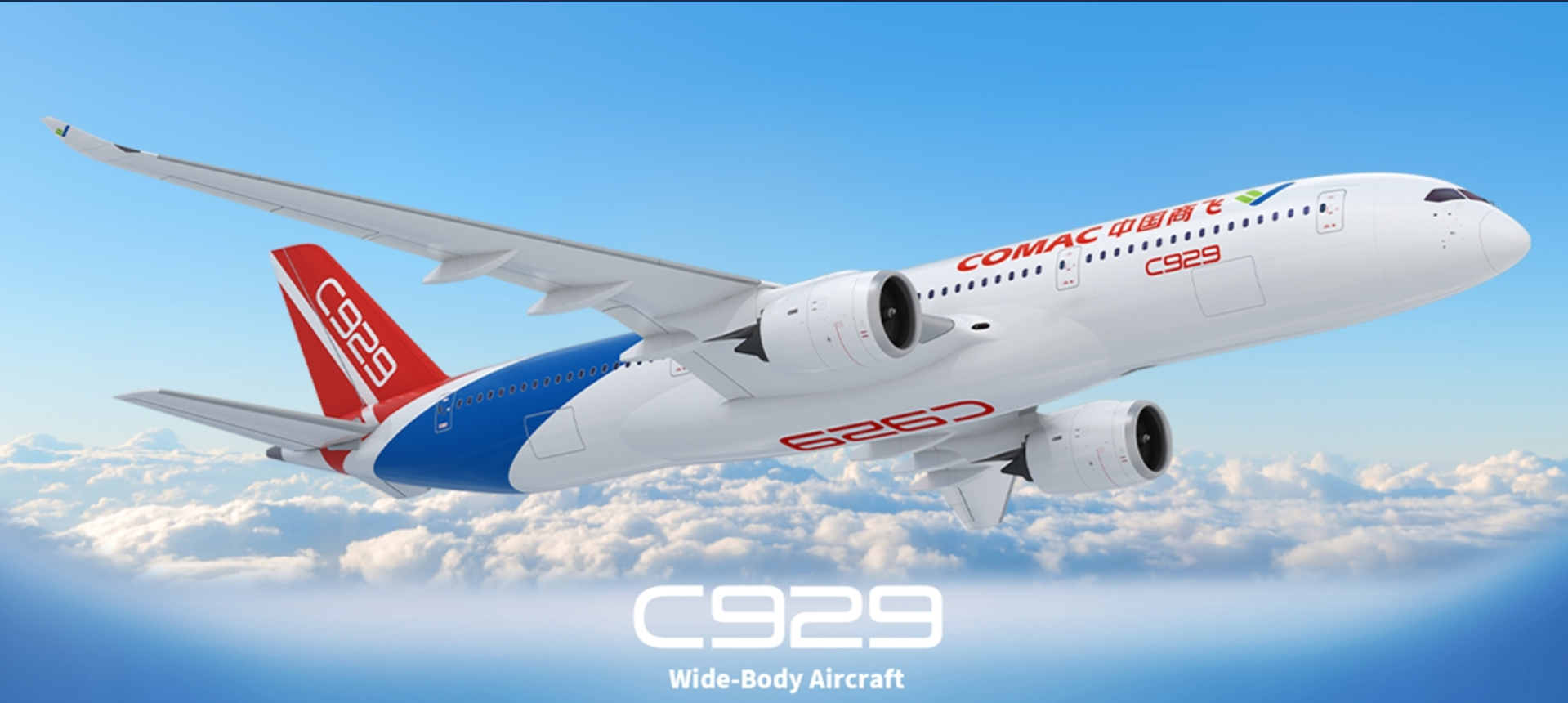
In a major step for China’s widebody ambitions, the CJ-2000 turbofan being developed to power COMAC’s upcoming C929 has now reached a thrust of 35.2 tonnes (70,400 lbf) in testing.
The milestone places the engine firmly in the same performance class as the GEnx and Trent 1000, and marks a significant advance in China’s long-running effort to develop an indigenous widebody powerplant.
China’s CJ2000 test 35.2-ton thrust record
China appears to be making progress on developing its CJ-2000 turbofan engine for its in-development COMAC C929 widebody airliner.
Wow ! CJ2000 has produced 35.2T thrust in tests
— Hûrin (@Hurin92) January 11, 2026
Will compete with the likes of PW4K and Trent1000 Class.. last frontier yet to be conquered in aircraft engines https://t.co/1HivzsWboH pic.twitter.com/4jz2FVNtEL
“China’s ‘core’ reaches a new peak: CJ2000 large-bypass turbofan test engine sets a 35.2-ton thrust record,” the social media posts read.
Commenting on the news, the respected China-watching OSINT account, Hurin, stated, “[The CJ2000] Will compete with the likes of PW4K and Trent1000 Class. Last frontier yet to be conquered in aircraft engines.”
The CJ-2000 is designed to produce a thrust of around 35 tons, similar to that of the GEnx-1B that powers the Boeing 787 Dreamliner. It is planned to have a large bybass ratio of 12:1 and is intended to be competitive with international rivals.
Initial ground tests of the CJ-2000 core engine began in 2020. By 2025, the engine had advanced to full-power trials on a high-altitude test bed, simulating real flight conditions.
The CJ-2000 is a scaled-up version of the CJ-1000 turbofan being developed for the in-service COMAC C919 narrowbody airliner.
There are unconfirmed reports that derivatives of the CJ-2000 could also be used to power Chinese military strategic transports.
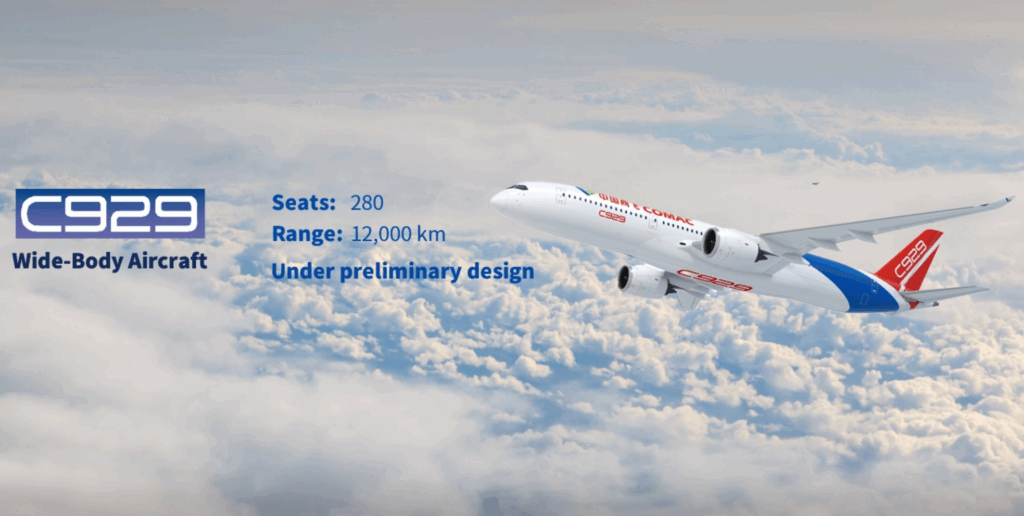
China’s upcoming COMAC C929 airliner
COMAC is developing a full range of commercial airliners to comprehensively take on Boeing and Airbus. Having brought the regional C909 into service in 2016 and the narrowbody C919 into service in 2023, the next step is to develop the widebody C929.
Official confirmation
— Hûrin (@Hurin92) October 28, 2023
The wide-body COMAC airliner is now C929 (CR929 before). ..Russia no longer part of project pic.twitter.com/k96n3cMYK0
The C929 is intended to be a medium widebody and a competitor to the Airbus A330 and Boeing 787 with nine-abreast seating.
These tests mark a major step in China’s aerospace engine capabilities. It is unclear when the engine will be operationally ready, but it seems unlikely before 2030. This would potentially be in line with the development timeline of the C929.
The C929 is expected to have a capacity for 280 to 400 passengers, depending on configuration, and a range of around 12,000 kilometres (6,500 nautical miles). Its airframe is expected to use over 50% lightweight composite materials. Its first flight is planned sometime around 2030, ahead of entering service in the 2030s.

Early COMAC aircraft typically don’t have to compete with Western aircraft in a traditional free-market sense within the Chinese market. This gives the aircraft a large market to mature in before competing internationally.
Air China signed a framework agreement in November 2024, paving the way for it to eventually be the C929’s launch customer.
Get the latest aerospace defence news here on AGN.
China’s plans to produce turbofans domestically
Parallel with developing new aircraft types, China is also working to gradually phase out Western components and develop its own substitutes. The engines are perhaps the most obvious example of this.
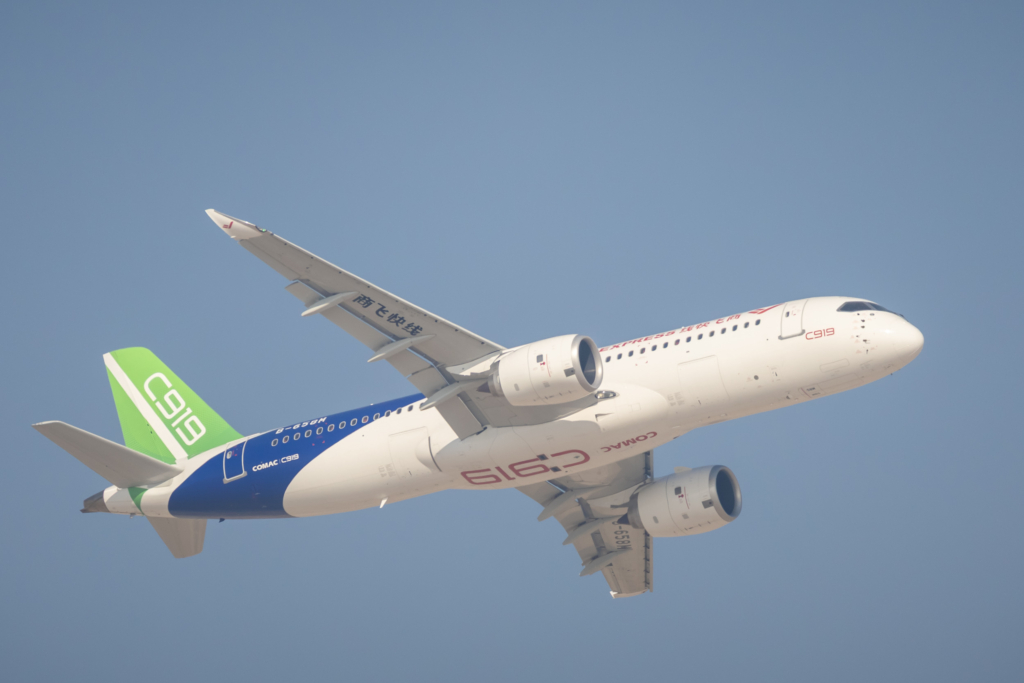
China’s state-run COMAC is now building two types of passenger jets: the narrowbody C919 and regional C909 (formerly ARJ21). These are both powered by Western-supplied engines, with the Franco-American CFM International LEAP-1C powering the C919 and the General Electric CF34-10A powering the C909.
China is developing its domestic engines for these aircraft to cut reliance on Western engines. For a period in 2025, the US restricted the supply of LEAP-1C engines to China.
Something similar is happening in the military with fighter jets, where China is now replacing Russian engines with its own.
Featured Image: COMAC