China just hatched a butterfly in space, offering a glimpse of life beyond Earth

February 8, 2026
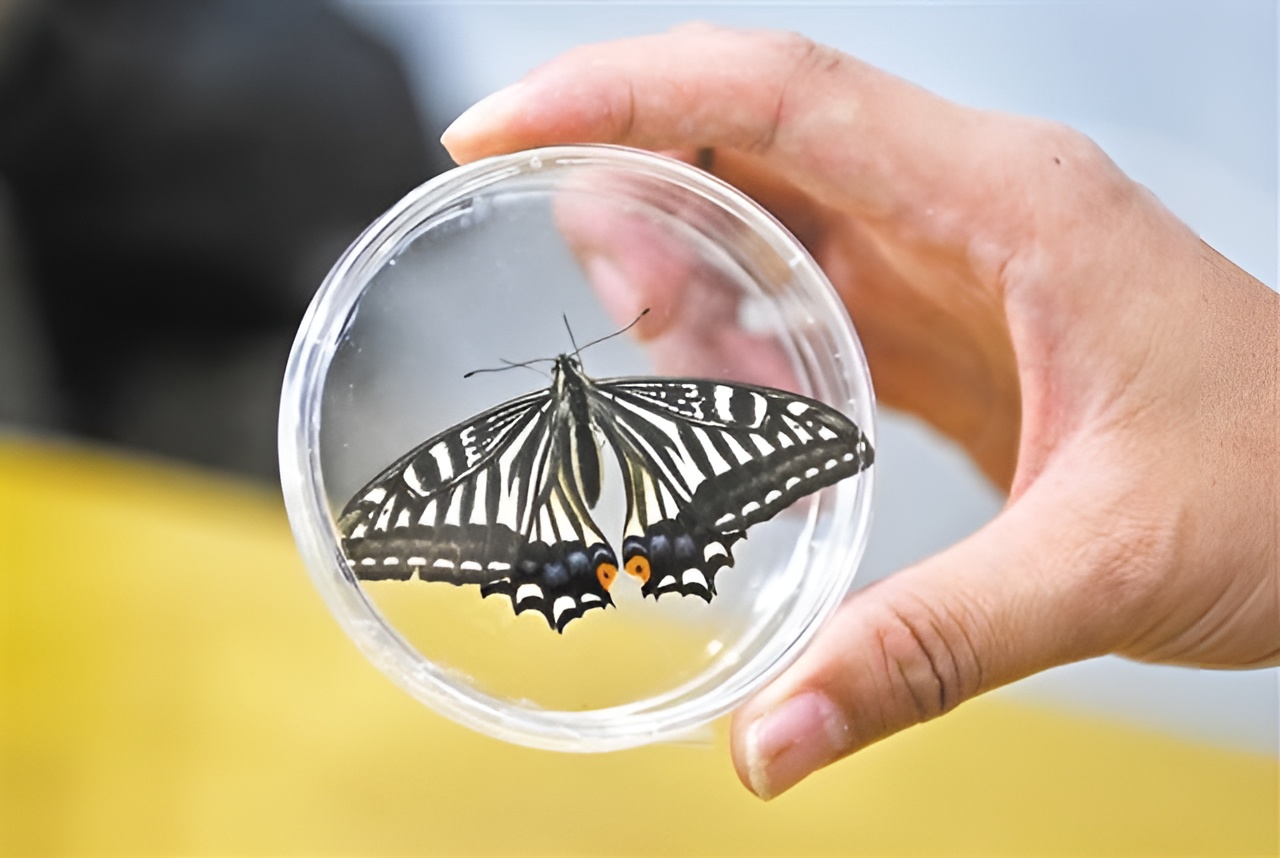
A butterfly has hatched in space and, in doing so, has carried a quiet but profound experiment a step further toward sustaining life beyond Earth.
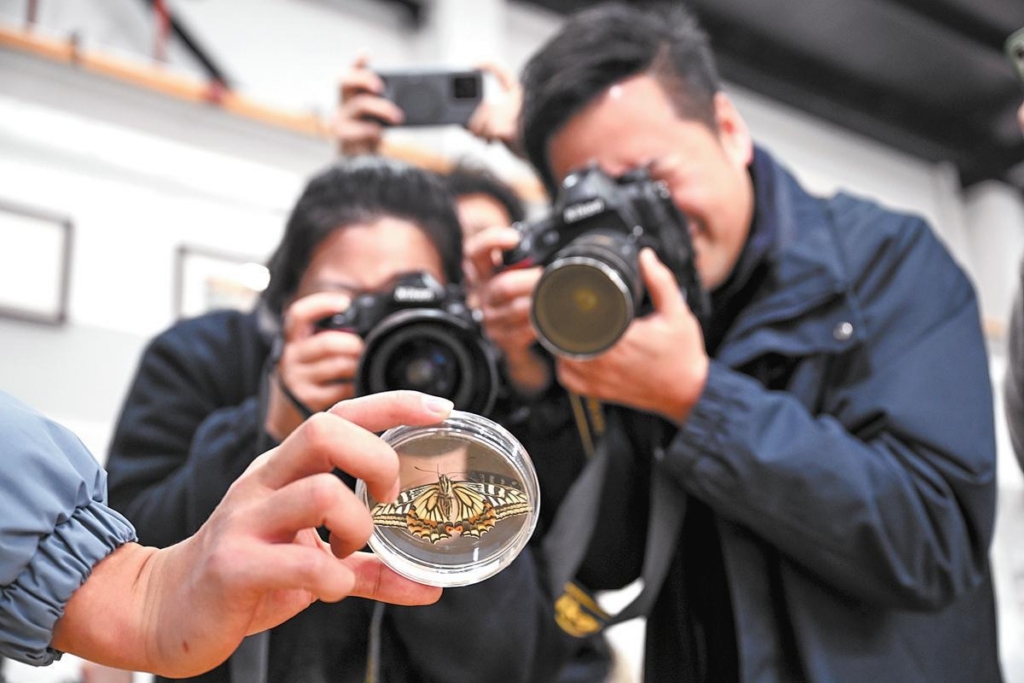
Researchers at China’s Chongqing University confirmed this week that a butterfly successfully emerged from its chrysalis while orbiting Earth inside a sealed experimental ecosystem payload.
The development, first reported by Xinhua News Agency, is being described by the team as a meaningful advance in validating complex life-support systems in microgravity.
The chrysalis was launched aboard a Kuaizhou-11 Y8 carrier rocket on December 13, 2025, housed within an 8.3kg self-contained biological module designed to replicate the ecological cycles of Earth.
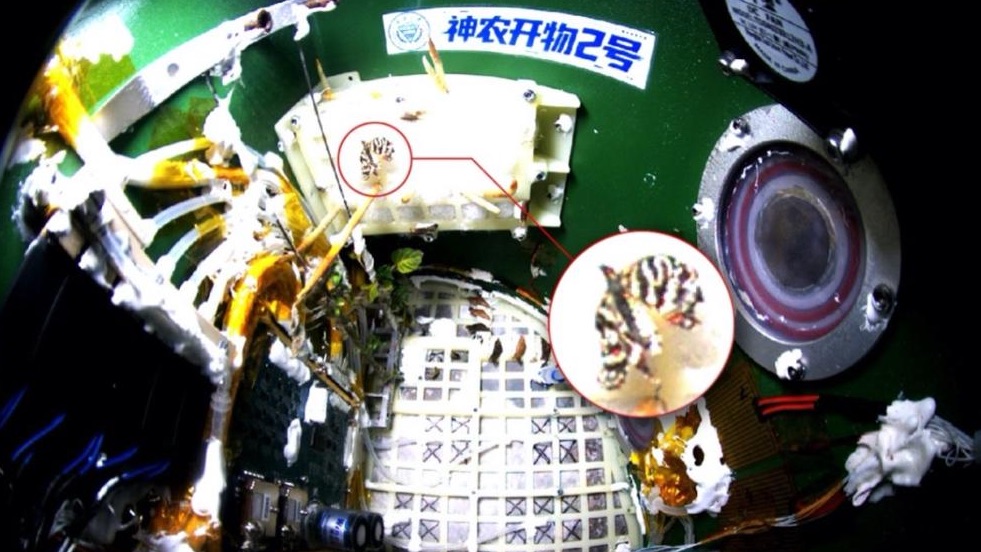
Images transmitted from orbit show the butterfly resting on leaves, moving around the capsule and fluttering its wings, small gestures that signal adaptation in an environment fundamentally hostile to terrestrial life.
Why this butterfly experiment matters for sustaining life in space
The experiment was not simply about sending an insect into space. It was designed as a miniature closed-loop ecosystem, operating autonomously without human intervention.
Plants, including chile pepper varieties, generated oxygen and potential nourishment. Microorganisms processed biological waste, stabilising the cabin’s atmospheric composition.
Sensors confirmed that pressure, temperature and humidity inside the sealed chamber remained stable.
The challenges of sustaining life in microgravity
Fluids behave differently, material transport is disrupted, and sustaining biological balance becomes significantly more complex.
Xie Gengxin, chief designer of the payload, said the team overcame persistent oxidation and corrosion problems affecting magnesium alloy structures in high-humidity conditions, a technical hurdle that had previously limited durability.
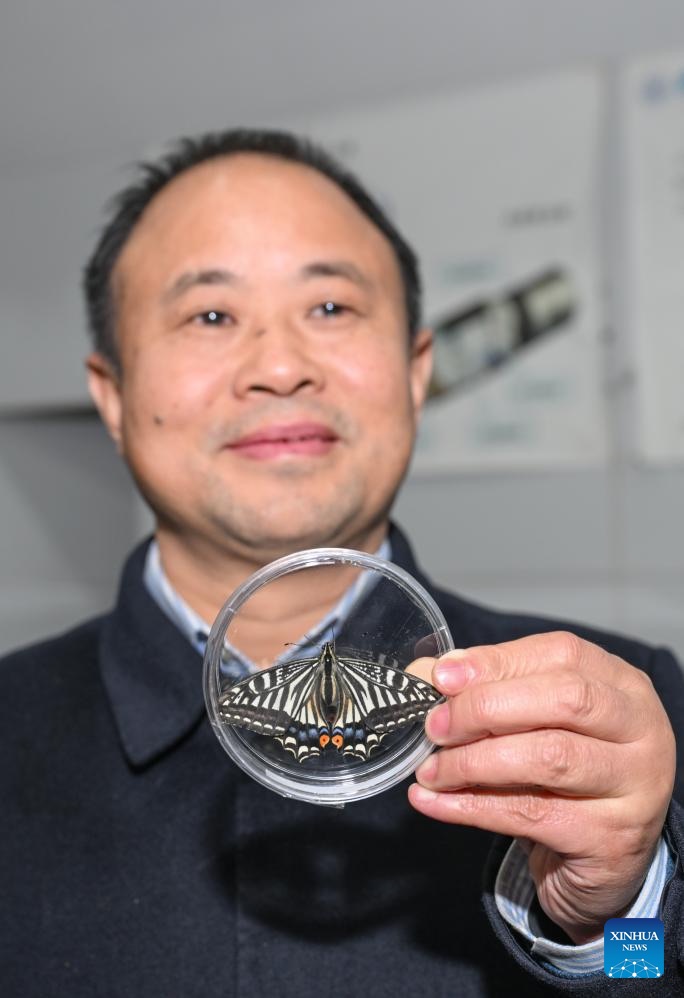
The resulting lightweight yet robust structure formed what he described as a “safety barrier” for the ecosystem.
“The successful emergence of the butterfly is not just about having an insect in space,” Xie said. “It marks a solid step forward in verifying the feasibility of long-term operation of complex life support systems in orbit.”
Before the butterfly, China tested zebrafish and mice in space
China has steadily expanded its space life sciences portfolio in recent years. In 2024, zebrafish survived 43 days aboard the Tiangong space station within a closed aquatic ecosystem.
Later, four laboratory mice were sent into orbit, with two giving birth after returning to Earth, the country’s first mammalian reproductive study in space.
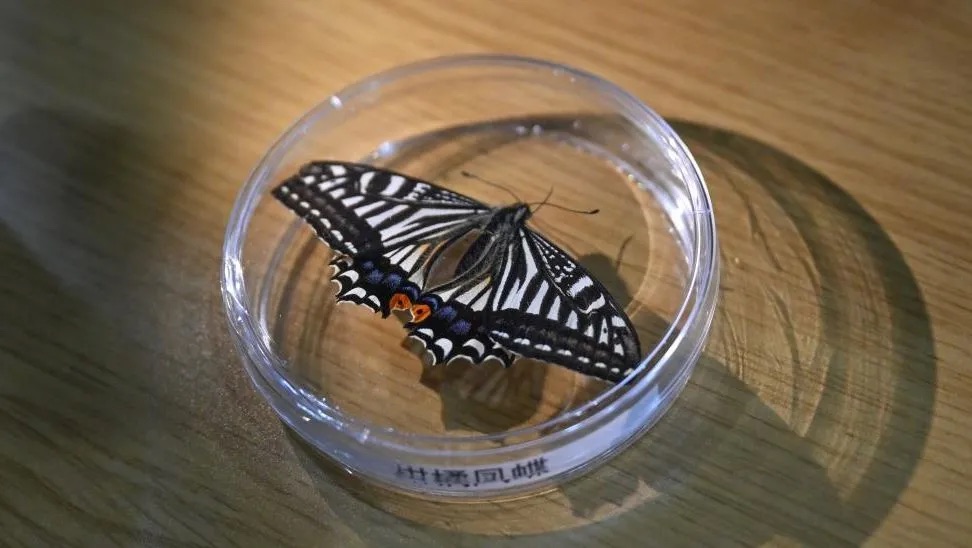
The butterfly experiment builds on that trajectory, testing not just survival but developmental processes in microgravity.
Completing a full metamorphosis cycle in orbit offers new insight into biological resilience under extreme conditions.
One small flap of wings, one giant leap for space life-support science
For future deep-space missions where astronauts may need to rely on regenerative life-support systems far from Earth such experiments matter.
They suggest that small, stable ecosystems capable of producing oxygen, recycling waste and supporting higher life forms may one day operate reliably beyond low Earth orbit.
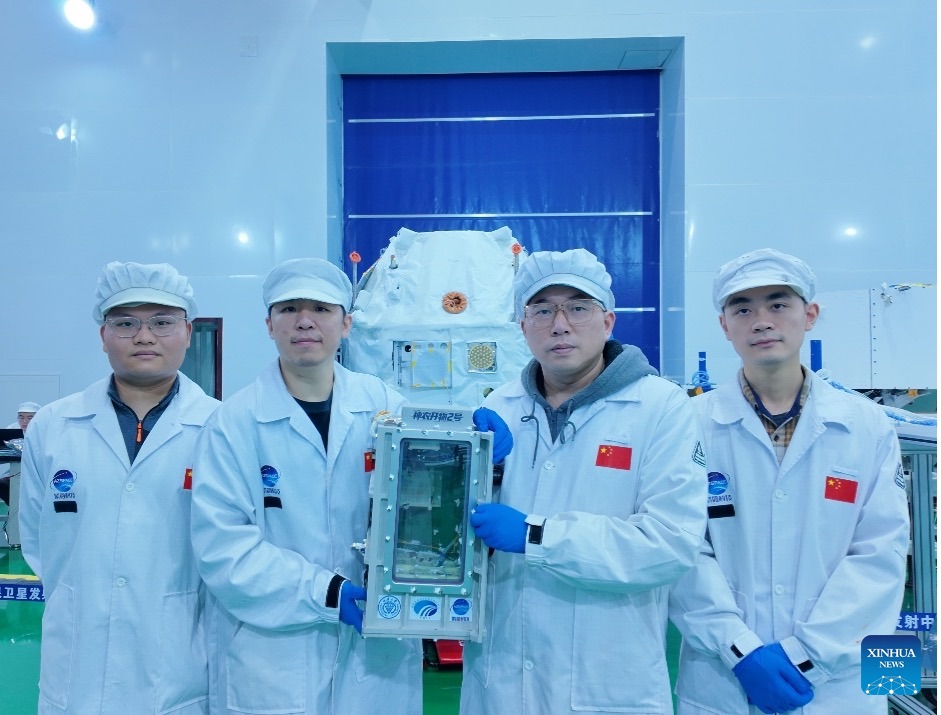
The next phase of the Chongqing University programme will focus on long-term structural endurance, component durability and maintaining airtight integrity over extended periods.
In the silent orbit above Earth, a butterfly opening its wings may seem like a small event. For space science, it represents something larger: a delicate but deliberate step toward sustaining life far from home.
Featured image: Chongqing University / Xinhua
![NASA's X-59 Quesst [registration N859NA '859'] is seen in-flight over California during the experimental supersonic aircraft's brief second test sortie on 21 March 2026. Image: NASA/Jim Ross](https://aerospaceglobalnews.com/wp-content/uploads/2026/03/X-59-Second-Flight-21-03-26-NASA-Jim-Ross-crop-scaled-640x0-c-default.jpg)