UK APPG formed amid growing concern over toxic air in aircraft cabins

March 13, 2026
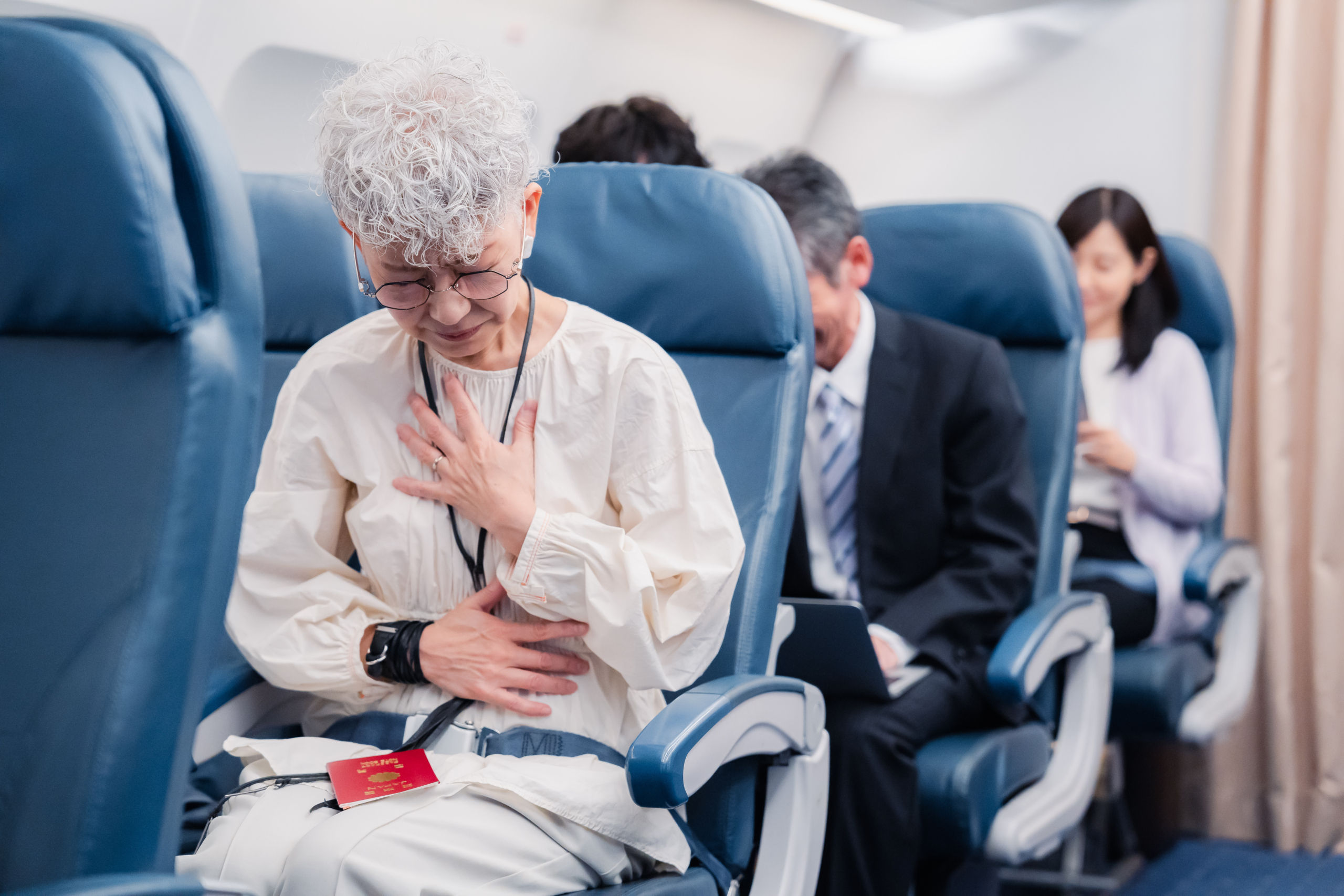
For more than half a century, aviation insiders have raised concerns about contaminated air inside aircraft cabins. Now a new parliamentary group in Westminster is taking up the issue, asking whether so-called ‘fume events‘ could be exposing pilots, cabin crew and passengers to potentially harmful chemicals.
The All-Party Parliamentary Group (APPG) on Cabin Air Quality formally convened its first meetings in Parliament on Tuesday, 10 March and Wednesday, 11 March, bringing together MPs, peers, scientists, pilots and campaigners who argue that contaminated air inside aircraft has been ignored for decades.
Chaired by MP Tom Gordon, the group also includes Baroness Nicholson, Lord Brennan and Andrew Bowie as officers.
Opening the meeting, Gordon said the purpose of the group is to examine the evidence around “fume events” on aircraft, the health impacts on crew and passengers, and why the issue has remained unresolved despite decades of warnings from researchers and accident investigators.
The APPG aims to gather evidence from medical experts, regulators, aircraft manufacturers, airline workers and passengers as part of a new parliamentary effort to scrutinise cabin air quality and possible regulatory reforms.
Supporters say the goal is simple: determine whether the air millions of people breathe every day on commercial flights is truly safe.
Are toxic fumes on aircraft making pilots, crew and passengers ill?
Central to the debate is the way most commercial aircraft supply air to the cockpit and cabin.
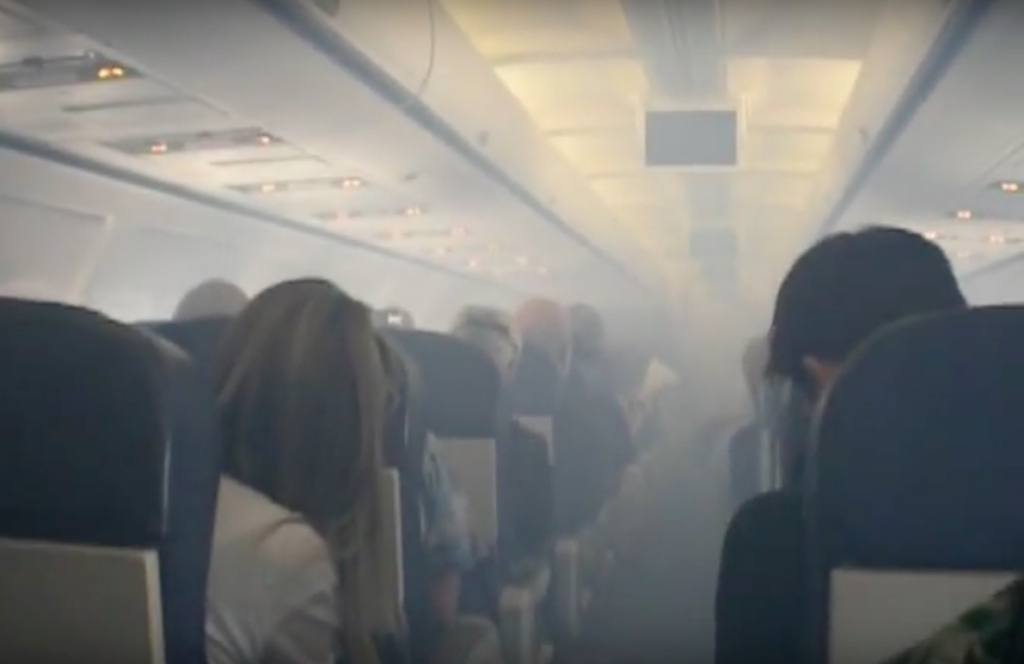
On the vast majority of jets, the air passengers breathe is drawn from the engines through a system known as bleed air. Under certain failure conditions, oil or hydraulic fluids can enter this air supply and vaporise at high temperatures, creating fumes that are distributed through the aircraft ventilation system.
These incidents are commonly referred to as “fume events.”
Swiss Airlines flight attendant dies after being in intensive care following emergency landing of LX1885 on 23 December.
— Breaking Aviation News & Videos (@aviationbrk) December 30, 2024
During the flight from Bucharest to Zurich with 74 passengers, there were engine problems and smoke in the cockpit and cabin.
The aircraft landed at Graz and… pic.twitter.com/Hb3Hy00DH2
Pilots and cabin crew have long reported distinctive smells during such events, frequently described as ‘dirty socks’, ‘wet dog’, ‘acrid’ or ‘chemical’.
At the Westminster meeting, campaigners and scientists argued that the health impacts of such exposures have been underestimated.
Professor Vyvyan Howard, a toxicopathologist who has studied cabin air contamination, told attendees the issue raises serious questions about the exposure of flight crews to complex mixtures of chemicals.
Medical researchers have linked some exposures to symptoms, including:
- headaches
- dizziness
- cognitive impairment
- breathing difficulties
- neurological problems.
Several speakers described cases where pilots or cabin crew reported acute symptoms during flights, raising concerns about potential flight safety risks.
The symptoms are loosely grouped together under the term ‘aerotoxic syndrome,’ but this is not recognised as an illness in the medical community, nor are doctors trained to treat those suffering. At the same time, cabin crew and pilots working on aircraft receive little to no training on what fume events are or how to deal with them.
A WSJ investigation found thousands of incidents where toxic fumes leaked into aircraft, leading to potential safety and health issues for crew and passengers. 🔗 https://t.co/CG8c0pcT5r pic.twitter.com/6hNhdc45Dg
— The Wall Street Journal (@WSJ) September 22, 2025
Advocates argue that even when exposures do not lead to immediate incapacitation, repeated low-level exposures over years of flying could produce cumulative health effects.
However, the aviation industry has consistently maintained that available evidence does not demonstrate that contaminant levels during fume events pose a significant health risk.
Regulators have failed to address toxic cabin air concerns
One of the APPG’s central questions is why the issue remains unresolved despite decades of investigation.
Concerns about contaminated cabin air date back to the 1950s, when bleed-air systems became standard in jetliners.
Over the years, the topic has been examined by:
- accident investigation authorities
- regulators, including the FAA and EASA
- parliamentary hearings
- academic studies
- industry-funded research.
Yet campaigners argue that the response has been slow and fragmented.
Speakers at the Westminster meeting said previous reviews have often focused narrowly on whether contaminant levels exceed existing occupational exposure limits, rather than examining the effects of complex chemical mixtures or repeated exposure over time.
Others criticised what they described as a lack of transparency around reporting.
Some researchers believe the true scale of the issue may be under-reported because not all events are formally logged, and passengers are rarely informed when a fume event occurs.
Advocates also point to the absence of routine air-quality monitoring systems on most aircraft.
Without sensors to detect contamination in real time, investigators must often rely on crew reports and maintenance findings to reconstruct what happened.
For critics, this has created a regulatory blind spot.
What the new parliamentary group plans to do about cabin air safety
The new parliamentary group says it intends to move the debate forward by examining both the science and the engineering solutions available.
Among the issues it plans to explore are:
- improved reporting and investigation of fume events
- better monitoring of cabin air quality
- possible sensor systems capable of detecting contamination in real time
- the development of less hazardous engine oils
- filtration technologies for bleed-air systems
- design changes that could reduce contamination risks.
Some aircraft already use alternative approaches. The Boeing 787, for example, does not rely on traditional bleed air for cabin pressurisation, instead using electrically driven compressors to supply fresh air.

Campaigners argue that technological solutions exist but have not yet been widely implemented.
The APPG hopes that by bringing together experts from across the aviation, medical and regulatory fields, it can help build a clearer picture of the risks and potential remedies.
Aircraft Cabin Air Conference 2026 to examine toxic air risks
The parliamentary meetings also form part of a broader effort to expand research and public awareness around cabin air quality.
Many of the experts involved in the Westminster discussions will also participate in the Aircraft Cabin Air International Conference 2026, scheduled for 22–23 September 2026.
The two-day conference will bring together scientists, regulators, engineers, airline representatives and aviation workers to review the latest research into contaminated cabin air.
Through films, technical presentations and panel discussions, the conference will explore topics including:
- the history of contaminated air issues from the 1950s to the present day
- accident investigations and flight safety implications
- medical and toxicological research into exposure effects
- legal and regulatory developments
- reporting systems such as the Global Cabin Air Reporting System (GCARS)
- emerging solutions including safer oils, filtration systems and detection sensors.
Organisers say the aim is to provide regulators, airlines, manufacturers, researchers and aviation workers with a clearer understanding of the problem and possible ways forward.
More information about the event is available at the Aircraft Cabin Air conference website.
Featured image: stock.adobe.com
Sign up for our newsletter and get our latest content in your inbox.