Bulgaria struggles with cost to maintain ageing MiG-29s and Su-25s amid F-16 transition

November 13, 2025
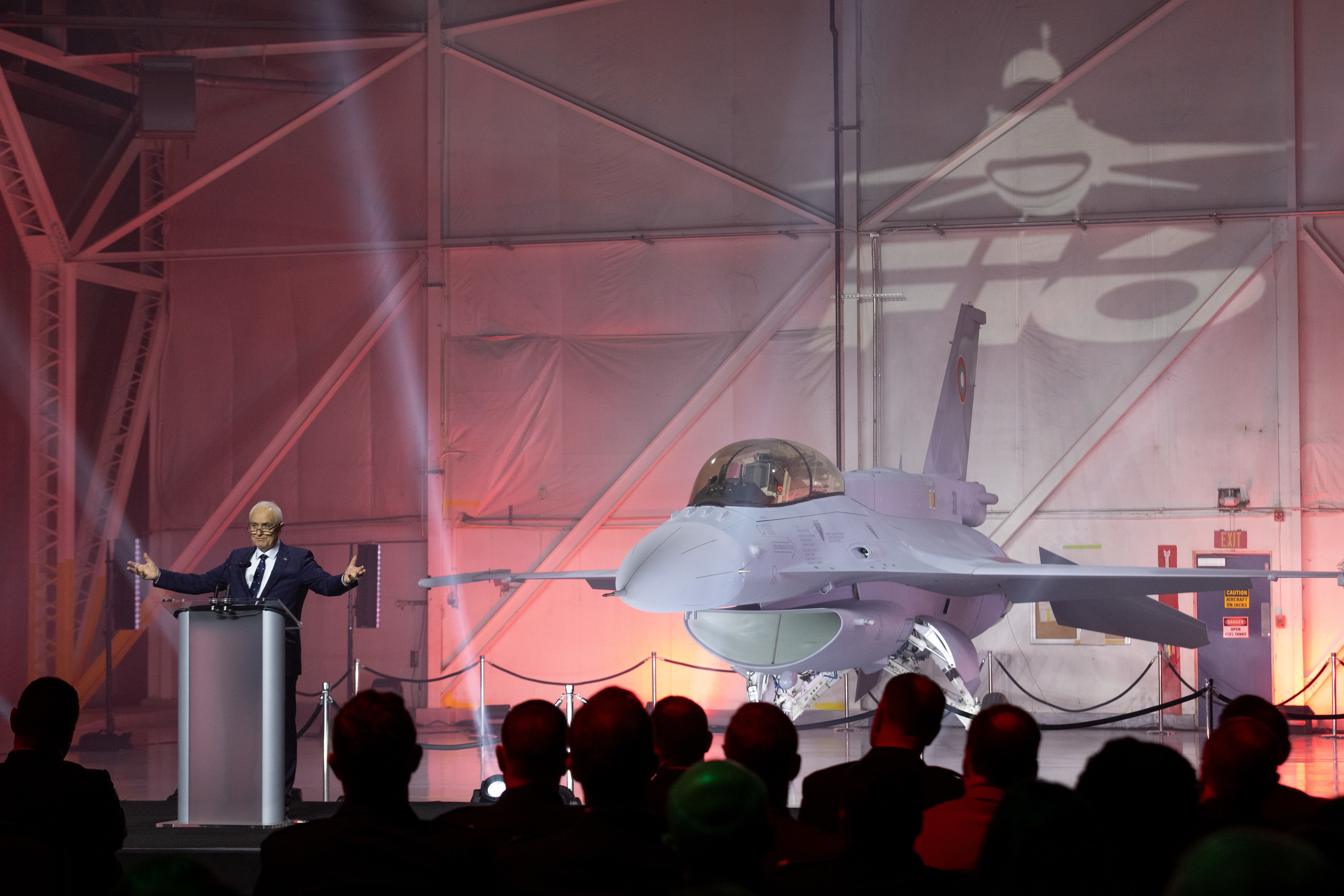
As Bulgaria prepares to transition to modern F-16 Fighting Falcons, maintenance costs are growing to keep its ageing fleet of Soviet fighter jets operational.
Costs rise for Bulgaria’s legacy Soviet-era fighter jets
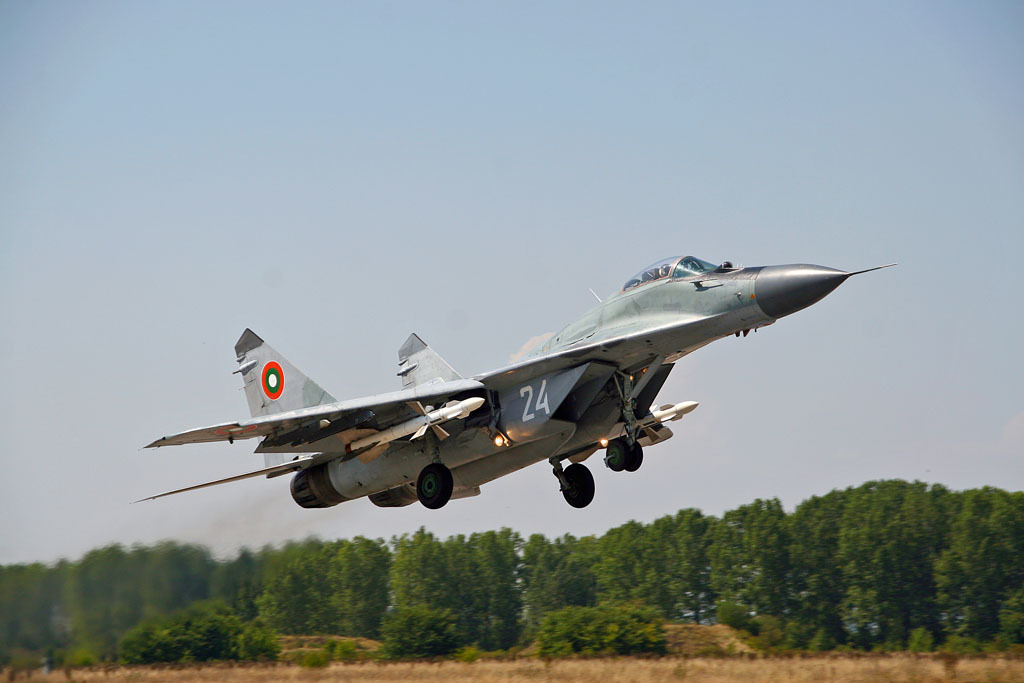
Like other air forces in Eastern Europe, the Bulgarian Air Force is in transition. It is still operating a limited fleet of ageing Soviet-era MiG-29 (NATO “Fulcrum”) multirole aircraft and Su-25 (NATO “Frogfoot”) ground attack aircraft.
Yesterday, Bulgaria’s news outlet, Sofia Globe, reported that the country’s Defence Minister, Atanas Zapryanov, had written to parliament discussing the status of its Soviet fighter jets and transition to the F-16.
As these aircraft age, the costs of maintenance are rising. In 2026, Bulgaria expects the MiG-29 fleet will cost 86.4 million leva ($51 million), while the Su-25 will cost 27.6 million leva ($16 million). That’s a total of 114 million leva ($68 million) and 10 million ($5.9 million) more than the costs in 2024 and 2025.
According to Flight Global’s 2025 review of world air forces, Bulgaria has 10 MiG-29s and five Su-25s in inventory.
The costs include personnel salaries, aviation fuel, and other related costs. It does not include training costs as the Bulgarian Air Force is focused on training on the replacement F-16s.
Members of the Bulgarian Air Force tow a MiG-29 with an MB-4 tow tractor during a training exercise at Graf Ignatievo AB, Bulgaria, July 20, 2024. The exercise prepared Bulgaria for the arrival of the country’s first F-16s in fiscal year 2025.
— Guy Plopsky (@GuyPlopsky) July 24, 2024
Photo link:https://t.co/q35z09GNZb pic.twitter.com/VGuAC3gJEX
The Su-25 was originally built and maintained in Tbilisi, Georgia. However, Russia destroyed the factory in its brief war with Georgia in 2008, and after that, Belarus became a major centre for Frogfoot maintenance.
Bulgaria’s replacement F-16 Block 70s
Bulgaria ordered eight F-16 Block 70/72 aircraft in 2019 and another eight in 2022 for a total of 16. Deliveries are expected to be completed by the end of 2027.
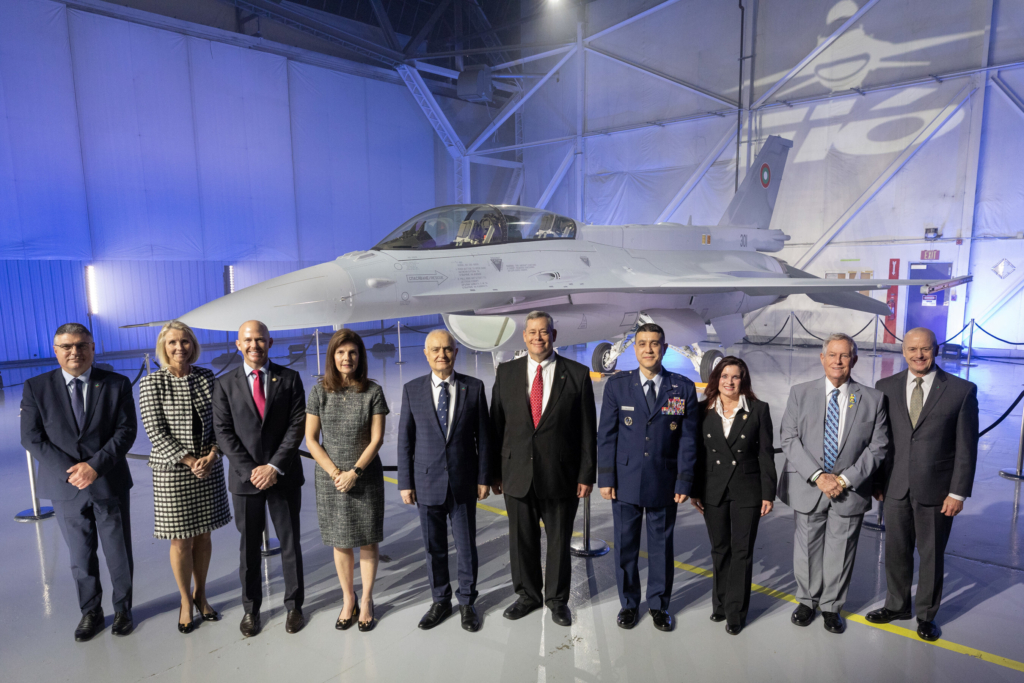
Bulgaria has already received the first six examples, and two more are expected to arrive by the end of 2025. Lockheed Martin announced the first delivery in February 2025.
The Sofia Globe states, “After the implementation of the second contract, the Air Force will have one squadron of 16 aircraft.” For now, Bulgaria continues to rely on its ageing MiG-29s to patrol its airspace.
New @LockheedMartin F-16 Block 70 aircraft have arrived in Slovakia and Bulgaria, a major step in modernizing their air forces, strengthening security and powering @NATO defense. pic.twitter.com/gcuTH9vJHv
— Lockheed Martin News (@LMNews) October 6, 2025
F-16s can’t take over until enough arrive and Bulgaria has enough pilots trained up on them. The country only has six trained pilots, of which only two are trained to lead groups. There is a delay because of a lack of available training slots.
Get the latest aerospace defence news here on AGN.
Looming retirement of Soviet jets from Eastern Europe
Once F-16s become operational, these old aircraft will be retired. It’s unclear what will become of the retired MiG-29s and Su-25s. They may be sent to Ukraine, although “no consultations have been held with Ukraine at this time…”
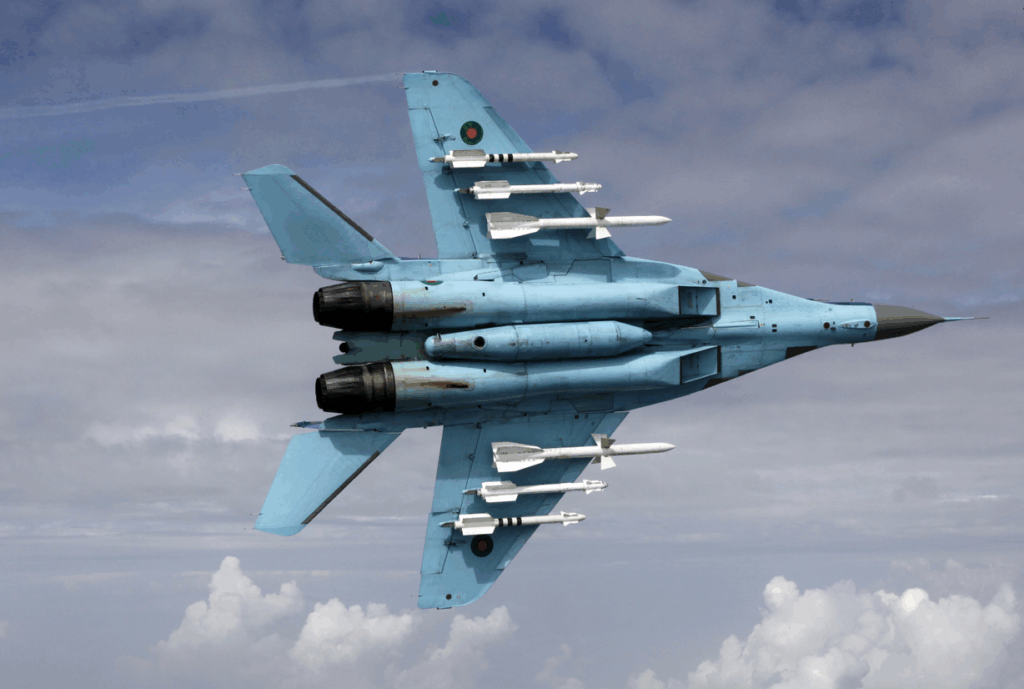
Separately, Slovakia previously retired and donated its MiG-29s to Ukraine ahead of receiving F-16s, while Poland has sent half of its MiG-29s as it prepares to receive F-35s and FA-50s.
MiG-29 donations are something of a stopgap as Ukraine is looking to have a post-war fleet of F-16s, Gripens, and Rafales.
It has been around 35 years since the Soviet Union fell, and Eastern European countries are finally transitioning to NATO-standard weapons, replacing obsolete Soviet-origin systems.
✈️ History in the making for Bulgaria! 🇧🇬
— Lockheed Martin (@LockheedMartin) October 24, 2024
Their first F-16 Block 70 aircraft took its first flight, marking a new era of defense capabilities for the Bulgarian Air Force. pic.twitter.com/8ZszGYFH00
Neighbouring Romania finally retired the last of its hopelessly obsolete MiG-21s in 2023. It is taking delivery of and transitioning to a fleet of more than 50 older, ex-Dutch, and ex-Norwegian F-16s. In a dramatic leap in capabilities, Romania is ordering 32 F-35 stealth jets.
Featured Image: Lockheed Martin