Hello? British Airways and Aer Lingus allow in-flight calls on new high-speed Starlink WiFi

April 6, 2026
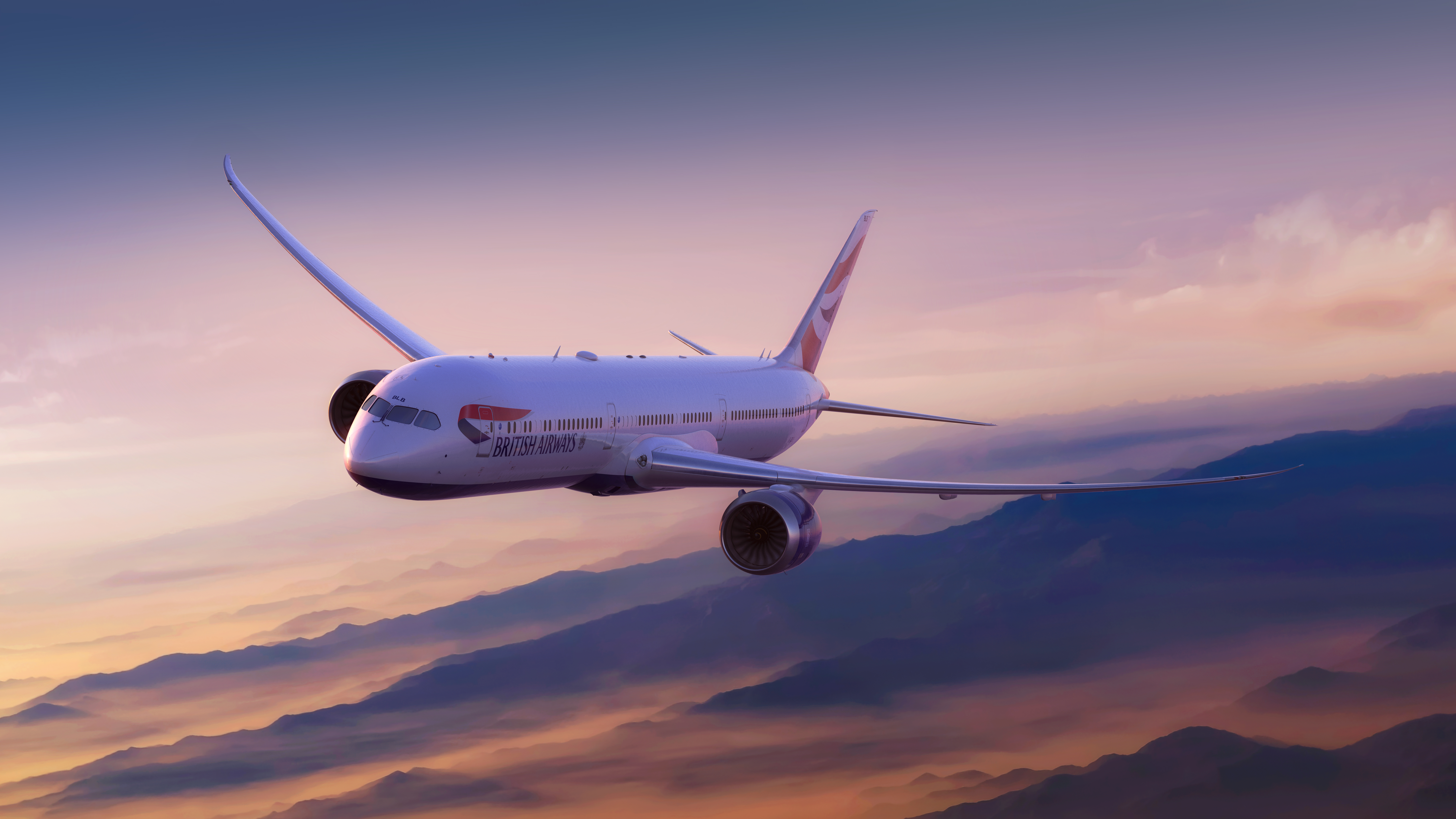
British Airways will allow passengers to make voice and video calls in flight with its new Starlink-powered onboard WiFi.
The call-friendly policy is rare among global airlines, which have generally prohibited video calls even when aircraft are equipped with high-speed satellite connectivity that would support the function. Fellow IAG airline Aer Lingus is also permitting calls on its Starlink-equipped aircraft.
The two carriers have begun installing high-speed internet service as part of IAG’s contract with Starlink, which will equip over 500 aircraft across its group airlines, with the first aircraft already in service.
Once deployed, the airlines are offering free, high-bandwidth internet to passengers in every cabin, enabling activities such as streaming, gaming, video conferencing, and voice calls.
Calls permitted, but passengers urged to be considerate
Most airlines still prohibit voice calls over onboard WiFi, mainly out of consideration for fellow passengers. British Airways won’t block voice and video calls, but asks passengers who place calls to do so quietly to avoid disturbing others.
“If you’re making a call, keep your voice low and use headphones,” the airline advises on its Starlink WiFi guidance page.
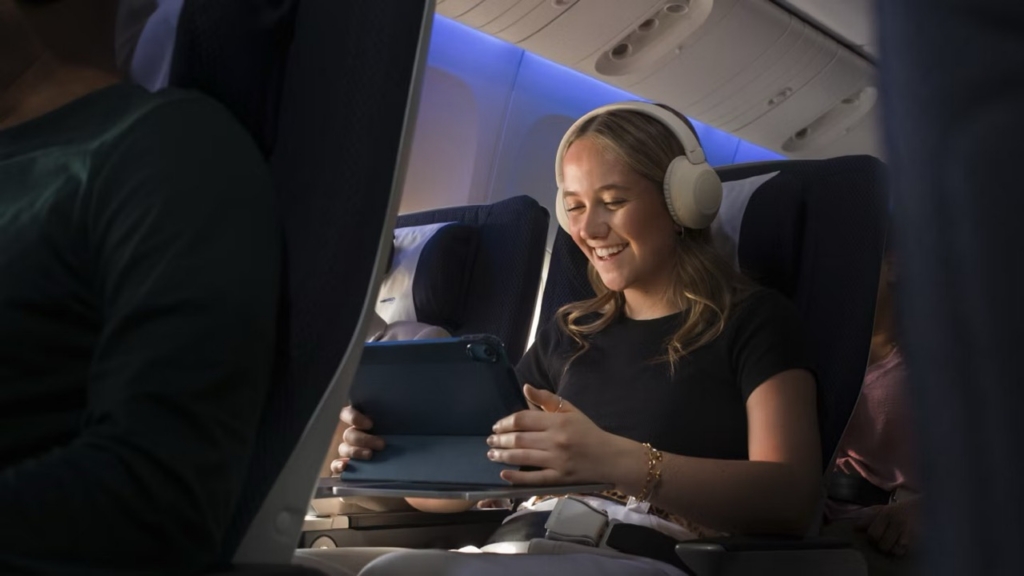
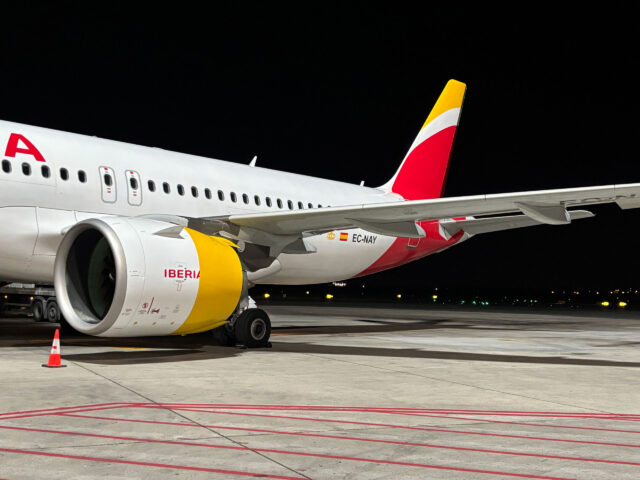
Fellow IAG carrier Aer Lingus, which has also enabled Starlink WiFi on select aircraft, has enacted a similar policy, allowing voice and video calls and asking passengers to use headphones for these calls. Iberia has not yet announced whether it will also allow calls on Starlink connections, though it may follow the other IAG carriers in doing so.
Starlink’s low-Earth-orbit satellite network delivers significantly higher speeds and lower latency than older satellite systems, meaning bandwidth is sufficient to support real-time voice and video communication at cruising altitude.
However, the decision has already sparked debate among travellers who worry that widespread in-flight calls could become disruptive in crowded cabins.
Making calls in-flight is not new, but the costs previously discouraged excessive use
In-flight calling is not a new feature. In the 1990s, long before in-flight WiFi was available, passengers could make calls on aircraft using Airfones installed on seatbacks. The service was expensive, which discouraged many from using the phone unless the call was urgent. When passengers did make calls, they generally kept them brief.

As mobile phones became widely available, concerns about interference with ground networks led to their ban on board. In the US, FCC regulations still prohibit the use of mobile phones on aircraft, and airlines worldwide ask passengers to switch off the call features on their mobile phones during the flight.
The Starlink WiFi service does not interfere with ground networks, so there is no technical limitation as with mobile phones. British Airways and fellow IAG carriers will make Starlink connections available to passengers on board free of charge, which might lead to higher uptake of the service.
The main concern is that the ready availability of in-flight calls might lead to more people conversing with friends and family on the ground or placing business calls, causing breaches of in-flight etiquette that will be difficult for the cabin crew to control.
Don't know how I feel about people talking loudly on their phone during a flight. Probably almost just as annoying as crying babies. pic.twitter.com/aiz0vlNx32
— Dolce Vita Gazette (@WWelle) April 2, 2026
Still, for those who need to reach their contacts on the ground, being able to do so during the flight will be a welcome feature.
WiFi calls in flight: A break with airline norms
British Airways’ and Aer Lingus’ decision to allow calls—provided they are conducted discreetly—makes them the first carriers willing to permit the practice as in-flight connectivity improves.
As more airlines adopt Starlink and Amazon‘s high-capacity LEO satellite systems, the industry may soon face questions about balancing the needs of those who want to stay in touch during the flight with the expectations of many passengers for a quiet cabin.
With some passengers already disregarding rules that require them to use headphones when enjoying music or entertainment content, some may ignore British Airways’ and Aer Lingus’ requirement that passengers use headphones for calls.
The question becomes whether the safety requirement for orderly behaviour in the cabin can survive the era of gate-to-gate connectivity. British Airways and Aer Lingus’ call-friendly policy will be a test case for the industry to watch closely.
Featured Image: British Airways