Boeing backs Poland’s new maintenance hub for its huge 96-aircraft AH-64 Apache helicopter force

November 28, 2025
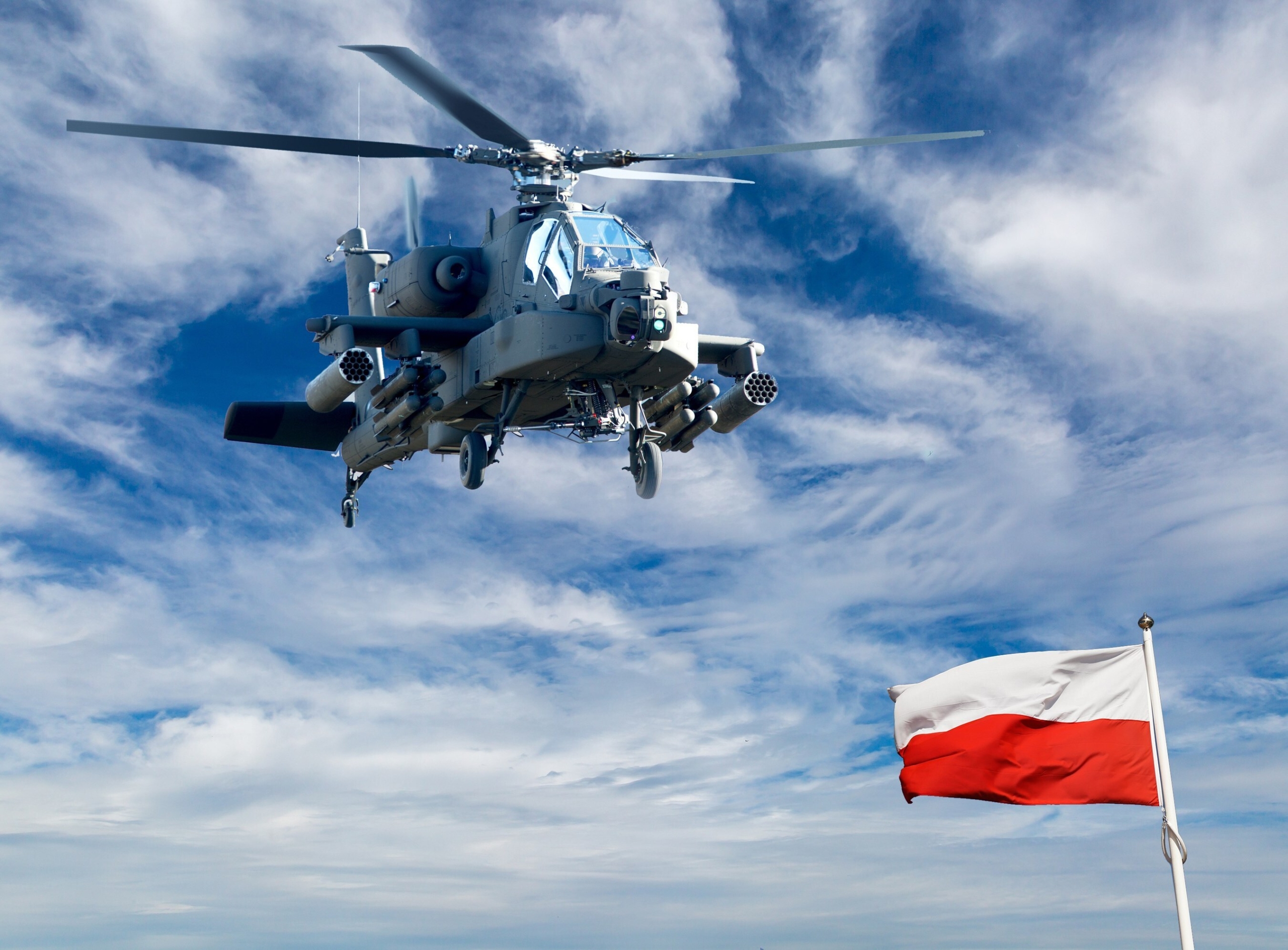
Poland will have a significant hand in producing and maintaining its future fleet of 96 AH-64 Apache attack helicopters. After these helicopters are delivered, Poland will have the second-largest Apache fleet after the US Army.
Boeing is working on Polish and other international Apache orders
Boeing is preparing to build Poland’s AH-64E Apache attack helicopters, as well as units for other international customers. Poland ordered 96 Apaches for its Polish Armed Forces, valued at almost $4.7 billion.
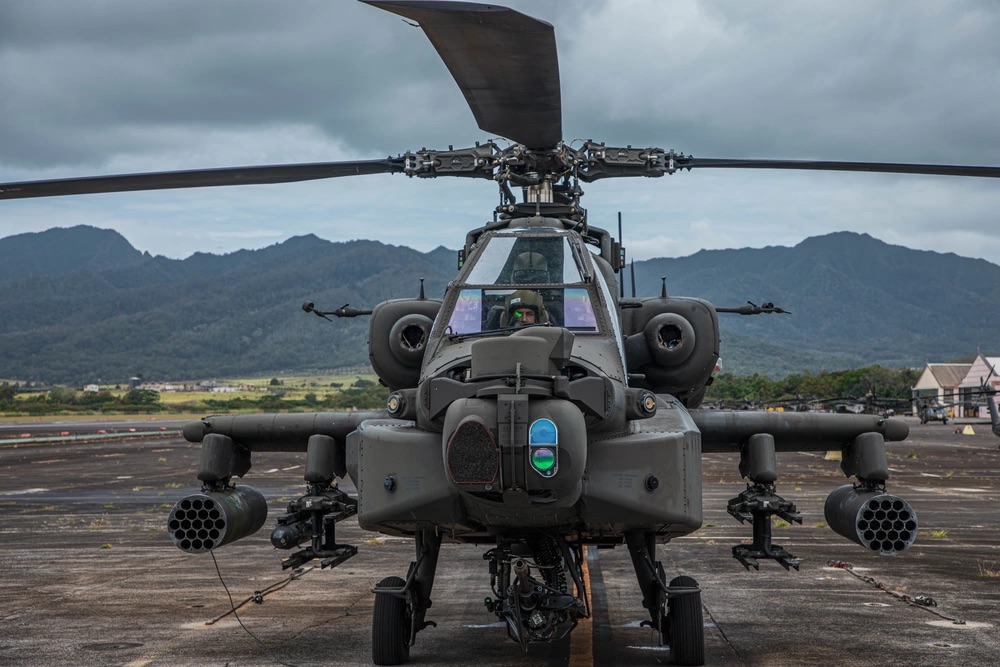
Boeing stated through an offset agreement announced last year, the local Polish industry will “play a key role in performing maintenance and support of the Apache fleet. Boeing will also establish training programs and help develop a composite laboratory.”
Christina Upah, vice president of Boeing’s Attack Helicopter Programs stated, “This important agreement allows us to begin building one of the largest and most formidable Apache fleets that the world has ever seen.”
The U.S. Army’s AH-64E Apache attack helicopter recently demonstrated its ability to detect, track, and defeat unmanned aircraft systems (UAS) during Operation Flyswatter, a live-fire event.#ArmyAviation #ArmyModernization
— PEO Aviation (@PEOAviation) November 24, 2025
Read the full story here: https://t.co/2fcuN4QTB3
Polish pilots are already training on the Apache ahead of the first new production units expected to arrive in 2028. It is training on eight AH-64 Apaches leased from the US Army.
Poland is the 19th AH-64 operator. Meanwhile, Boeing has delivered new-build Apaches to Australia, India, and Morocco in recent years.
Boeing still building and remanufacturing the Apache
While the aircraft is now 50 years old, the aircraft has been continuously upgraded with Boeing saying the current E-model “brings unmatched lethality, survivability, connectivity and interoperability to the battlefield.”
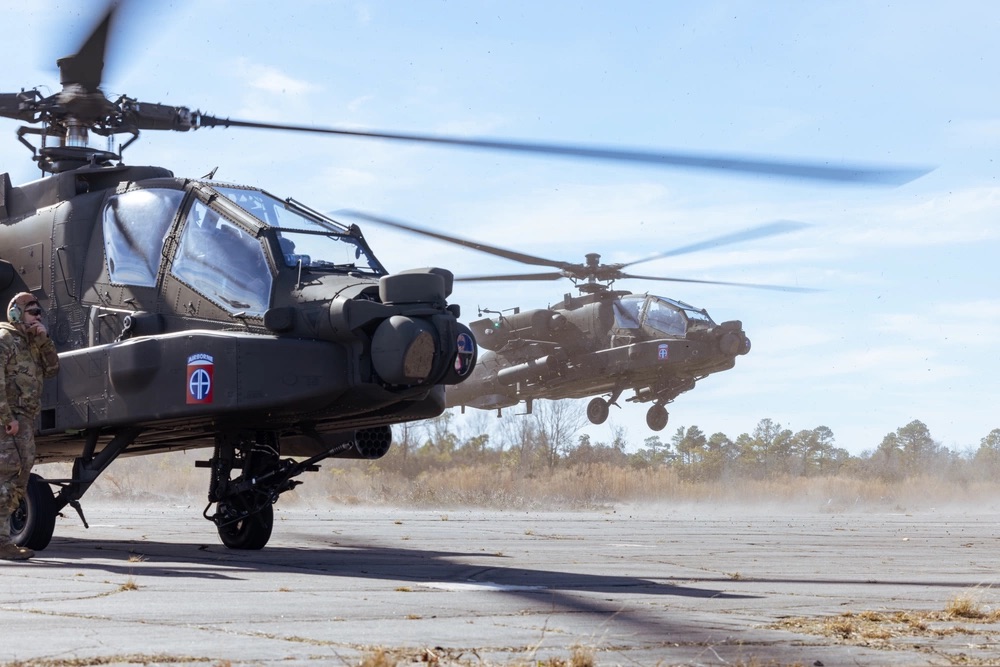
There are currently over 1,300 Apaches operating around the world. In late 2024, The War Zone reported the US Army had a program of record of 791 Apaches.
This included AH-64D Longbow or ‘Delta’ models. Some of these Deltas are still going through Boeing’s remanufacturing program that upgraded them to AH-64E Apache Guardians or ‘Echoes’.
The @AustralianArmy's first two Apaches have touched down. 🇦🇺
— Boeing Defense (@BoeingDefense) October 3, 2025
These are the first two of 29 total aircraft for Australia — the 18th nation to join our #AH64 family. The AH-64E will provide enhanced attack capability and allied interoperability.
More: https://t.co/VoqwWIJE1F pic.twitter.com/tD6F3ogSjb
Boeing’s 2025 third-quarter report shows it delivered 14 new AH-64E Apaches and 28 remanufactured Apaches. In 2024, it delivered 16 new and 34 remanufactured Apaches.
Get the latest aerospace defence news here on AGN.
Unclear outlook for the attack helicopter
The proliferation of threats (including drones and MANPADS) makes it ever more difficult for the attack helicopter to operate in contested airspace. This is made worse by the high cost of the aircraft, which calls the future of the attack helicopter into question.
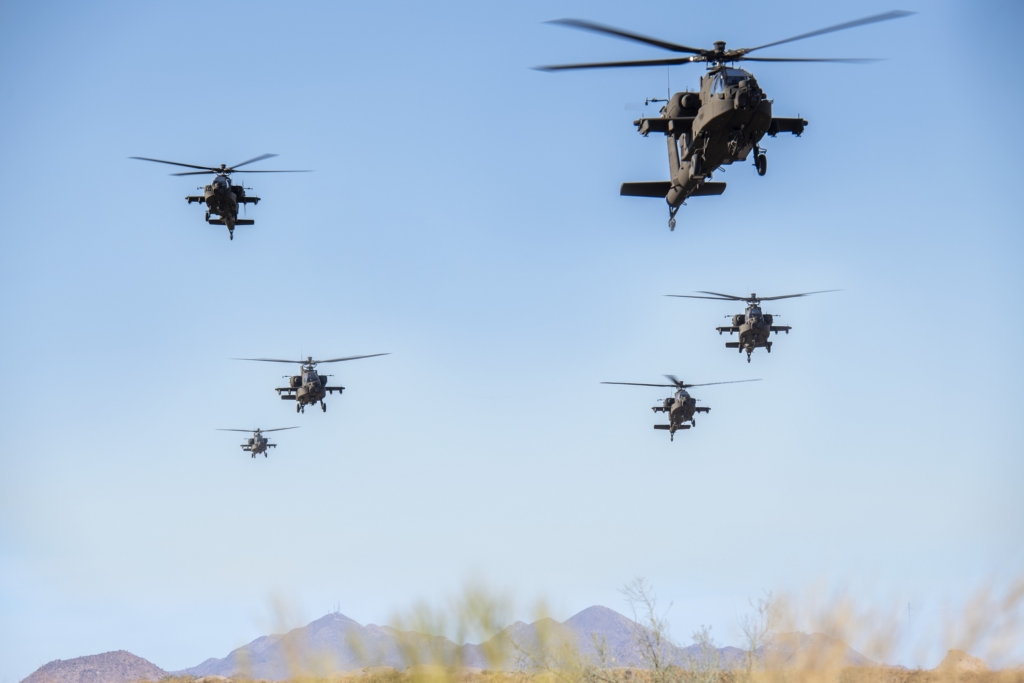
Around the world, the picture is very mixed. Poland has decided to become the second-largest operator of Apaches, while Turkey is working to develop its own attack helicopter. Boeing has plans to modernize the Apache to remain relevant until the 2060s.
Meanwhile, South Korea has canceled its order for 36 extra AH-64 Apaches, and Japan has retired its attack helicopters without replacement.
In October 2024, Aviation Week reported that US Army document plans would slash its active fleet of AH-64Es from 408 to 240 by shifting them to the Army National Guard. It would also divest its AH-64Ds, cutting active-duty Deltas from 120 in fiscal 2025 to 24 in 2026. It is
These plans are part of the larger Army Transformational Initiative effort that would also see the service axe its MQ-1 Gray Eagles.
Some, like the respected The Chieftain on YouTube (hosted by Nicholas Moran, a US Army Lieutenant Colonel), argue the attack helicopter is not dead, but its role has shifted from its originally intended close air support missions to deep strike missions.
This involves targeting the enemy’s more vulnerable supply nodes and logistics hubs in coordination with fighter jets.
Featured Image: Boeing