Boeing expects higher aircraft deliveries in 2026 as stored jets finally run dry

December 2, 2025
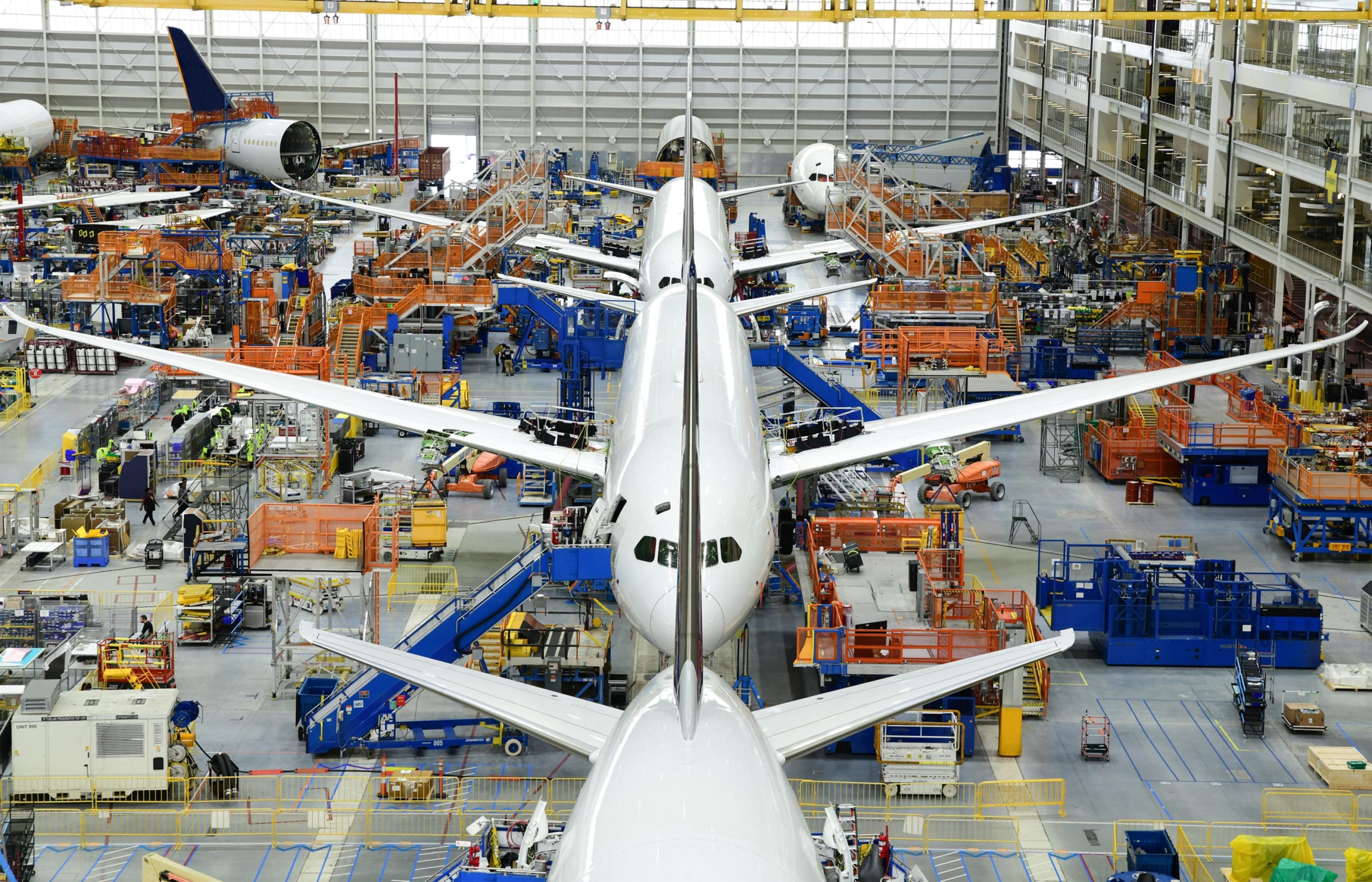
Boeing’s new chief financial officer Jay Malave has signalled that the manufacturer expects to deliver more commercial aircraft next year, helped by higher output and the end of the post-crisis “inventory flush”.
Speaking at the UBS Global Industrials and Transportation Conference, Malave said Boeing Commercial Airplanes (BCA) expects deliveries to grow in 2026, which will be a “large driver of positive cash flow”.
Embedded in that, he added, is the benefit of burning down excess inventory and normalising the cash collection cycle.
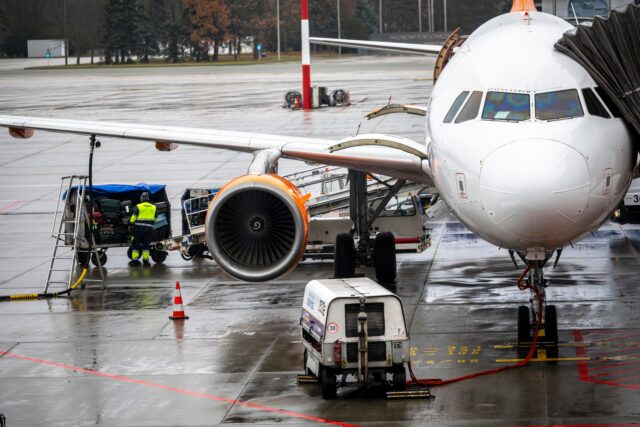
Crucially, he confirmed that Boeing has now cleared its stockpile of “deliverable” aircraft, so now future delivery growth will come from higher production rather than drawing on stored jets.
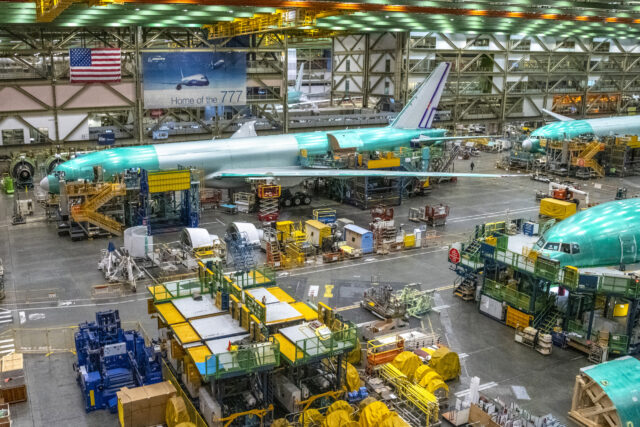
Boeing was recently cleared to up its rate of 737 production to 42 aircraft a month after almost two years of rate limitations imposed by the FAA.
Faster deliveries are key to better cash flow at Boeing
Malave noted a double driver for increasing the delivery rates at Boeing Commercial Airplanes.
First, Boeing is unable to collect full payment for aircraft until they are delivered, elongating the cash cycle. Second, Boeing is paying penalties on late-delivered aircraft, reducing the potential for profit per airframe.
With higher delivery rates, Malave said, working capital turns faster, the holding period for inventory comes down, and unit costs improve, giving cash margins “a pretty significant boost between now and the end of the decade”.

Of course, higher delivery rates require higher production output, and question marks remain over the state of the supply chain and whether it’s ready to meet Boeing’s goals. But the CFO believe these things will iron out ‘naturally’ and won’t affect its position over the coming years.
“We absolutely expect to grow year over year in cash flow,” Malave stated. “What we expect is in low single digits [billions] in terms of positive free cash flow, which I think is pretty substantial growth year over year.”
DOJ payment slips into 2026 making 2025 healthier
In Boeing’s Q3 earnings, it disclosed an almost $5bn hit from the delayed deliveries of the 777X. As such, it was forecast to run to a substantial loss by the end of 2025, despite an uptick in revenue.
Weighing on its 2025 finances is also a fine payable to the Department of Justice in return for non-prosecution over the 737 MAX crashes. Under the agreement, Boeing will pay $444.5 million into a fund for the families of the 737 MAX crash victims, plus a $243.6 million fine.
However, Malave says that fine has slipped into 2026, which could see it in a better position come the end of 2025.
“Where I would expect us to be now in 2025 is closer to about $2 billion of cash outflow,” he said. “Yes, that’s a headwind now in 2026 of in the range of $700 million, but even with that, I expect free cash flow to grow.”
In the same conversation, Malave also ruled out any work on a new single aisle aircraft from Boeing, and enthused on the impact of the investment in Charleston, suggesting the facility could eventually produce as many as 14 787 Dreamliners a month.