Blue Islands & Eastern Airways bankruptcies are “warning signals” as regional aviation braces for more challenges

February 8, 2026
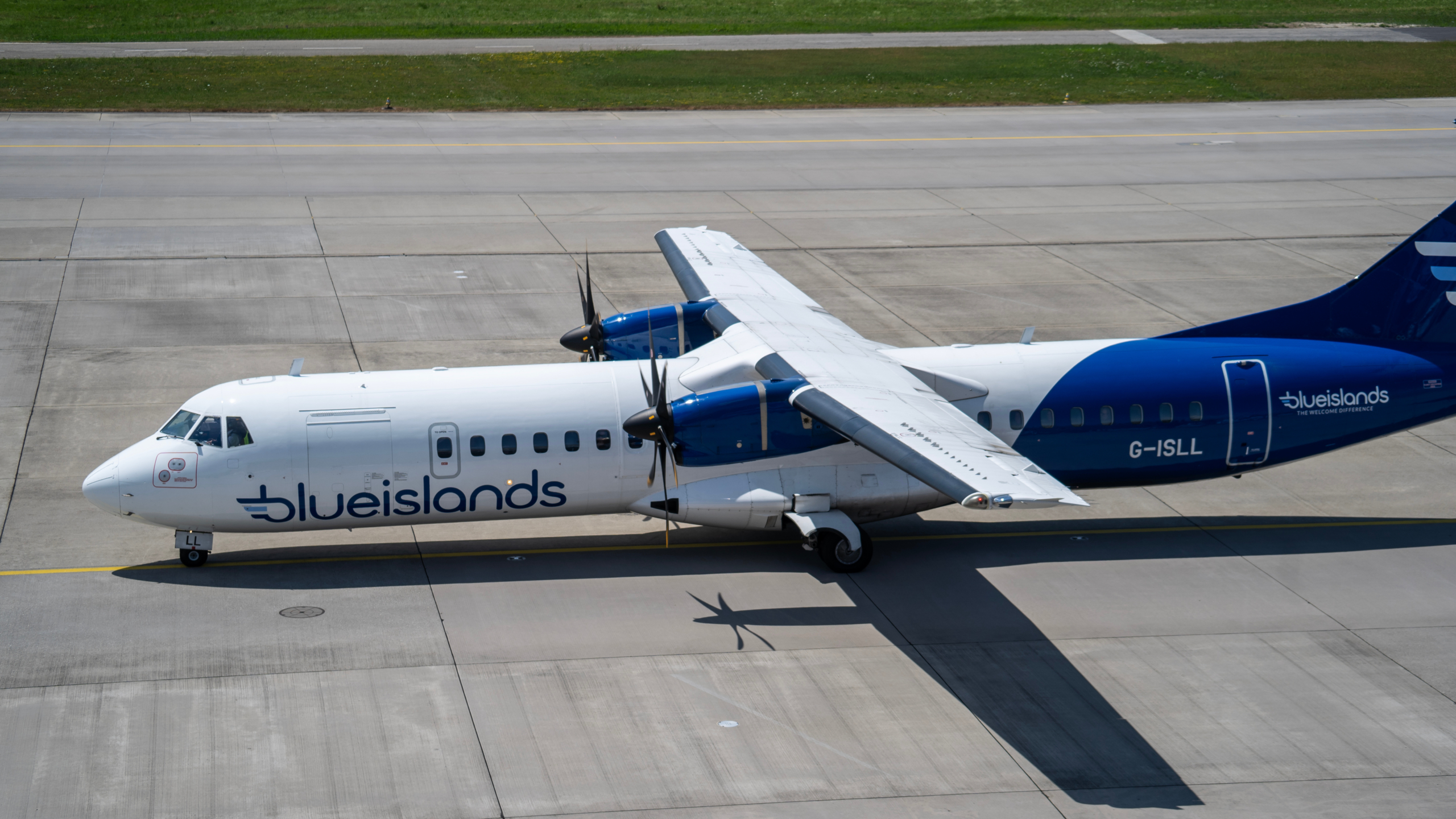
2025 was a challenging year when it came to airline bankruptcies. Some key regional European operators were lost, including Blue Islands and Eastern Airways in the United Kingdom.
According to Mark Dunnachie, a regional aviation executive, the bankruptcies point to broader challenges in this sector and are “warning signals” of further strains to come. He currently heads up Commercial at ACIA Aero Leasing, having previously worked as a senior executive for ATR and Embraer. He is also a member of the board at the European Regions Airline Association (ERA).
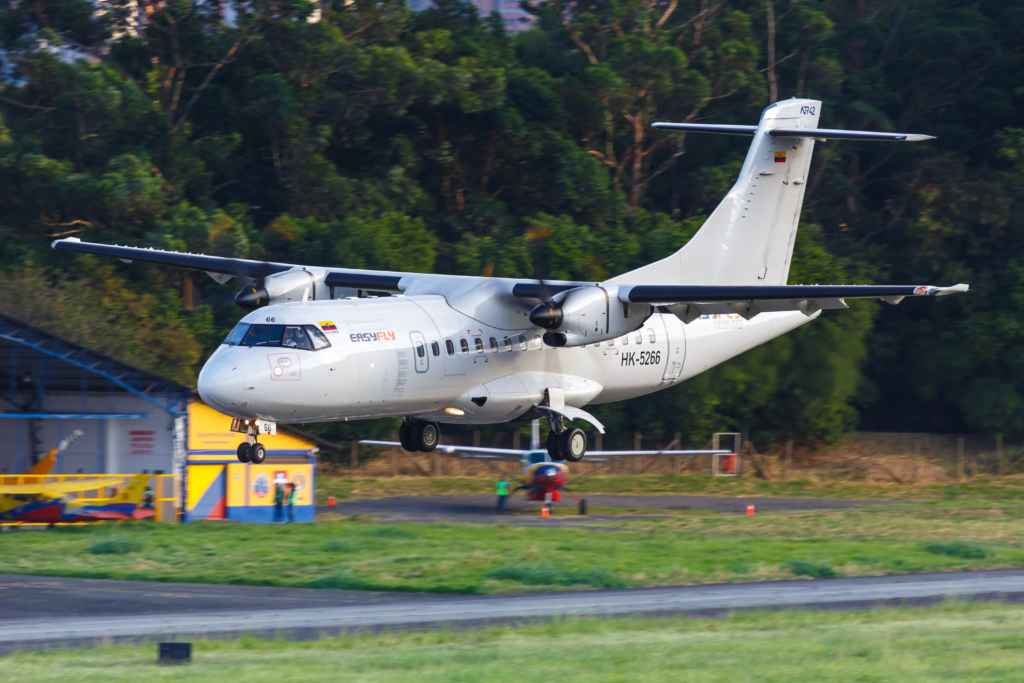
From regulations to aircraft demand, Dunnachie discusses the sector’s outlook in an interview with Aerospace Global News. He highlights some of the key challenges to come for European operators, namely:
- Rising costs: both from an overhaul perspective and in terms of payroll expenses as the pilot shortage continues
- Passenger legislation: particularly in the European Union where an intense regulatory environment puts regional operators at a disadvantage, he says.
- Sustainable Aviation Fuels: though innovative initiatives, the roll-out of SAF regulation can meet operational realities.
- Subsidies: regional operators are sometimes being attacked for their reliance on subsidies, but Dunnachie believes this financial aid is misunderstood by most since they often provide essential regional connectivity and are the go to’s for Government backed Public Service Obligation (PSO) routes.
Blue Islands & Eastern Airways suspend operations
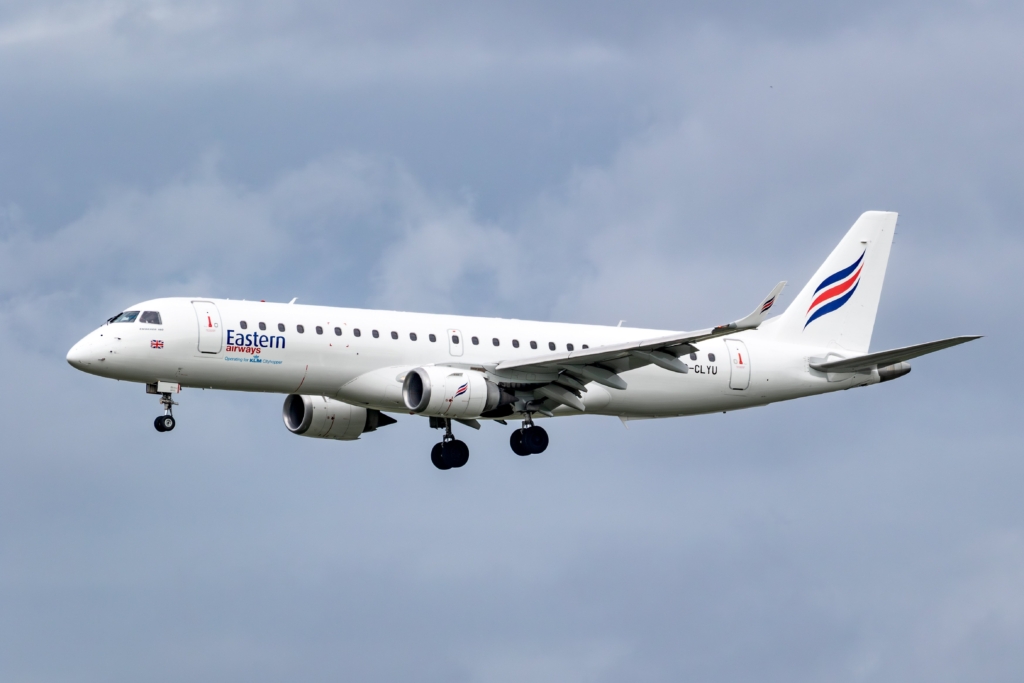
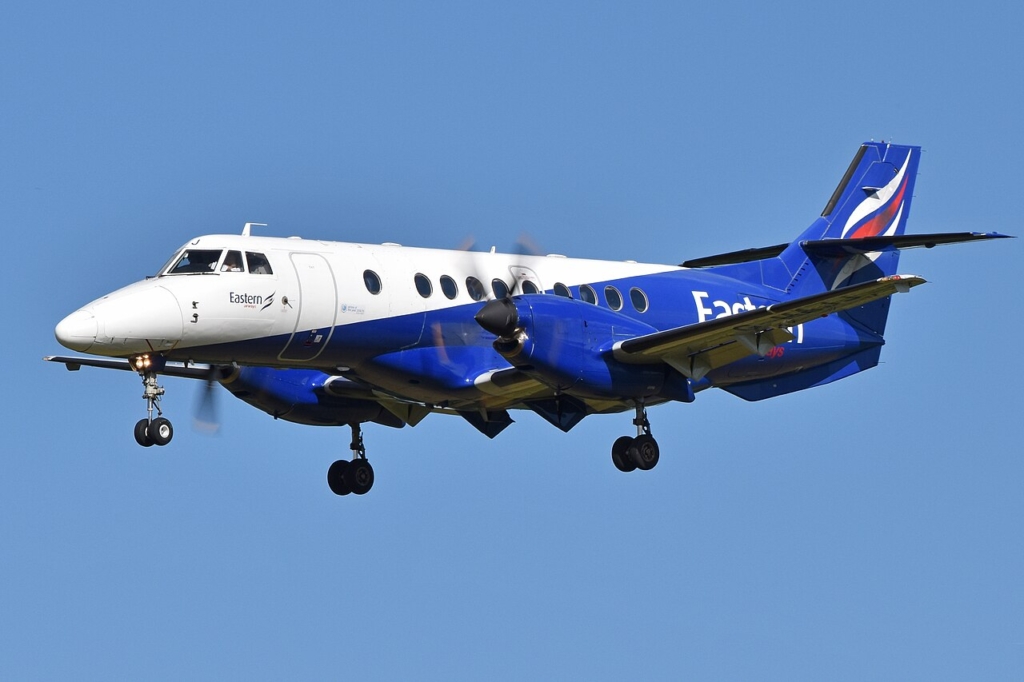
In October, Eastern Airways announced it would be suspending operations and left some routes in the UK without essential connectivity. It had 14 aircraft at the time of bankruptcy, comprising a handful of turboprops and six Embraer E-Jets. Heavy financial strain, furthered by sudden shocks including the termination of an ACMI contract with KLM (for whom it was dedicating some 70% of flying activity) , pushed them into administration.
Blue Islands suspended operations barely a month later, citing an inability to continue operations without government support. Inevitably, the company’s challenges are far ranging and point to the difficulties faced by regional operators in Europe. In the UK too, airlines have faced tougher operating challenges since Brexit, rendering them unable to sub contract in extra capacity from EU airlines/EASA pilots outside end of October to 1 March.

“I don’t think it’s a pattern yet but I think we need to be super careful because there’s some real issues coming down the track for regional aviation. I think it’s a very clear warning signal because you have to explore then why did these airlines fail,” Dunnachie says.
“And many of the issues they face, all their competitors and peers are facing the same thing the following morning.”
Regional operators grapple with rising costs
Dunnachie outlined some of the challenges that plague regional operators. The first is that of cost.
Regional carriers are often considered higher-risk given their lower margins compared with traditional airlines that look to longer-range flying providing much higher revenue.
As such, regional airlines need to pay close attention to cost. Unfortunately costs have “gone through the roof,” he says.
“[Lack of] availability of spare parts is well publicized. But what people forget is the inferred side of the supply chain problem. The more limited supply is, the higher the prices go up. So we’ve seen some part examples that pre-COVID would have been in the $80,000 cost range, today being over $400,000.”
Beyond parts, personnel costs are also rising. Dunnachie points to the pilot crisis which although “overtaken by other issues” in the industry, remains a key challenge. Yet again, a lack of supply has an impact on how high salaries are – or need to be, to attract much-needed talent.
Legislative challenges with passenger compensation rights
Dunnachie is very vocal about the impact of European Union legislation on the aviation industry. He believes regional operators are “absolutely”impacted more than others in certain areas, including EU261 – the law protecting air passenger rights in Europe.
All flights departing or arriving in a European Economic Area airport are subject to EU261, granting passengers compensation in case of heavy delays or cancellation. Recently, the European Parliament has been pushing for a reform of EU261, strengthening passenger compensation rules.
Several industry bodies alongside the ERA, including the International Air Transport Association and Airlines4Europe have warned that the plans on the table disregard “operational realities”.
“The proposed hardening of the 3 hour threshold triggering compensation will mean that it provides no incentive for an airline to continue looking for alternative solutions for its passengers, it will often just be easier to cancel the flight. The changes being tabled by the European Parliament do not take into consideration the reality of regional operations in Europe. The vast majority of regional airlines simply do not have spare capacity to call up and ensure a delayed or cancelled flight is restored. Passengers need to rightly be protected but the proposed changes to EU261 will have the opposite effect since it will put into question the entire viability of flying some of these essential regional routes. It’s going to probably double the cost to the passenger, from 5 to 10 euros,” Dunnachie says.
“The estimates are it’s going to take the industry costs in Europe from 8 billion euros to about 15 billion. And who’s going to pay for that? At the end of the day, the consumer.”
Sustainable Aviation Fuel and its limits
A key topic relating to the environmental impact of regional operators is the use of Sustainable Aviation Fuels (SAF). While Dunnachie supports the rollout of SAF across Europe, he believes it is not being done correctly.
“It’s almost like the politicians – whilst they have the goodwill to understand – they’re not looking at the full picture. The don’t have a grasp on the real problem.”
For regional operators, finding SAF at more remote airports in Europe is near-impossible. “At some of these regional airports, you’d struggle to get conventional fuel. So if you have a mandate that says you have to only carry enough fuel to get you there, you have to fuel to get back and the only supplier at the airport has a monopoly who set the prices so you’re being squeezed again.”
He continues: “Simply put, it’s saying, well, to get SAF out to every single corner of Europe for all these regional airports is going to be a logistical nightmare, nigh impossible, and it’s going to forfeit the purpose because to get it there, you have to transport it there.”
Dunnachie suggests: “Would it not be better to have a trading (book and claim) system that everyone plugs and plays into, whereby you can get the credits of SAF being produced in this location, but not necessarily loaded on the aircraft at point C in the middle of nowhere?”
Turboprop aircraft such as the ATR are able to fly with 100% SAF, he highlights. In June 2022, ATR partnered with Braathens Regional Airlines, Air bp and Neste to operate the first ever 100% SAF-operated test flight on a commercial aircraft. The solution is already out there but a viable logistical system is needed for distribution and a sensible price point.
Understanding subsidies for regional airlines
The lack of continued government financial support meant that Blue Islands was not able to continue operations. When asked about the topic of subsidies, Dunnachie noted that the subject is “very emotive.”
Rather than seeing subsidies as trying to help a business survive, he argues that they are often essential financing for operations on a route where there simply is not enough demand to make it profitable on a standalone basis, particularly when offset against the need to keep fares low. Many of the regional routes are often the only way to connect remote regions.
When Eastern failed the people of Caithness in the far north of Scotland did not have an air connection to the mainland for three months.
Dunnachie highlights that while trains can be a viable alternative at times, they do not compete with regional airlines. “It’s a different market,” he concludes. The economics of the two industries are vastly different.
“For a viable high speed train link, you need at least a million seats. If you take an ATR 72 flying 2,200 flights per year, you’re barely at 160,000 seats. And that’s three daily flights.”
The backlash against regional flying in favour of the train is therefore unjustified, Dunnachie believes. It has disincentivised operations on certain routes, leaving many that do not have train connections unserviced.
Demand for ATR aircraft and parts remains high despite recent failures
Drawing from his knowledge as Senior Vice President for Commercial at ACIA Aero Leasing, Dunnachie says that demand for the ATR remains strong.
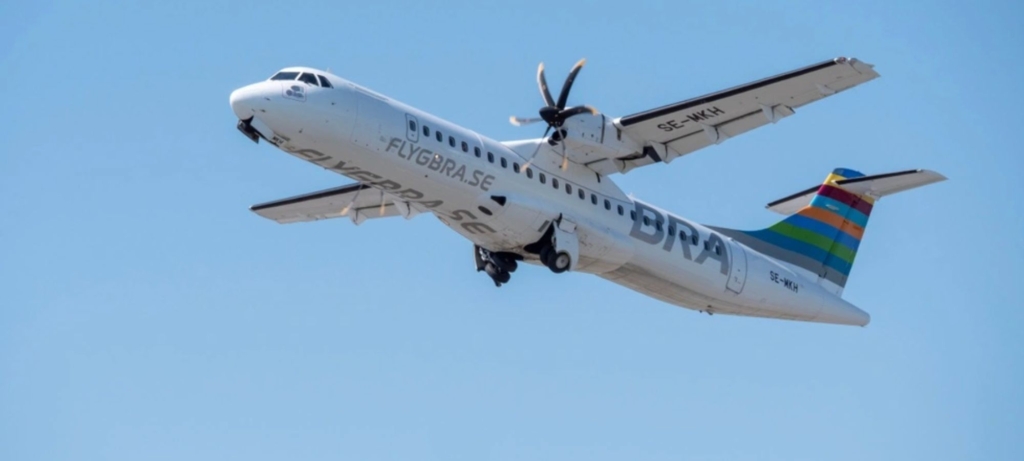
“We tend to find that for every available ATR we have, we have about three to four credible airline opportunities chasing it.” He specified that customers are located around the world and not concentrated in certain regions.
He remains confident that regional airlines retain a crucial role in Europe and globally. Far from competing against the likes of Ryanair or the high-speed train, regional operators are lauded for their niche in necessity flying.
Featured image: Matteo Ceruti | stock.adobe.com