Biman Bangladesh picks Boeing over Airbus for new aircraft: Here’s why

January 2, 2026
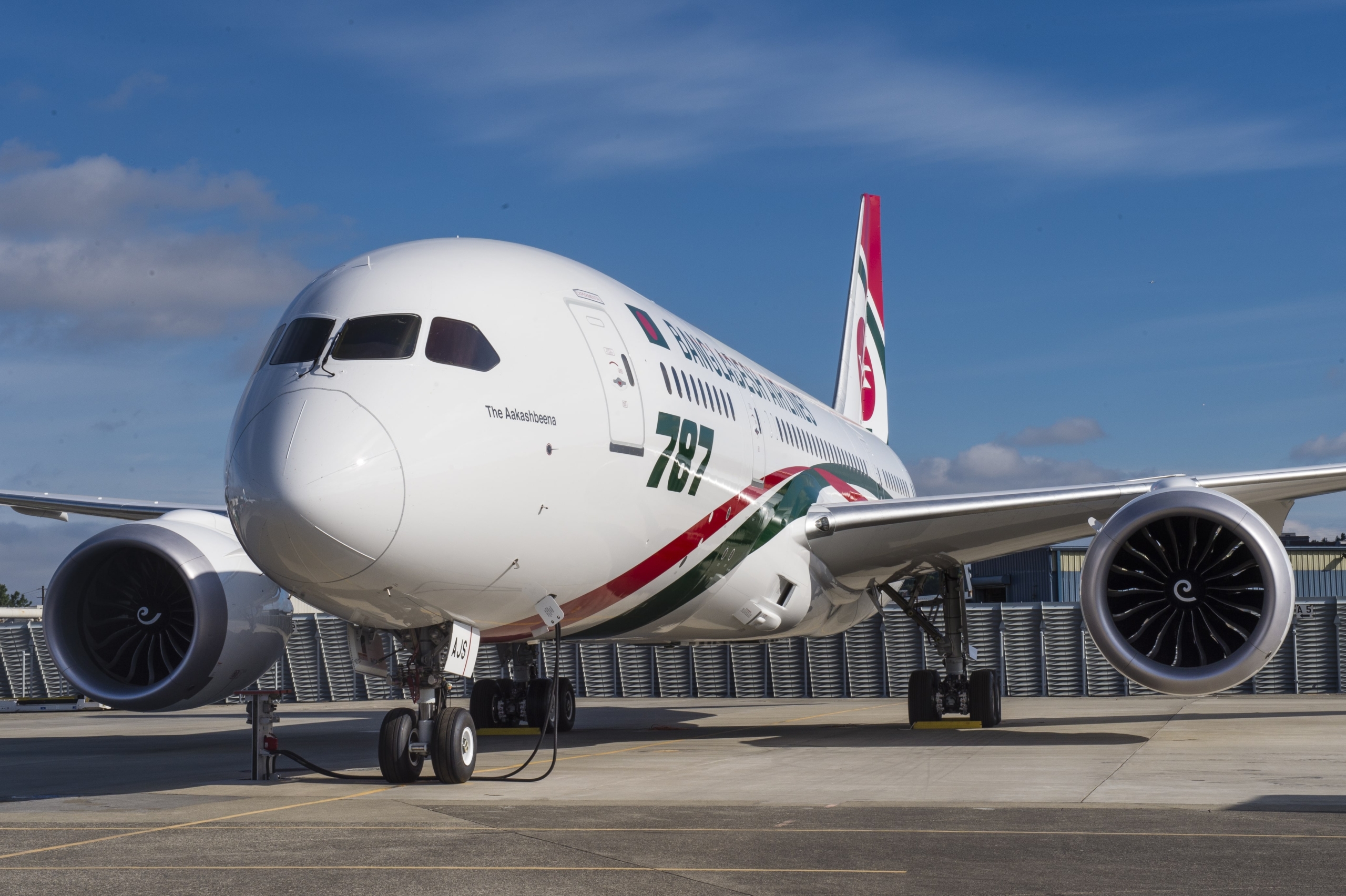
Biman Bangladesh Airlines has moved ahead with plans to acquire new Boeing aircraft, choosing the US manufacturer over long-time suitor Airbus in a fleet renewal decision shaped as much by geopolitics and fleet logic as by aircraft performance.
The airline’s board has given policy-level approval to pursue negotiations with Boeing for a package reported to include widebody 787 Dreamliners and narrowbody 737-8 MAX aircraft. While final pricing, financing and delivery schedules are still to be agreed, the decision effectively ends years of speculation over whether Airbus could break Boeing’s dominance at Bangladesh’s flag carrier.
Reports suggest a 14-aircraft package will be negotiated for the carrier, including four 737 MAX and ten 787s. While the 737s will be a direct replacement for the four 737-800s it currently flies, the Dreamliner additions will bring significant growth, and not just in fleet numbers.
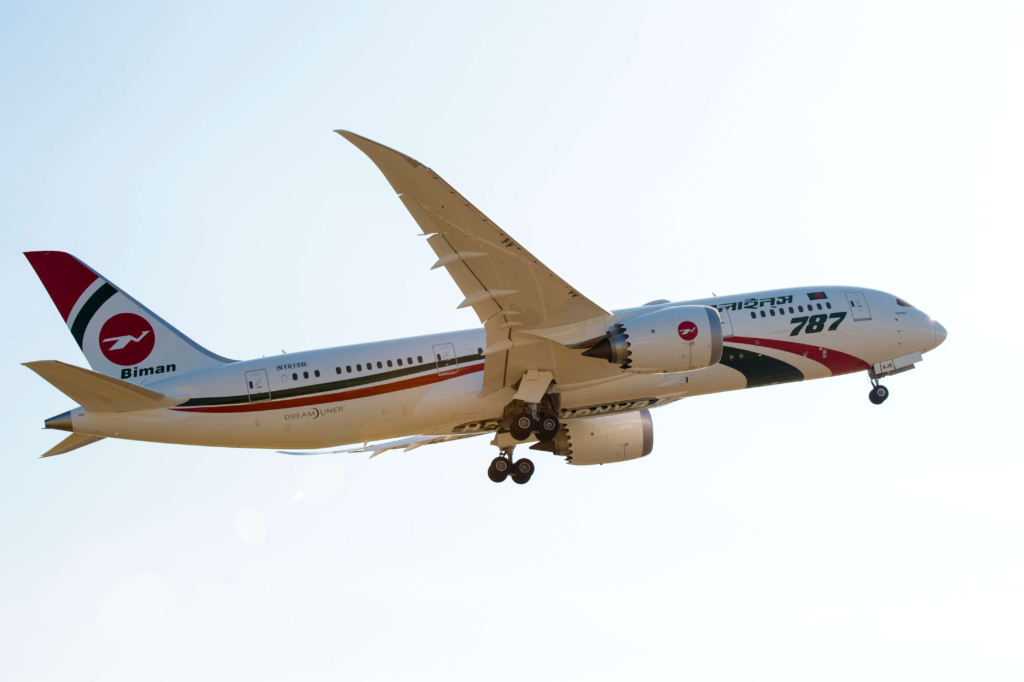
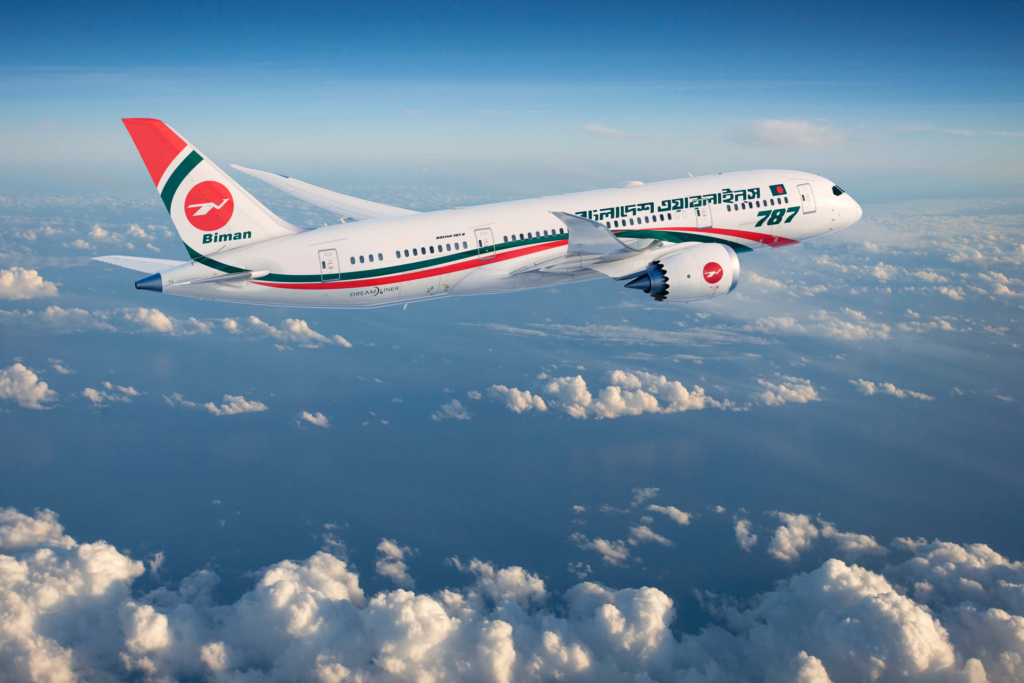
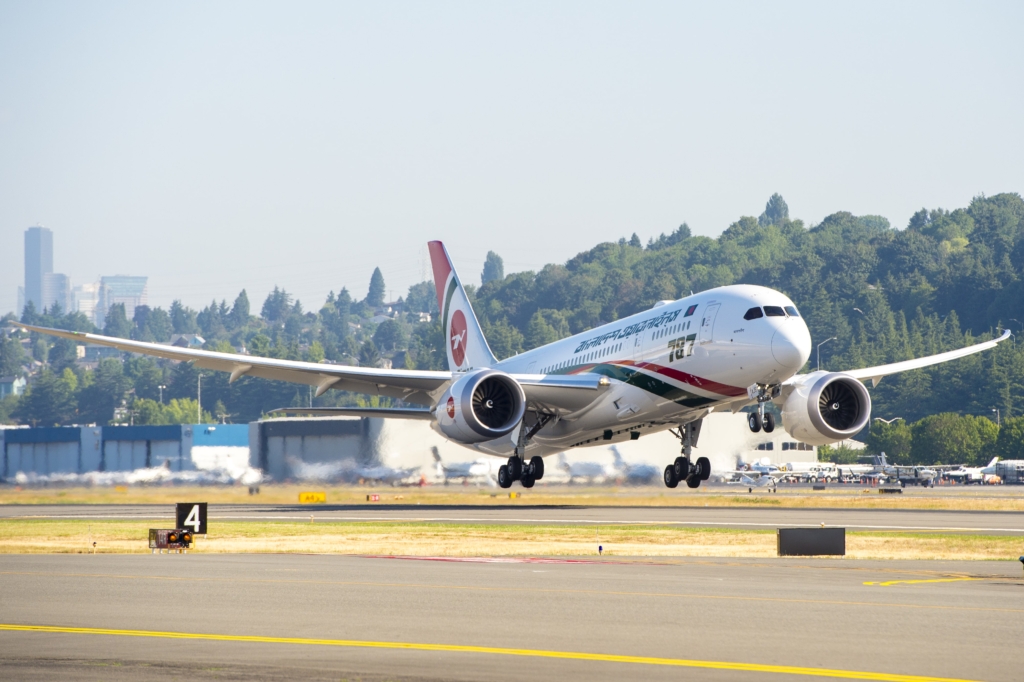
Biman flies the 787-8 and -9 currently, but is discussing adding eight of Boeing’s largest 787-10 as part of this order. These aircraft carry around 30 – 40 more passengers than Biman’s current 787-9.
Fleet commonality gives Boeing a clear advantage for Biman Bangladesh
At an operational level, Boeing was always the safer choice. Biman already operates a largely Boeing fleet, including 787s on long-haul services and 737s on regional routes. Staying with Boeing preserves commonality across pilot training, maintenance, spare parts and engineering support, reducing complexity and long-term operating costs.
Introducing Airbus aircraft would have required parallel training pipelines, new simulator capacity and additional MRO arrangements, a significant commitment for an airline that has spent the past decade stabilising its operations rather than aggressively expanding them.
For Biman, the proposed mix of additional Dreamliners and 737 MAX aircraft represents incremental growth built around aircraft types it already knows how to operate.
US trade and tariff considerations helped tip Biman towards Boeing
Beyond fleet logic, geopolitics appears to have played a meaningful role. Bangladesh has been seeking to ease trade friction with the United States, including concerns over potential tariffs on Bangladeshi exports. High-value aircraft purchases are a well-worn diplomatic lever in such negotiations, and a Boeing deal aligns neatly with broader US-Bangladesh trade discussions.
This context helps explain why the decision gained momentum at government level, rather than remaining solely an airline procurement exercise. In this case, aircraft ordering has served both commercial and diplomatic objectives.
Why Airbus was previously favoured in Biman’s fleet plans
The Boeing decision does not mean Airbus was never in the running. On the contrary, Airbus has spent years courting Bangladesh, at times appearing well-placed to secure a deal.
Previous Bangladeshi governments publicly expressed interest in Airbus widebodies, particularly the A350, and European leaders referenced potential Airbus sales during high-profile state visits. At various points, proposals involving around 10 Airbus aircraft were openly discussed, although none progressed to contract stage.
Those discussions underline that Biman’s Boeing choice is not a rejection of Airbus aircraft on technical grounds. Instead, it reflects a shift in priorities, from diversification and symbolic partnerships towards operational continuity and geopolitical alignment.
Why Airbus lost ground to Boeing in Biman’s latest aircraft decision
Timing mattered. As Biman’s fleet renewal moved from long-term aspiration to near-term decision, the advantages of commonality and speed outweighed the strategic appeal of introducing a new manufacturer.
In contrast, Boeing’s existing relationship with Biman, combined with the diplomatic backdrop, allowed the US manufacturer to present itself as the lower-risk, faster-moving option.
Biman’s decision should be seen as pragmatic rather than ideological. Airbus remains interested in the Bangladeshi market, and future fleet cycles, particularly if the airline grows beyond its current scale, could reopen the door to European aircraft.
For now, however, the combination of fleet commonality, trade considerations and execution risk has tipped the balance firmly in Boeing’s favour, even after years in which Airbus appeared closer than ever to breaking through.
Featured image: