Beehive’s 3D-printed Frenzy engine moves toward 2026 flights for emerging swarm-class UAVs

December 12, 2025
Additive manufacturing is beginning to reshape military propulsion, enabling engines to be designed, built and iterated in months rather than years. That speed now sits at the heart of the Pentagon’s push for rapidly produced powerplants for a new generation of uncrewed aircraft.
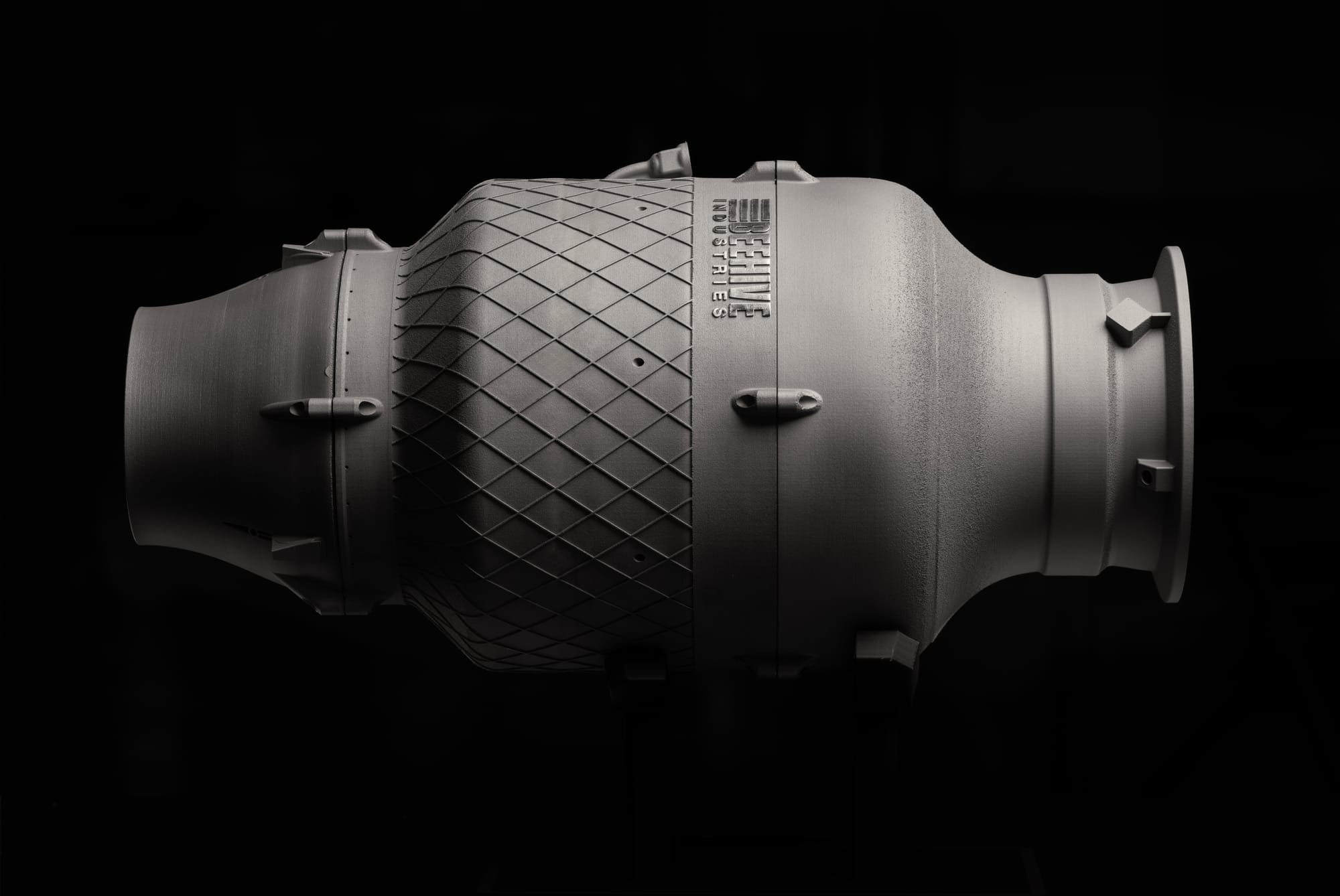
Against this backdrop, Beehive Industries has completed high-altitude testing of its 200-lb-thrust 3D printed Frenzy engine for the US Air Force. The milestone marks a major step toward flight trials in early 2026 and reinforces the momentum behind fast-iterating propulsion systems moving from concept to reality.
Frenzy belongs to a new class of small jet engines developed almost entirely through advanced digital design and additive manufacturing (3D printing), similar in philosophy to Beehive’s earlier Rampart engine.
This approach allows hardware to be built, modified and re-built far faster than traditional aerospace timelines, a key advantage as the Pentagon seeks rapid-production propulsion for uncrewed systems.
“This milestone (achieved at a government test facility in Ohio) confirms Frenzy’s readiness for flight integration,” said David Kimball, Chief Technology Officer at Beehive Industries.
“In less than a year, we have gone from concept to proven high-altitude performance, and we are doing it ahead of schedule because of the talented and determined team at Beehive. Frenzy is now flight-ready, and our production system is ready to scale alongside it.”
Rapid development cycle proves Beehive’s Frenzy UAV engine concept
The altitude campaign caps an exceptionally compressed development cycle.
Beehive completed ground tests on six engines in four months by September, then shipped two prototype units to Ohio in October for altitude trials.
Engineers assessed ignition behaviour, low-pressure stability, fuel burn and thermal performance.
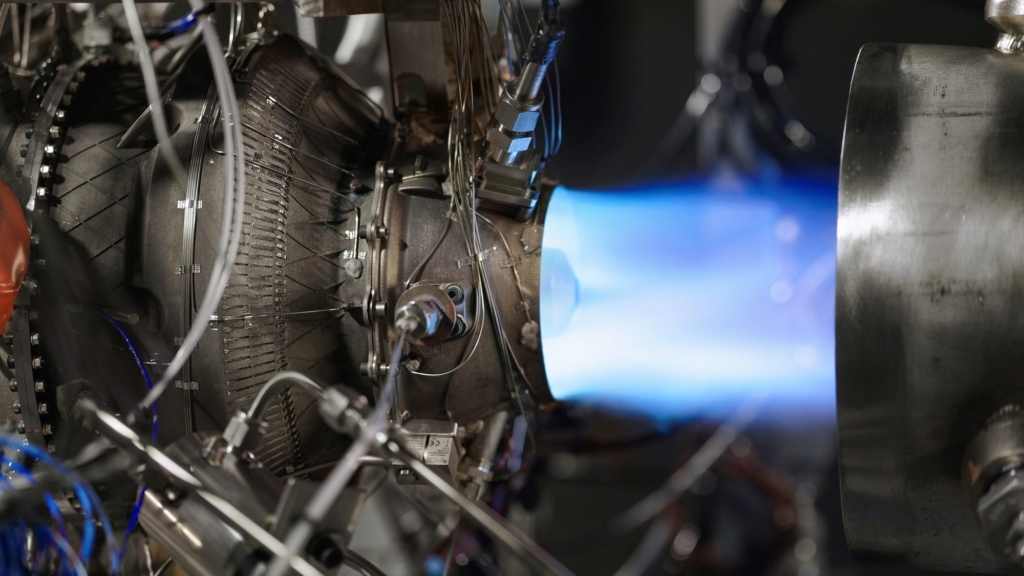
All metrics met or exceeded Air Force requirements. According to Beehive, the engines demonstrated:
• reliable ignition and operation across the flight envelope
• rapid acceleration from light-off to full power
• turbine temperatures and fuel consumption better than predicted
• hardware that remained in “like new” condition after mission-life equivalent runtime
These results matter because high-altitude conditions place unusual stress on small turbine engines. Stable ignition and smooth acceleration are key challenges, especially for powerplants intended for high-volume uncrewed systems where cost, reliability and repeatability matter as much as raw thrust.
Kimball said the results validated both the engine and the company’s wider development philosophy.
“This test campaign not only demonstrates the full potential of our engine, but also how we move with speed through a highly iterative, cross-functional development program,” he said. “We are not just accelerating development timelines, we are ensuring America’s warfighters have the technology they need, when they need it most.”
Additive manufacturing underpins Beehive’s propulsion strategy
Beehive’s development pipeline is anchored in an “additive-first” approach, in which engine components are printed, tested, refined and reprinted with minimal delay. That method is increasingly shaping the US defence sector, particularly for uncrewed systems that will require high production volumes and frequent design updates.
Earlier programmes such as Rampart, a fully 3D-printed turbine developed for the Air Force’s Collaborative Combat Aircraft ecosystem, showed that entire propulsion systems could be produced through additive techniques without compromising durability. Rampart, aimed at higher thrust classes, remains in development for engines up to 5,000 lbf.
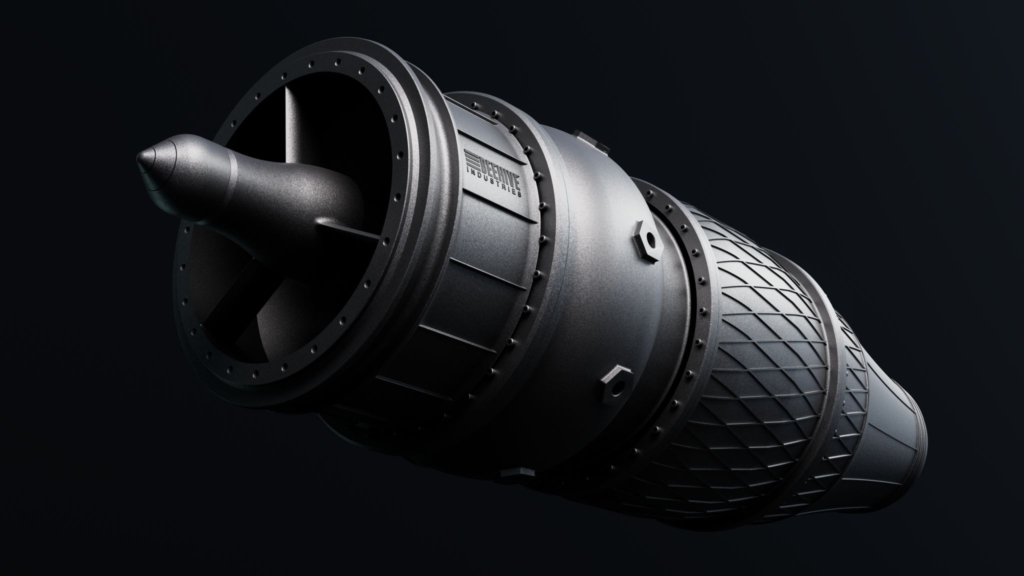
Frenzy is the second family to emerge from this design ethos. Its thrust ratings between 100 and 300 pounds make it suitable for a wide range of next-generation uncrewed systems, from expendable drones to recoverable platforms that require efficient, low-cost propulsion.
While Beehive is not the only company applying additive manufacturing to defence propulsion, it is regarded as one of the firms pushing the technology into operational engines rather than limited prototypes. Its emphasis on short development cycles and scalable production aligns closely with Air Force priorities for small, attritable systems.
Frenzy 3D printed engine moves toward 2026 flight tests
With altitude performance now validated, Frenzy moves into flight integration ahead of first flight in the first quarter of 2026. Beehive says its facilities in Denver, Cincinnati and Knoxville are preparing for low-rate initial production, with capacity expanding to meet what it describes as surging customer demand.
The programme has been supported by a 12.46 million dollar contract awarded in October 2024 through the Air Force Rapid Sustainment Office and the University of Dayton Research Institute. The Frenzy family was formally introduced in December 2024, with development progressing at an unusually fast pace since.
Beehive is also preparing a smaller 100-lb-thrust Frenzy variant, due to begin testing in 2026. The largest version will deliver up to 300 lb of thrust, with maximum diameters ranging from five to eight inches.
As Beehive broadens its propulsion portfolio, the US defence aviation ecosystem is simultaneously shifting toward high-volume uncrewed systems. Companies such as Firestorm Labs, which recently secured a five-year, $100 million contract for modular drones, are also building their architectures around additive manufacturing to enable rapid production close to the battlefield.
Beehive positions itself as a next-generation defence propulsion supplier
Beehive describes itself not only as an engine manufacturer but as a company reshaping how defence propulsion is produced. Additive manufacturing, rapid prototyping and digital development cycles have become central to the Pentagon’s plans for large numbers of uncrewed aircraft.
By positioning Frenzy as a flight-ready, scalable engine family that can be produced in months rather than years, Beehive is placing itself at the core of that strategy. For now, the focus is on clearing the final milestones before Frenzy takes to the air.
“We are charting a disruptive path for next-generation propulsion,” Kimball said. “Each milestone strengthens our confidence, and we are only getting started.”