RAF Spitfire AB910 returns to skies while BBMF Lancaster begins major check

February 24, 2026
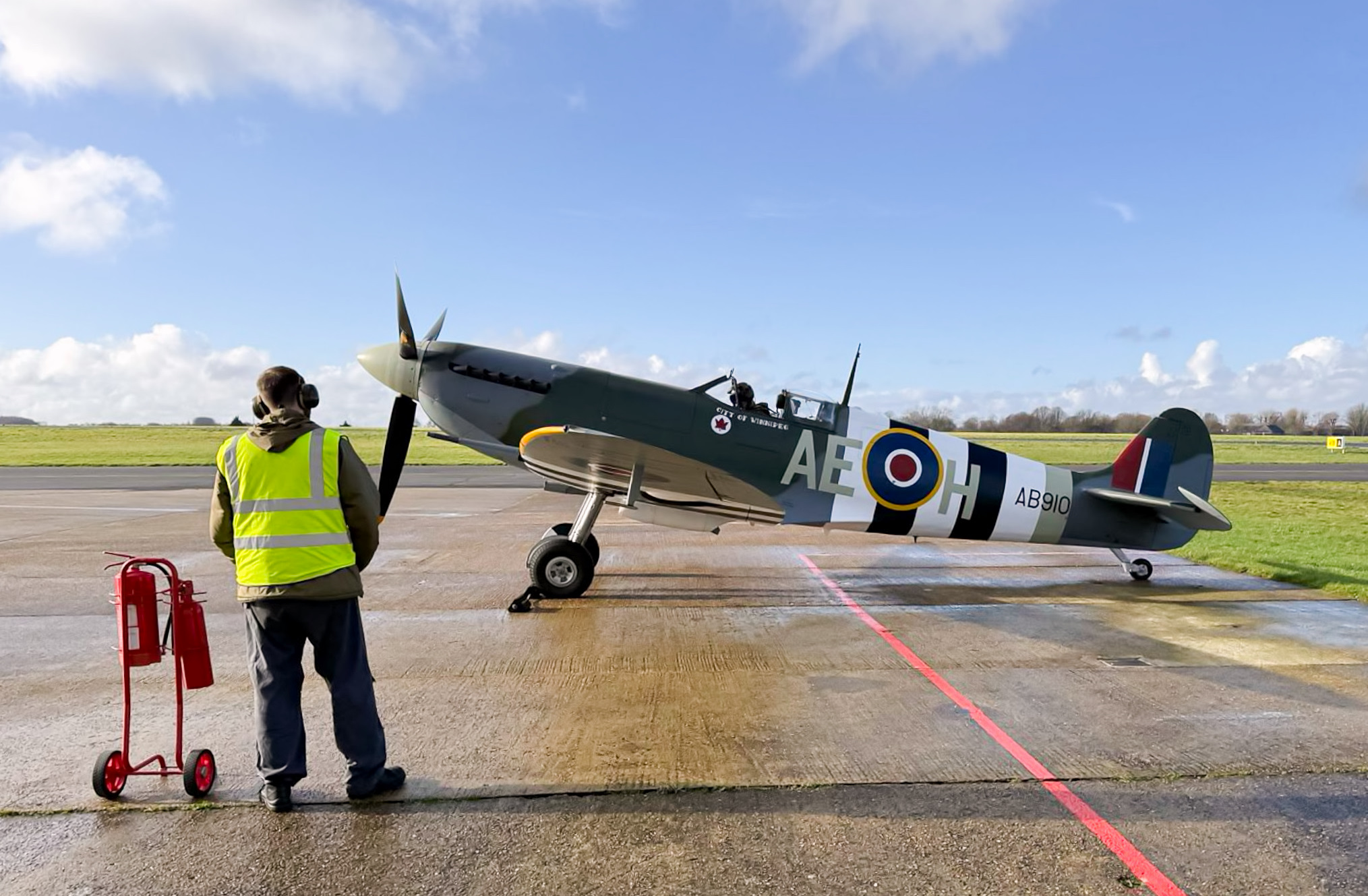
Two classic warbirds owned and operated by the Royal Air Force (RAF) have been undergoing major maintenance over the northern winter months.
With one now ready to fly, while the other remains in the middle of a heavy maintenance check, the Battle of Britain Memorial Flight (BBMF) is hoping that its fleet of vintage aircraft will continue to turn heads and capture imaginations at air shows for many years to come.
RAF BBMF Spitfire AB910 and Lancaster PA474 undergo winter maintenance
On 23 February, the RAF’s Battle of Britain Memorial Flight (BBMF) provided an update on how its winter maintenance schedules were coming along.
This involves heavy maintenance checks on two of its aircraft – a Supermarine Spitfire Mk 5b and its four-engined Avro Lancaster bomber. The Lancaster is just one of two Lancasters that remain airworthy out of around 7,300 that were built during the Second World War.
The Spitfire, which is an early Mk 5 variant and carries tail number AB910, has been undergoing a full winter maintenance check with The Spitfire Company at Biggin Hill Airport (BQH) in Kent, UK (itself a former Spitfire base during the War).
The aircraft has been undergoing an extended ‘Major’ maintenance programme with the renowned Spitfire Restoration Company for over two years to keep it airworthy for many years to come.
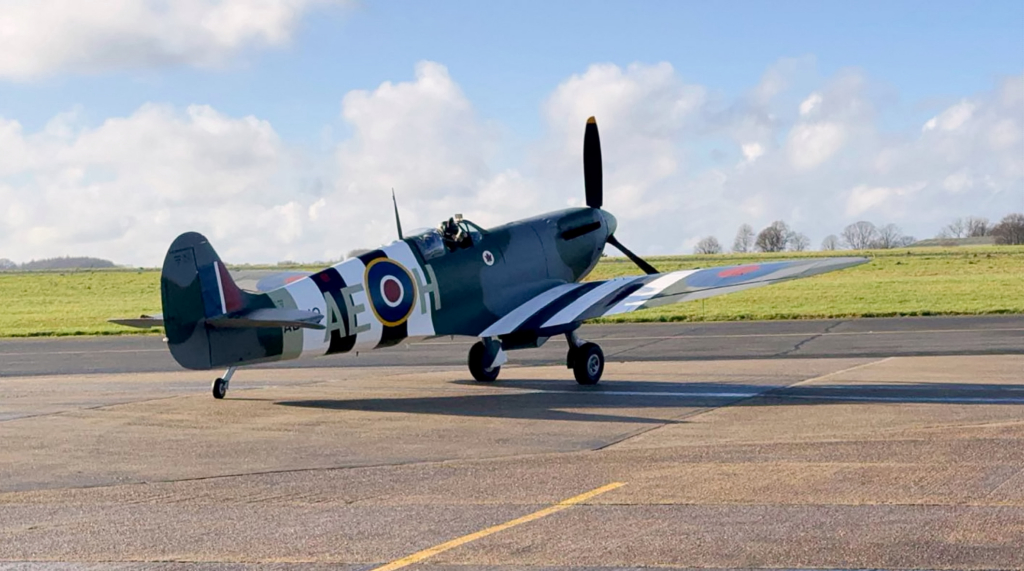
According to the RAF, some unexpected delays meant that the 84-year-old Spitfire has been away and out of the skies for considerably longer than originally expected. “An enormous amount of work has been carried out to keep this special Spitfire, with its amazing pedigree, flying into the future,” added the RAF statement.
“We are delighted to be able to report that on 28 January, AB910 flew again for the first time since October 2023 and, in the capable hands of BBMF Fighter Leader Squadron Leader Andy Preece MBE, completed its post-major maintenance air test.”
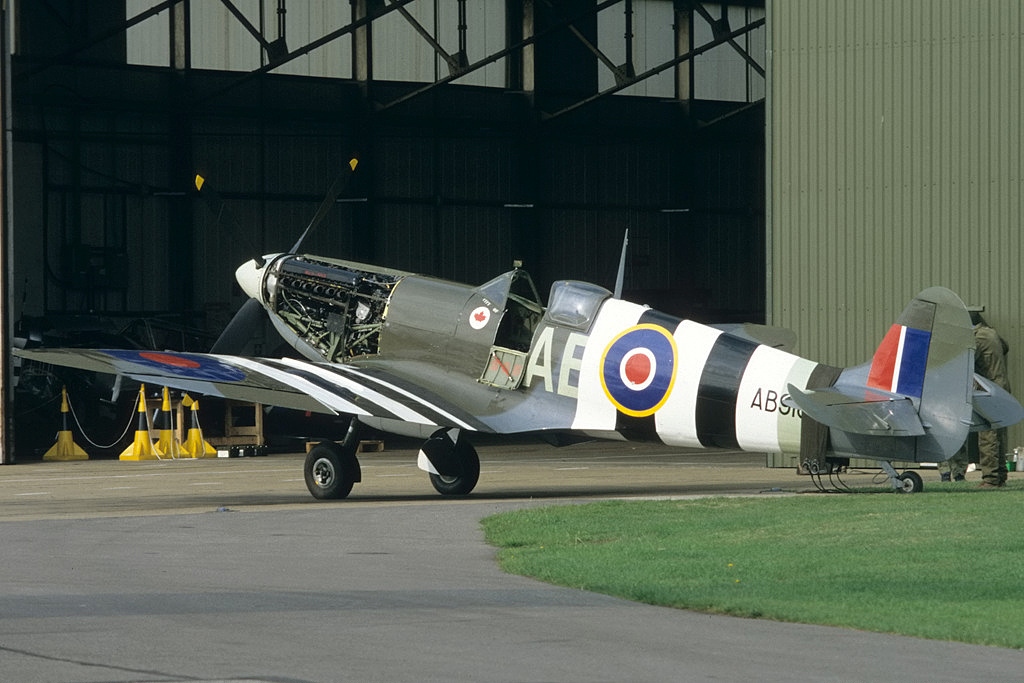
Mike Freer / Wikimedia Commons
“Landing back at Biggin Hill after the flight, there were a couple of issues requiring further work, and since then, up to the point of writing, the weather has not been fit to fly the Spitfire back to Coningsby.
However, when the weather does permit, she will be back and is looking superb in her new markings, which are those she actually wore on D-Day in 1944 while serving with 402 (City of Winnipeg) Squadron RCAF.”
The remarkable history of Spitfire AB910
Given its age, AB910 has had a remarkable career during its 84 years of flying. The aircraft was built in July 1941 by Supermarine at its Castle Bromwich factory near Birmingham, UK.
The following month, it joined 222 Squadron, a WWII fighter Unit, at RAF North Weald in Essex to the northeast of London. By October 1941, the aircraft had flown 12 combat missions but had sustained damage in combat.
Upon repair, AB910 flew for 133 Squadron, operating 29 missions, including four aerial battles in the Dieppe Raid, and was later based at RAF Biggin Hill. In September 1942, the aircraft was deployed to Scotland, where it flew defensive coastal patrols from RAF Turnhouse.
July 1943 saw it return to England, however, operating for 416 Squadron of the Royal Canadian Air Force (RCAF) from RAF Tangmere on the south coast.
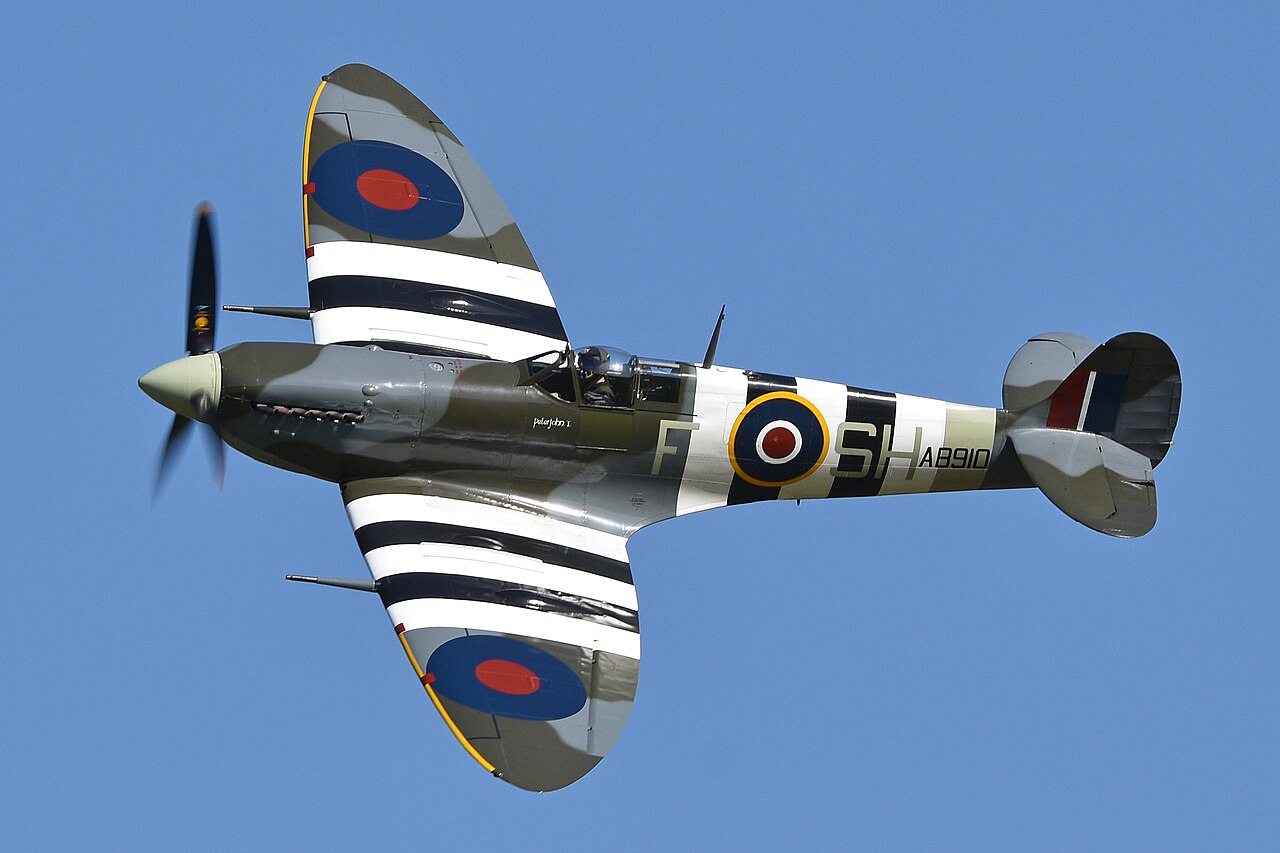
In January 1944, the plane flew with 402 Squadron (RCAF) from RAF Digby, covering patrols over the Normandy beachheads on D-Day. Later that year, it joined the RAF’s Operational Training Unit number 53 at RAF Hibaldstow. As the war ended in May 1945, it joined the RAF’s 527 Squadron (Radar Calibration Unit) based at RAF Digby, until its service life came to an end in 1946.
From 1946 until 1955, AB910 assumed the civil registration of G-AISU and was privately owned by Group Captain Allan Wheeler to act as a private aircraft and an air racer.
In 1955, the aircraft, having sustained further damage, became the property of the Vickers-Armstrong aerospace company, which later sold it to the RAF to become part of the BBMF in 1965. 2026 will mark 61 years of service with the organisation.
Spitfire AB910 returns to RAF Coningsby ahead of 2026 season
According to data from Flightradar24, AB910 did in fact make a successful ferry flight from Biggin Hill back to the home base of the BBMF at RAF Coningsby in Lincolnshire on 14 February – a ferry flight that lasted just 46 minutes.
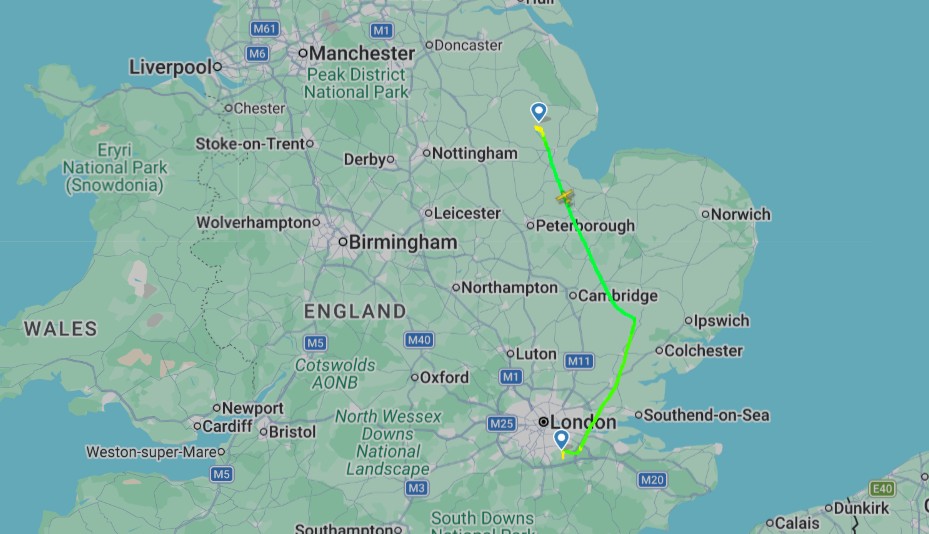
The aircraft will now be hangared until preparation work begins for the 2026 air show season, along with the rest of the BBMF fleet, which includes four other Spitfires, two Hawker Hurricanes, A Douglas C-47 Dakota and a single Avro Lancaster (see below).
At the time of writing, the BBMF’s first engagement for 2026 is the Midlands Air Festival on 30 May, according to the team’s website.
Avro Lancaster PA474 begins major overhaul at Duxford
The BBMF’s Lancaster PA474 ‘City of Lincoln’ arrived with the Aircraft Restoration Company (ARCo) at Duxford on 31 October 2025. BBMF technicians then carried out engine ground runs and inhibited the engines, after which the aircraft was defueled, and the oil and coolant tanks and radiators were drained.
The Lancaster was then weighed before ARCo began the aircraft’s extensive Major maintenance programme.
One of the first tasks was to remove all three of the gun turrets for checks of any corrosion affecting the turret rings or other hidden areas. No issues were found. All four Merlin engines and their associated radiators and oil coolers were then removed for inspection.
With the engines removed, the Lancaster will remain at Duxford for around 12 months as it undergoes a nose-to-tail inspection and overhaul.
The rudders, fins and tail planes have now all been removed along with the tail wheel leg, with the fuselage jacked in preparation for splitting the fuselage at the transport joint behind the mid-upper turret. Many of the Lancaster’s access panels were also removed, cleaned and inspected to assess whether any repairs are required.
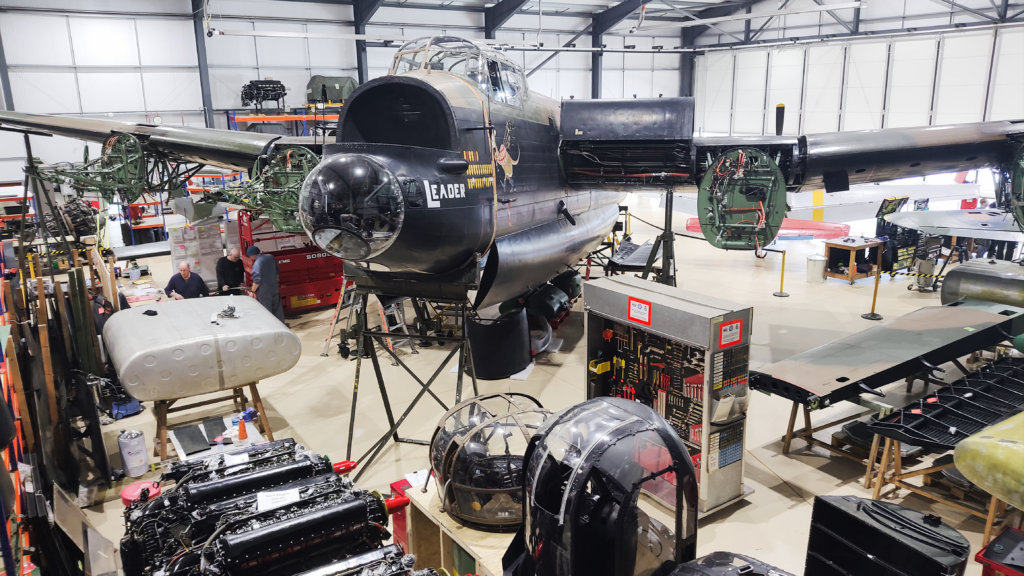
As of a BBMF update issued on 24 February 2026, the majority of the Structurally Significant Item (SSI) inspections of the check had been completed. As the Major programme also includes significant amounts of non-destructive testing (NDT), this is now underway and will last for approximately six weeks.
In the meantime, all six fuel tanks have been removed from the wings of the Lancaster, and the tank outer coverings stripped off. Specialist engineers have visited Duxford to check the configuration of PA474’s fuel tanks against the drawings, an essential precursor to starting the manufacture of six new fuel tanks for the aircraft.
Meanwhile, the radiators and coolant tanks have been removed and sent to a specialist contractor for overhaul.
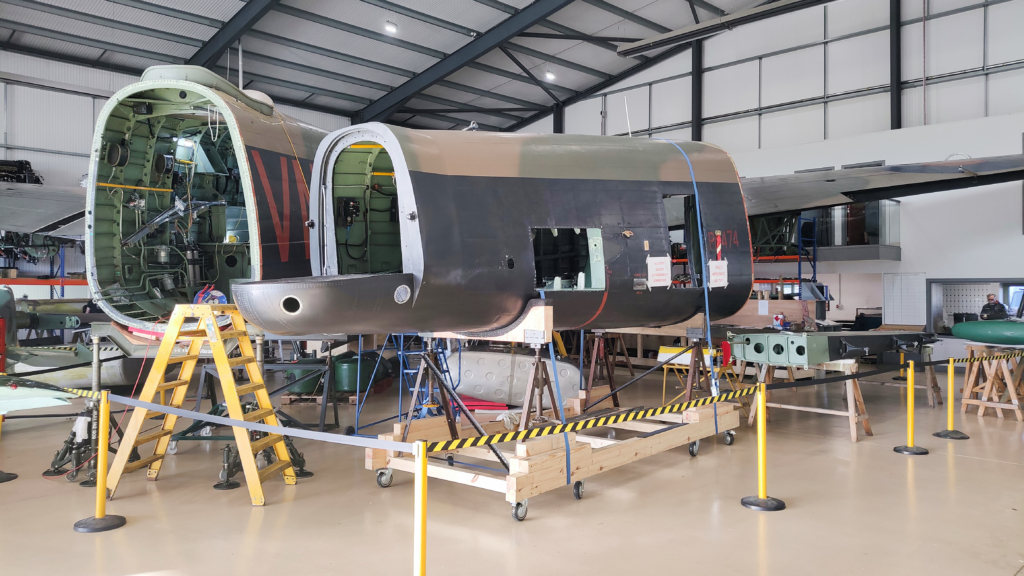
Elsewhere, the landing gears have all been inspected and were found to have issues. These have therefore been earmarked for further attention before they can be refitted to the aircraft.
Electrical, avionic and instrument items sent to a company which specialises in avionic and mechanical component repair, maintenance and inventory support.
RAF Lancaster PA474 remains one of only two flying worldwide
To the casual observer, PA474 may currently resemble a model of a Lancaster bomber, with various sections and components spread around the ARCo hangar at Duxford. But with around ten months left of its major overhaul, repair and restoration, this work is pivotal to keep the aircraft in the air for many years to come.
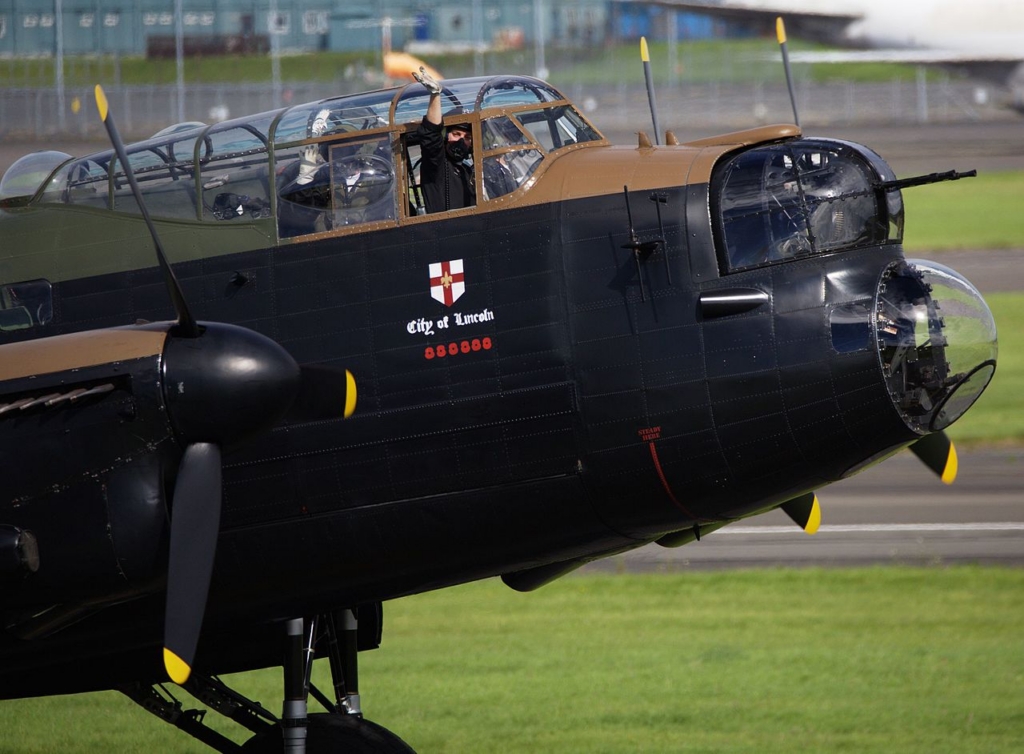
As one of only two left flying worldwide (the other resides in Canada), the impressive legacy of the Lancaster bomber and its vital role during the War must be preserved for generations to come.
Featured image: BBMF