Inside the AAPA assembly: What Asia Pacific airline CEOs are losing sleep over

December 21, 2025
Airlines across Asia Pacific are enjoying a strong rebound in passenger demand, but beneath the headline growth, chief executives are grappling with persistent supply chain disruptions, geopolitical instability, and outdated air traffic management systems.
In November, the Association of Asia Pacific Airlines (AAPA) held its 69th Assembly of Presidents in Bangkok, bringing together airline CEOs and senior leaders from across the region. The event, hosted by Bangkok Airways, was supported by major aircraft and engine OEMs, aviation experts, and international media, including Aerospace Global News.
Nearly 200 delegates attended, representing carriers including Air Astana, Air India, Air New Zealand, ANA, Cathay Pacific, China Airlines, EVA Airways, Garuda Indonesia, Japan Airlines, Lion Group, Malaysia Airlines, Philippine Airlines, Qantas, Royal Brunei, Singapore Airlines, Thai Airways, and Vietnam Airlines.
Strong passenger growth masks mounting operational pressures
With global passenger numbers now exceeding pre-pandemic levels, it would be easy to assume commercial aviation is firmly back on track. Conversations with Asia Pacific airline leaders, however, paint a more complex picture.
Across the region, airlines are struggling with delayed aircraft deliveries, engines stuck off-wing, shortages in maintenance and repair capacity, constrained spare parts availability, and difficulties sourcing trained personnel. These challenges are limiting growth just as demand accelerates.
Supply chain disruption, tariffs, and airspace closures compound costs
Opening the assembly, AAPA Director General Subhas Menon warned that fragile supply chain recovery is now being undermined by rising tariffs, driving up supplier costs while simultaneously dampening demand through inflation.
He added that regulatory burdens and military conflicts are further inflating operating costs. At various points over the past year, airspace across more than 14 countries has been closed, forcing longer routings, delays, and cancellations.
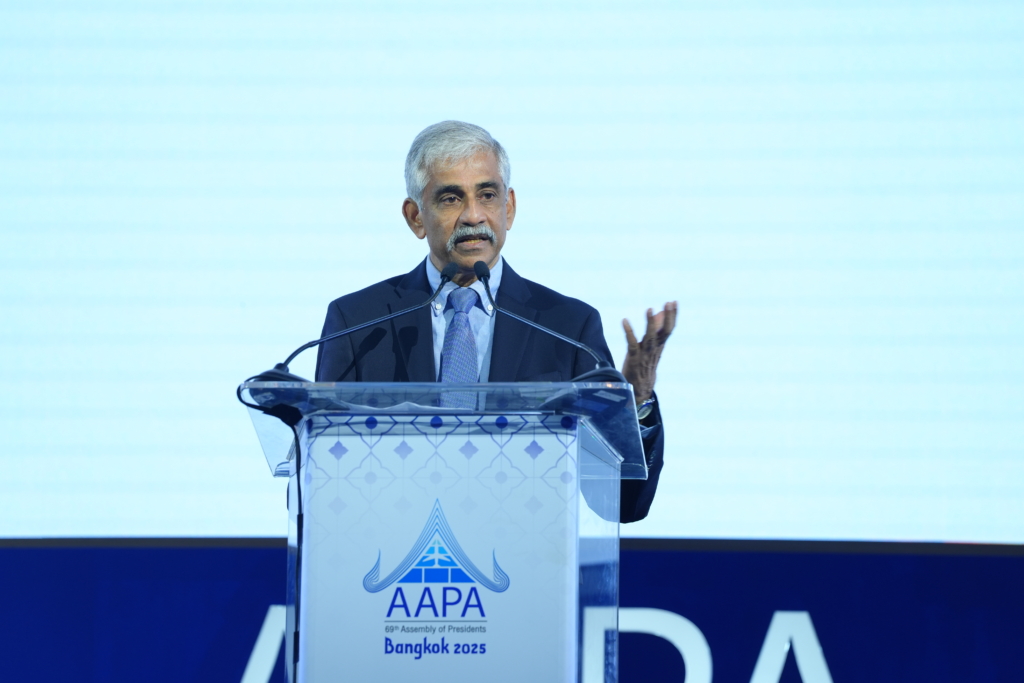
“It is an inefficient operating environment,” Menon said, warning of the risks posed by civil aircraft operating near active conflict zones, including spoofing of air navigation systems and the threat of aircraft being caught in military crossfire.
SAF ambitions clash with limited supply and high costs
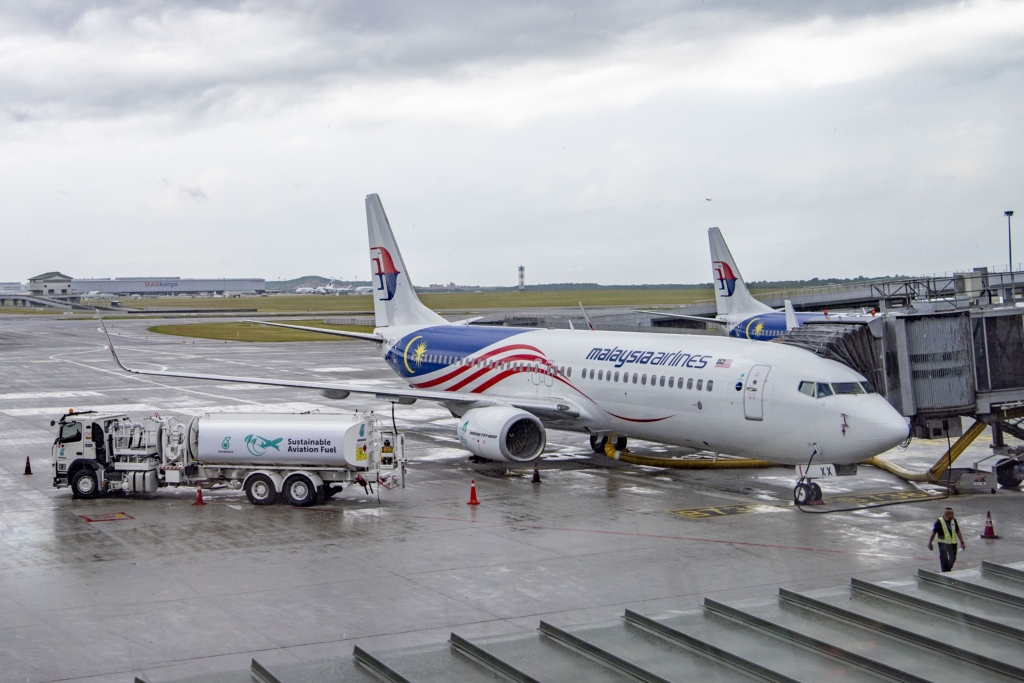
Sustainability featured prominently on the agenda. AAPA airlines have committed to a collective target of 5% sustainable aviation fuel (SAF) utilisation by 2030, but concern is growing over the slow pace of supply development.
“Aviation is a hard-to-abate sector for carbon emissions, yet we are asked to rely mostly on a hard-to-get commodity called SAF,” Menon told delegates, arguing that fuel suppliers must shoulder greater responsibility for delivering SAF at scale and at competitive prices.
IATA highlights Asia Pacific growth and air traffic management risks
IATA data presented at the assembly underlined Asia Pacific’s role as the fastest-growing aviation market globally. October passenger demand grew 8.1% year-on-year in the region, compared with 2.5% in North America and 6.7% in Europe, with international traffic to and from China, Japan, and Vietnam all posting double-digit growth.

IATA Director General Willie Walsh described the region as “the largest market in the world,” accounting for around 35% of global commercial traffic. However, he warned that airline expansion and airport investment risk being constrained by outdated air traffic management systems.
Walsh also addressed safety concerns, including lithium-ion battery risks and passenger behaviour during evacuations, noting an increase in incidents involving travellers attempting to retrieve cabin baggage.
Resolutions focus on safety, sustainability, and supply chain resilience
The assembly concluded with the adoption of four resolutions covering aviation sustainability, safety, taxes and charges, and supply chain strengthening. Looking ahead, AAPA signalled a clear focus on collaboration with regulators and suppliers to improve resilience and maintain connectivity across the region.