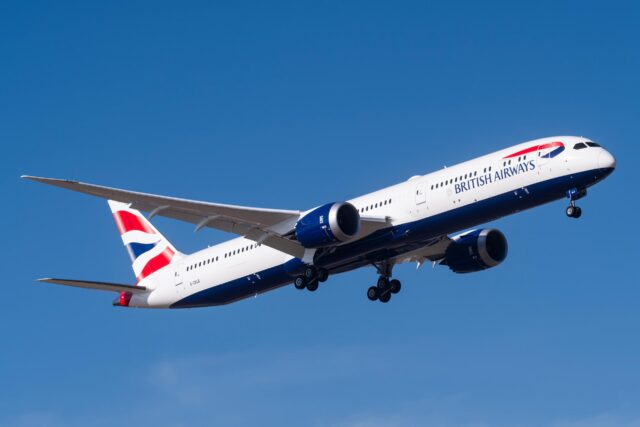
Amsterdam Schiphol Airport set for F-35 fighter jets to operate alongside passenger airliners in rare exercise

January 20, 2026
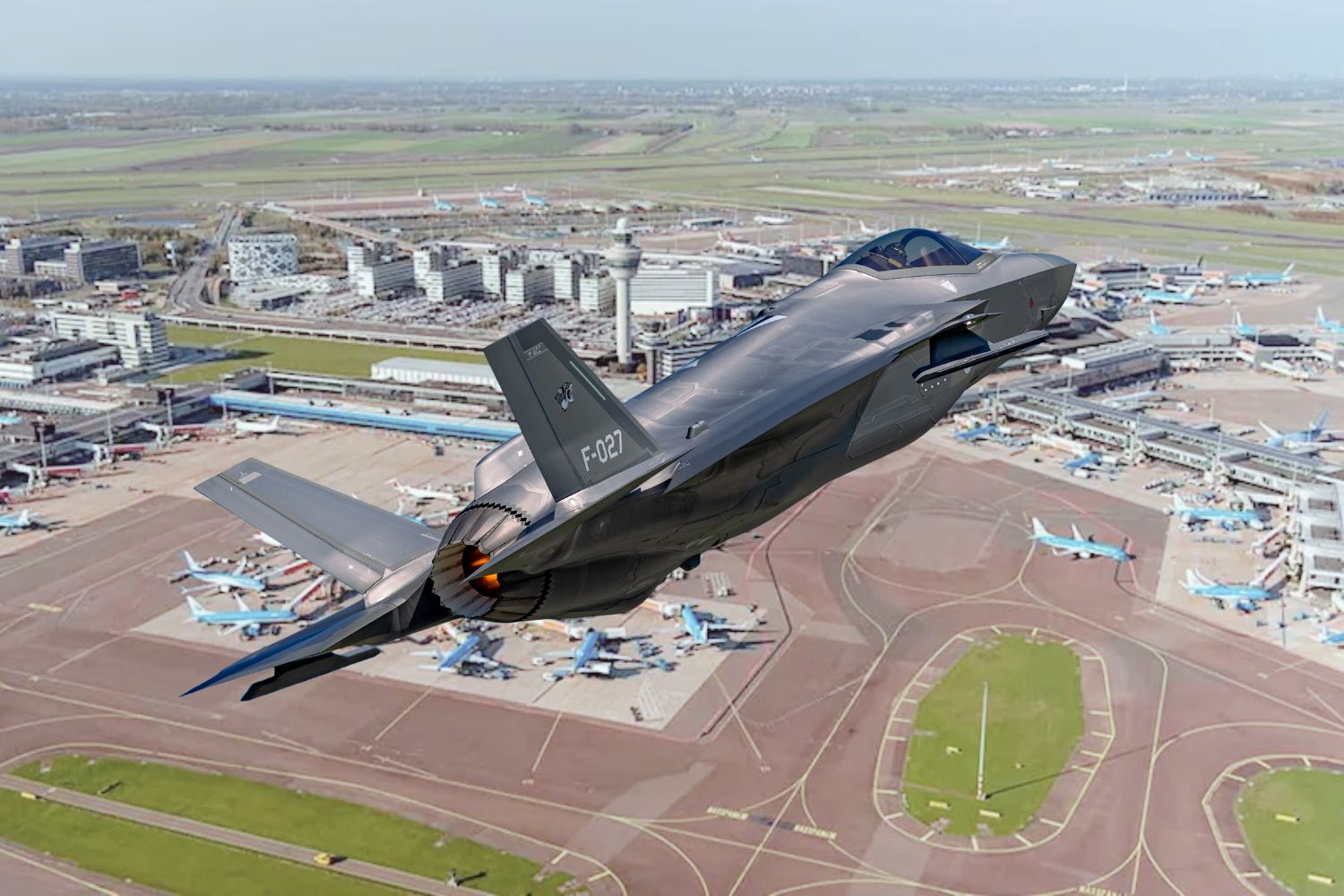
For two days in late January, the sightlines at Amsterdam’s Schiphol Airport will briefly blur the familiar boundary between civil aviation and military air power.
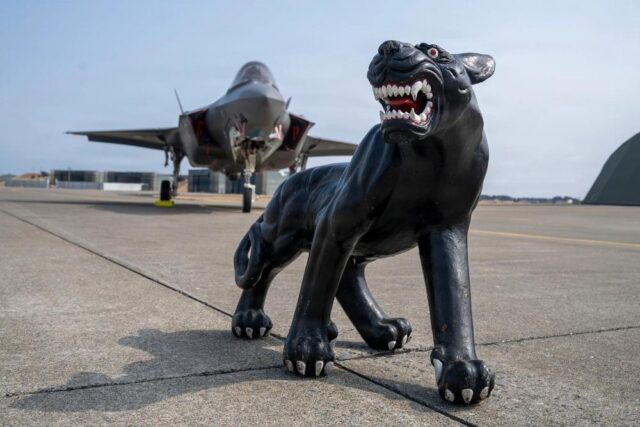
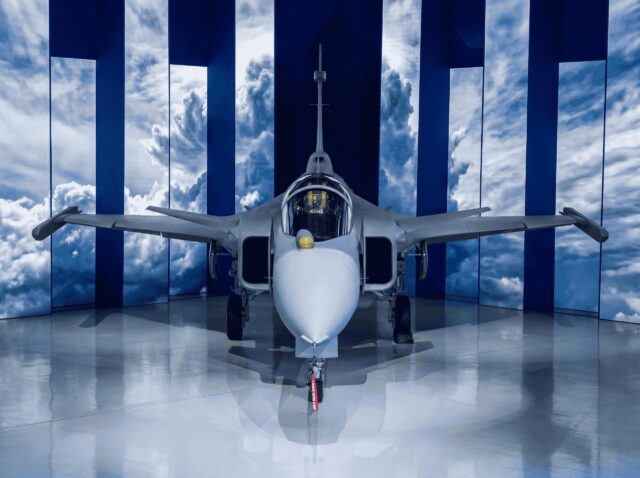
Amid the steady rhythm of widebody airliners and short-haul traffic, four Dutch F-35 fighter jets and a military transport aircraft will arrive, depart and manoeuvre as part of a carefully planned training exercise by the Royal Netherlands Air and Space Force.
Scheduled for Tuesday 27 and Wednesday 28 January, the exercise is not about spectacle, officials stress, nor does it signal any permanent military presence at one of Europe’s busiest airports. Instead, it is a deliberate test of resilience, rehearsing how national defence operations could continue if circumstances ever forced military aircraft to operate from civilian infrastructure.
“This is not the first time such training has taken place, but it is also not something that happens on a daily basis,” Liselotte Brand, Communications Advisor to the Royal Netherlands Air and Space Force, told AGN in an exclusive interview.
“We regularly train under a wide range of conditions to remain operationally ready. Training from civilian infrastructure fits within the Agile Combat Employment concept, which focuses on flexible operations from multiple locations, in addition to regular military air bases.”
Why Schiphol matters for Dutch F-35 operations in a crisis
Schiphol has connected the Netherlands to the world for more than a century. In 2025 alone, the airport directly linked the country to 301 destinations, including 125 intercontinental routes.
According to the ACI Airport Industry Connectivity Report 2025, Schiphol ranks second in Europe for direct connectivity, third for hub connectivity and fifth globally.
That level of connectivity also gives Schiphol strategic significance. With 68.8 million travellers passing through the airport in 2025, 43.6 million starting or ending their journey there, and another 25.2 million transferring, Schiphol is not just a transport hub but a piece of national infrastructure that must remain functional under all circumstances.
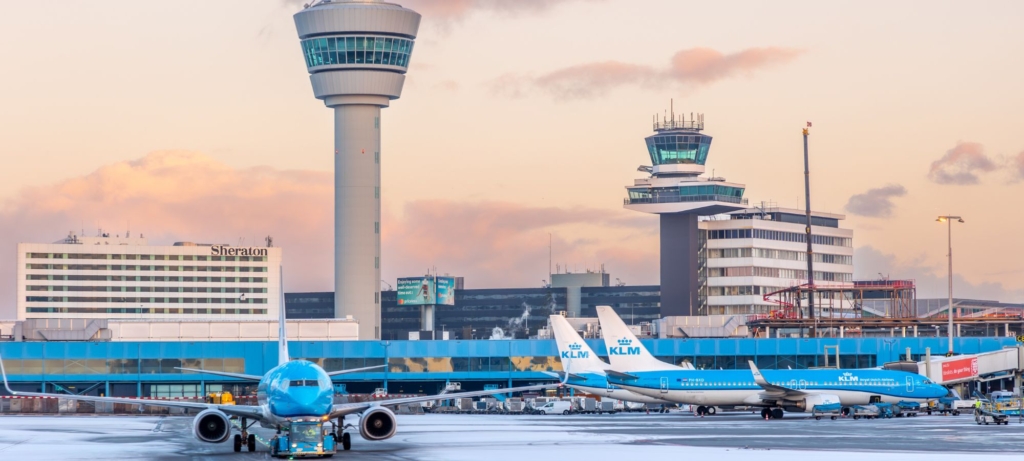
Because of that role, Schiphol and the Ministry of Defence have spent years quietly building the foundations for cooperation that would allow military operations to be integrated into civilian airport processes without compromising safety or efficiency.
“The exercise is temporary in nature; there is no permanent deployment of military aircraft at Schiphol. It is important that this infrastructure remains strong and resilient, also in times of crisis and conflict,” Schiphol said in a statement.
“That is why we are working with the Royal Netherlands Air and Space Force to create an environment that is prepared for various scenarios, without compromising on safety or quality.”
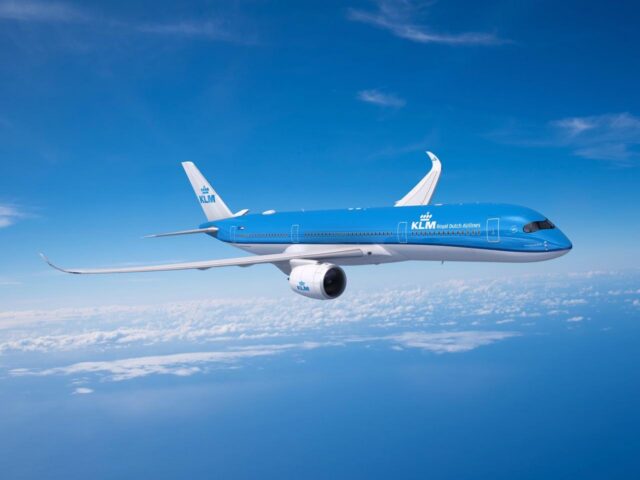
During the exercise, regular commercial air traffic will continue as normal. All military movements have been integrated into Schiphol’s daily operational flow and coordinated with Air Traffic Control the Netherlands (LVNL) and the Ministry of Infrastructure and Water Management.
Dutch F-35 exercise reflects NATO agile combat employment
At the heart of the exercise lies a simple but increasingly important principle: modern air forces cannot afford to rely solely on fixed bases.
“For the Ministry of Defence, it is essential that military aircraft are not solely dependent on fixed military air bases,” Brand explained. “By also being able to operate from other locations such as Schiphol, the air force remains deployable whenever the situation requires it.”
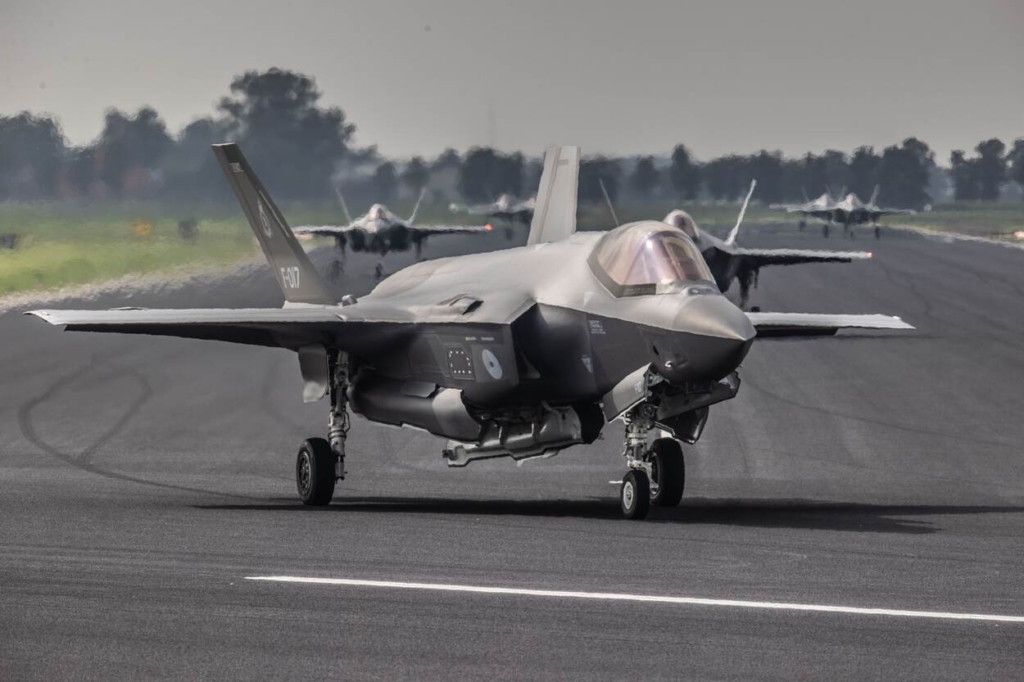
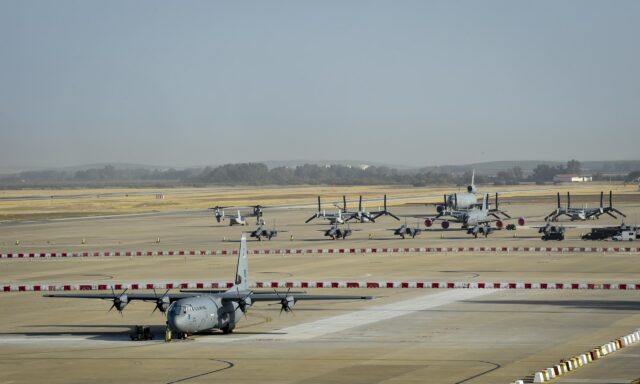
Alongside the four F-35s, a transport and tanker aircraft from the Multinational MRTT Unit will take part. The unit provides air-to-air refuelling and strategic transport to NATO partners, underlining the alliance dimension of the training.
Aircraft will operate across several planned arrival and departure windows on both days before continuing to regular military training areas elsewhere in the Netherlands.
Authorities say the noise impact on surrounding communities will be noticeable but limited. Municipalities and relevant stakeholders were informed in advance, and the exercise has been designed to take place strictly during daytime hours.
Dutch F-35 training at Schiphol focuses on people, not aircraft
While the presence of fifth-generation fighters at a major civilian hub inevitably attracts attention, Brand emphasised that the focus of the exercise is not the aircraft themselves.
“The training at Schiphol does not focus on the aircraft, but on our pilots and the personnel supporting them,” she said. “For the Royal Netherlands Air and Space Force, it is important to train together with civilian partners in order to understand civilian processes and procedures, and how military operations can be safely integrated into a civilian environment.”
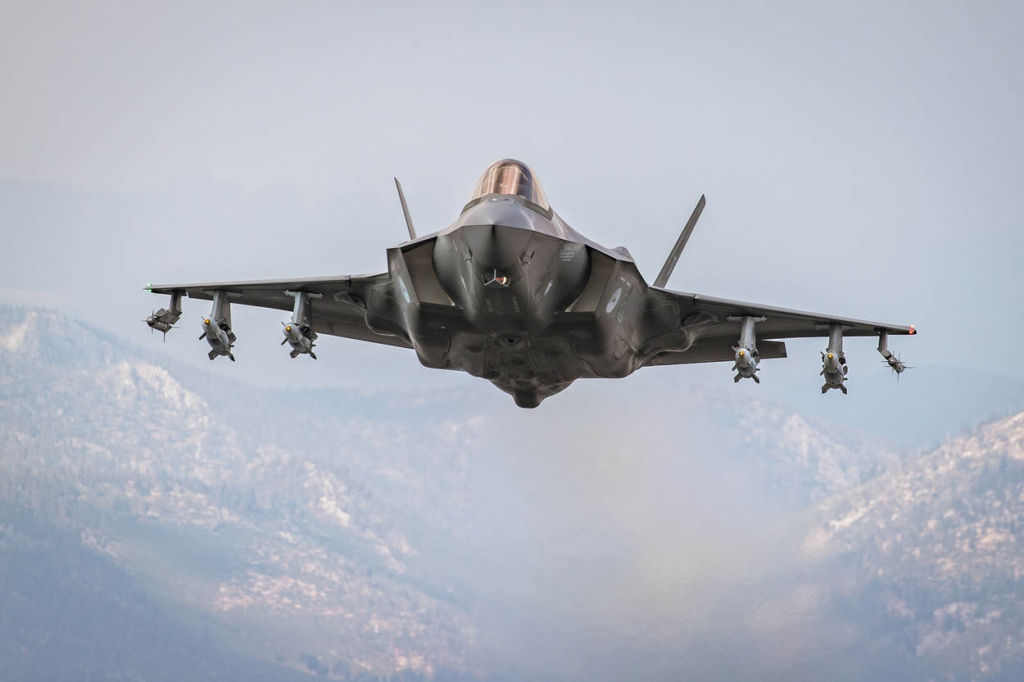
That integration includes ground handling, refuelling, security coordination with the Marechaussee and fire brigade, and understanding how responsibilities shift in a civilian setting compared with a military base.
“By practising this realistically,” Brand added, “we ensure the air force remains deployable beyond its own military air bases, wherever and whenever the situation requires.”
Schiphol has hosted Dutch fighter jet training before
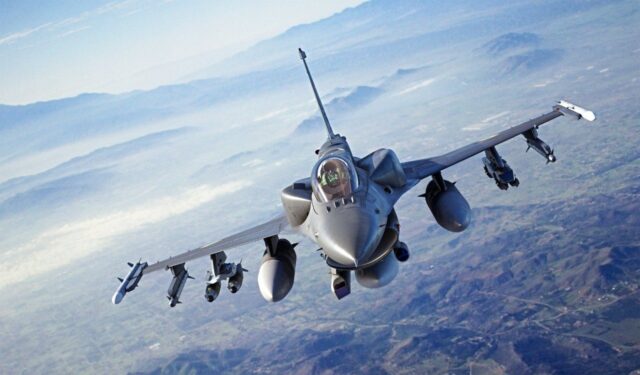
Although rare, Schiphol is no stranger to military aircraft. In 2016, the Royal Netherlands Air Force conducted training at the airport with F-16s, briefly drawing the attention of staff and passengers alike.
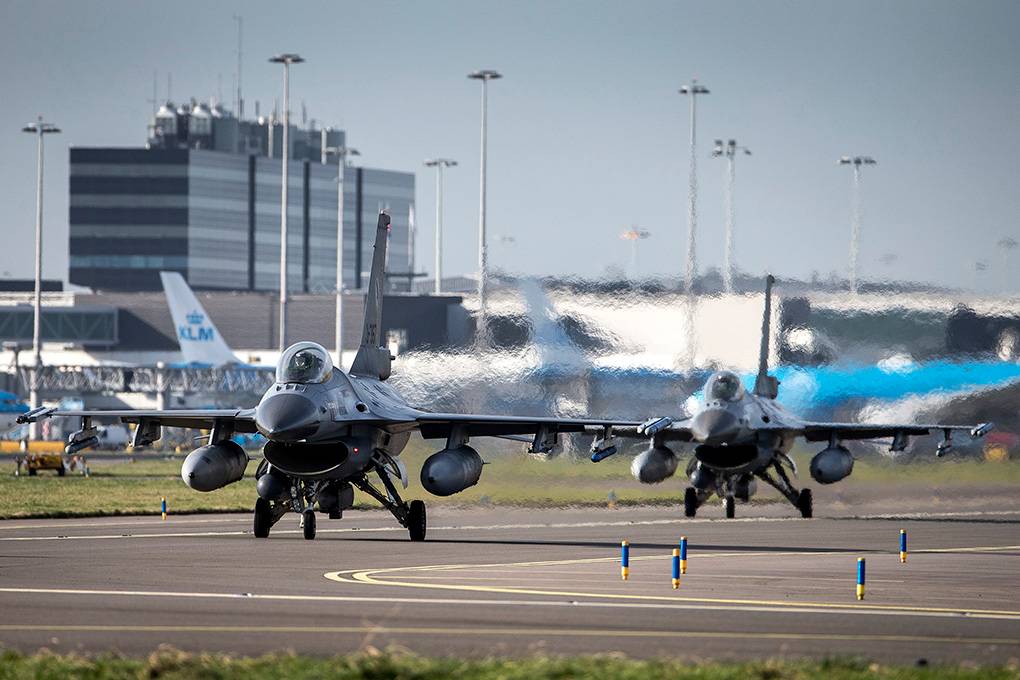
Those earlier exercises were driven by practical necessity. Weather or operational constraints can sometimes prevent fighters from returning to their home bases at Volkel or Leeuwarden, making Schiphol a logical diversion airfield.
Using the airport as a fallback also conserves fuel, reducing the need for diversions to bases in Belgium or Germany, a factor that matters when aircraft are assigned to quick reaction alert duties.
Dutch F-35 operations align with NATO dispersed basing strategy
The Schiphol exercise fits into a broader shift in Dutch and NATO air power thinking.
Last year, Dutch F-35s operated from a public road in Finland during a NATO exercise, the first time Dutch pilots had practised highway operations since 1984.
Anytime, Anywhere, Airpower👊🏽#FightTonightTomorrowTogether @Kon_Luchtmacht @Defensie @NATO pic.twitter.com/GcA7G4OAC0
— André Steur (@andresteur) May 27, 2025
Conducted under the Agile Combat Employment banner, the exercise tested how small detachments could sustain operations from unfamiliar locations with minimal support.
Operating from civilian airports, roads, or other non-traditional locations makes air operations less predictable and less vulnerable to disruption, a lesson NATO air forces are increasingly keen to relearn.
Schiphol exercise prepares Dutch F-35 force for crisis scenarios
For Schiphol, the exercise is about preparedness. For the Royal Netherlands Air and Space Force, it is about ensuring pilots and ground crews can adapt when the familiar assumptions of peacetime operations no longer apply.
As global security dynamics grow more uncertain, the ability to land a fighter jet between an Airbus and a Boeing, safely and without disrupting civilian life, is no longer just a curiosity. It is a skill the Netherlands intends to keep sharp.
Featured image: RNAF / AMS / AGN