Airplane mode: is it really still important to switch off devices in flight?

3 min read

In such a massively connected world, the idea of turning off phones, tablets or laptops while on an aircraft can feel outdated. With options for connecting via inflight WiFi increasingly available, it’s easy to wonder if it’s really necessary.
Yet, despite technological advances, it’s still important to switch off devices during flight, or at least put them into airplane mode. Here’s why.
Aircraft design and safety standards were set before smartphones
Many commercial aircraft used by airlines today were designed decades ago. At the time, mobile phones were not widespread, and aircraft were certified under standards that did not account for hundreds of wireless devices operating at the same time.
Modern electronics create a level of electromagnetic interference that engineers could hardly have anticipated during the original design and certification of these planes.
Why flight crew electronic devices are treated differently
Not all personal electronic devices are treated the same. Devices used by flight crews, such as iPads loaded with operational software, undergo rigorous testing before being allowed onboard.
These tests include pressure testing and other checks to make sure they do not compromise aircraft systems.
Even these vetted devices must be placed in airplane mode during flight to prevent potential interference with other systems, highlighting how seriously airlines take this precaution.
What about inflight WiFi?
At first glance, in-flight WiFi seems to contradict the need for airplane mode. After all, if passengers are encouraged to connect to the internet at 35,000 feet, why can’t they simply leave their phones and tablets fully active?

The key difference lies in how devices communicate. In-flight WiFi systems are designed specifically for use onboard aircraft and operate on frequencies and power levels that are carefully controlled, shielded, and tested to work alongside aircraft avionics.
When a device connects to onboard WiFi, it communicates with an internal network installed and certified for aviation use, not with ground-based mobile phone towers.
Airplane mode matters most during take-off and landing
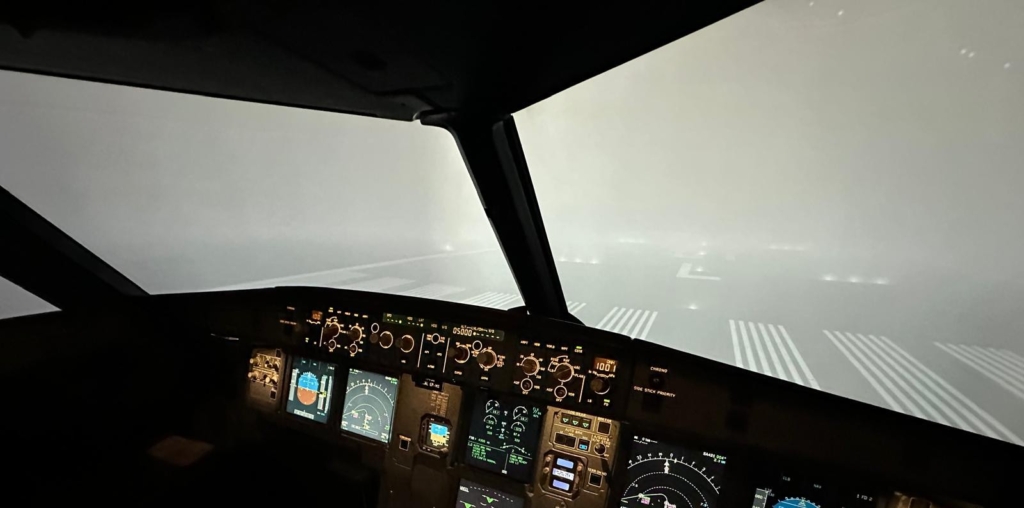
The risk is especially significant during critical phases of flight, such as landings in low-visibility conditions. Advanced automated landing systems, known as autolands, rely on precise navigation and sensor data. Even minor electromagnetic interference from personal devices can pose a risk to avionics.
Multiple devices increase interference
One mobile phone on its own might not generate enough electromagnetic interference to pose a serious threat to an aircraft’s systems. However, when you multiply that by the number of passengers on a typical commercial flight – often 180 or more – the situation soon changes.
Suddenly, you have hundreds of devices all transmitting signals to nearby cell towers at the same time, creating a significant concentration of electromagnetic radiation within the cabin.
This cumulative interference has the potential to affect sensitive aircraft systems, including radios that pilots use to communicate with air traffic control, navigation instruments that guide the plane’s trajectory, and even fire detection systems.

While the risk from a single device is very small, the combined effect of many active devices increases the likelihood of disruptions. For this reason, airlines continue to insist that passengers either power off their devices completely or switch them to airplane mode.
It’s a simple precaution, but one that effectively minimises the chance of interference and helps maintain the safety and integrity of the aircraft’s essential systems throughout the flight.
Turning on airplane mode is a simple step that improves flight safety
While modern technology has made air travel more connected and convenient, turning off devices remains a vital safety measure.
Aircraft are complex machines, often decades old, and even minor interference from multiple active devices can pose risks. By powering down electronics, passengers contribute to the safety of everyone on board.
Get all the latest commercial aviation news on AGN here.
Featured image: Adobe Stock
Sign up for our newsletter and get our latest content in your inbox.


More from


October 13, 202612 min read