Airlines gamble on fuel hedging delays as US-Iran negotiations continue

March 25, 2026
With the conflict in Iran now in its fourth week, airlines worldwide have been forced to raise fares and cut flights to counteract a huge increase in the price of aviation fuel.
While some airlines are more exposed to fuel price increases than others through long-term hedging policies, the uncertainty about how long hostilities will last is unsettling markets and prompting the airline industry to reassess hedging strategies.
A new report suggests that certain airlines are delaying their 2027 hedging decisions to wait and see whether there is early conflict resolution, which could lead to a wholesale drop in fuel prices.
Airlines delay striking fuel hedging deals in the hope of a US-Iranian deal
As reported by the Financial Times (FT), airlines are reportedly delaying taking out new jet fuel hedge deals in the hope that prices will fall in the coming months. The move is being seen by analysts as a multi-billion dollar gamble that, if it works out and fuel prices fall, airlines could be the beneficiary.
However, the downside of the gamble is that if fuel prices either stay at the current $100 a barrel (or go higher), then airlines could be left exposed to ultra-high fuel costs. This, in turn, could lead to more permanent fuel surcharges being levied on passengers, a resultant drop in demand and the potential for a recession in the global airline industry.
Fuel hedging is a widely used strategy in the airline industry, allowing carriers to lock in future fuel prices and protect themselves from sudden market swings. Through financial contracts agreed with suppliers or financial institutions, airlines fix the price they will pay for a portion of their fuel over a defined period, often a year or more, based on current market conditions and forecasts.
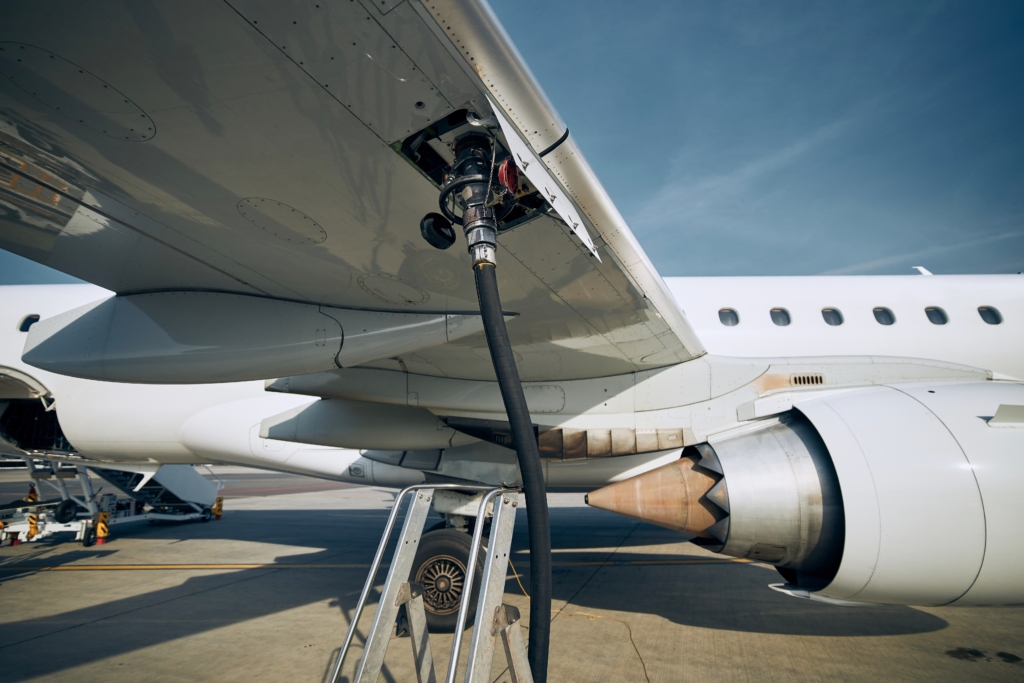
If fuel prices rise above the agreed rate, the airline is shielded from the increase and benefits from the lower locked-in price. However, if market prices fall below the contract rate, the airline can end up paying more than competitors buying fuel at spot prices.
That trade-off is the core risk of fuel hedging, which is why airlines invest significant resources in managing their hedging strategies to balance stability with market exposure.
Therefore, betting on a swift resolution to the conflict in the Middle East and delaying the fixing of fuel hedging deals could prove to be a prudent and astute move. However, it could also leave airlines horribly over-exposed should the fuel price continue to rise.
Wholesale jet fuel prices continue to rise as supplies drop
The price of oil has risen to as high as $120 a barrel over the past few weeks, as an Iranian blockade of the Strait of Hormuz continues. The vital waterway in the Arabian Gulf sees around 20% of the world’s crude oil pass through it daily, along with around 40% of the world’s jet fuel supplies.
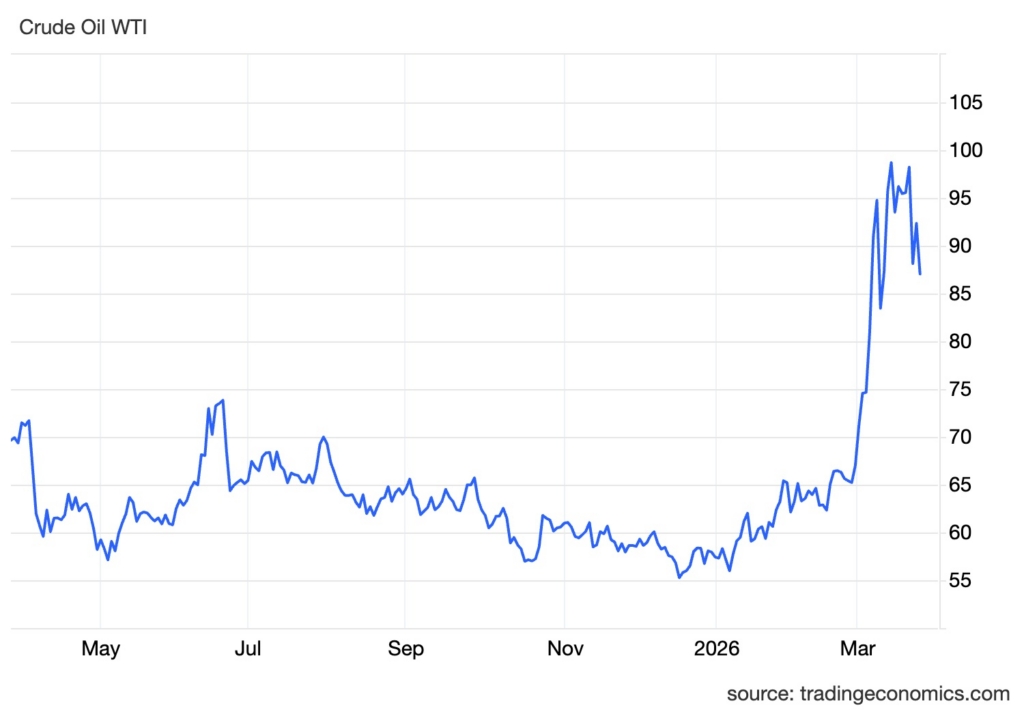
However, due to the blockade, global oil supplies (including that of jet fuel) have dropped significantly, with the prevailing demand keeping prices climbing. Although the supplies from other major suppliers in the region, including Saudi Arabia, Kuwait, and the UAE, all continue at reduced levels, those from China, one of the world’s largest suppliers, have stopped as the country preserves its own reserves for domestic use.
Airlines taking an optimistic view about future fuel prices
According to the Financial Times, European airlines have, on average, hedged around 80% of their fuel requirements for 2026. Aerospace Global News recently analysed which carriers were best positioned to absorb rising fuel costs through their hedging strategies.
Hedging typically operates on a rolling basis, with airlines continually reassessing market conditions and locking in future fuel purchases in line with movements in spot prices. This approach provides greater cost certainty, allowing carriers to plan their financial outlook with more confidence.
However, since the onset of the conflict on 28 February, jet fuel prices have more than doubled. In response, some airlines have paused the signing of new hedging contracts. There is clear reluctance to lock in prices at around $100 per barrel, particularly amid expectations in some quarters that the situation could stabilise, potentially allowing fuel prices to fall back toward pre-war levels.
Michael O’Leary, Group Chief Executive of Ryanair, told the Financial Times that the airline expects to hold off on any additional fuel hedging “for the next three months”, adding that he believes few carriers are actively hedging in the current market conditions.
With settlement negotiations between the US and Iran reportedly ongoing, markets remain relatively optimistic about a near-term resolution, with forecasts pointing to a potential easing of fuel prices over the coming year. Ryanair noted that long-term jet fuel prices for summer 2027 are still trading at around $75 to $80 per barrel. The airline added that it will wait for prices closer to $70 per barrel before locking in fuel for the peak summer 2027 season.
Elsewhere in Europe’s low-cost sector, easyJet said that although fuel prices are currently “spiking”, it expects them to ease in the months ahead and will adjust its hedging strategy accordingly. The airline indicated it may pay slightly higher prices when topping up its existing hedges, and warned that passengers are likely to see fare increases by the “end of the summer.”
Earlier this month, Wizz Air said it expects a €50 million ($58 million) hit to profits, driven by a combination of grounded aircraft and higher fuel costs.
German full-service carrier Lufthansa told the FT that it has halted all fuel hedging activities for the time being. The airline is currently hedged at 82% for the current quarter and 77% for the rest of 2026. Given these numbers, the airline group is one of the best-protected main airline groups for hedging this year.
Meanwhile, John Strickland, an aviation consultant with JLS Consulting, told the FT that airlines were seemingly willing to run the risk of delaying their fuel hedging strategies, in the hope of larger savings in the long run.
US airlines are more exposed to future fuel price rises
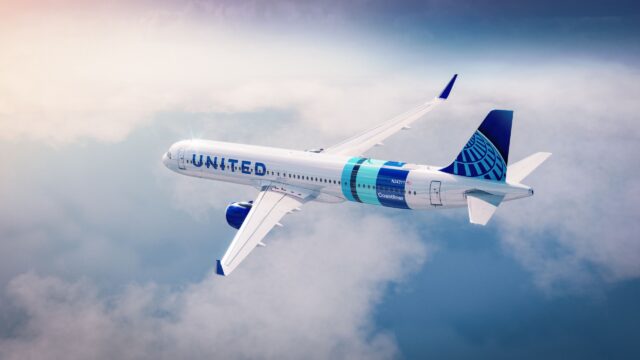
For major US carriers such as American Airlines, Delta Air Lines, and United Airlines, as well as Southwest and JetBlue, these airlines are far more exposed than others given their decisions to walk away from widescale fuel hedging practices over the past 2-3 years.
Only Southwest, with a few remaining legacy fuel hedging deals, will face some protection from a hike in fuel prices. Similarly, Delta will enjoy some immunity through its indirect ownership of the Trainer oil refinery, located south of Philadelphia, but in the most part will be as exposed as its fellow US carriers.

United chief executive Scott Kirby told the FT that it was preparing for the fuel price to remain high and said that it had already cut some flights in May and June to reflect higher oil prices, with further reductions throughout the summer “yet to be worked out”.
A peace deal could restore normality in the fuel markets
All eyes will be on the ongoing talks between the US and Iran in the coming hours and days to see whether a cessation of hostilities is called, and oil supplies can once again flow through the Straight of Hormuz.
Airlines, in particular, will be looking for any early signs that jet fuel supplies can resume to pre-war levels and that a price drop can result. Should that prove to be the case, the decision to hold off on fixing hedging deals will have paid off. Yet, global events will dictate whether this comes to pass.
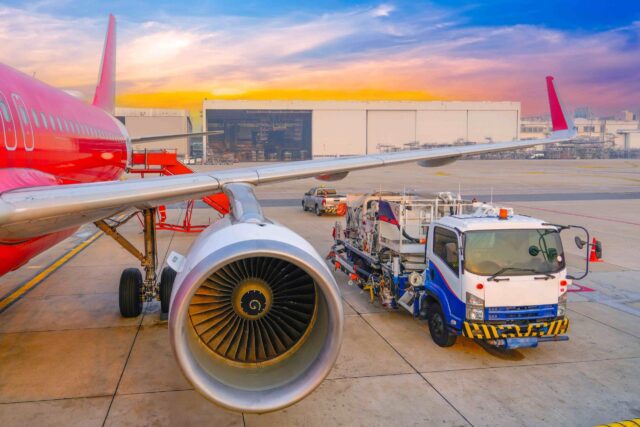
Featured image: Timur Abasov / stock.adobe.com