Airfares could rise as Iran conflict drives soaring fuel costs and flight detours

March 6, 2026
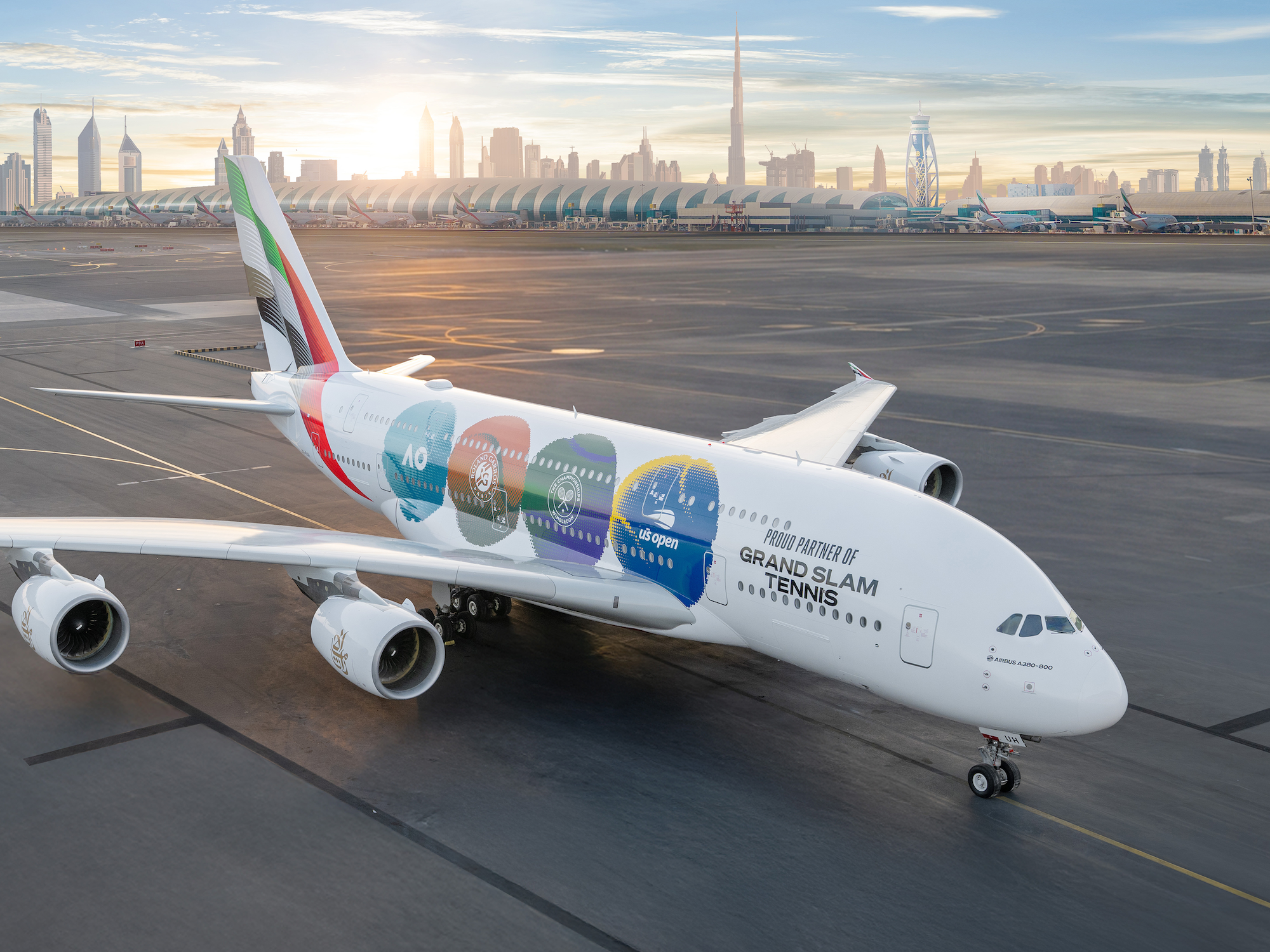
The world’s airlines are facing rising operating costs following the recent US–Israeli strikes on Iran, as jet fuel prices surge and carriers reroute flights around closed airspace.
The combination of higher fuel prices and longer flight paths will squeeze airline margins and could push ticket prices higher in the coming weeks.
Jet fuel prices surge after strikes on Iran
Jet fuel prices have risen since the escalation of the conflict in late February, due to disruption to energy supply routes in the Middle East.
The cost of jet fuel in northwest Europe jumped to around $1,259.75 per metric tonne on Thursday, the highest level since the beginning of the Russia-Ukraine war, according to oil and fuel markets price-tracking provider PLATTS.
The spike reflects concerns about Gulf region supply and potential disruption to shipping routes, such as the Strait of Hormuz — a critical corridor for global oil exports.
Rising prices are increasing pressure on carriers, whose operating costs are highly sensitive to shifts in fuel markets. Fuel typically accounts for 20–30% of an airline’s operating costs, making it one of the industry’s largest expenses. Even relatively short-lived price hikes can have a disproportionate impact on airline profitability.
Some airlines are currently coping with the rise in fuel through effective hedging. “We’ve got pretty good hedging in place, but these are pretty significant impacts on aviation, and we’re just continuing to watch how it all unfolds,” Qantas Airways’ CEO Vanessa Hudson said at the Australian Financial Review’s business summit this week, as reported by Reuters.
Rerouted flights around dangerous airspace extends flight times
At the same time, airlines are incurring additional expenses by avoiding airspace in Iran and parts of the Middle East.
Following the strikes, multiple countries in the region closed their airspace, forcing airlines to divert flights across alternative corridors or suspend routes entirely.
Many carriers have been routing aircraft either:
- North via the Caucasus and Central Asia, below the closed Ukrainian airspace
- South via Egypt, Saudi Arabia and Oman
These corridors are becoming congested as displaced air traffic concentrates into narrower bands of safe airspace. Industry estimates suggest that rerouting a single long-haul flight can add 90–120 minutes of flying time. Each additional hour in the air increases fuel burn and crew costs, raising operating costs substantially when multiplied across large airline networks.
The costs of narrowing safe flight corridors
Detouring around closed or hostile airspace can quickly add thousands of dollars per flight.
As AirInsight aviation analyst Ernest Arvai told The National, “If detours extend by two to three hours, the operating cost impact can reach $6,000 to $7,500 per flight hour.” That means a long-haul flight could incur around $60,000 in additional operating costs on a typical 10-hour sector. Other economists estimate that costs could rise by as much as $10,000 per hour.
Some carriers are loading additional fuel or planning technical refuelling stops in case of diversions during flights near conflict zones. These operational adjustments add weight to aircraft and increase fuel burn, further pushing up costs.
As reported by the Flying Engineer, in an analysis of the full impact of the narrowing safe flight corridors remaining for commercial airlines to operate in:
- 1–2 hour flight detours can increase fuel burn by 15–20% on some long-haul routes
- A Tokyo-London detour burns approximately 5,600 extra gallons per flight, adding around $20,000 in costs.

Across hundreds of flights per day, these extra costs can quickly accumulate into hundreds of millions of dollars industry-wide if airspace disruptions persist.
The combination of higher fuel costs and higher fuel burn could spell trouble for the airline industry, which has historically operated on razor-thin margins. In its economic forecast for 2026, the International Air Transport Association (IATA) estimated a net operating margin of 6.9% and a net margin of only 3.9% for the world’s airlines. That leaves little room for an increase in operating costs at the current scale.
As reported by Bernama news agency, some economists predict that the cumulative costs for the global aviation industry of added fuel, rerouting, and interruption of passenger and cargo services could exceed $1 billion if the conflict extends.
Operational knock-on costs of rerouting around closed airspace
Rerouting has a financial impact beyond fuel costs. Airlines may need to add extra crew members or schedule crew changes when flight times exceed legal duty-hour limits. Airlines may also have to position crews, pay for hotel stays, and manage more complex scheduling.

Some detoured routes require refuelling stops, adding landing charges, ground handling fees and extra turnaround time. Longer flight times also reduce the number of daily rotations an aircraft can operate, lowering fleet efficiency.
Airlines may incur costs for passengers stranded by flight disruptions, like meals and accommodation. They also face the added costs of rebooking and refunds for passengers with the flexibility to change their travel plans.
Airline insurance costs are rising, and coverage may be at risk
This week, several international maritime insurers cancelled their war risk coverage for vessels operating in the Gulf amid the Iran conflict, disrupting fuel supplies from the region and directly contributing to the rise in fuel prices for airlines.
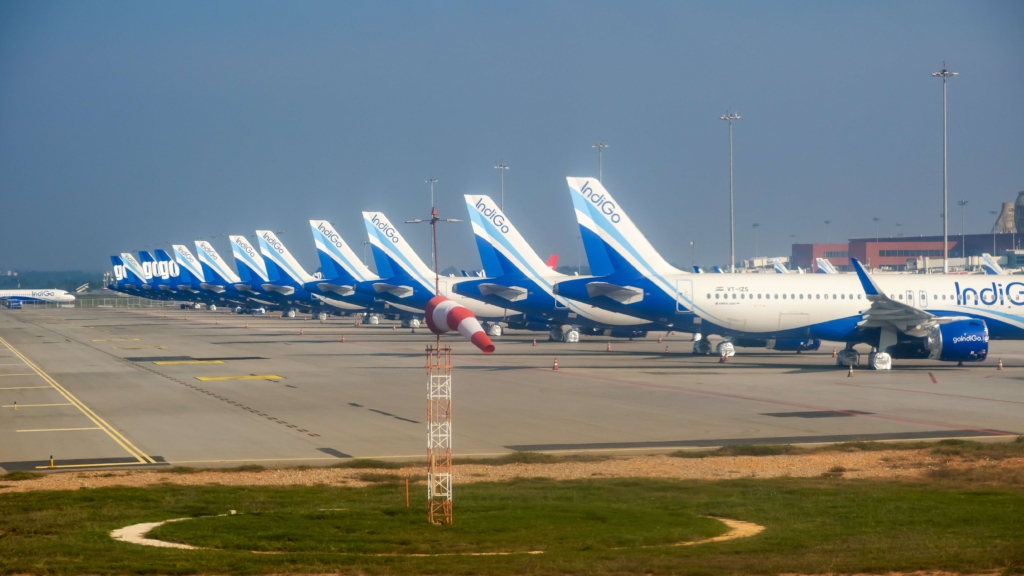
At the same time, India’s airlines have seen their war-risk premiums rise by $32,700-$48,000 for narrowbody flights and by $98,000 to $109,000 for widebody flights, as reported by the Business Standard.
“We are looking at the largest disruption to global air transport since the 2020 pandemic,” aviation analyst John Strickland told Aviation Metric. “But unlike a pandemic, you can’t vaccinate against a missile. This is about physical safety and the total loss of hull-risk insurance in the region.”
During the COVID-19 pandemic, airlines lost passenger traffic but were able to operate cargo flights. The current conflict threatens the safe operation of both sources of airline revenue.
Airfares could rise if conflict disruption persists
Airlines could eventually pass on the combined impact of fuel costs, longer routes and higher risk levels to passengers, resulting in higher ticket prices. Indian airlines, affected by higher insurance and operational costs, have already increased airfares between India and the Middle East by as much as fourfold.
For now, airlines are relying on fuel hedging strategies and operational adjustments to manage the impact of the US-Israel strike on Iran. But if the Middle East conflict continues to disrupt airspace or energy supply chains, the industry could face a prolonged period of elevated costs that will cut dangerously into narrow margins and force airlines to raise airfares.
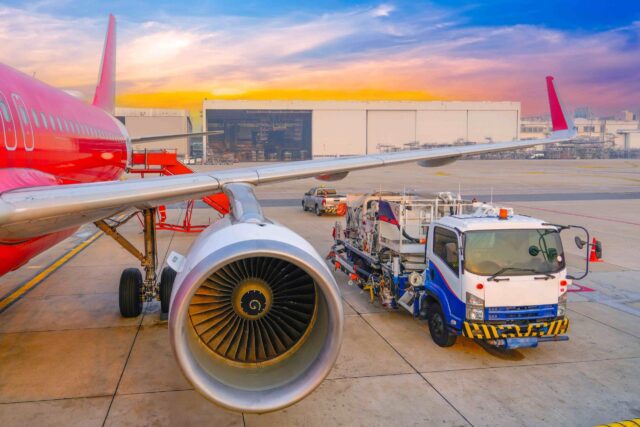
Featured Image: Nigel Harris / stock.adobe.com