


Aircraft turnarounds: How airlines get planes cleaned and back in the air so fast
3 min read
Aircraft turnarounds can look a bit chaotic, but they’re actually well-timed and choreographed.
Airlines rely on quick ground times because every extra minute costs revenue, disrupts schedules and eats into efficiency.
Not in the air? Not making money
According to UK Civil Aviation Authority figures, 75% of flights operated on-time between April and June 2025 – 8 percentage points up on 2024. Prompt aircraft turnarounds are a huge contributing factor to this.
For most short-haul flights in Europe, airlines aim for a turnaround time of between 30 and 45 minutes. Low-cost carriers like Ryanair and easyJet often do it even faster.
The reason is simple: aircraft only earn money when they’re flying. A well-managed turnaround means better punctuality, more productive aircraft and, ultimately, lower fares or higher margins.
But achieving those tight targets requires every team – cleaners, flight crews, caterers and ground handlers – to know exactly what to do and when to do it.

How is the cabin cleaned?
Cabin cleaning is often the most visible part of the process. Teams usually enter from both ends of the aircraft and meet in the middle, clearing bins, wiping down tray tables and resetting seats at lightning speed. They also carry out a security search for anything that is potentially dangerous or shouldn’t be there.
Lavatories and galleys get a quick but thorough refresh, enough to meet hygiene standards without slowing the entire operation.
Deep cleaning happens overnight. Daytime turns are all about getting the cabin back to a fresh, tidy and ready-to-fly condition – in under twenty minutes for some airlines.
Aircraft systems checks
While cleaners sweep through the cabin, flight crews are quietly working behind the scenes to make sure the aircraft is safe and ready to fly. This includes everything from visual inspections of the fuselage, wings and landing gear, to checking fuel levels, hydraulic fluids, oil and other essential systems. In winter, pilots will also complete their winter pre-flight checklist.
Technology has sped up the process over the last decade. Digital maintenance logs replace piles of paperwork, allowing faults to be reported and tracked instantly. Predictive maintenance systems can also flag potential issues before they become serious, helping crews fix problems proactively rather than reactively.
These innovations not only save valuable minutes during the turnaround but also improve overall safety and reliability.
It’s an often-overlooked part of the turnaround, but without it, the aircraft simply cannot leave the gate.

What’s happening on the apron: bags, fuel, catering and more
Outside, the apron becomes a hive of activity. Baggage crews unload and reload luggage almost as soon as the aircraft stops.
Catering teams whisk away used trolleys and restock fresh supplies. Fuel trucks top up the tanks – often the longest job, so it’s timed to overlap with other tasks wherever possible. Lavatories are also serviced and potable water levels topped up.
Every vehicle and every team has a particular order and position to keep the process smooth and safe.
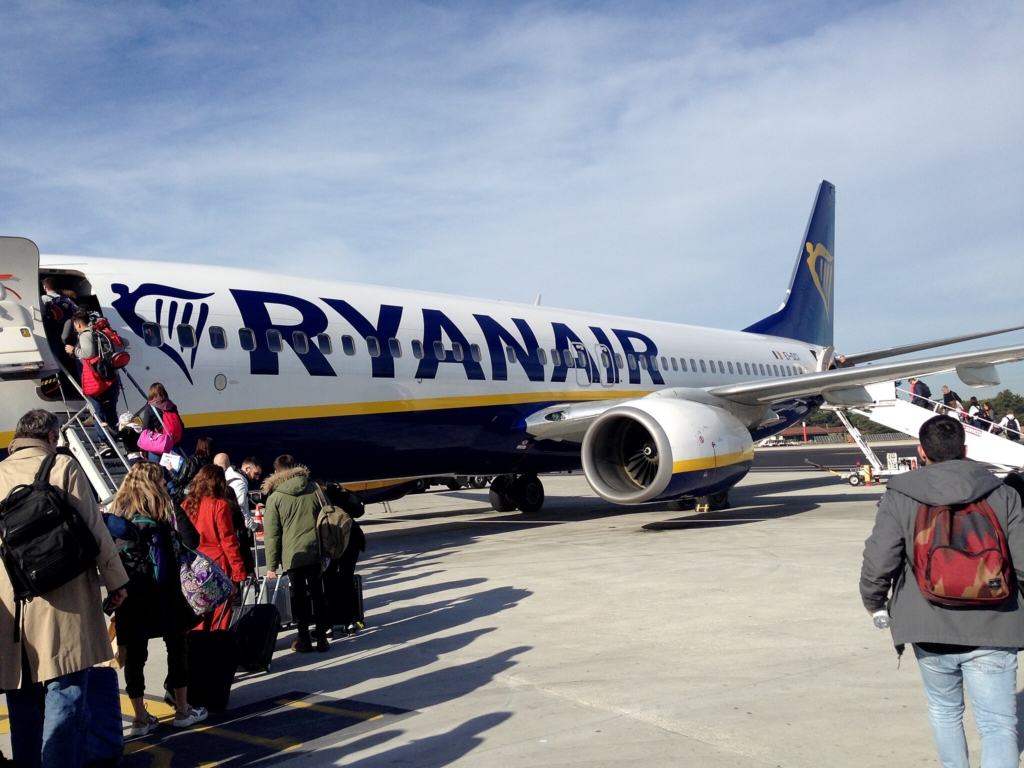
Time for boarding
Finally, boarding begins. Airlines constantly test new methods – group boarding, automated gates, clearer signage – to help passengers settle in faster. Cabin crew play a key role here, guiding people to their seats and keeping the aisles clear so luggage can be stowed quickly.
Once the last passenger is seated, the doors close, the paperwork is finalised and the aircraft pushes back – with a bit of luck, right on the dot.
Get all the latest commercial aviation news on AGN here.
Featured image: Emma Lewis


