Airbus vs Boeing: Who won 2025?

January 2, 2026
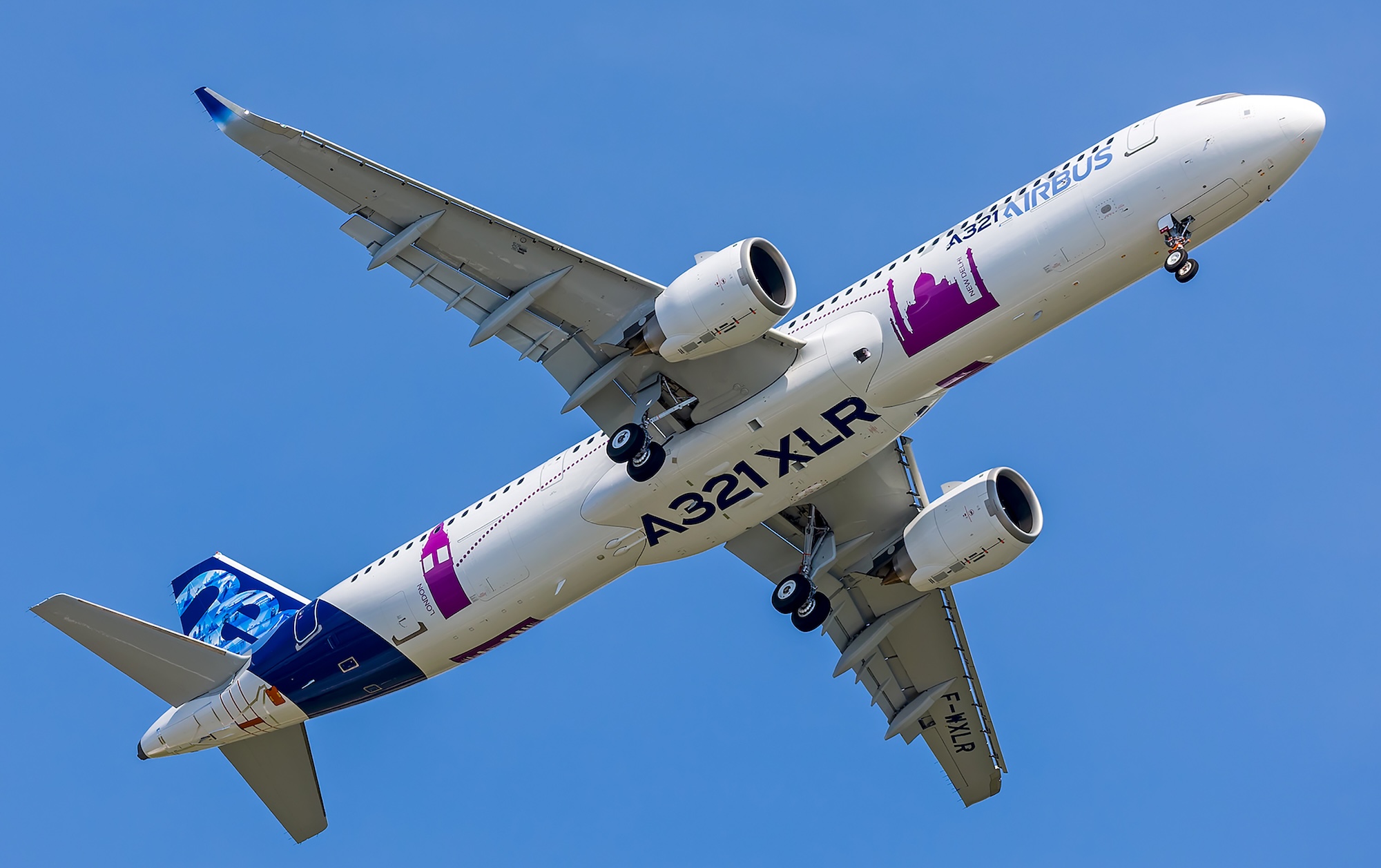
The 2025 delivery race between Airbus and Boeing has a clear winner, though the full story is a bit more nuanced. Airbus outpaced its US rival by a wide margin, although Boeing’s steady rebound suggests a shift in dynamics has begun for the commercial aircraft duopoly.
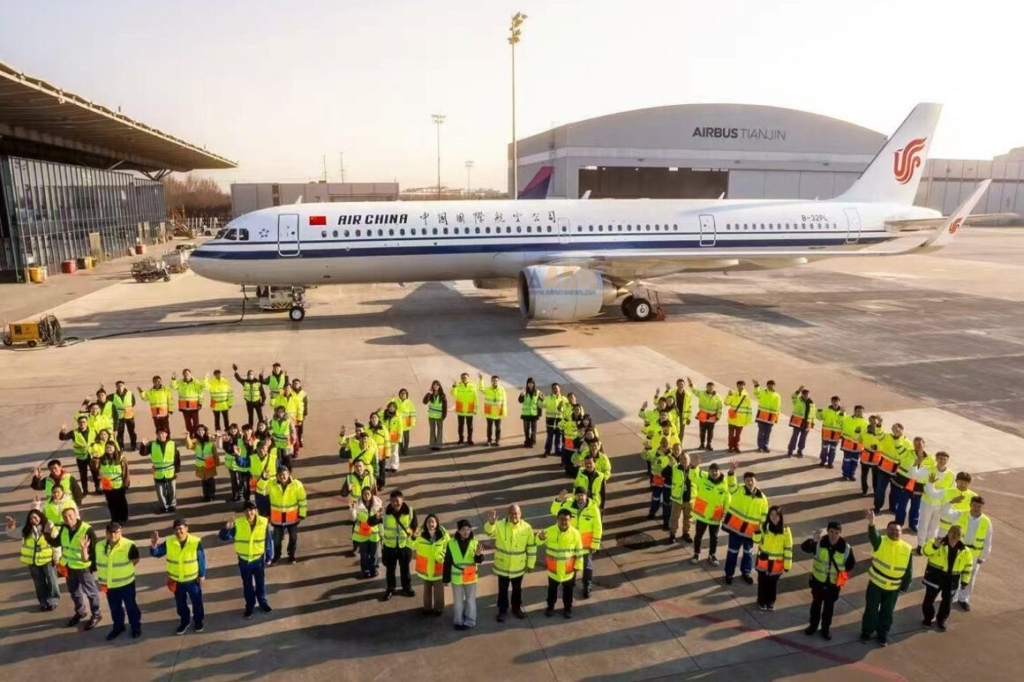
The answer to who “won” 2025 in commercial aircraft manufacturing by the numbers is straightforward: Airbus delivered far more aeroplanes than Boeing.
While the two manufacturers have not yet announced their official 2025 delivery numbers, aviation analysts at Air Insight have published their year-end 2025 delivery tally.
According to their figures, Airbus delivered 784 commercial aircraft, close enough to its revised target of around 790 to consider the target met. Boeing, meanwhile, delivered 595 aircraft, beating expectations, following several years of production disruption.
| Metric | Airbus | Boeing |
|---|---|---|
| 2025 Deliveries | 784 | 595 |
| Delivery Lead? | ✔️ Clear majority | ❌ |
| Order Momentum | Strong (A320 family) | ✔️ Leading 2025 net orders |
| Production Trends | High throughput | Improving steadily |
The gap—nearly 190 aircraft—is significant, and puts the win firmly in Airbus’s corner. Yet, for both manufacturers, 2025 was more about momentum, resilience, and positioning for what comes next.
Airbus extends its delivery lead
In 2025, Airbus leveraged its narrowbody dominance, with the A320neo family accounting for the majority of deliveries. Multiple final assembly lines across Europe, Asia, and North America continued to give Airbus a structural advantage in throughput, enabling it to come out ahead despite persistent engine availability and supply chain constraints.
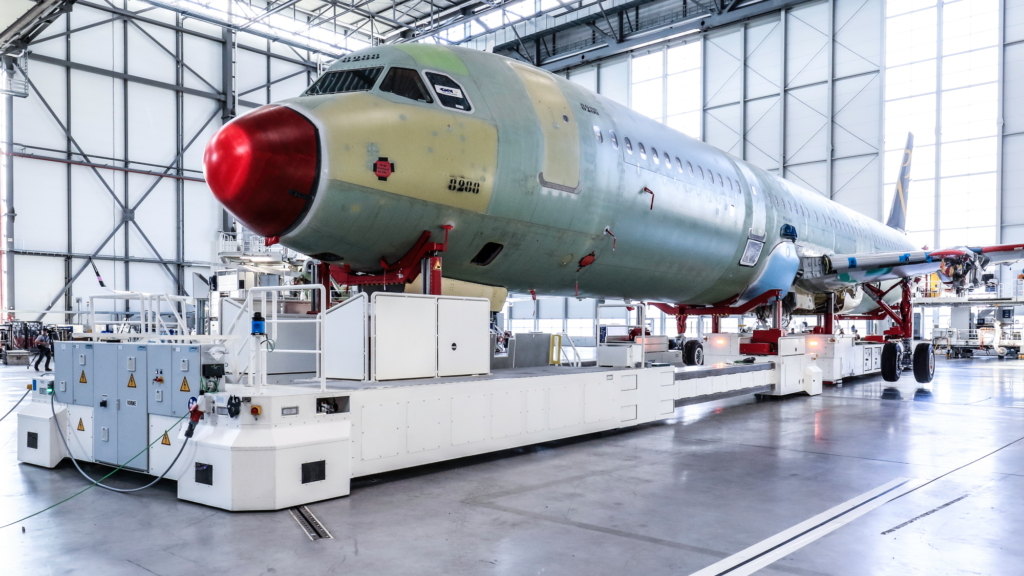
Airbus focused on stabilising delivery and reducing backlogs this year. By year’s end, it had maintained a clear lead in total aircraft handed over to customers, preserved continuity of production despite ongoing Pratt & Whitney GTF challenges, and reinforced its position as the volume leader in the single-aisle market. Airbus’ deliveries proved its production line is resilient.
Boeing’s 2025 recovery is a meaningful win
Despite Airbus’ volume advantage, Boeing’s performance in 2025 exceeded market delivery expectations. It is a positive milestone after years of probes into its safety management system and multiple production interruptions. For Boeing, 2025 was a reset year—and the manufacturer focused on execution.
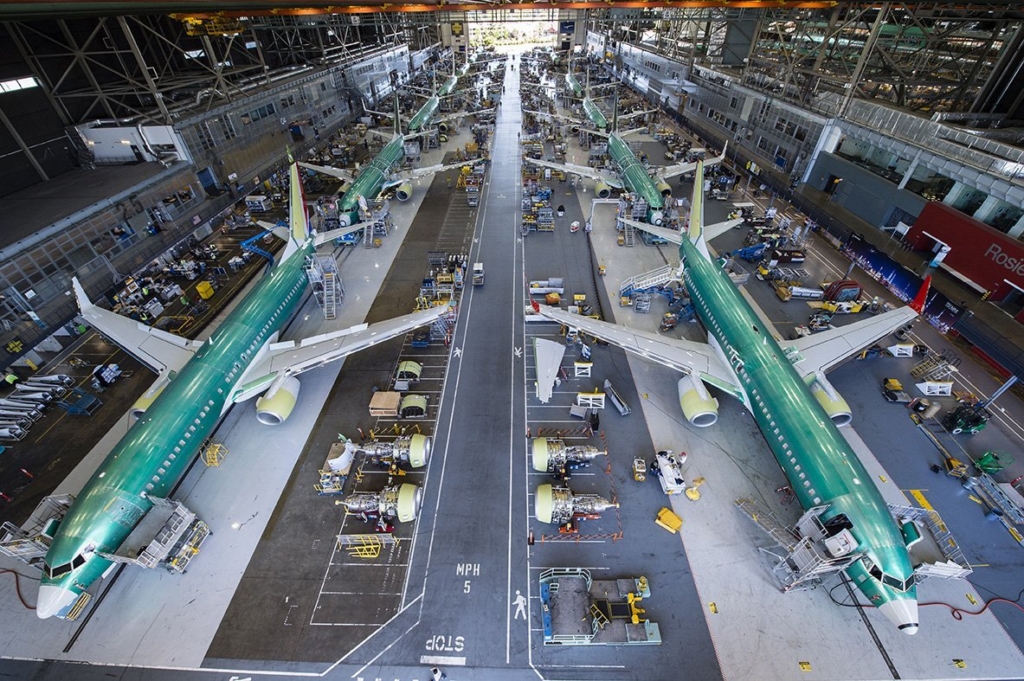
Compared with previous years, the US planemaker delivered 595 aircraft, including more 737 MAX and 787 Dreamliners.
While these delivery numbers are well below Airbus’s, Boeing’s focus on ensuring quality in its production mattered more than the number of aircraft it handed over.
Deliveries vs orders: the scorecards shift
Boeing also benefited from renewed airline confidence, as reflected by sales, with several large orders tipping the backlog balance in its favour in 2025.
Flight Plan’s order tracking shows Boeing with 1,000 gross orders versus 797 for Airbus through November 2025. As Reuters reported, Airbus CEO Guillaume Faury conceded that Boeing was the clear winner on orders last year, but with an important caveat.
“The fact that we have been ahead on orders for five years means our order backlog is much higher than that of our main competitor,” Reuters cited Faury as telling France Inter radio.
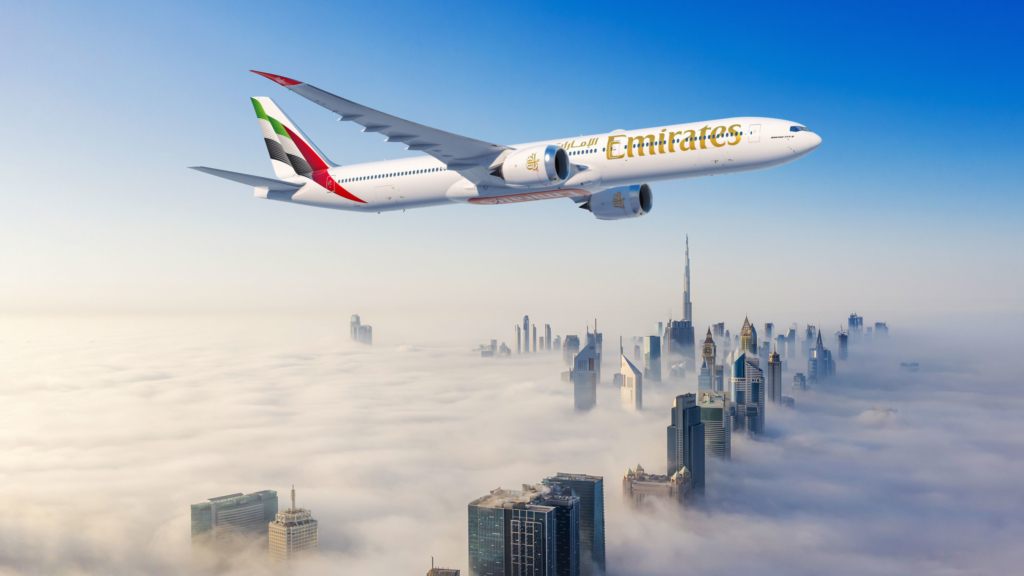
Air Insight’s cumulative gross order tracker shows Airbus maintains a significant lead, with 24,000 aircraft compared with Boeing’s 21,000.
However, Boeing’s 2025 order win suggests airlines are betting on the OEM’s recovery, even if they must wait longer to receive aircraft.
What 2025 revealed about the duopoly
In simple terms, Airbus won 2025 on execution, while Boeing won by regaining confidence. Both matter for the ongoing race.
Beyond the numbers, 2025 revealed both the strengths and weaknesses of the commercial aircraft market, particularly the fragility of the industry’s supply chain.
Airbus continues to benefit from scale advantages in single-aisle production, a relatively clean certification pipeline, and predictable industrial rhythms, but still struggles with supply chain issues, which are not easy to resolve overnight.
Boeing is no longer in crisis mode, but it’s also not yet operating at its full competitive strength. The manufacturer must still prove it can sustain production stability and achieve aircraft certification.
Verdict: Airbus wins 2025, but the race isn’t over
For Airbus, the 2026 focus will be on carefully increasing output without overwhelming the supply chain.
For Boeing, this year must deliver progress on 737 MAX 7 and MAX 10 certification and on 777-9 entry into service. Further increases in production rate will remain under scrutiny.
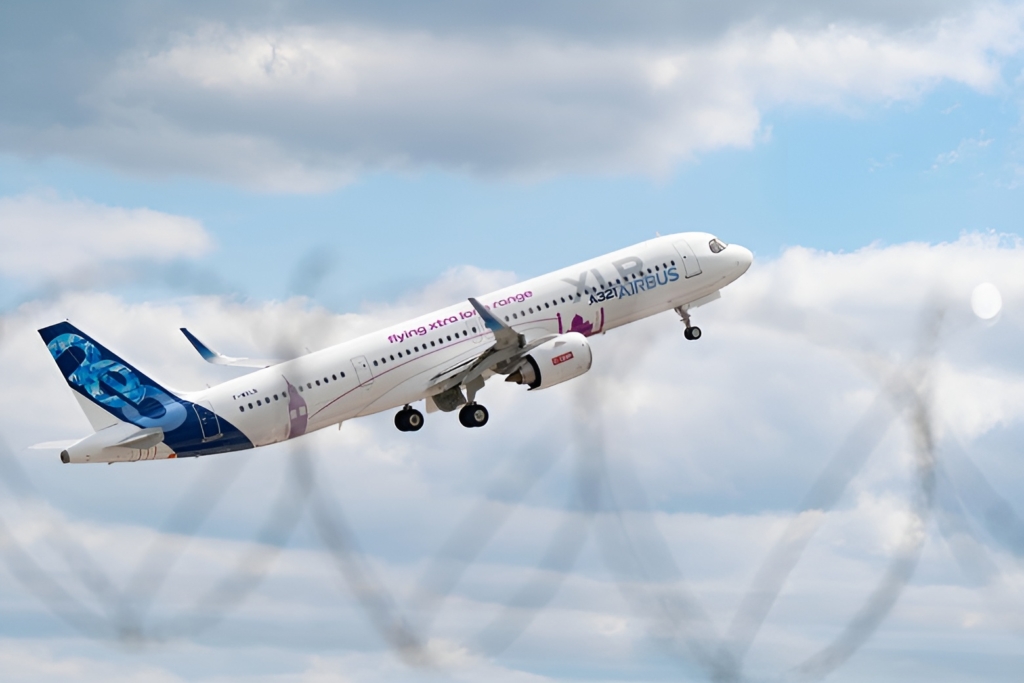
Measured strictly by aircraft delivered, Airbus was the clear winner of 2025. The numbers leave little room for debate. Yet Boeing’s improving performance proves the competition is not static. The contest will continue in 2026, with consistency determining the winner.
Featured Image: REC and ROLL | stock.adobe.com