Airbus targets new long-haul opportunities in Latin America with the A321XLR

March 13, 2026
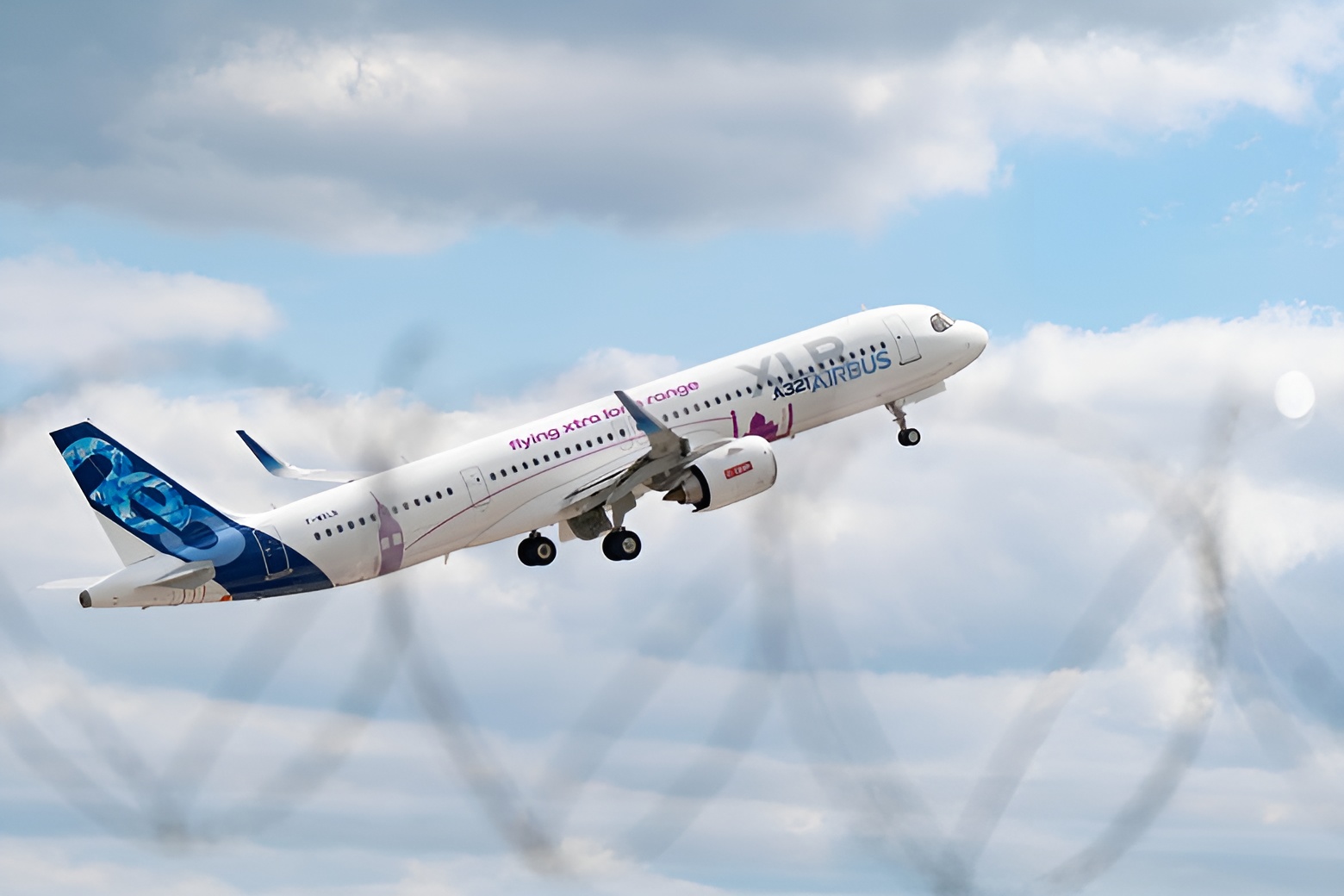
Airbus believes its newest generation of narrowbody aircraft could reshape the aviation landscape across Latin America, opening up new long-haul links while strengthening regional connectivity across the continent.
Speaking at the Routes Americas 2026 conference in Brazil, Laurent Bayer, vice president and head of sales for Latin America and the Caribbean at Airbus, said the Airbus A321XLR and A220 families were ideally suited to the region’s evolving market.
With their combination of extended range, lower operating costs and right-sized capacity, the aircraft could enable airlines to launch routes that were previously considered too thin or uneconomical, including direct services linking secondary cities in Brazil with major European hubs.
Airbus A321XLR opens new Europe–Brazil routes from secondary cities
The Airbus A321XLR is designed to make thinner long-haul routes commercially viable, allowing airlines to serve destinations that previously could not sustain widebody operations. For Latin American carriers, this could open new opportunities to link secondary Brazilian cities directly with major European hubs.
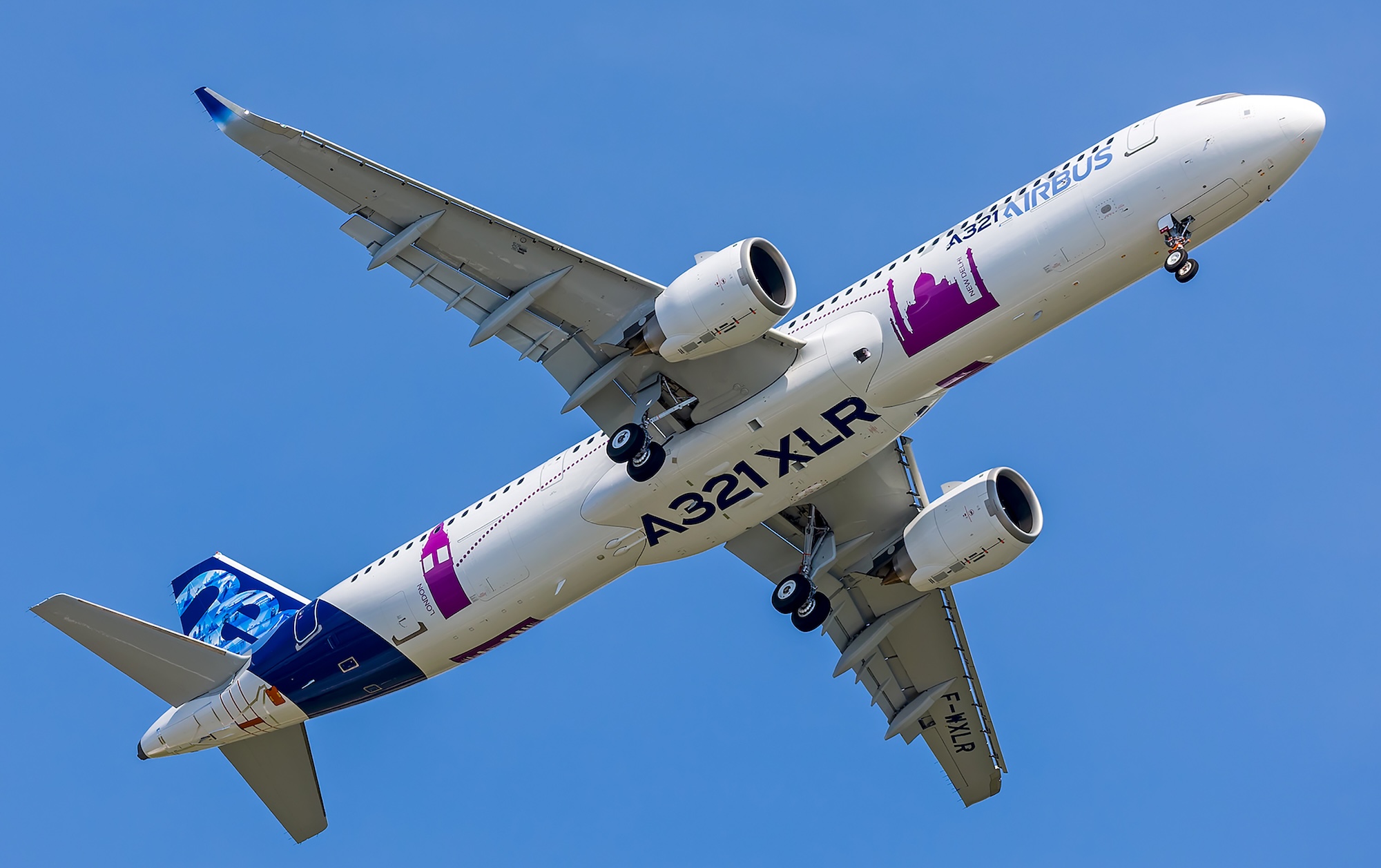
“Europe is also a big market for the A321 XLR,” said Bayer. “The A321 XLR is an aircraft that can fly between Santiago de Chile and Miami, Buenos Aires and Miami, Lima and New York, and from the west coast and northeast of Brazil to most of the capitals in Western Europe.
“We see several opportunities there as well, particularly on routes between Brazil and Europe.”
European airlines use A321XLR to reach South America
European carriers are already demonstrating how the aircraft can be used to open thinner long-haul routes between Europe and Brazil.
Iberia recently expanded its long-haul network with the addition of two new routes from Madrid to secondary airports in Brazil, using the Airbus A321XLR. The Spanish carrier launched flights to Recife on 13 December 2025 and Fortaleza on 19 January 2026.
Both routes initially operate three times per week, before increasing to five and four weekly flights respectively from February 2026.
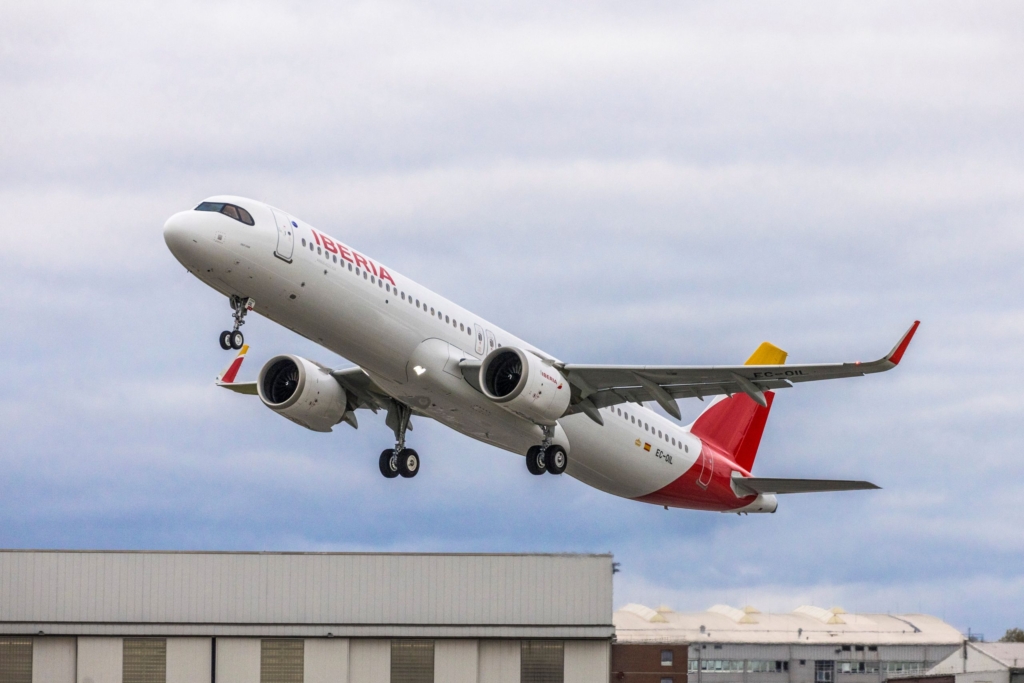
Iberia’s A321XLR is configured with 182 seats in a two-class layout, including lie-flat business class.
TAP Air Portugal has adopted a similar strategy, operating services from Lisbon to Natal and Belém in northeast Brazil.
Airbus hopes airlines in South America will eventually mirror this model, using the A321XLR to launch direct routes to Europe from cities that previously lacked sufficient demand for widebody aircraft.
Will Latin American airlines deploy the Airbus A321XLR to Europe?
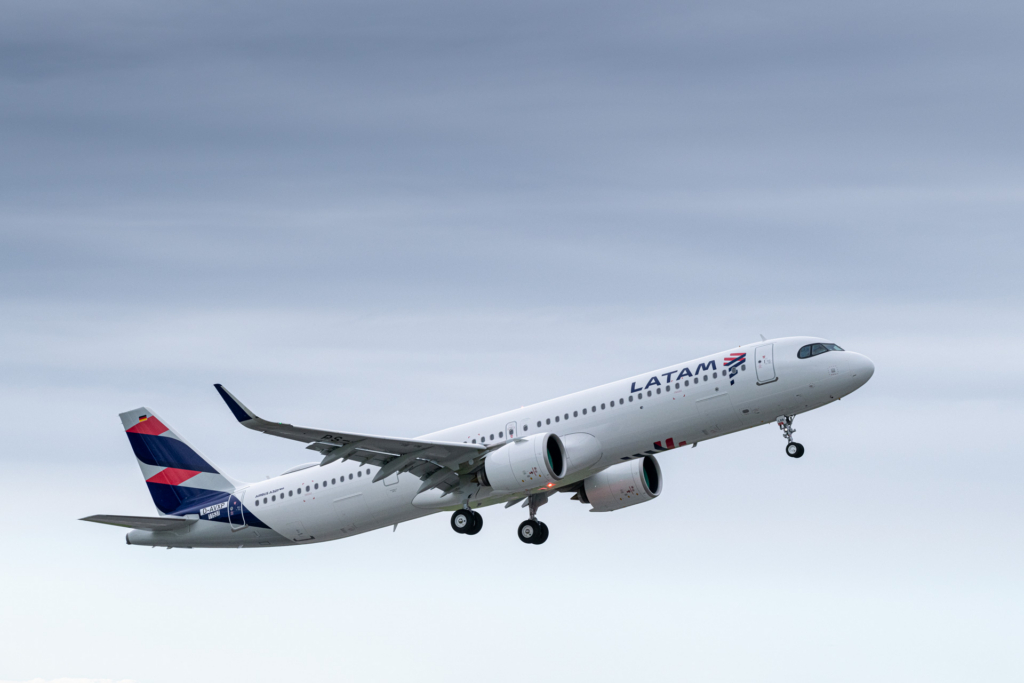
LATAM Airlines Group has an order for 13 Airbus A321XLR aircraft and has indicated the type could be deployed on routes between South America and Europe. The first aircraft are expected to enter the airline’s fleet in 2027.
Chile-based ultra-low-cost carrier SKY also signed a purchase agreement with Airbus in 2019 for 10 A321XLRs, with plans to expand its international route network using the aircraft. However, delays on the production line mean the airline has yet to receive its first delivery.
Alongside the A321XLR’s long-haul capabilities, Airbus believes the A220 could play an important role in strengthening regional connectivity across the Americas. The aircraft offers an alternative to Embraer’s family of regional jets and is well suited to routes linking smaller and medium-sized cities.
“The A220 is an aircraft that can very efficiently connect cities in Central America, for example, with secondary cities in the US,” said Bayer. “There is a big market there for this aircraft.”
However, links between North and South America remain particularly strong. Among the region’s airlines, “capacity has been deployed mainly between Latin America and North America,” added Bayer.
“This is a market where we see that trend continuing. There will be more A321XLRs as well as A220s [in this market].”
Bayer’s confidence in both aircraft families is underpinned by the strength of the Latin American aviation market, which Airbus believes has significant long-term growth potential.
Latin America’s aviation market set for strong long-term growth
Economic growth is expected to play a major role in driving demand for air travel across Latin America. Airbus forecasts regional GDP will grow by around 2.8% annually over the next 20 years, slightly above the global average.
Demographic trends are also expected to support aviation demand. The region’s population is projected to increase by about 60 million people, taking the total to more than 700 million. At the same time, urbanisation is accelerating, with Airbus forecasting an additional 80 million people living in cities, meaning around 86% of the population will reside in urban areas.

Trade is another key factor. Airbus expects exports from the region to grow by around 2.5% per year over the next two decades, supporting stronger economic ties with markets in North America and Europe.
Meanwhile, the middle class is projected to expand by around 100 million people, with roughly 67% of the population expected to fall into that category within 20 years.
“What does that mean for traffic over the next 20 years?” asked Bayer. “It means that traffic will continue to grow, and we expect it to almost double in the next 20 years.
“This will be driven by domestic markets, intra-regional flows, and traffic towards the US and towards Europe. For us, this translates into demand for new aircraft.”
Featured image: Airbus