AirAsia and AirAsia X to become one single airline brand as Capital A’s consolidation process ends

January 19, 2026
AirAsia X has announced the successful completion of its acquisition of AirAsia and the AirAsia Aviation Group Limited from parent company Capital A Berhad in Malaysia.
The announcement marks the end of a six-year consolidation process that brings all of the organisation’s aviation-related businesses under one company for the first time (AirAsia Group), while also leaving Capital A to concentrate on its expanding investment portfolio away from the aviation industry.
AirAsia X completes acquisition of AirAsia from Capital A
Having been working on this deal for years, the AirAsia and AirAsia X brands will sit under one umbrella company for the first time. Along with AirAsia Aviation Group, which provides air transport, travel and lifestyle products, as well as financial services, all three companies will subsist under one financial structure, which will also include other AirAsia affiliate airlines as well as Thailand-based Thai AirAsia X.
The transaction was settled via the allotment and issuance of 2,307,692,307 new ordinary shares in AirAsia X to Capital A and its entitled shareholders, together with AirAsia X’s assumption of RM3.8 billion previously owed by Capital A to AirAsia.

Additionally, AirAsia X also allotted and issued 606,060,606 new ordinary shares to independent third-party investors pursuant to a private placement and the assumption of $936 million (RM3.8 billion) previously owed by Capital A to AirAsia. Both sets of shares are scheduled to be listed and quoted on the Main Market of Bursa Malaysia Securities Berhad on 19 January.
Capital A’s CEO Fernandes hails the finalisation of the deal
According to Tony Fernandes, the CEO of Capital A, the closure of the transaction was one of the most emotional moments of his career.
“We are finally closing the most challenging chapter in our history. This represents the culmination of one of the most complex and rigorous restructuring exercises undertaken by an aviation group since COVID brought aviation to a standstill six years ago.
Giving up was not an option, and we chose to rebuild the right way, step by step, approval by approval, and never taking ‘no’ for an answer. Now, the aviation disposal is finally complete.
Fernandez added that the consolidation deal was not just the end of a restructuring process but a journey of proving the resilience, grit and determination of all those involved “to get through the toughest times and come out stronger. I could not be more proud of what we have achieved,” he added.
“AirAsia will become one consolidated airline group to deliver better connections and value to our guests. At Capital A, our ecosystem – ADE, Teleport, AirAsia MOVE, AirAsia Next and Santan – will sharpen their strategic focus and accelerate growth, while ensuring long-term sustainability and value creation for our shareholders. I am excited for our next journey,” Fernandes explained.
Consolidation will lead to brand unification
As reported by ch-aviation, with the consolidation process now complete, according to a statement by CEO Tony Fernandes, the amalgamation of the AirAsia X brand into the simpler AirAsia will begin to happen with the consolidation of the group’s long-haul and short-haul aviation businesses into a single entity.
“AirAsia will be one airline group and one brand. We will consolidate AirAsia X and AirAsia as one airline group with global ambitions,” Fernandes said. At the same time, he confirmed that the group was finalising a new aircraft order intended to reduce costs and optimise the fleet, although no further details were disclosed.
AirAsia consolidation will lead to ‘sustainable growth’
Meanwhile, AirAsia X’s chairman, Dato’ Fam Lee Ee, said, “This milestone marks a defining moment for the Group. With the consolidation now complete, we have established a stronger, more streamlined aviation platform that is well-positioned for sustainable growth, operational excellence and long-term value creation for all stakeholders.”
“The Board is confident that this integration will unlock significant synergies and reinforce AirAsia Group’s leadership in the region.”
AirAsia X’s chairman added that the consolidation is set to unlock operational and financial efficiencies, which will include improved fleet utilisation, more integrated network planning and a more resilient operating platform. These will be achieved “while leveraging the broader aviation and travel ecosystem developed through the Capital A’s group of companies,” he said.
He also confirmed that the AirAsia Group is currently in the process of finalising orders for additional aircraft, which will allow AirAsia airlines to scale up to expand their reach over the ASEAN region.
He said that “The Group’s focus remains on scaling with discipline, ensuring the business is well positioned to operate reliably, respond to demand and continue offering accessible air travel over the long term, while creating sustainable value for shareholders.”
Who makes up the newly formed AirAsia Group?
The newly consolidated Air Asia Group has been formed to allow for synergies across the Group’s member airlines and allow for a more integrated approach to planning and investment going forward.
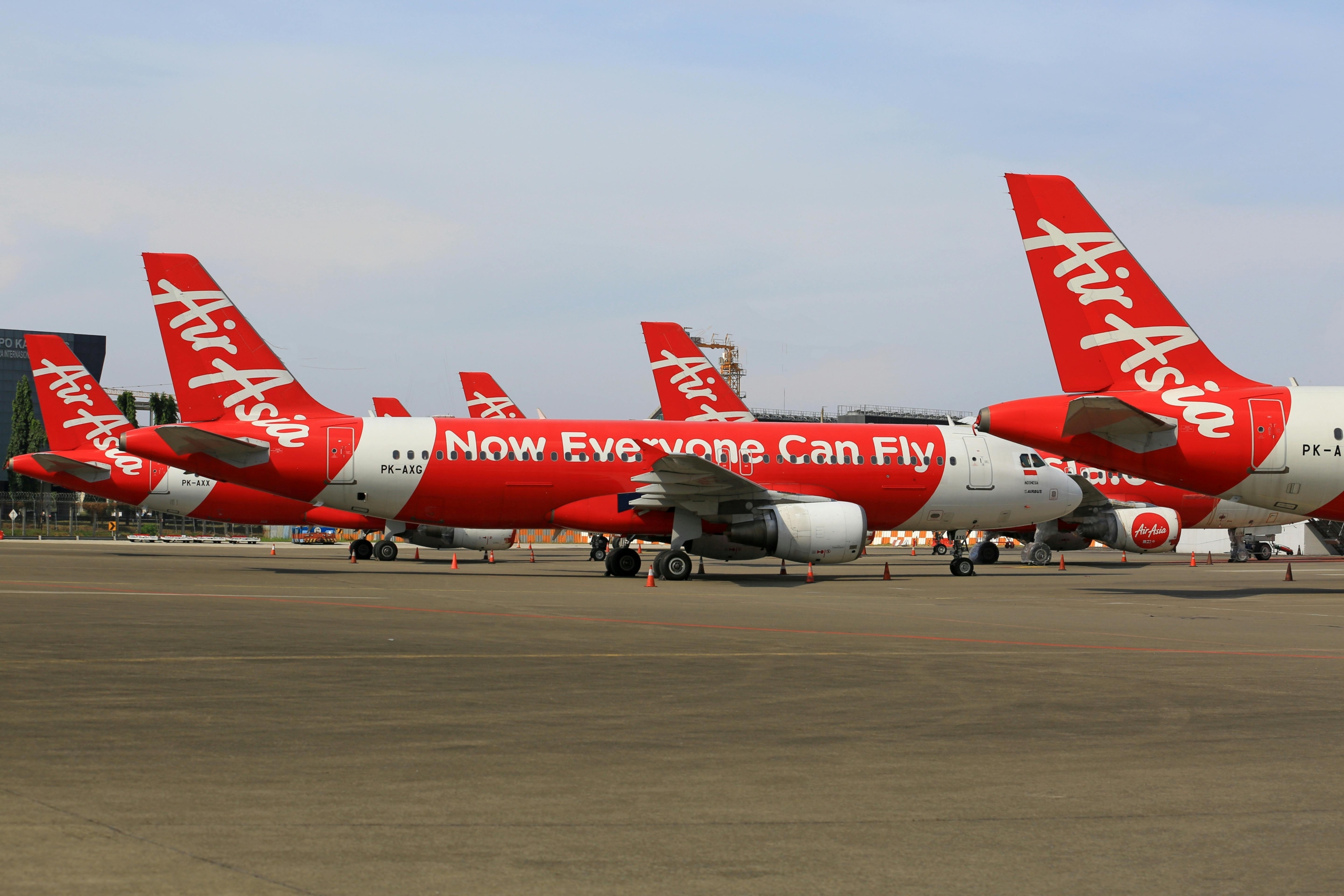
AirAsia itself is a low-cost airline, originally based in Malaysia, which operates across several Asian markets under different brands. These include AirAsia Malaysia, Thai AirAsia, Indonesia AirAsia, Philippines AirAsia and AirAsia Cambodia.
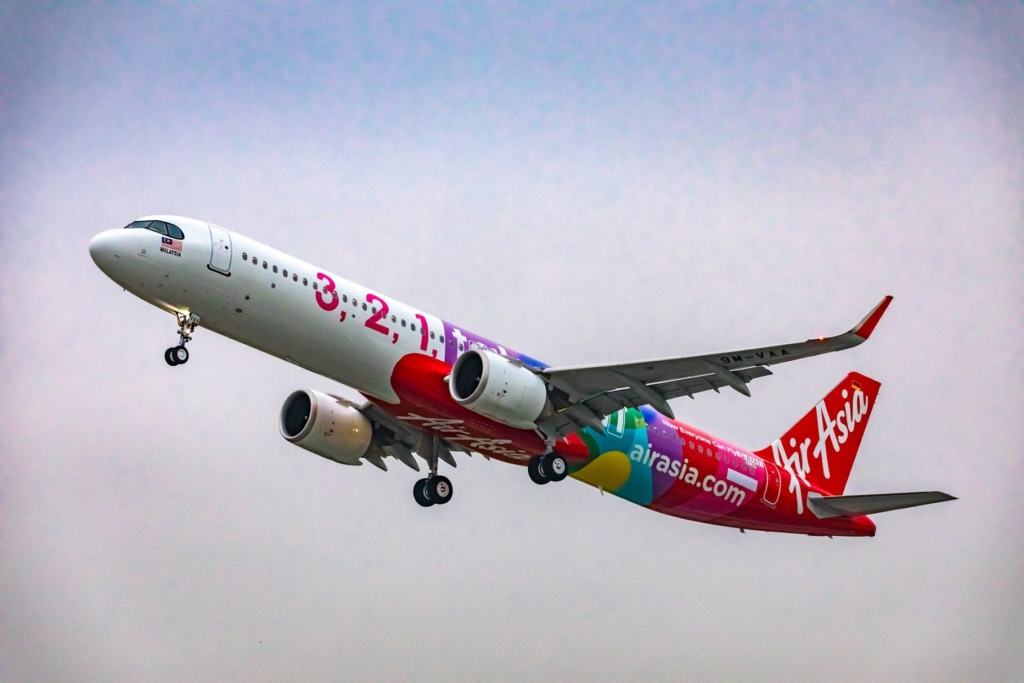
In total, the fleet of the Air Asia companies consists of 227 single-aisle Airbus A320 family aircraft flying generally short-haul point-to-point domestic and international routes across their respective markets.
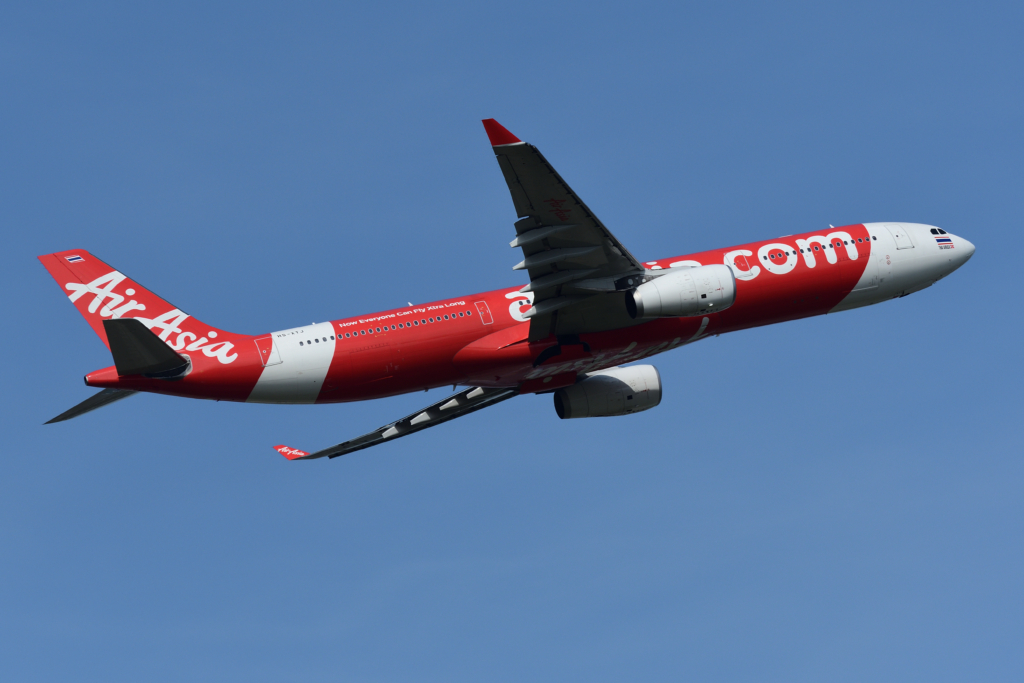
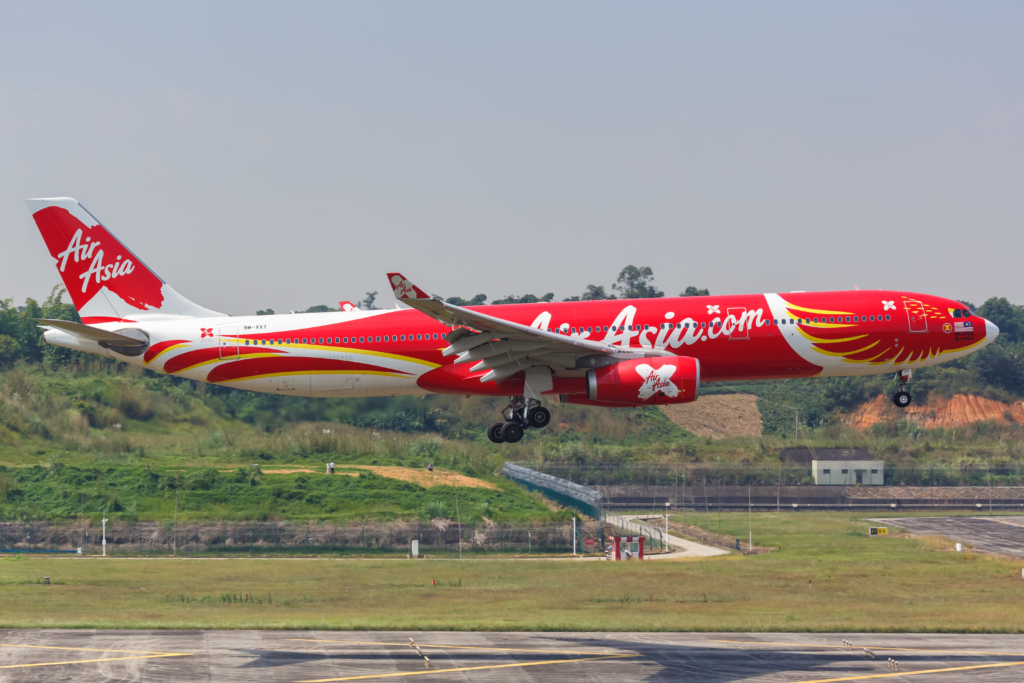
Kuala Lumpur-based AirAsia X, meanwhile, operates generally longer international sectors using a fleet of 19 Airbus A330 widebodies. Its Bangkok-based offshoot, Thai AirAsia X, operates a fleet of 11 of the same type for longer-haul flying.
Featured image: Pexels.com