Air India pilot faces DGCA scrutiny after twice flying a Boeing 787 with known defects

January 2, 2026

India’s civil aviation regulator has reportedly launched enforcement proceedings against an Air India pilot, alleging that two international services were operated despite recurring technical faults and a misapplication of dispatch rules.
The Directorate General of Civil Aviation (DGCA) has issued a ‘show-cause notice’ linked to flights AI-358 and AI-357 – between Delhi and Tokyo – alleging shortcomings in the handling of Minimum Equipment List (MEL) and associated aircraft dispatch practices.
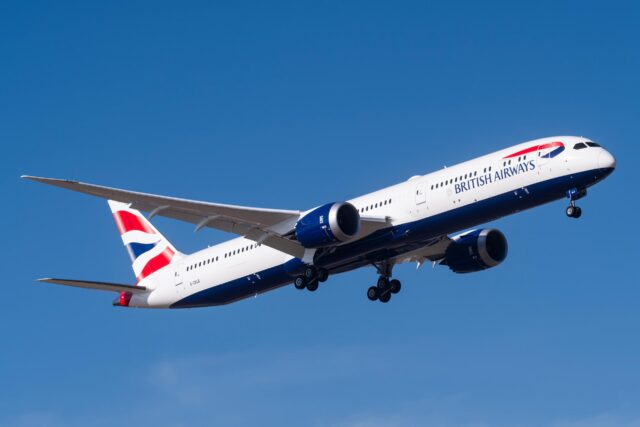
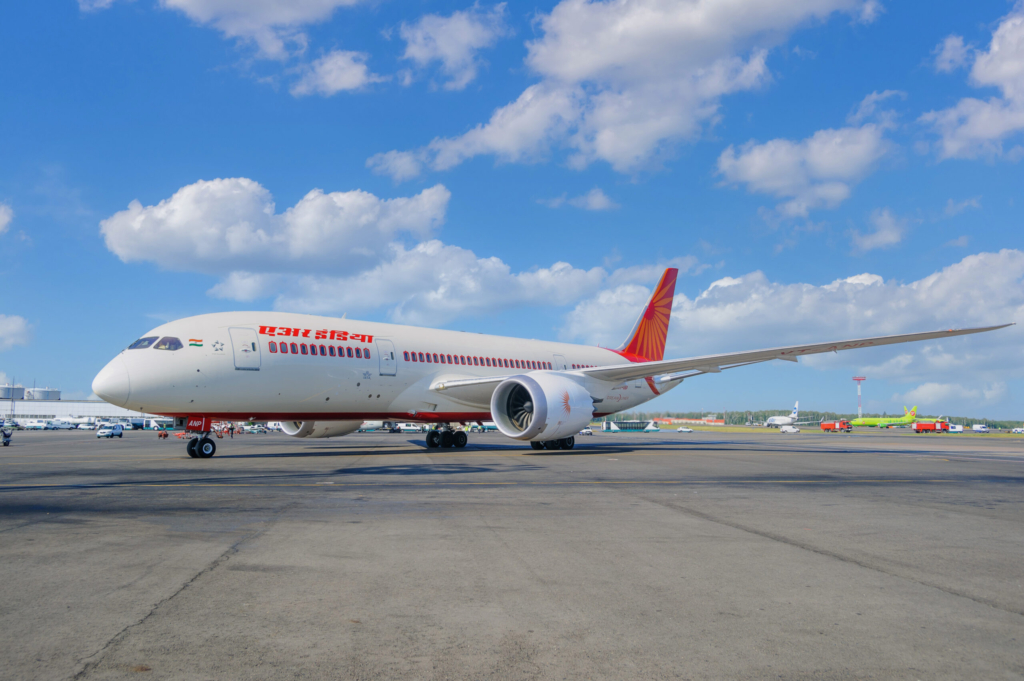
The action follows an investigation into the operation of aircraft VT-ANI, a Boeing 787-8 Dreamliner, during which regulators identified what they describe as a pattern of technical issues which were not adequately addressed prior to departing.
Air India: Repeated warnings and system degradation
According to the DGCA, the aircraft involved had logged multiple defects across successive sectors prior to the flights in question.
During the operation of AI-358, the flightcrew reportedly received alerts relating to the left air-conditioning pack and pack mode systems.
A smell of smoke was also apparently reported in the vicinity of the aircraft’s right-hand forward door during the flight.

The regulator alleges that these issues were not isolated events.
Records reviewed by the authority reportedly showed that similar technical issues affecting the same systems had been reported on at least five previous sectors, indicating an ongoing degradation rather than a one-off failure.
Despite this, the aircraft was accepted for service by the pilots, Deccan Chronicle and Hindustan Times reported.
MEL compliance under scrutiny by DGCA
Central to the DGCA’s case is the alleged misinterpretation and misapplication of MEL provisions.
The authority alleges that, on at least one of the sectors, the status of one of the fans did not meet the conditions required under the applicable MEL category, yet the aircraft was dispatched regardless.
In its notice, the regulator states that the aircraft was released with incompatible MEL items, in breach of India’s Civil Aviation Requirements (CARs).
It argues that the flightcrew did not demonstrate sufficient understanding of how individual MEL requirements interact, particularly when multiple systems are degraded simultaneously.
“During the operation of Flight AI-358 (and related operations of AI-357), serious safety concerns arose pertaining to aircraft dispatch, Minimum Equipment List (MEL) compliance, and flight crew decision-making,” the DGCA notes.
“During the operation of Flight AI-358, the operating crew received PACK ACM L and Pack Mode advisories.
“And a smell of smoke was reported near the R2 door … repetitive snags related to the same systems had been recorded on five previous sectors, indicating a known history of system degradation.”
Broader regulatory concerns
The show-cause notice cites alleged violations across multiple sections of the CAR framework, including those governing aircraft dispatch standards and flightcrew responsibilities.
The DGCA states that the crew failed to comply with requirements designed to ensure that MEL concessions are applied conservatively and only within clearly defined limits.
While the notice is directed at an individual pilot, its language points to wider systemic concerns, particularly around how repeated defects are tracked, escalated and ultimately resolved within airline operations.
The pilot concerned has been given 14 days to respond to the allegations.

The regulator has warned that failure to submit a response within the stipulated timeframe will result in the case being decided on the basis of available evidence, potentially leading to enforcement action.
A show-cause notice is a formal enforcement instrument issued by the DGCA that initiates disciplinary proceedings against an individual or organisation alleged to have breached aviation laws or regulatory requirements.
Heightened oversight of Indian airlines
The action comes amid intensified regulatory scrutiny of Indian airline operations.
India’s DGCA has sought to reinforce compliance standards across a rapidly expanding aviation market.
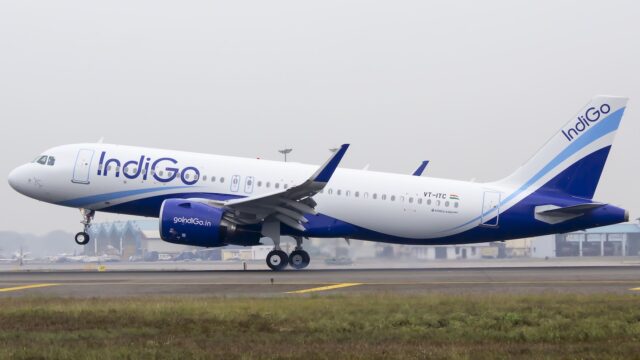
The investigation into the crash of an Air India 787 last year is still underway, and the regulator has also been kept busy with the scheduling meltdown at IndiGo after new pilot flight time limitations were introduced.
Featured image: Julian Herzog / Wikimedia