Air India faces enforcement action as Boeing 787 technical defects quadruple

February 24, 2026
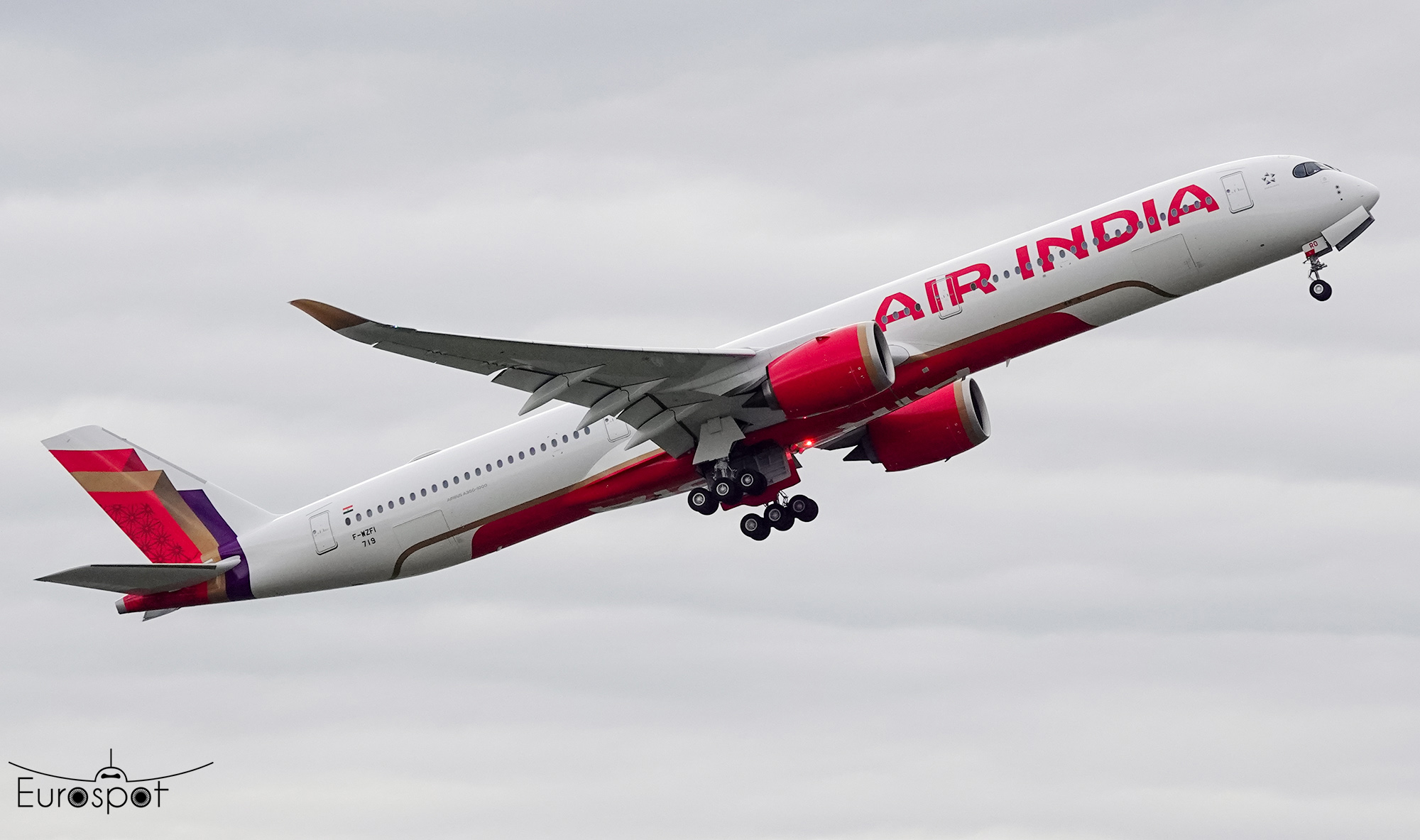
The rate of technical defects affecting Air India’s fleet has increased dramatically in the last year, according to new data obtained by the Reuters news agency.
The revelation comes amid increased scrutiny of Air India’s fleet and its safety record, following the crash of a Boeing 787-8 Dreamliner last year.
Air India reports 1.09 technical defects per 1,000 flights
According to the data obtained by Reuters, last month, the Indian flag carrier reportedly recorded 1.09 technical defects per 1,000 flights – this was four times the level recorded in December 2024, when the total sat at 0.26 per 1,000 flights.
The data was included in a document which was reportedly submitted to Indian authorities. Aerospace Global News has not seen the document. Air India has been contacted for comment.
The latest revelation suggests Air India saw 23 technical incidents in January across its more than 17,500 international and domestic flights. Some 21 of those led to a formal investigation.
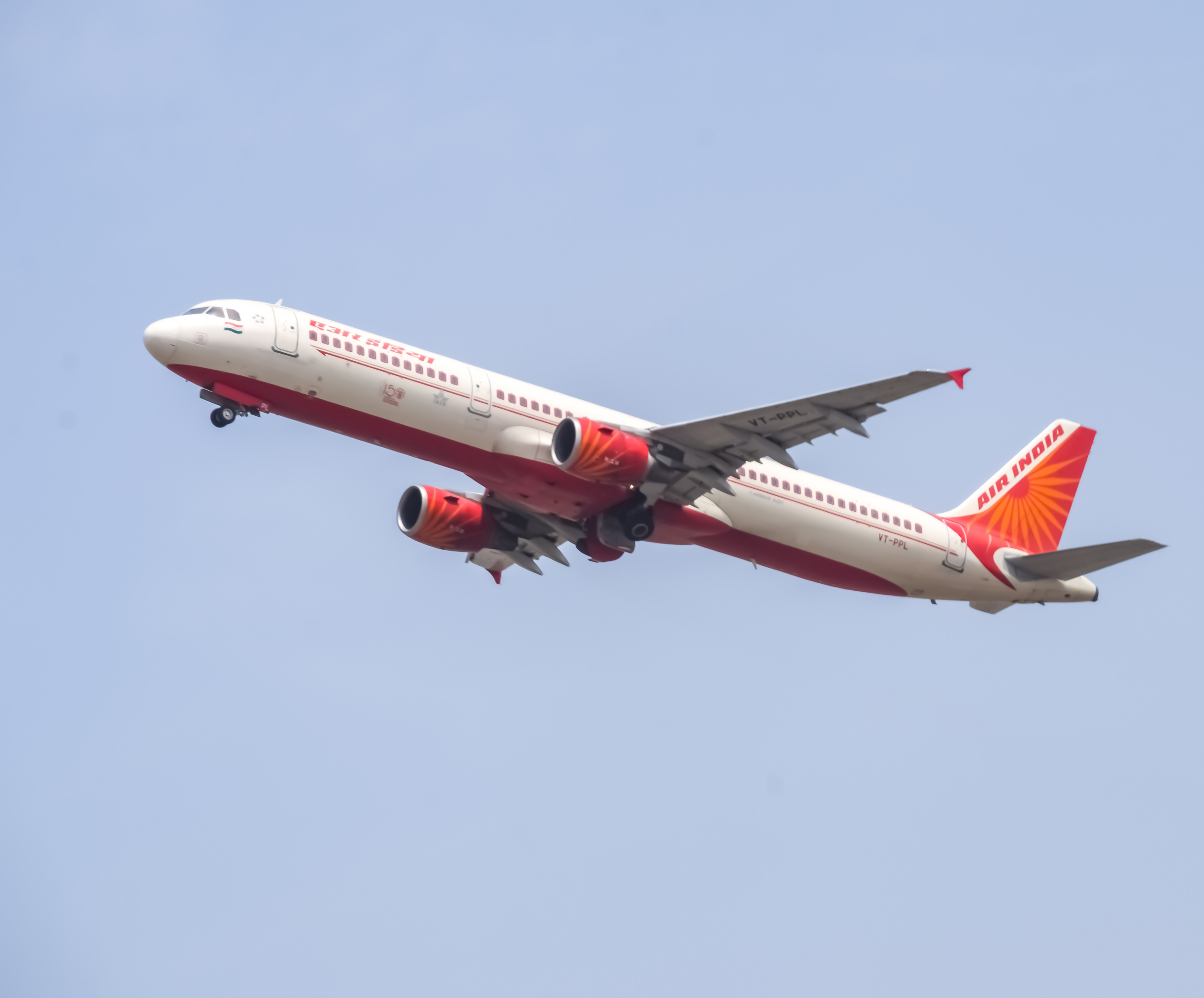
Reuters quoted Air India as saying that the airline had undertaken a “comprehensive programme to strengthen technical reliability” and that its spares inventory had increased by over 30%.
Indian regulator probes Air India over recurring Boeing 787 defects
The suggestion that Air India has seen a spike in technical defects comes as India’s civil aviation regulator reportedly launched enforcement proceedings after two Air India flights were operated despite recurring technical faults and a misapplication of dispatch rules.
The Directorate General of Civil Aviation (DGCA) issued a ‘show-cause notice’ linked to flights AI-358 and AI-357 – between Delhi and Tokyo – alleging shortcomings in the handling of Minimum Equipment List (MEL) and associated aircraft dispatch practices.
The action follows an investigation into the operation of aircraft VT-ANI, a Boeing 787-8 Dreamliner, during which regulators identified what they describe as a pattern of technical issues which were not adequately addressed prior to departing.
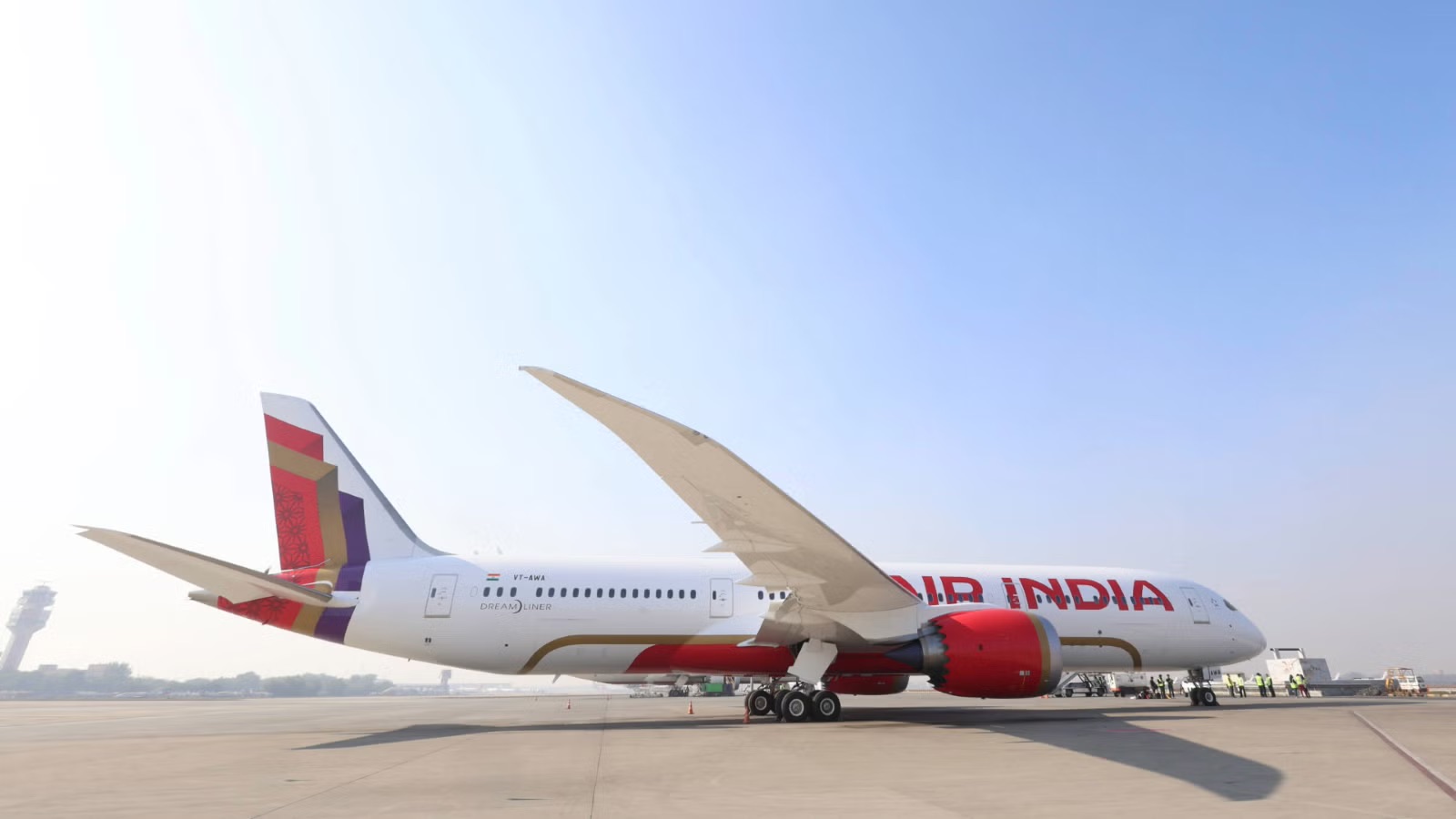
According to the DGCA, the aircraft involved had logged multiple defects across successive sectors prior to the flights in question.
During the operation of AI-358, the flightcrew reportedly received alerts relating to the left air-conditioning pack and pack mode systems.
A smell of smoke was also apparently reported in the vicinity of the aircraft’s right-hand forward door during the flight.
The regulator alleges that these issues were not isolated events.
Records reviewed by the authority reportedly showed that similar technical issues affecting the same systems had been reported on at least five previous sectors, indicating an ongoing degradation rather than a one-off failure.
Air India faces scrutiny after 787 crash and fleet inspections
Separately, a report at the beginning of February suggested more than seven in 10 of Air India group’s fleet had recurring technical defects.
Civil aviation minister Murlidhar Mohol said inspections carried out since January last year found repetitive defects in 191 of 267 Air India group aircraft surveyed.
From a total of 754 aircraft inspected from six Indian airlines, 377 were found to have recurring technical issues.
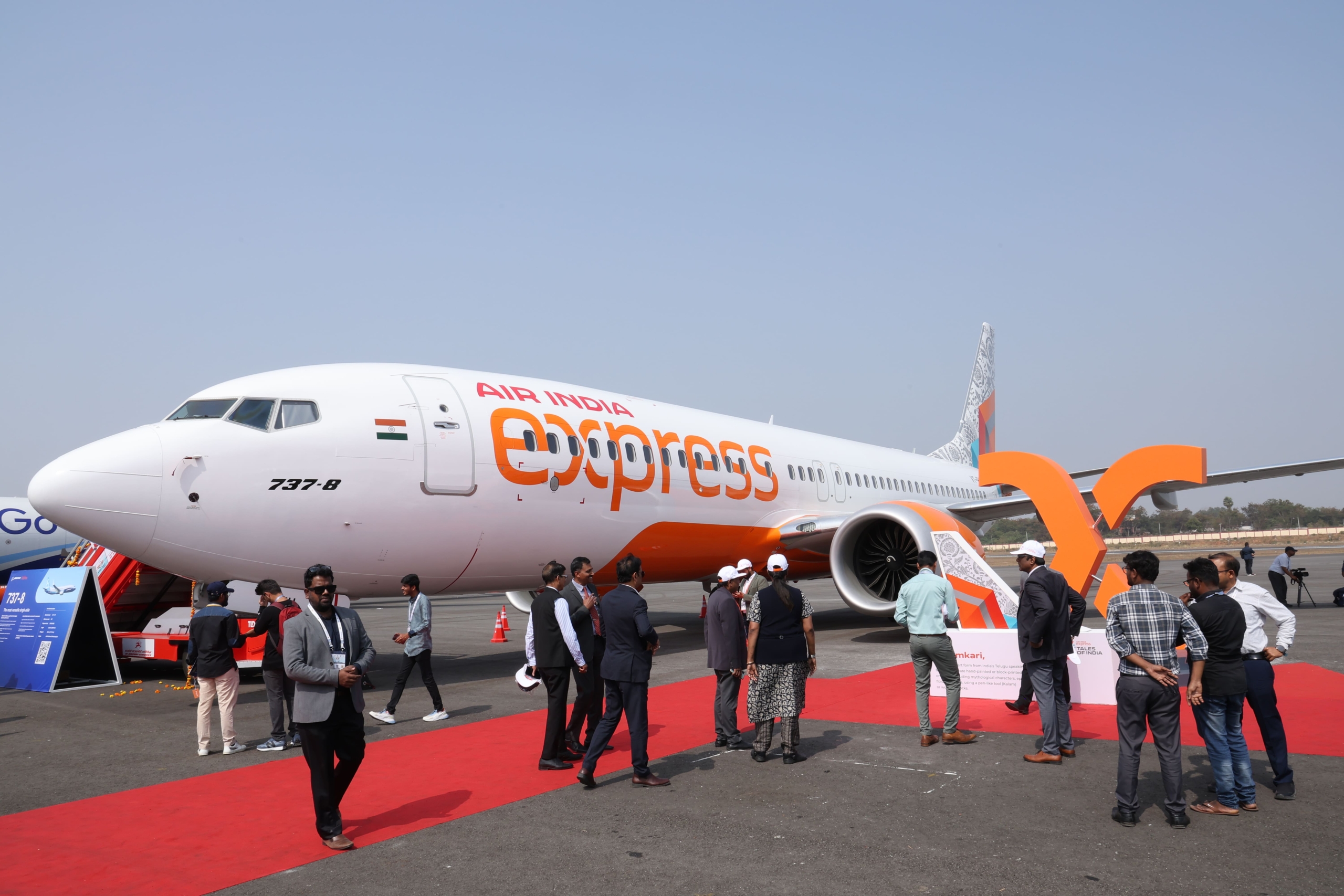
An Air India official told NDTV that most of the defects were related to lower-priority items, such as tray tables or seatback screens.
Elsewhere, one of Air India’s aircraft was grounded earlier this month over an issue relating to its fuel cut-off switch – the same switch which is a focus for investigators looking at the 787 crash in Ahmedabad.
An Air India pilot reported that the switch failed to stay in a selected position during pre-flight checks before a service from London to India.
However, the DGCA later said that the lock mechanism was working normally and that there was no cause for further investigation.
Featured image: Eurospot