10 deliveries in 1 day: How Airbus and Boeing are ramping up new aircraft handovers to meet year-end delivery targets

December 22, 2025
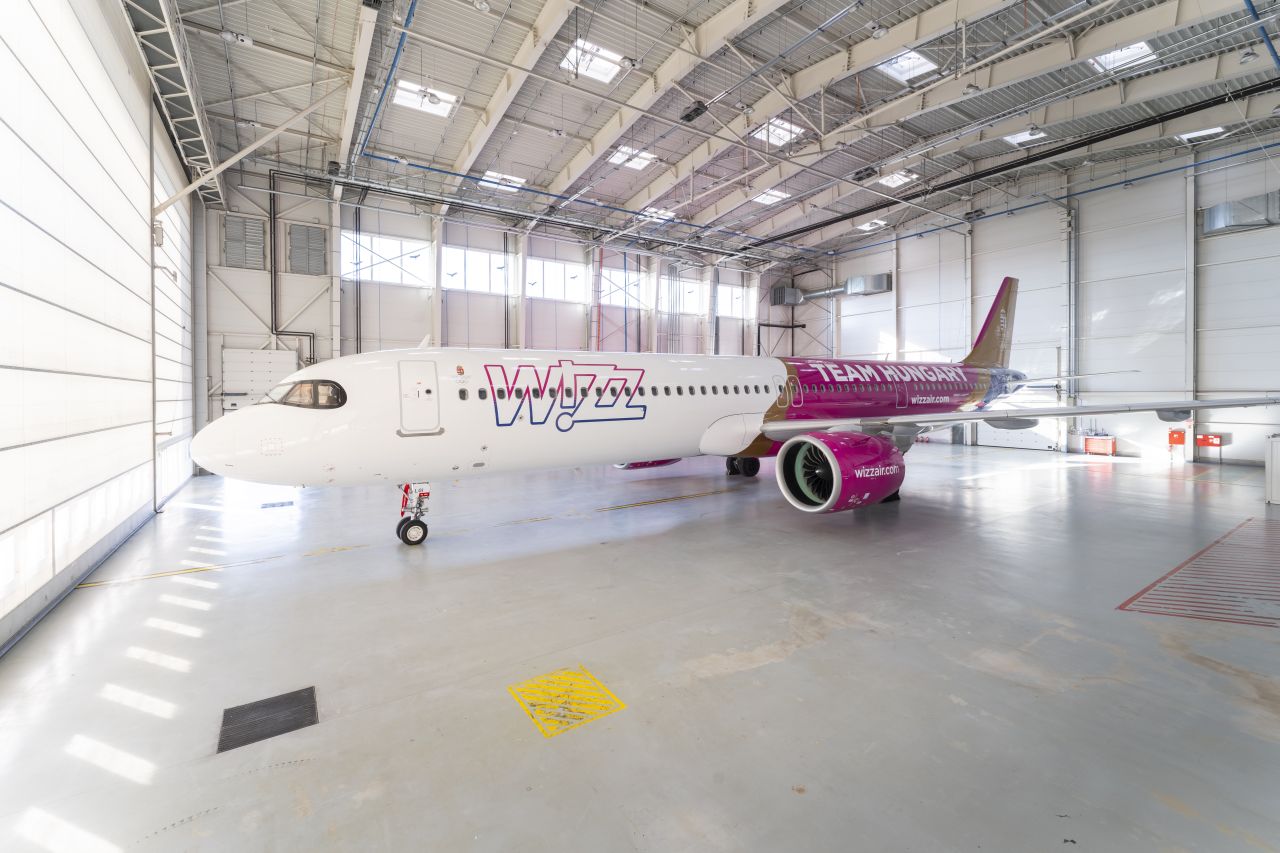
As the two main aircraft manufacturers, Airbus and Boeing, are striving to achieve their end-of-year handover targets, with both manufacturers ramping up deliveries of new aircraft to airline customers.
Yet, this late flurry of activity is about more than just reaching pre-set targets. The two companies are also seeking to reduce their sizeable order backlogs and keep hungry airline customers satisfied, while also sending a positive message that 2026 will see a restoration of delivery schedules and a reduction in production delays.
10 new Airbus A321 aircraft were delivered in just one day
A good indicator of just how keen the OEMs (original equipment manufacturers) are to hit their annual delivery targets is that on Friday, 19 December, Airbus reported that it had delivered ten new Airbus A321 aircraft to customers in a single day.
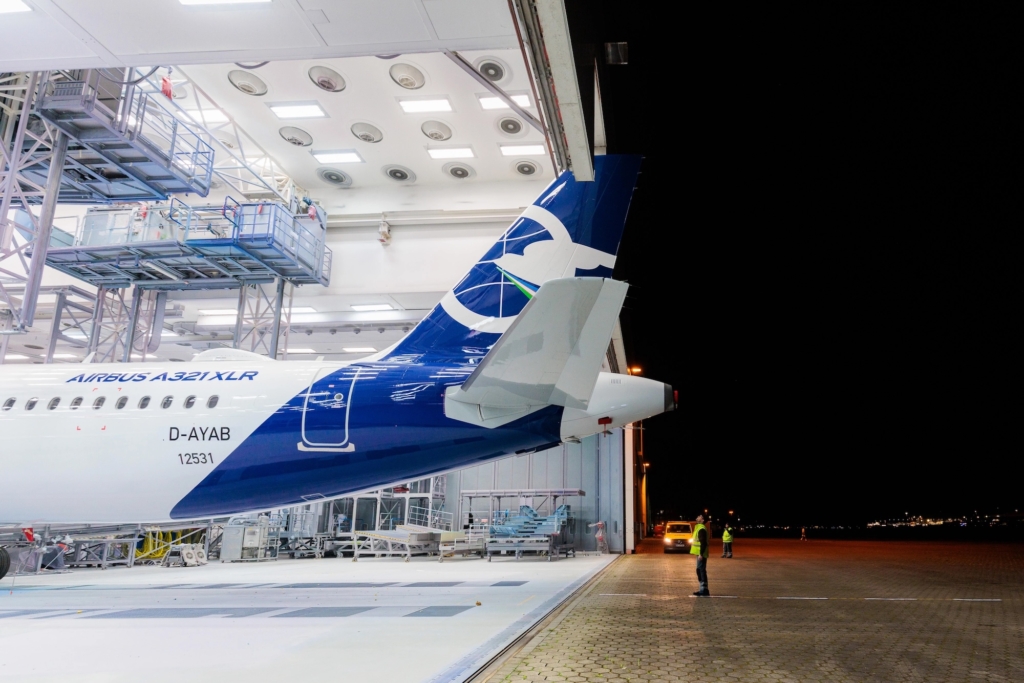
This impressive figure included one from the company’s plant in Toulouse (France), five from Hamburg-Finkenwerder in Germany, and four from its factory in Tianjin, China.
According to the Facebook site Airports and Plane Spotting, these aircraft are intended for various airlines around the world, including:
- HA-LDH (MSN 12823), A321-271NX, Wizz Air, Toulouse to Budapest
- B-18123 (MSN 12868), A321-271NX, China Airlines, Hamburg to Bangkok
- 9V-NCM (MSN 12821), A321-271NX, Scoot, Hamburg to Singapore
- 9H-WMQ (MSN 12922), A321-271NX, Wizz Air Malta, Hamburg to Rome
- 9M-CAB (MSN 12903), A321-251NX, AirAsia, Hamburgh to Kuala Lumpur
- VT-NHJ (MSN 12798), A321-251NX, IndiGo, Hamburg to Delhi
- B-32PK (MSN13037), A321-252NX, Air China, Tianjin to Peking
- HA-LDK (MSN13052), A321-271NX, Wizz Air, Tianjin to Budapest
- B-32PL (MSN13039), A321-252NX, Air China, Tianjin to Peking
- B-32PJ (13026), A321-252NX, Air China, Tianjin to Peking
While the delivery centres at each of these three plants, in addition to the A220 final assembly plant for the A220 located in Mobile, Alabama, were aiming to deliver around 65-70 new aircraft per month throughout 2025, ten of one type in one day is an impressive figure by any measure.
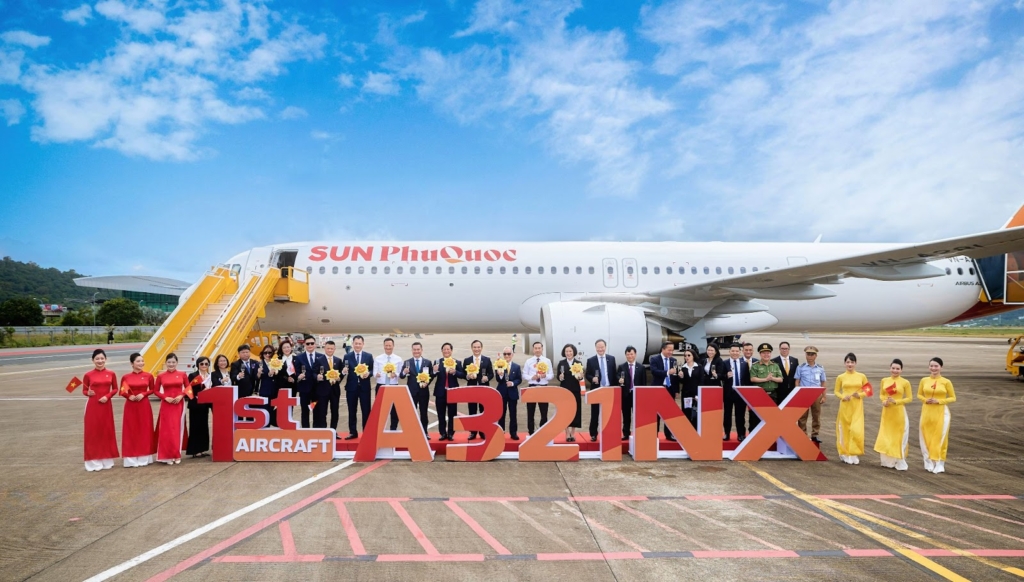
The ten deliveries listed above mean that the airline recipients have one more aircraft in their fleet at the start of 2026 to deploy on new routes, to increase frequencies or replace ageing and less fuel-efficient aircraft in their fleets.
The arrival of each of these aircraft will have been anticipated for many months, and their arrival will mark the next stage in the carrier’s development.
December is proving to be a bumper month for deliveries
According to data obtained from Planespotters.net, so far in December, there have been 33 new commercial aircraft handed over to their airline owners.
This figure includes 17 A320neo family aircraft, six Boeing 737 MAX family planes, and one example each of an A330neo, a Boeing 777F, and a 787-9 Dreamliner.
Additionally, the keys to four A350s were also handed over, along with those to an ATR 72, an Embraer ERJ135 and an Airbus A220 single-aisle airliner.
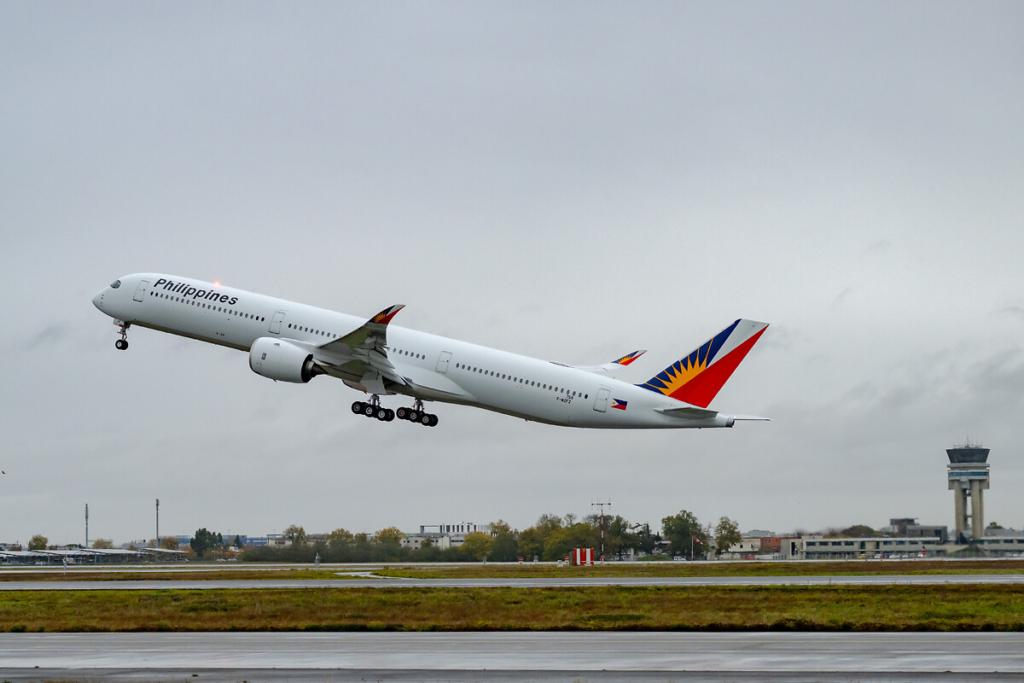
Traditionally, the month of December has always been the annual pinnacle of aircraft delivery activity, as the OEMs battle to reach their well-publicised delivery targets for the year.
Whether the OEM reaches their target or falls short is taken by the wider aviation industry as a bellwether for how each organisation is doing, as a new year looms and delivery backlogs lengthen.
How Airbus is likely to end the year
At the start of 2025, Airbus forecast that the company would deliver 820 new aircraft throughout the 2025 calendar year. Due to ongoing supply chain bottlenecks and quality issues, this figure was later revised downwards to 790 aircraft, an average of around 66 aircraft per month.
In November (the last complete month for which data is available), the planemaker achieved 72 deliveries that month, including A320neo family jets, A220s, A330s, and A350s, serving 42 customers, with the A320s dominating the narrowbody numbers.
By 30 November, the running total of deliveries for Airbus for 2025 equated to 657, some 133 short of its annual target.
However, with an uptick in new aircraft handovers in December, it is thought that the target could still be reached, although analysts said it was more likely that the company would end the year with around 770-780 deliveries, still coming up just short of its revised target.
What is the forecast for Boeing deliveries in 2025?
In November 2025, Boeing delivered 44 commercial aircraft (32 narrowbody 737 MAXs, six 787s, two 777 Freighters, and four 767s) but faced a dip from October when it delivered 53 jets.
During the month, 32 737 MAX aircraft were delivered, including five to Southwest, three to American Airlines, two to Alaska Airlines and one to United.
Deliveries of 787s saw two delivered to TAAG Angola Airlines, while Turkish Airlines and Aerotranscargo each took a single Boeing 777F.

Boeing’s deliveries lagged behind those of Airbus for the month, reflecting “ongoing production challenges”, according to the company. However, order momentum, particularly for the 777X and 787 Dreamliner widebodies, showed renewed customer confidence in the firm’s product range, added the company.
By the end of November, Boeing had delivered almost 540 aircraft. With its delivery rate still significantly slower than in previous years (due largely in part to FAA-imposed restrictions on the 737 MAX production rate), the organisation had forecast it would deliver 590 to 610 deliveries by the end of the year if it managed to hit a December high.
According to analysts, with 537 already delivered by the end of November, Boeing should end the year landing somewhere between the lower and upper figures in that range.
The current state of new aircraft orders and backlogs
On the order side, for the year to date, by the end of November, Boeing had accumulated 1,000 gross orders, maintaining a clear lead over Airbus’s 797 gross orders for the year to date.
As of 30 November, Airbus reported a backlog of 8,695 commercial aircraft. Based on its own forecast of 790 new aircraft deliveries in 2025, Airbus’s current backlog represents approximately 11.0 years of deliveries at the forecasted pace.
The backlog remains heavily concentrated in narrowbody aircraft, with the A320neo family accounting for the vast majority of outstanding orders.
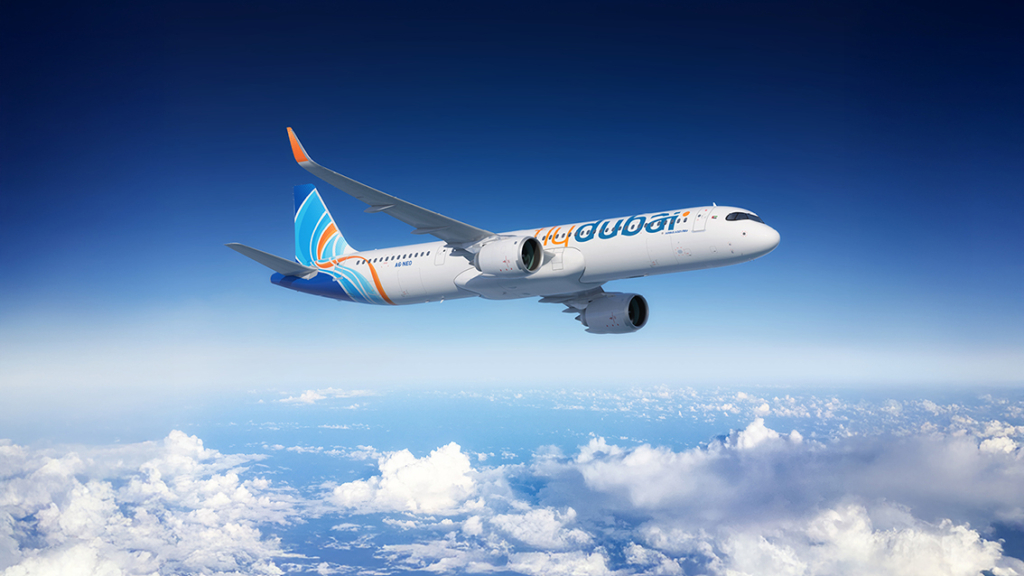
Meanwhile, Boeing’s backlog stood at 6,609 aircraft at the end of November, excluding legacy 777-300ER positions. Using the company’s annual delivery forecast of 590 aircraft, Boeing’s backlog equates to approximately 11.2 years of deliveries at the current projected delivery rate, just slightly longer than that of its European rival.
Boeing’s backlog is dominated by next-generation narrowbodies, led by the 737 MAX, alongside a meaningful widebody component across the 787 and 777 programmes.
Featured image: Anna Zvereva / Wikimedia Commons