


The day the signal dies: Inside the race to survive a ‘Silent GPS’ attack
5 min read

Dr Tanya Suarez leads Janus Allies, the UK accelerator supporting dual-use technology companies through NATO’s Defence Innovation Accelerator for the North Atlantic programme. She is also founder and CEO of deeptech accelerator IoT Tribe. Janus Allies is a delivery partner for UK Defence Innovation and NATO DIANA.
Imagine this: it’s 08:42. GPS signals across London have not yet vanished but have slowly begun to drift. There’s no catastrophic explosion, no dramatic blackout, no sirens sounding. Instead, modern civilisation is starting to unravel as streets are beginning to fill with daily London traffic. Across the capital, logistics networks halt, financial trading systems desynchronise, and emergency response vehicles lose precise routing.
Although a fictional example, the threat is real for societies across the globe. Our infrastructure hinges on Position, Navigation and Timing (PNT) – the technologies that can pinpoint an exact geographical location, guide movements from point-to-point and synchronise precise universal time. This makes these technologies critical for services such as transport, telecommunications and financial systems.
PNT operates in the background, often without anyone noticing it’s even there. Our societal dependence has started to form a “silent failure layer” – a vulnerability that leaves nations underprepared if signals ever fail. A vulnerability that is a core pillar of adversarial grey-zone operations.
The modern frontline
The “silent failure layer” is most evident in the global defence sector, where modern militaries have become dependent on PNT signals. Electronic warfare (EW) and signal jamming are now everyday operational realities on the front lines. State adversaries have consistently demonstrated how easily they can jam or manipulate GPS and satellite signals.
Rather than destroying command centres with traditional missiles, enemies now have the capabilities to send our communications systems off course from over 50 miles away, often without forces knowing until critical hardware starts to fail. This has changed the nature of warfare and has proven that when satellite systems go down, modern defence systems can quickly become obsolete.
National security now requires the defence sector to acknowledge that resilient, non-satellite PNT is becoming as critical as firepower. If an adversary can disable a nation’s supply chain, energy grid and front-line defence weaponry without firing a single shot, the battle is effectively lost before a physical fight can even begin. Equally as dangerous is the social unrest that can surface when everyday life is disrupted. Unrest that can be manipulated to undermine our democracies.
The sovereign defence ecosystem
Closing this window of vulnerability has required a fundamental shift in how NATO and its Allies approach technological innovation. It’s now imperative to transition rapidly away from single-point-of-failure architectures toward a multi-layered ecosystem of resilient, alternative technologies.
Across the defence technology landscape, a new cohort of specialised innovators, operating in Contested Electromagnetic Environments, are building the new infrastructure necessary to survive the post-GPS combat scenario. Below is a selection of the startups working across the NATO alliance, with solutions that can address the threat from every layer of operational dependency:
TERN AI
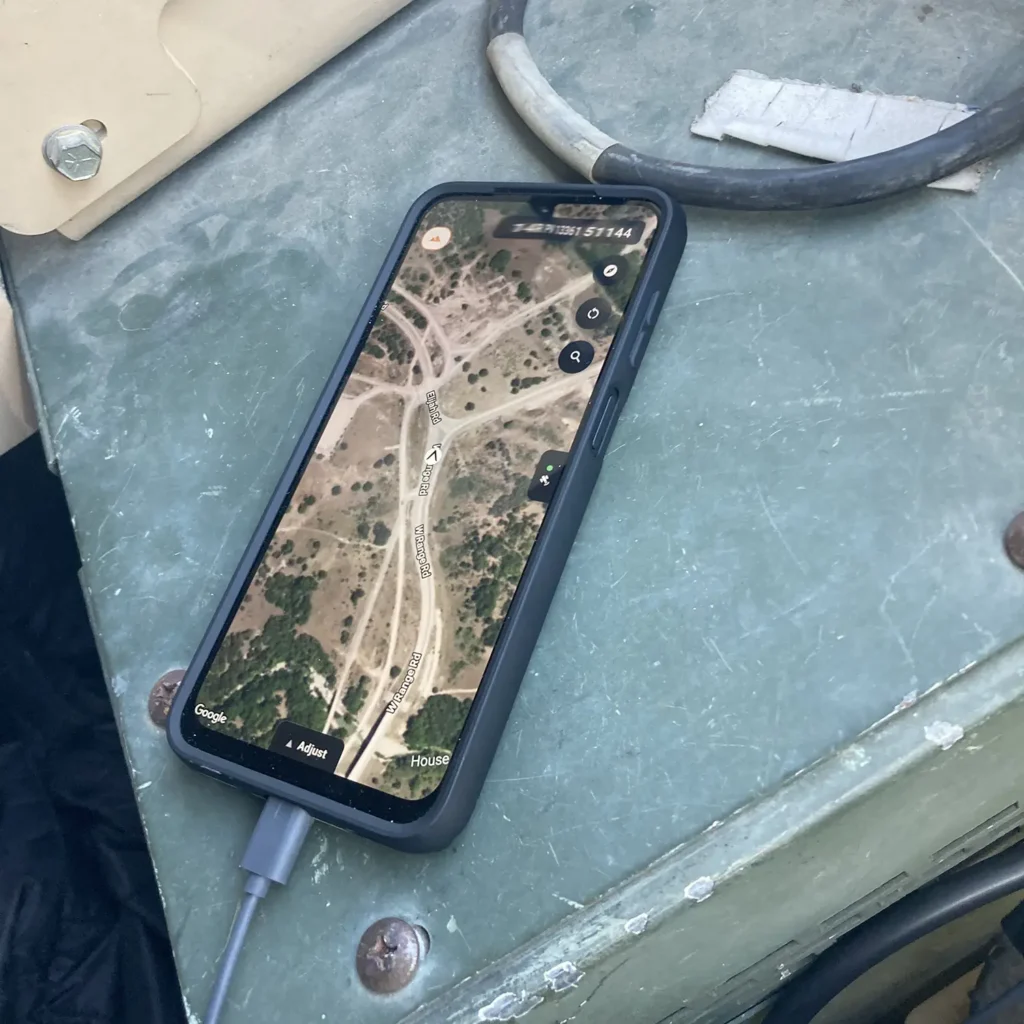
When space-based infrastructure is denied or congested, assets must navigate using local, unjammable inputs. Companies like Texas-based TERN AI are developing positioning systems that operate completely independent of satellite networks. By leveraging localised, resilient data inputs, vehicle dynamics and alternative sensor fusion, autonomous systems and military teams can maintain pinpoint navigational precision even when satellite links are severed.
SDQ Solutions Canada
Even when satellite connectivity is available, it must be trusted. Signal spoofing, where an adversary feeds false PNT data to mislead friendly fire units, can be more dangerous than jamming. SDQ Solutions in Canada is tackling this threat through its quantum-resistant anti-spoofing system.
By authenticating Global Navigation Satellite System (GNSS) signals and mapping spoofing spots in real time, SDQ’s solution strengthens resilience in autonomous systems, drones and critical infrastructure. Their systems ensure incoming navigational data is authenticated and checked for manipulation, despite the use of heavy electronic countermeasures by sophisticated state adversaries.
Testnor
All technology needs to be tested in adverse environments before it’s deployed on the front line; Norwegian company Testnor specialises in testing the robustness of hardware and software in real-world conditions. It simulates cyber and environmental attacks, including GPS jamming, for autonomous systems and defence applications. This ensures that defence systems perform seamlessly under battlefield conditions before they ever reach the front lines.
FOSSA Systems
When primary data highways fail, secondary channels become vital. FOSSA Systems is a Spanish company that addresses this gap through low-power, highly resilient satellite constellation networks. The satellites are designed to act as an unwavering backup layer for critical military assets when conventional satellite broadband is disrupted.

Advanced Materials Applications
Western forces’ increased reliance on Uncrewed Surface Vessels (USVs) and autonomous hardware in harsh maritime sectors demands extreme durability. Advanced Materials Applications is a materials company, originating in Estonia and headquartered in London, turning a critical rare-earth magnet supply-chain vulnerability into immediate operational advantage.
The next-generation metal nanoparticles deliver the magnetic performance of rare-earth permanent magnets without using rare-earth elements, enabling comparable or better performance at lower cost. These nanoparticles enhance the torque and range of motors, actuators and generators on unmanned platforms, enabling advanced radar signature management.
Sovereignty through resilience
Modern warfare depends as much on civil and military resilience as it does on traditional machinery. By supporting the development of specialised innovators, NATO and its Allies can close the window on signal-based vulnerabilities. Technological resilience means ensuring our platforms remain operational even when satellites fail, so transitioning away from single-point-of-failure technologies is a strategic imperative.
Data sovereignty and security are goals that the Alliance must work in unison to protect. Building a world where losing GPS doesn’t mean losing control is critical to ensuring autonomous defence networks can function, vehicles keep moving, vital civil infrastructure remains operational, and people stay safe.
Sign up for our newsletter and get our latest content in your inbox.


More from


January 15, 20251 min read

January 15, 20251 min read


April 18, 20241 min read


July 22, 20222 min read


November 21, 20232 min read