


IndiGo’s new CEO calls India’s widebody aircraft shortage a ‘scandal’ as global supply tightens

5 min read
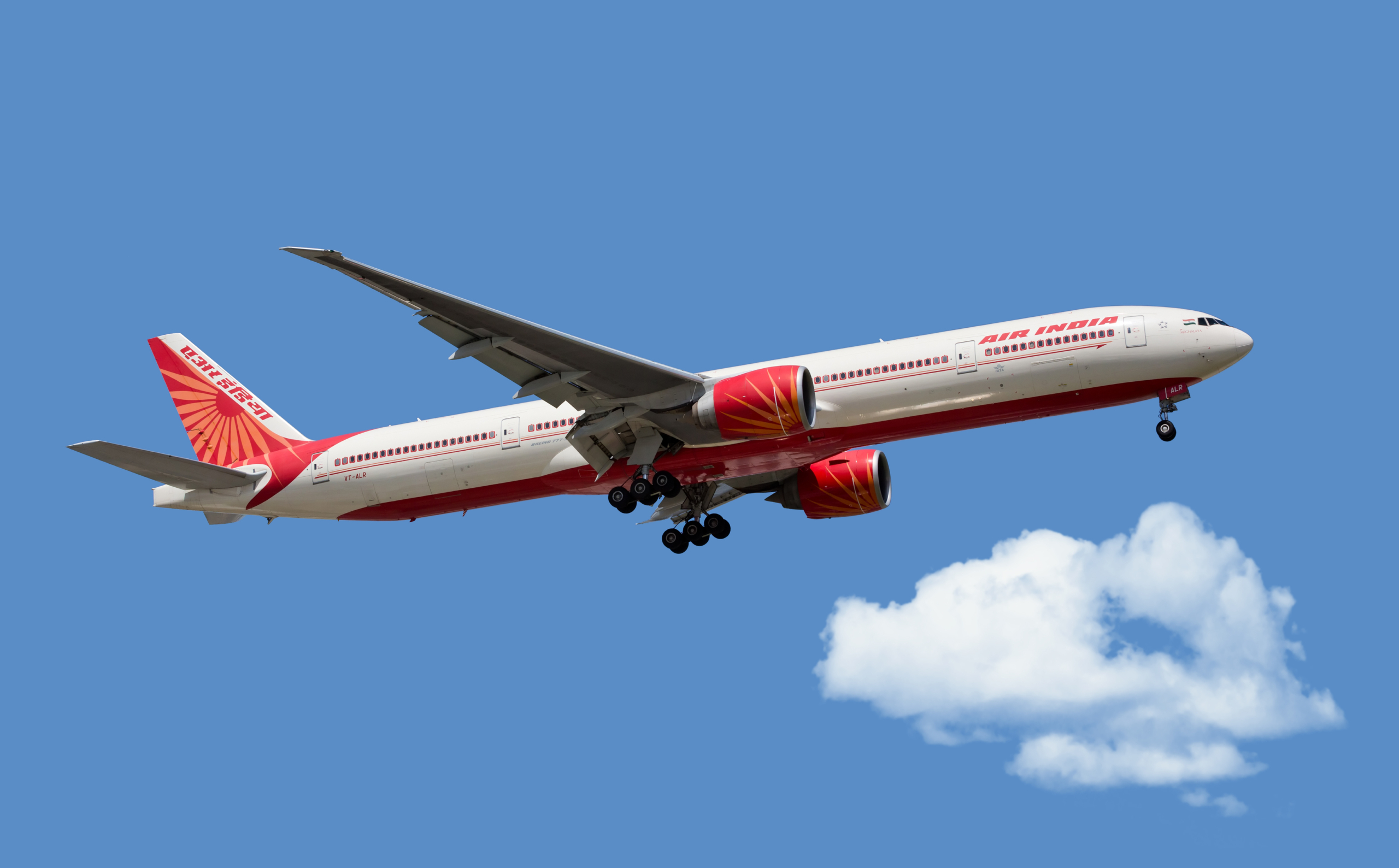
India’s shortage of widebody aircraft has come under renewed scrutiny after incoming IndiGo chief Willie Walsh described the situation as a ‘scandal’, highlighting a structural gap that is increasingly shaping how the country connects to global markets.
Speaking to the BBC, Walsh pointed out that a country of India’s size continues to operate a relatively small long-haul fleet, leaving it dependent on foreign carriers and overseas hubs for intercontinental travel.
India operates only around 50 widebody aircraft for a population of 1.4 billion, equivalent to roughly one aircraft per 28 million people. By comparison, United Airlines alone operates more widebodies than India’s entire fleet.
That critique lands at a time when the global aviation system itself is grappling with a shortage of widebody aircraft, raising questions not just about India’s fleet strategy, but about the availability of aircraft worldwide.
Global widebody aircraft shortage constrains airline growth
According to a report by Reuters citing aircraft lessor Avolon, the shortage of widebody aircraft is expected to persist well into the 2030s.
The report notes that widebody production remains significantly below pre-pandemic levels, with deliveries still roughly half of what they were in the 2010s.
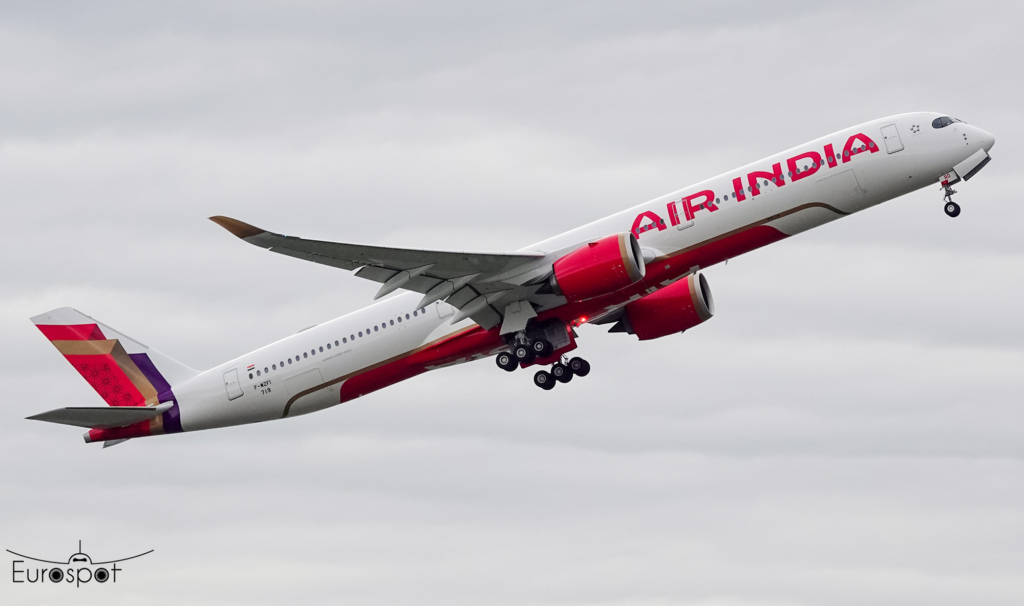
Avolon estimates that around 4,000 fewer aircraft than planned will be built this decade due to supply chain disruptions and production constraints, tightening capacity just as international travel demand rebounds.
“The structural undersupply of wide-bodies will last longer than the market anticipates,” the report noted, adding that the impact will be felt most strongly in markets outside the United States where international traffic is growing faster.
For India, that creates a double constraint: limited domestic widebody capacity and a global shortage that makes expansion more difficult.
Airlines extend ageing widebody aircraft and invest in retrofits as delivery delays persist
With new aircraft deliveries slowing, airlines worldwide are increasingly relying on existing fleets to bridge the gap.
Analysis by Cirium shows that the Airbus A330-300 remains a key workhorse, accounting for around 13% of all widebody passenger aircraft in service, with more than 600 aircraft still active.
Crucially, around 77% of all A330-300s built remain in service, with an average age of about 14 years, an indication that airlines are extending the operational life of existing aircraft rather than replacing them.
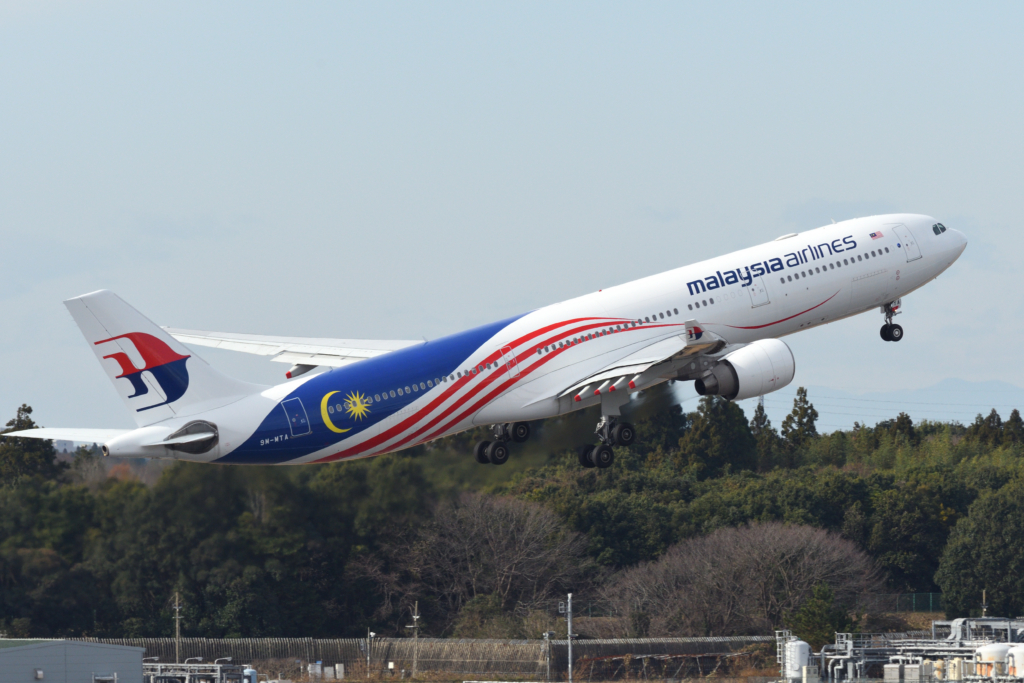
The trend is reinforced by rising asset values. Cirium data shows that market values for the A330-300 have increased by around 20% since early 2025, while lease rates have climbed by roughly 15%.
At the same time, airlines are investing heavily in cabin retrofits to keep older aircraft competitive. Since 2020, at least 57 A330-300s have undergone interior upgrades, often adding premium economy cabins and new business-class products.
The strategy reflects a broader industry shift: rather than waiting for delayed deliveries, carriers are extracting more value from existing widebodies.
India’s widebody fleet gap stands out despite rising global demand
Against this backdrop, India’s widebody gap appears even more pronounced.
While global carriers are extending the life of widebody fleets and investing in upgrades, India continues to operate a relatively small number of long-haul aircraft for its population and traffic potential.
Walsh’s comments point to a structural imbalance: India generates significant outbound demand, yet much of that traffic is still carried by foreign airlines through hubs in the Gulf and beyond.
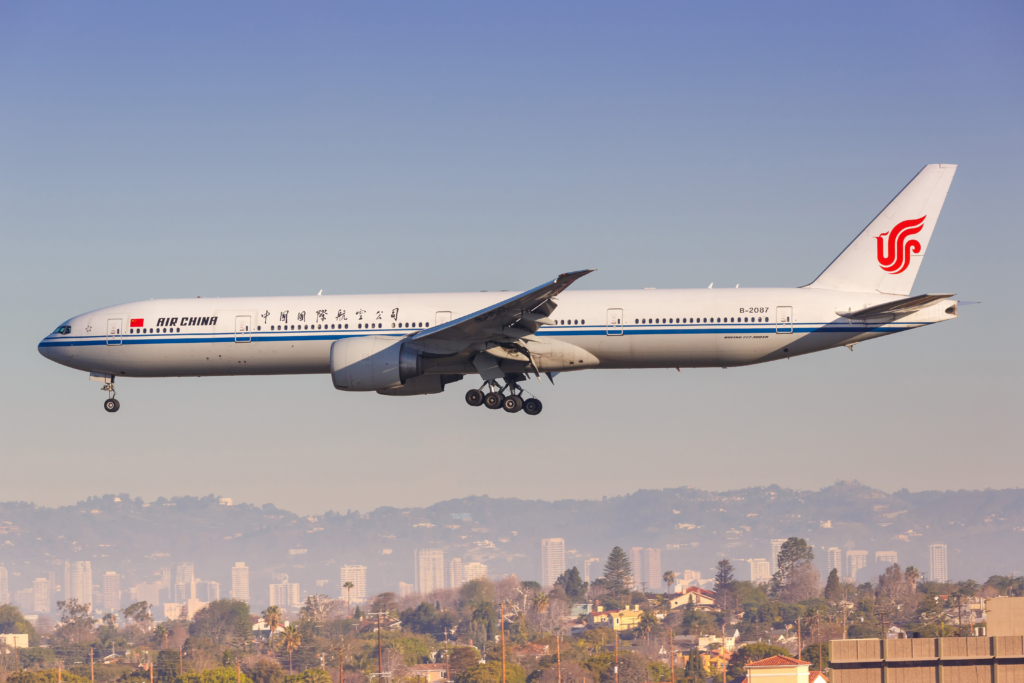
In contrast, markets such as China have deployed widebody aircraft more extensively, including on high-density domestic routes, while Gulf carriers have built entire business models around large widebody fleets.
Cirium’s broader fleet data shows how concentrated widebody capacity can be. Around 20% of A330-300 aircraft, for example, are operated by Chinese airlines alone, highlighting how other large markets have built scale in long-haul operations.
India emerges as key growth market but faces structural constraints
Avolon’s outlook identifies India, alongside the United Arab Emirates and Saudi Arabia, as one of the key markets that will drive aircraft demand in the coming years.
Yet India’s ability to capitalise on that growth will depend heavily on how quickly it can expand its widebody fleet.
A March 2025 report by Reuters had indicated that Air India is exploring a fresh multi-billion-dollar order for dozens of widebody jets from Boeing and Airbus.
The deliberations involve 30 to 40 aircraft split between the Airbus A350 and Boeing 777X models, with one source suggesting the potential deal could exceed 50 jets. The airline has 50 Airbus A350s, 10 Boeing 777Xs and 20 787 Dreamliners on order between the two deals.
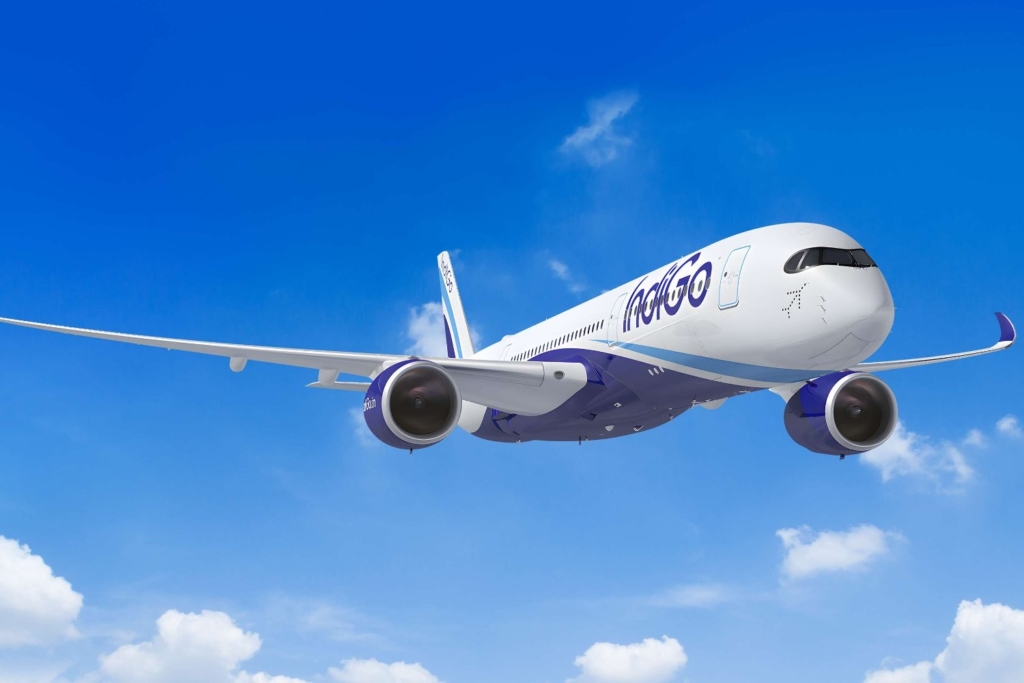
IndiGo, on the other hand, last year had agreed to place an order for 30 firm A350-900 aircraft, which will enable the airline to spread its wings further and expand its network.
The exact configuration of the aircraft will be decided at a later stage, and the deliveries are expected to start from 2027.
In addition to the A350-900 order, IndiGo has purchase rights for an additional 70 Airbus A350 aircraft, at its discretion, for possible future needs under certain conditions.
The challenge is not just acquiring aircraft, but doing so in a market where supply is constrained, and competition for available capacity is intensifying.
India’s widebody shortage creates long-term structural imbalance in global aviation
The combination of limited new aircraft supply and ageing fleets is forcing airlines to rethink their long-haul strategy.
Many carriers are now planning retrofit programmes years ahead of new deliveries. Airlines, including Delta Air Lines, Finnair and Cathay Pacific, are upgrading cabins, adding premium economy and aligning older aircraft with new product standards rather than retiring them.
This approach allows airlines to maintain capacity and yields while waiting for new-generation aircraft such as the A330neo and A350 to arrive.
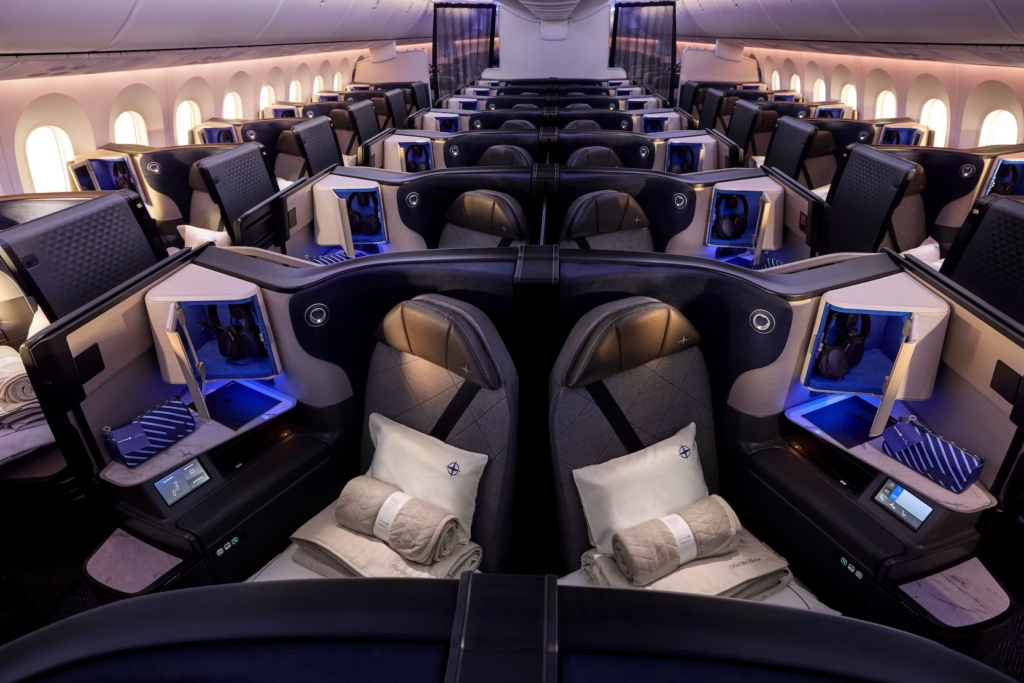
However, it also reflects a deeper issue: the industry’s inability to produce widebody aircraft at the pace required to match demand.
Walsh’s description of the situation as a ‘scandal’ reflects more than a headline-grabbing remark-it points to a deeper structural issue.
India’s aviation market is expanding rapidly, supported by infrastructure growth and rising passenger demand. But without a corresponding increase in widebody capacity, much of that demand will continue to flow through foreign carriers.
At the same time, global supply constraints mean that even as Indian airlines move to expand, they are entering a market where aircraft are scarce, older fleets are being retained longer, and delivery timelines are increasingly uncertain.
Featured image: Carlos Yudica / stock.adobe.com


