FAA ends iconic parallel landings at SFO as airport braces for a summer of delays

3 min read
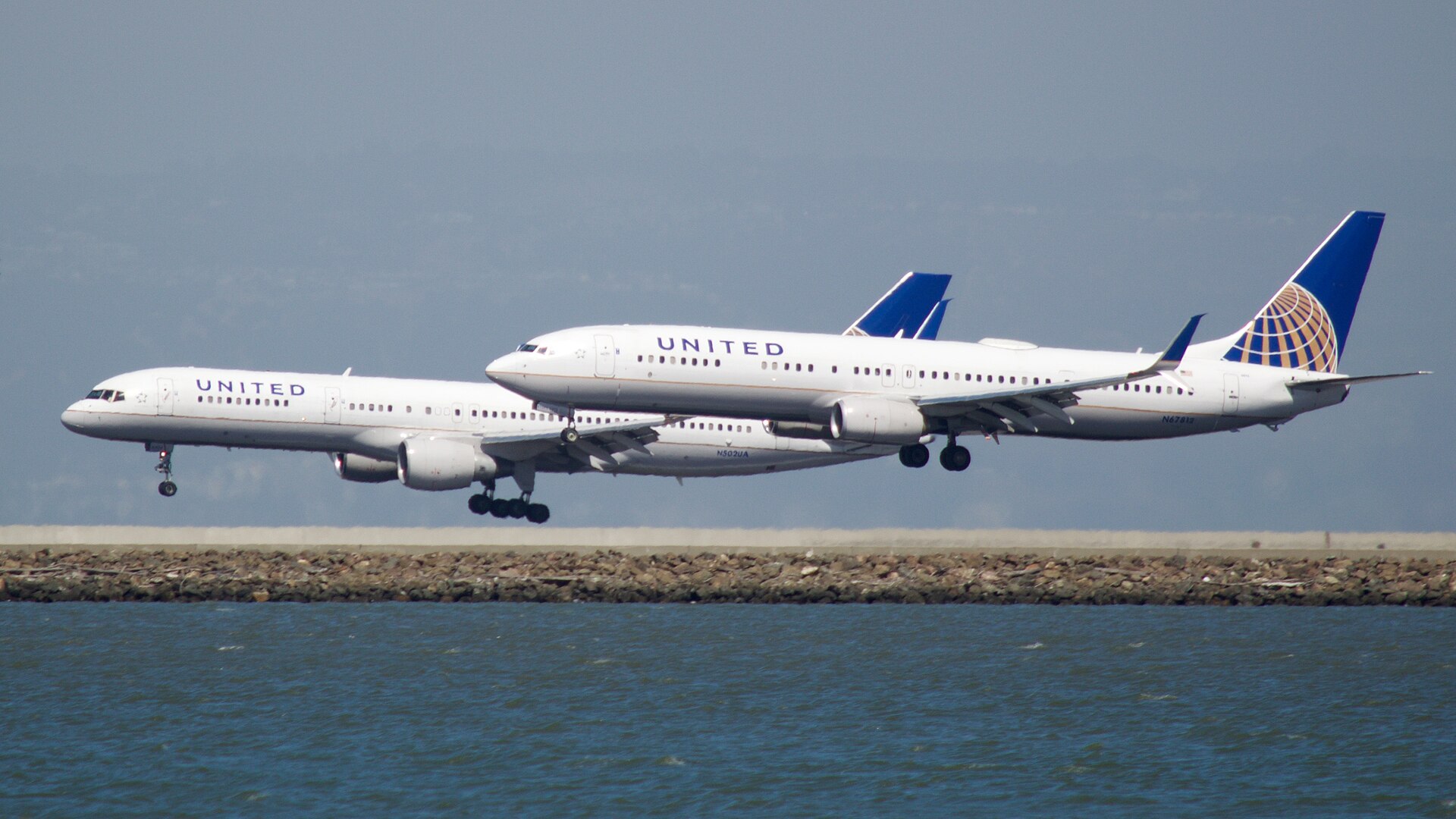
The FAA has imposed a new safety restriction at San Francisco International Airport (SFO), which will bring to an end the iconic parallel landings often seen at the airport.
SFO has used parallel landings since the 1970s and has relied on this strategy to maintain capacity as demand has grown. Now, officials have decided that landing two planes on runways that are just 750 feet apart is not safe.
The new Federal Aviation Administration (FAA) restrictions prohibit flights from making side-by-side approaches to SFO’s parallel east-west runways in clear weather, even when the pilots acknowledge having the other aircraft in sights.
— FL360aero (@fl360aero) March 31, 2026
The FAA on Tuesday imposed new safety… pic.twitter.com/6LYKoZFrmi
The impact of this on the airport and its airlines will be a significant reduction in capacity and a much higher risk of delays. With the airport’s north-south runways out of action for six months for refurbishment, it seems SFO is set for a summer of disruption.
SFO ban on parallel landings will significantly reduce capacity
San Francisco Airport has two parallel runway pairs: 28L / 28R and 1L / 1R. The 28 pair is west-facing towards the Pacific, and is typically used for arrivals in good weather, while the 1 pair is north-facing and used more for departures or alternate flows.
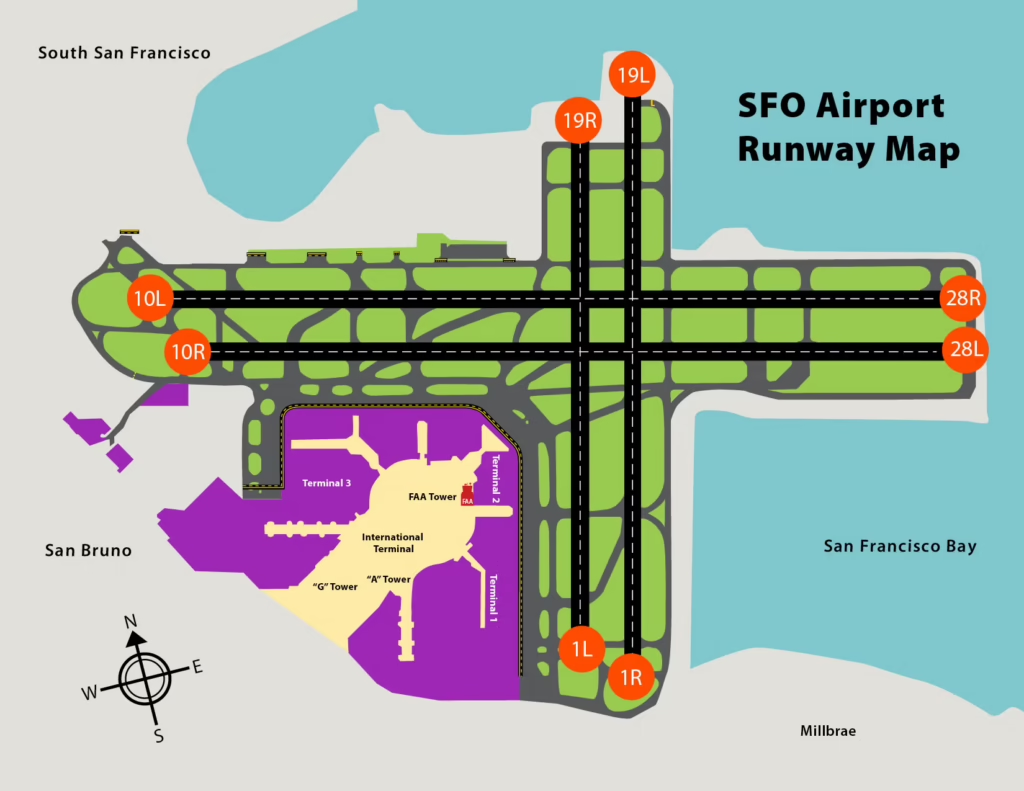
In good weather, aircraft can fly side-by-side visual approaches to the airport, resulting in some fun passenger experiences as flights ‘race’ each other to touch down. At a busy airport like SFO, this boosts the amount of traffic it can handle.
But the FAA has decided this practice is unsafe and has moved to ban it permanently, according to a Reuters report. Instead, it requires “staggered approaches, with one aircraft offset from the aircraft on the parallel runway.”
No, you´re not seeing double – SFO Parallel approach pic.twitter.com/yjXwTit2Kn
— Air Safety #OTD by Francisco Cunha (@OnDisasters) March 11, 2026
The FAA itself noted that, through the implementation of this measure, the maximum rate of flights at SFO would be reduced from the current 54 per hour to around 36. That spells delays for airlines and passengers this summer.
SFO is not alone in having parallel runways, but it is unusual in that the runways are very close together. Other airports such as Atlanta, Dallas and Amsterdam have their twin runways separated by at least 1,000 ft, and sometimes as much as 4,000+ feet.
Parallel landings have never been allowed at SFO during bad weather or when instrument approaches are required.
Runway work at SFO will add to flight delays
In addition to the change in approach procedures, SFO is having its runway 1R fully refurbished over the next six months. Starting on 30 March, the work will take six months to complete, with an estimated finishing date of 2 October.
During this time, the runway will be completely repaved with new markings and striping, taxiways will be improved, and lighting upgraded. While this is ongoing, the north-south runway will be completely out of action, with only the pair of 28L and R handling flights.
San Francisco had initially expected the runway repairs to delay around 15% of flights. Now, with the reduction on approaches, the aiprort expects around 25% of flights to be delayed by at least 30 minutes.
Featured image: Bill Abbott / Wikimedia