


Indian Navy tests AI system that spots debris on carrier decks in real time

6 min read
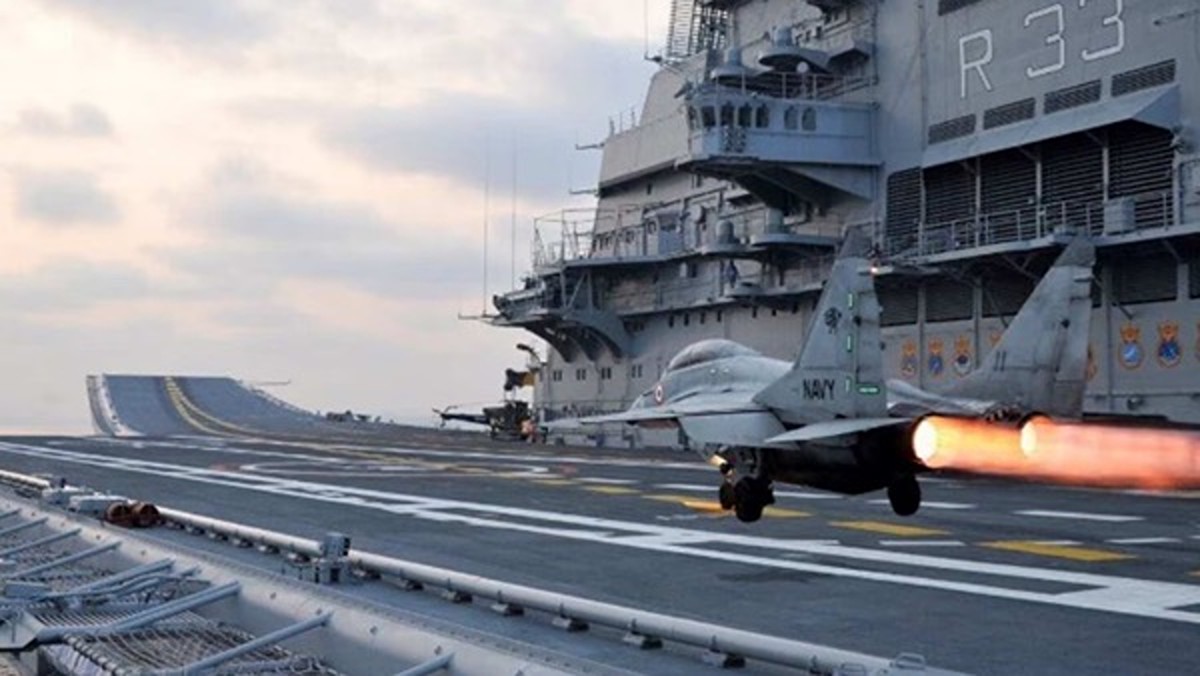
The Indian Navy has completed an operational demonstration of an artificial intelligence-driven foreign object debris (FOD) detection system aboard an aircraft carrier, marking a significant step towards automating one of naval aviation’s most critical safety processes.
The trial, conducted with technology supplied by Skylark Labs, confirmed that a fixed, camera-based system could continuously monitor the carrier’s flight deck, detect debris in real time and relay precise coordinates to deck crews without interrupting flight operations.
The demonstration is understood to be the first time such a system has been validated for both land-based and carrier aviation environments under real-world conditions.
Aircraft carrier FOD risks drive demand for automated flight deck safety
Foreign object debris has long been one of the most persistent risks in aviation, but the challenge is magnified at sea.
Aircraft carrier decks operate under intense conditions with constant aircraft movement, high winds, salt spray and vibration, all of which make detection of even small objects difficult.
With two operational aircraft carriers, INS Vikramaditya and INS Vikrant, the Indian Navy faces the constant challenge of maintaining safe, debris-free flight decks in demanding maritime conditions.
Traditionally, navies rely on what are known as “FOD walks”, where personnel physically inspect the deck before flying begins. While effective, the process is time-consuming and inherently exposed to human error.
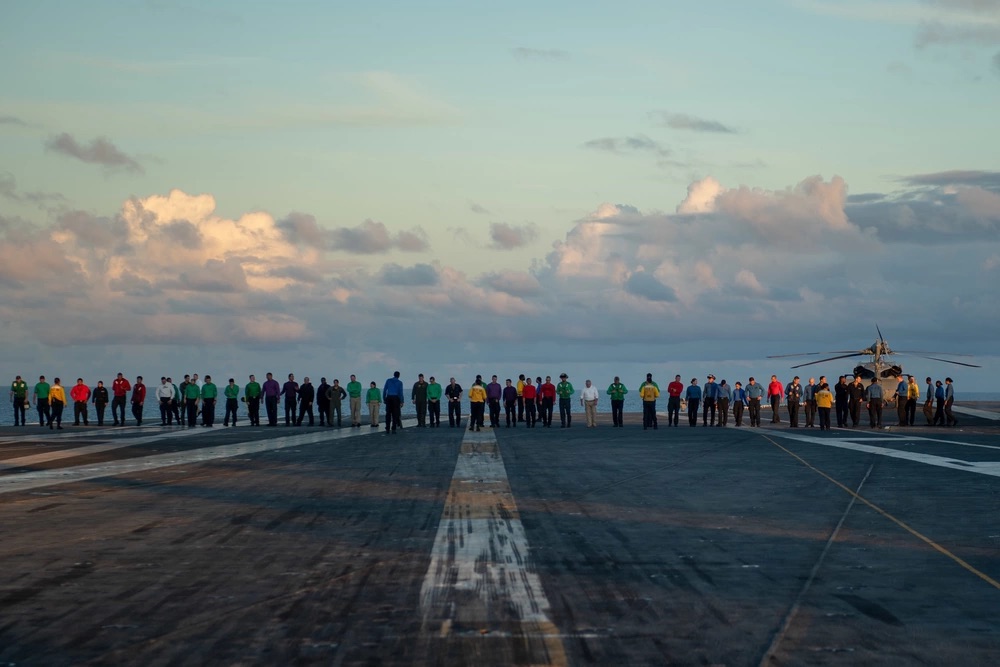
As outlined in the demonstration material, even a small piece of debris can have serious consequences, from engine damage to tyre punctures or risks to deck crew, outcomes that are far more difficult to manage in an isolated maritime environment.
Against this backdrop, the Indian Navy’s interest in automating detection reflects a broader shift towards reducing manual intervention in high-risk operational areas.
What is FOD and why does it matter to aircraft carriers?
Foreign Object Debris in aviation refers to any object, natural or man-made, that poses a threat to aircraft during ground/deck operations.
Common sources include:
- Loose hardware (nuts, bolts)
- Tools left during maintenance
- Broken pavement fragments
- Packaging materials
- Wildlife remnants
FOD can lead to Foreign Object Damage, compromising aircraft engines, control surfaces, tyres, and more.
How artificial intelligence finds FOD on an aircraft carrier flight deck
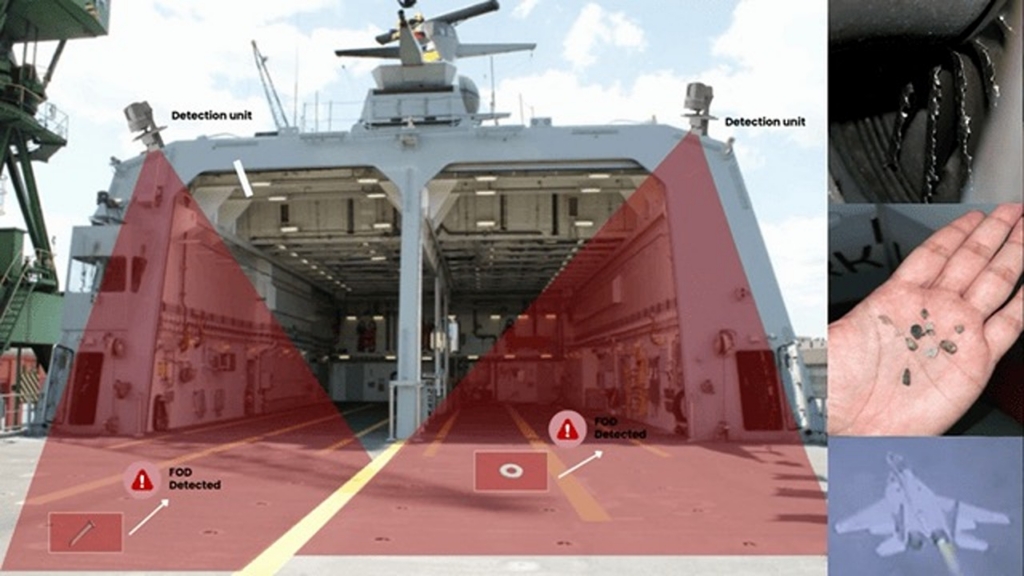
During the trial, ruggedised, fixed-position cameras installed across the flight deck continuously captured high-resolution imagery, feeding it into Skylark Labs’ AI-driven monitoring system. Using convolutional neural networks trained to recognise debris against the complex, textured surface of a carrier deck, the system was able to detect objects as small as a few centimetres in real time.
Rather than simply flagging movement or anomalies, the platform actively classified each detected object. Debris was categorised by type, such as metal fasteners, composite fragments, tools or organic material, and assessed based on its potential risk to operations. This enabled the system to prioritise alerts, ensuring that high-risk items, such as loose hardware near critical areas like catapult tracks, were flagged immediately, while lower-risk debris was logged with reduced urgency.
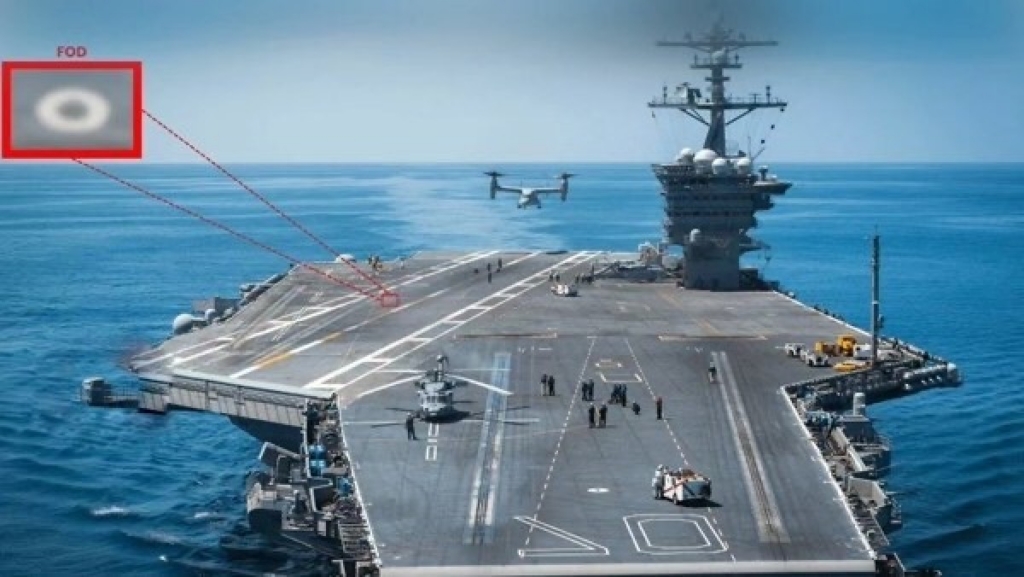
Once identified, the system transmitted precise deck coordinates and classification data directly to operators, enabling rapid, targeted removal without interrupting flight operations. The trial confirmed that this continuous monitoring and alerting process could run in parallel with live carrier activity, a key requirement in high-tempo naval aviation environments.
All processing was conducted on edge-based AI hardware installed onboard the carrier, removing any reliance on external connectivity and ensuring low-latency response times. Each detection was time-stamped and geo-located within the deck’s coordinate system, creating a detailed operational record of debris events.
The system is built around what Skylark Labs describes as a “Runway Monitoring Intelligence Layer”, an adaptive framework that continuously refines its performance based on local conditions. In the carrier environment, this meant learning to filter out glare, shifting shadows, salt spray and constant background motion.
From debris detection to predictive maintenance in naval aviation
One of the more significant aspects of the trial lies beyond immediate safety. By collecting and analysing data over time, the system introduces the possibility of predictive maintenance on the flight deck.
Patterns in debris generation, whether from wear and tear, component fatigue or specific operational cycles, can be identified and addressed before they escalate into safety risks. This shifts the focus away from reactive clean-up towards more structured, data-driven maintenance planning.
The continuous logging of time-stamped, geo-located detections provides crews with a clearer understanding of where and when debris is most likely to occur. Over time, this enables the identification of recurring hotspots and underlying causes, whether linked to specific aircraft movements, maintenance practices or areas of deck wear.
The system also automates reporting, removing the need for manual documentation and allowing crews to focus on operational tasks rather than administrative processes.
According to Skylark Labs, the same intelligence layer is used across its wider ecosystem, including mobile detection vehicles and fixed installations at civilian airports. This creates a shared learning network, where data gathered in one environment can be used to improve performance across others, accelerating system-wide refinement and operational insight.
iDEX programme drives AI innovation in Indian Naval aviation safety
The carrier demonstration builds on earlier work under India’s Innovations for Defence Excellence (iDEX) framework. Skylark Labs was awarded a project in December 2022 to develop automated FOD detection systems for both airfields and carrier decks.
That programme followed a structured path, prototyping, field trials and eventual integration into operational workflows. Prior demonstrations with air and naval aviation units had already validated detection accuracy and response times, paving the way for the carrier-based trial.
The underlying technology is designed to operate on edge devices, enabling low-latency detection without dependence on external networks. It also incorporates on-device learning, allowing the system to adapt continuously to changing environmental conditions without extensive retraining.
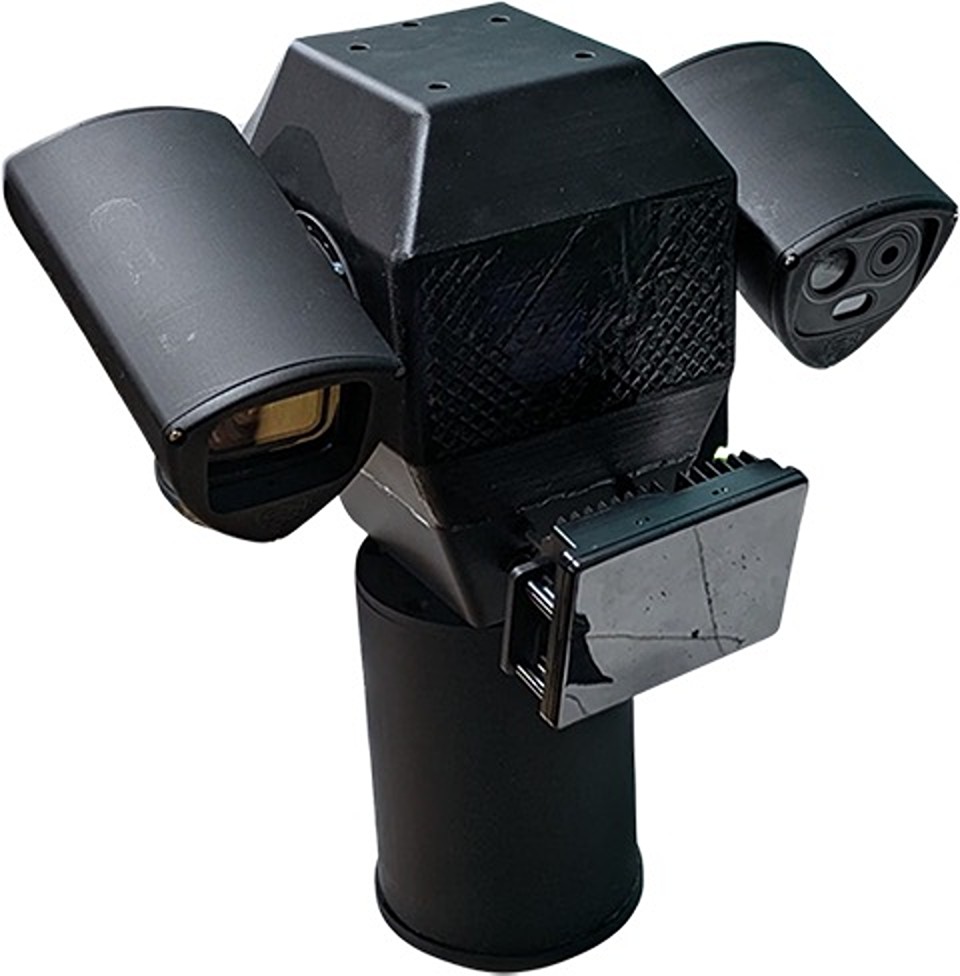
This approach is particularly relevant in military settings, where connectivity can be limited and systems must remain resilient under varied conditions.
“Aircraft carriers are among the most unforgiving environments in naval aviation,” said Amarjot Singh, Founder and CEO of Skylark Labs.
“This demonstration validated that our fixed detection system can continuously monitor carrier decks, filter environmental noise unique to at-sea operations, and deliver precise alerts so flight crews can act immediately. Because the same intelligence layer runs across our entire network-carriers, airfields, and mobile vehicles-every deployment makes the whole system smarter. The results give us strong confidence to expand this capability across naval and commercial carrier operations globally.”
AI flight deck monitoring could reshape global aircraft carrier operations
The successful trial points to a broader transformation in how navies may approach flight deck operations in the coming years. As carrier operations become more complex and sortie rates increase, the ability to automate routine but critical safety functions becomes increasingly valuable.
For the Indian Navy, the demonstration aligns with a wider push towards integrating indigenous and emerging technologies into frontline operations. It also reflects an emphasis on improving sortie generation rates and reducing downtime caused by avoidable incidents.
Beyond India, the validation of a fixed, AI-driven FOD detection system for carrier use is likely to draw interest from other naval operators, particularly those managing high-tempo aviation operations.
Featured image: Skylark Labs


