


US F-35 jets are being delivered with no radar as new APG-85 upgrade faces delays

4 min read
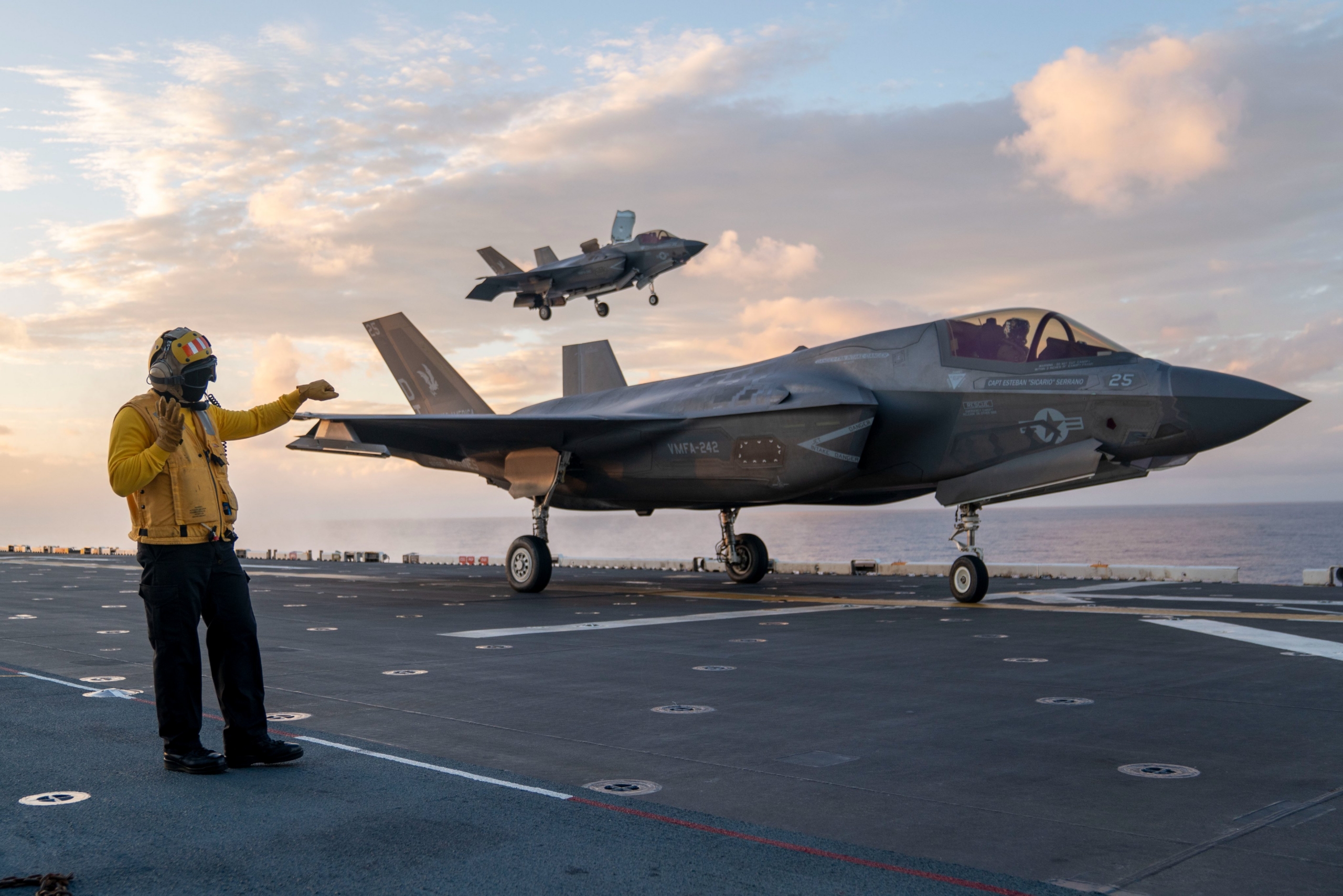
The idea of delivering a frontline fighter jet without a radar sounds implausible, yet that is exactly what is now happening with some of Lockheed Martin’s F-35s being delivered to the US military.
Delays to the aircraft’s next-generation radar mean a number of newly built jets are being handed over without one of their most critical combat systems, according to reporting by Breaking Defense.
Lockheed Martin to deliver US F-35s without new APG-85 radar
The issue centres on the F-35’s planned Block 4 upgrade, which includes replacing the current Northrop Grumman APG-81 radar with the more advanced APG-85.
However, delays in delivering the new radar have created a mismatch with production timelines. Aircraft in Lot 17, intended for US forces, were designed to accommodate the APG-85, but the system is not yet ready for installation.
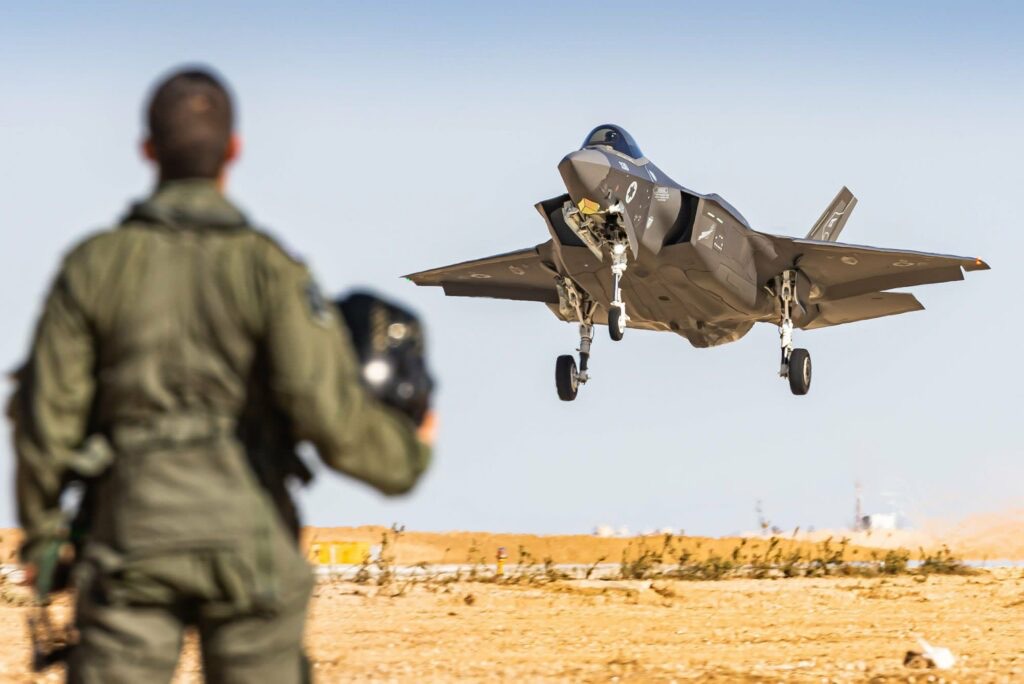
Complicating matters further, the APG-85 differs in size from the existing radar and cannot be fitted without modifications to the aircraft’s bulkhead. Lockheed Martin is working on a redesign that could allow compatibility with both radar types, but a solution may not be ready until Lot 20 production, expected around 2028.
As a result, these aircraft cannot simply be fitted with the older APG-81 radar. Instead, they are being delivered without a radar system at all.
Why some F-35s will be delivered with no radar
Since mid-2025, Lockheed Martin has reportedly been installing ballast weights in place of the missing radar on US-delivered F-35s to ensure the aircraft remains airworthy.
The issue does not affect export customers, who continue to receive aircraft equipped with the APG-81. The US has not approved the newer APG-85 radar for export.
According to Breaking Defense, the Pentagon had intended to introduce the APG-85 during Lot 17 production. However, delays to the radar programme mean the aircraft are being completed ahead of the system they were designed to carry.
F-35 production to continue despite APG-85 radar delays
Despite the apparent severity of the issue, the impact on operations is expected to be limited.
The radar-less F-35s will not be combat-coded and will instead be used for training until they can be retrofitted with the APG-85. This approach is not unusual in modern fighter programmes, where aircraft are sometimes delivered with incomplete systems to avoid disrupting production.
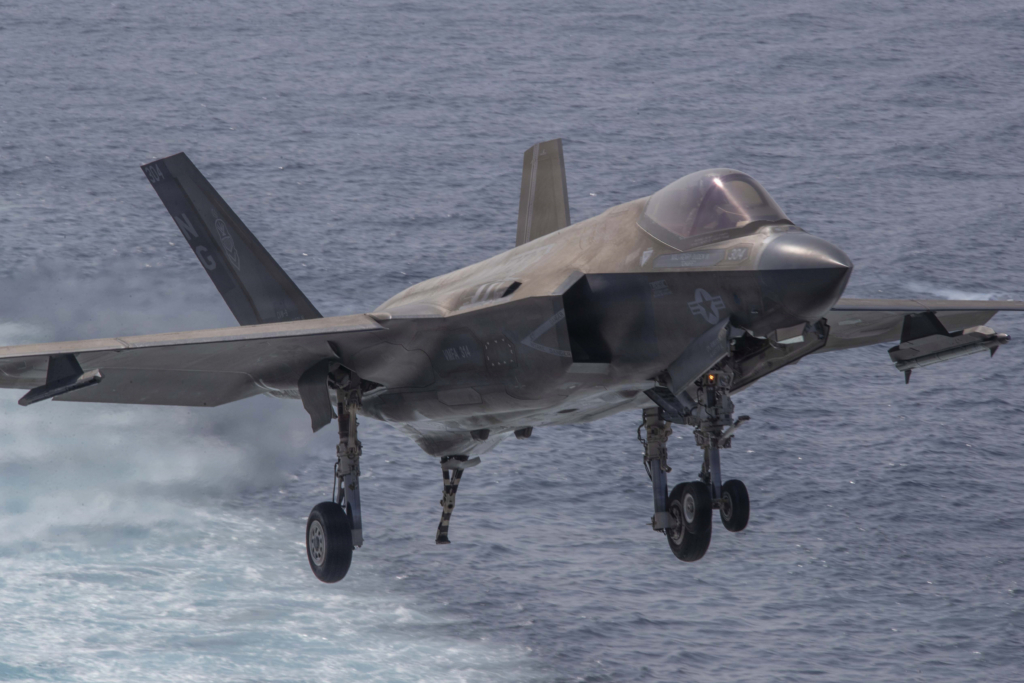
A similar situation occurred with the Technology Refresh 3 (TR-3) upgrade, where aircraft were delivered in a limited configuration and only later brought up to full operational capability.
Maintaining production momentum is a key priority for the programme. Any pause in the F-35 production line would have far wider industrial and financial implications than temporarily fielding aircraft with reduced capability.
The timeline for resolving the issue remains important. If the radar delays are addressed by Lot 18 deliveries, the operational impact is likely to be minimal. However, a longer delay could create a growing backlog of aircraft awaiting full capability.
Will F-35s without radar be useful or safe to operate?
Even without a radar, the aircraft remain fully flyable and safe to operate in controlled environments.
“They can still take delivery of the jet. They can still use it as a flyable asset, [but] obviously not a combat-coded asset,” one source told Breaking Defense. “So they can still do limited training with it.”
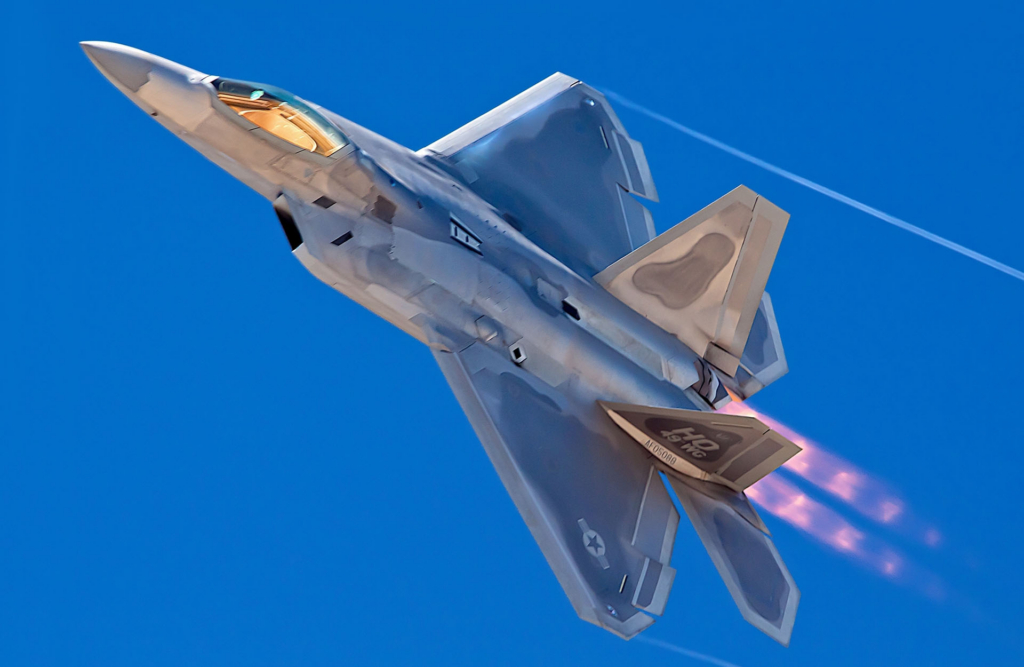
In practice, a significant proportion of military aircraft are used primarily for training. For example, around 32 Block 20 F-22 Raptors are not combat-coded and are dedicated to training roles.
The F-35 is also not unique in being delivered with incomplete capabilities. Early production examples of several modern fighters entered service without key systems fully integrated.
Russia’s Su-57 was delivered without some of its advertised capabilities, while China’s J-20 initially flew with less advanced WS-10 engines before the introduction of the intended WS-15.
Similarly, early Eurofighter Typhoon Tranche 1 aircraft were limited to basic air defence roles, lacking meaningful air-to-ground capability, while France’s Rafale M initially entered service without integrated strike capability.
Against that backdrop, delivering F-35s without radar is unusual, but not unprecedented. The key distinction is that these aircraft are not being deployed operationally, but instead used to sustain training and fleet readiness while the missing capability catches up.
Featured Image: US Navy
Sign up for our newsletter and get our latest content in your inbox.


More from


October 2, 20263 min read


