Jeju Air crash: South Korea’s regulator approved non-compliant airport structures over two decades

3 min read

According to a recent government audit, South Korea’s aviation regulator approved non-compliant airport safety structures for decades—including the ILS antenna structure installed at Muan International Airport where a Jeju Air Boeing 737 crashed in 2024, killing 179 people.
The audit findings raise questions about aviation oversight and infrastructure in South Korea and whether the tragedy might have been prevented.
Jeju Air crash leads to broad aviation safety review in South Korea
Following the Jeju Air crash, South Korea launched multiple investigations into aviation safety oversight. Authorities have been reviewing airport infrastructure nationwide and assessing whether similar structures exist elsewhere.
Muan International Airport—which serves South Jeolla province—remained closed for months after the accident while investigators examined the crash site and airport layout.
Concrete structure at Muan Airport likely contributed to the death toll in Jeju Air crash
The Jeju Air aircraft—operating flight 2216 from Bangkok—attempted a belly landing at Muan International Airport on 29 December 2024 after a bird strike and landing-gear problems. The aircraft overran the runway and collided with a concrete structure supporting the instrument landing system (ILS) localiser antenna.
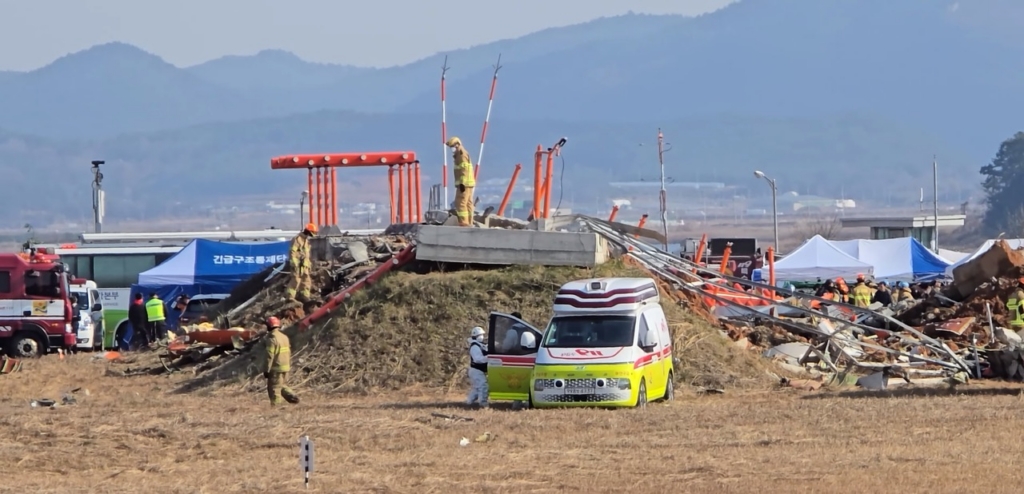
The collision triggered a catastrophic explosion and fire, which killed 179 of the 181 people on board. A government-commissioned simulation later showed the aircraft might have stopped safely if not for the rigid concrete embankment. Based on the findings, the airport’s non-frangible structure likely contributed to the crash’s severity.
State audit uncovers safety certification failures
A report published this week by South Korea’s Board of Audit and Inspection (BAI) states that the Ministry of Land, Infrastructure and Transport (MOLIT) had approved airport safety structures that did not meet required standards for more than two decades.
According to the BAI audit, the ministry:
- Wrongly approved 14 non-compliant localiser installations at eight airports, including Muan, Jeju and Gimhae.
- Certified safety inspections for up to 22 years despite structures failing frangibility requirements, meaning they would not break apart on impact.
Frangible structures should collapse if struck by an aircraft, reducing the severity of damage during runway overruns or emergency landings.
Instead, investigators found that some installations used rigid concrete supports, which increased impact forces.
Cost-cutting cited in infrastructure decisions
The BAI was critical of the transport ministry for prioritising cost savings over compliance in airport construction projects.
Auditors determined that contractors built some localiser installations on raised concrete mounds to reduce earthwork and construction costs, rather than using the recommended frangible designs.
Those design choices, auditors said, allowed non-compliant structures to remain in place across several airports.
Following its audit, the BAI instructed MOLIT to address safety issues at nine airports, including Muan, extending the runway end safety area to the localizer. It also called for disciplinary action against three officials responsible for mishandling approvals for the Muan Airport localizer improvement project.
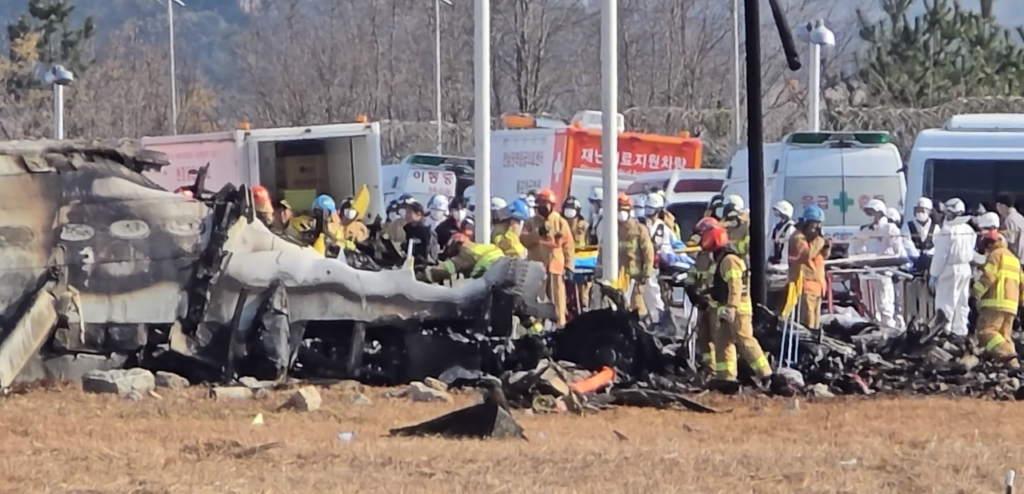
BAI tasked Korea Airports Corporation with improving 14 localizer foundation structures at eight airports, as well as facilities at Yeosu and Gimpo airports that had previously been excluded from improvement projects, which would have them easily frangible. It also asked Korea Airports Corporation to take appropriate legal action against companies involved in the faulty airport projects.
Multiple factors shaped the Jeju Air crash
While the airport design is under intense scrutiny, accident investigators note that the disaster involved several factors, including a bird strike. The BAI also found fault with how South Korea’s airport operators manage bird strike risk. The bird strike, combined with a gear-up landing and a runway overrun, all contributed to the accident. However, these might have been survivable before the aircraft struck the concrete localiser support.
The government’s final accident report will determine how these elements combined—and whether infrastructure design failures played a decisive role in the tragedy.
Featured Image: 자연속으로 into nature / Wikimedia
Sign up for our newsletter and get our latest content in your inbox.


More from


October 17, 20264 min read