


Latest search for Malaysia Airlines flight MH370 draws a blank as families urge Malaysian government to keep looking

5 min read
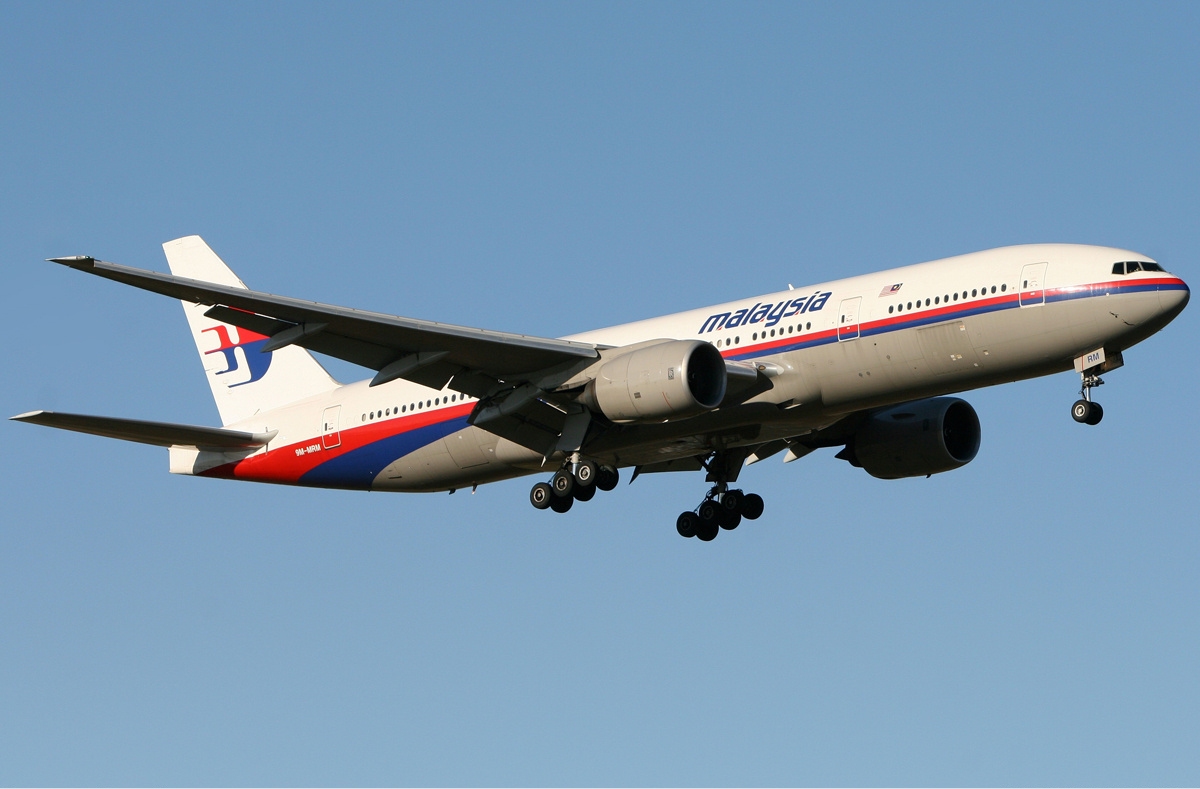
The latest search in the hunt for the missing Malaysia Airlines Boeing 777 that disappeared over the Indian Ocean in 2014 has been called off.
The news comes following a recent expedition funded by the Malaysian government that failed to discover any new evidence as to the whereabouts of the wreckage of the aircraft or the 239 passengers and crew that were lost on flight MH370.
Latest search finds no trace of Malaysia Airlines flight MH370
Twelve years after Malaysia Airlines Flight MH370 disappeared with 239 people aboard, a renewed deep-sea search performed in the southern Indian Ocean has failed to locate the missing aircraft, Malaysian authorities have announced.
Despite the lack of findings and the subsequent pause of search operations, families of the missing passengers and crew have urged efforts to continue to find the wreckage so that the cause of the accident can finally be discovered.
Malaysia’s Air Accident Investigation Bureau (AAIB) said that the latest seabed search conducted by specialist marine robotics company Ocean Infinity between March 2025 and January 2026 had scanned thousands of square kilometres of the ocean floor but had failed to identify any signs of wreckage from the lost Boeing 777-200ER.
The latest search by Ocean Infinity began in early 2025 after the Malaysian government said it would fund the mission to try to find the jet. A contract was signed with the Texas-based ocean search company Ocean Infinity under a ‘no-find-no-fee’ arrangement, which would have seen the US company paid $70 million if it was able to find the wreckage.
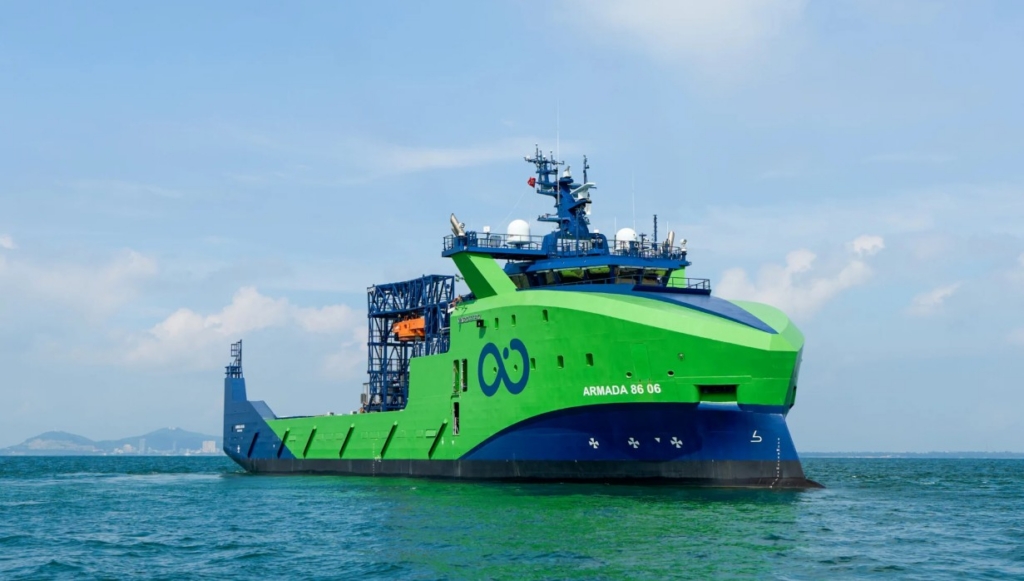
The search area agreed to was a 15,000 square kilometre area across the Southern Indian Ocean, which had previously been identified by scientists as the most likely area where the aircraft came down. Ocean Infinity deployed its high-tech mothership Armada 7806 to a newly identified priority zone around 1,200 miles (1,920) off Perth, Australia.
The Ocean Infinity vessel used state-of-the-art autonomous underwater vehicles and high-resolution sonar to systematically scan the seabed, searching for any signs of wreckage from the suspected downed airliner.
According to the AAIB official statement, the latest search was carried out for 28 days in two phases between 25-28 March 2025 and 31 December 31, 2025, to 23 January 2026. The search area covered approximately 7,571 square kilometres (2,923 square miles) of seabed, the AAIB said, adding that poor weather had periodically hampered search operations.
“The search activities undertaken have not yielded any findings that confirm the location of the aircraft wreckage,” read the AAIB statement. “The government remains committed to keeping the families informed and will continue to provide updates as appropriate,” it added.
No further details were provided by the AAIB as to when the search might resume, or indeed, any confirmation that it would. Although Ocean Infinity’s contract runs until June of this year, the company has since said that its dedicated search vessel has now been deployed on other seaborne missions.
Additionally, it is not currently scheduled to return to the Indian Ocean to resume the search for MH370 in the coming months due to inclement weather and poor sea conditions, neither of which is conducive to ocean floor scanning.
Families of those on board MH370 call for the search to continue
Following the latest announcement by the AAIB, families of those aboard MH370 urged the Malaysian government to extend the contract it had signed with Ocean Infinity to extend the period of searching beyond the contracted end date of June 2026.
Voice370, a campaign group representing families of passengers and crew onboard MH370, acknowledged that it was unlikely that any new search would resume before the contract ends due to sea conditions in the search area.
However, it urged the Malaysian government to grant any request for Ocean Infinity to extend its agreement, as well as expand the same terms to other interested deep-sea exploration firms that might show an interest in taking up the search.
“A simple addendum extending the contract period without altering the core terms of the agreement would allow the search to continue without delay,” it said.
As reported by The Hill, “The government pays nothing unless the aircraft is found. Any request by Ocean Infinity to extend the search contract should therefore be granted without hesitation,” Voice370 said in a statement. “If the present search is unsuccessful, we would also urge Malaysia to kindly consider extending similar no find, no fee opportunities to other capable deep-sea exploration companies.”
The group vowed to “continue the fight for answers. We will never give up!”
What happened to Malaysia Airlines flight MH370?
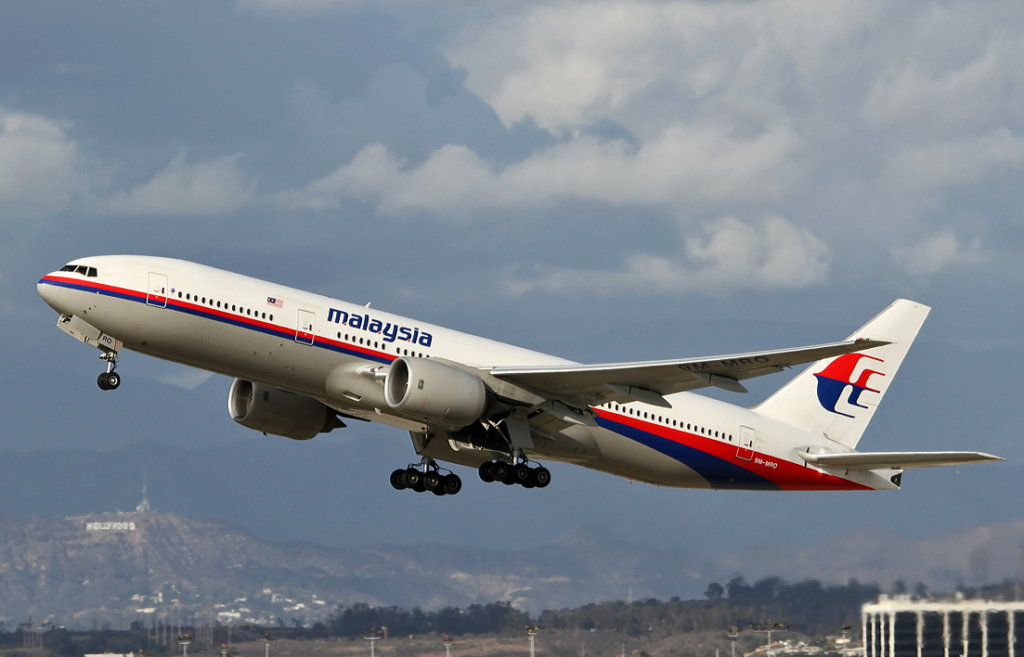
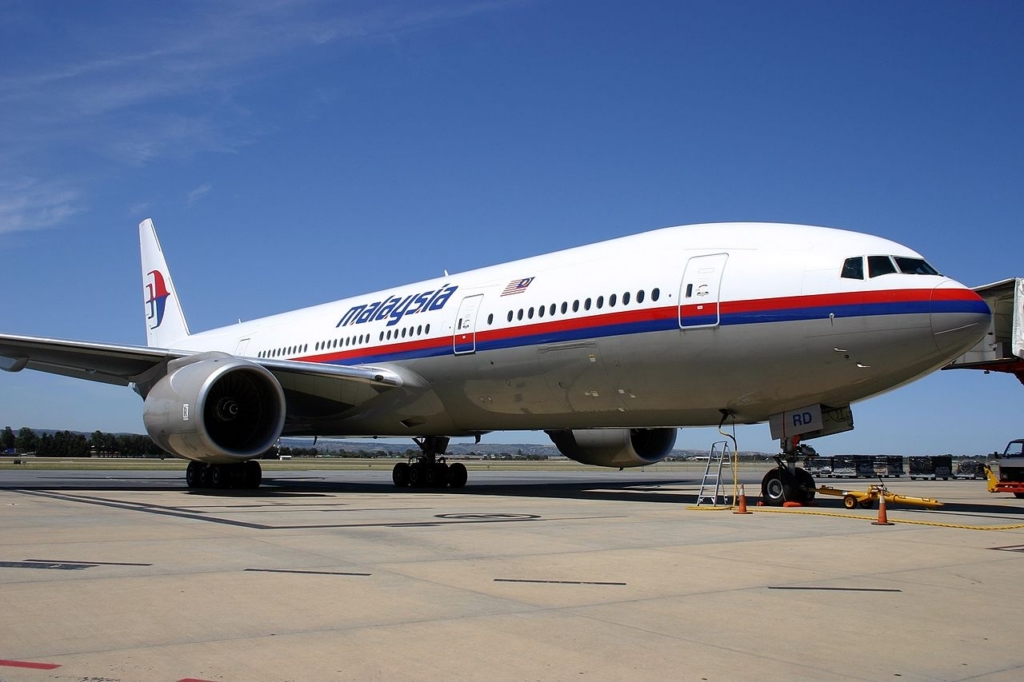
Malaysia Airlines flight MH370 (operated by Boeing 777-200ER registered 9H-MRO) disappeared from radar shortly after taking off from Kuala Lumpur International Airport (KUL) heading to Beijing Capital Airport (PEK) in China.
The flight had 227 passengers and 12 crew on board at the time it disappeared. MH370 vanished without issuing a distress signal, sparking the largest search in aviation history and one of its most enduring mysteries.
Satellite data showed the plane turned from its flight path and headed south to the far-southern Indian Ocean, where it is believed to have impacted the water.
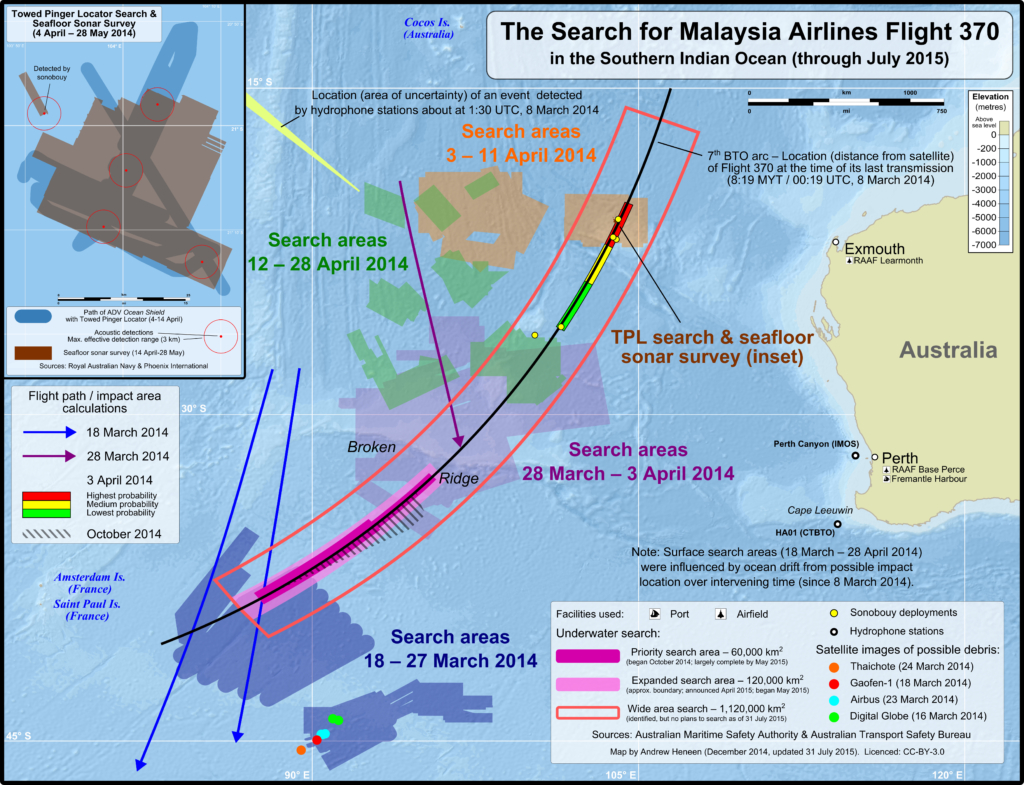
An initial multinational search, which covered 120,000 square kilometres of ocean floor, failed to turn up any sign of the aircraft’s final location, although various pieces of debris (33 sections in total) were washed ashore on the east African coast and Indian Ocean islands in the months since the accident.
Locations of the debris found included La Reunion, Mauritius, Madagascar, Tanzania and South Africa.
A second, privately-funded search in 2018, also conducted by Ocean Infinity, found nothing. While Malaysian authorities have failed to determine what might have caused the aircraft to crash, the AAIB concluded that the aircraft had been manually flown off its intended course mid-flight, with its transponder also being manually disabled in the process, making exact flight tracking of the aircraft virtually impossible.
Featured image: Allen Zhao / Wikimedia Commons
Sign up for our newsletter and get our latest content in your inbox.


More from

September 29, 20263 min read


September 25, 20264 min read

September 24, 20262 min read


