


Polar Airlines to test modified Il-114-300 in Yakutia’s extreme Arctic conditions

4 min read
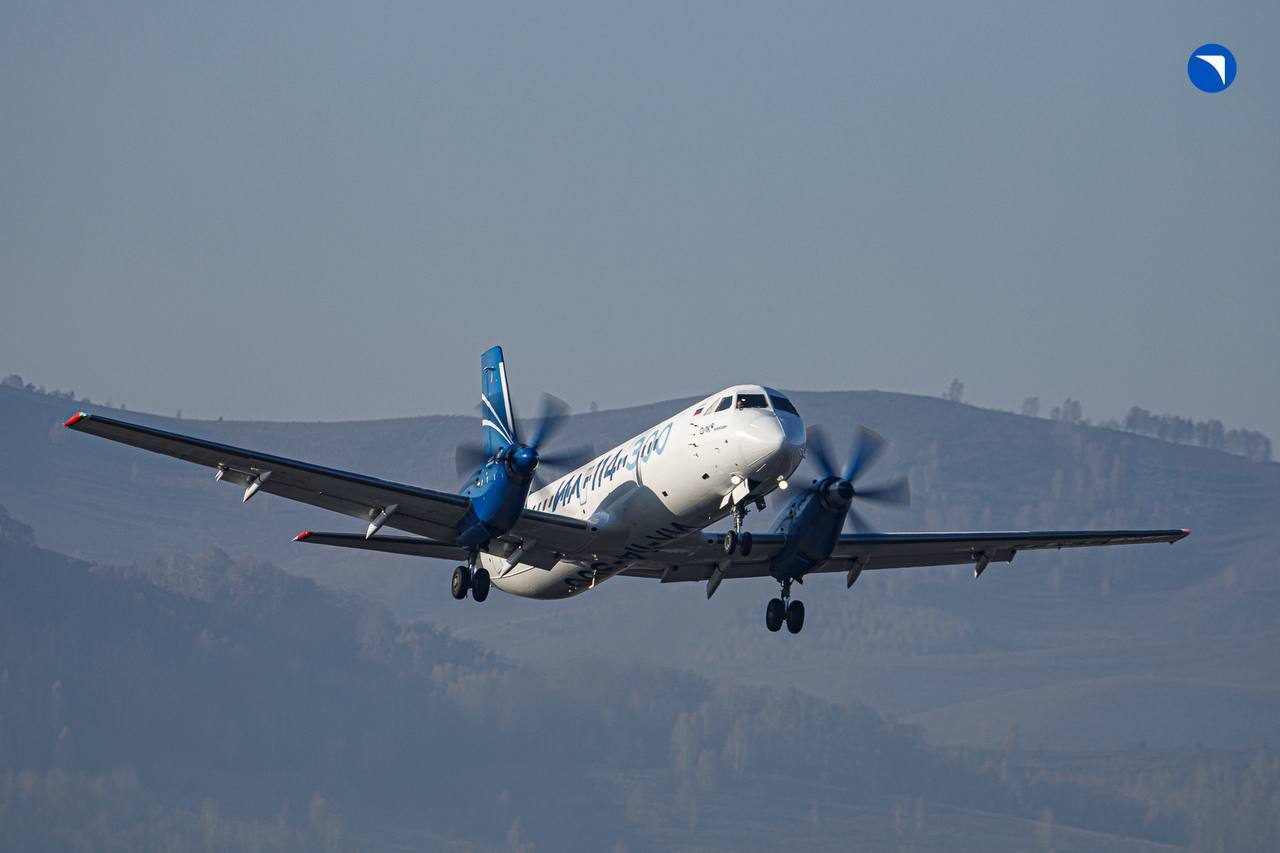
Regional aviation in northeastern Russia is about to become a test case for Moscow’s domestic aircraft ambitions, as Polar Airlines prepares to introduce three modified Ilyushin Il-114-300 turboprops into service in the Sakha Republic.
Operating across Yakutia, the world’s largest administrative region by land area, Polar Airlines flies in some of the harshest conditions faced by any commercial airline. Winter temperatures routinely fall below –50°C, paved runways are scarce, and many airfields consist of gravel, sand or compacted snow.
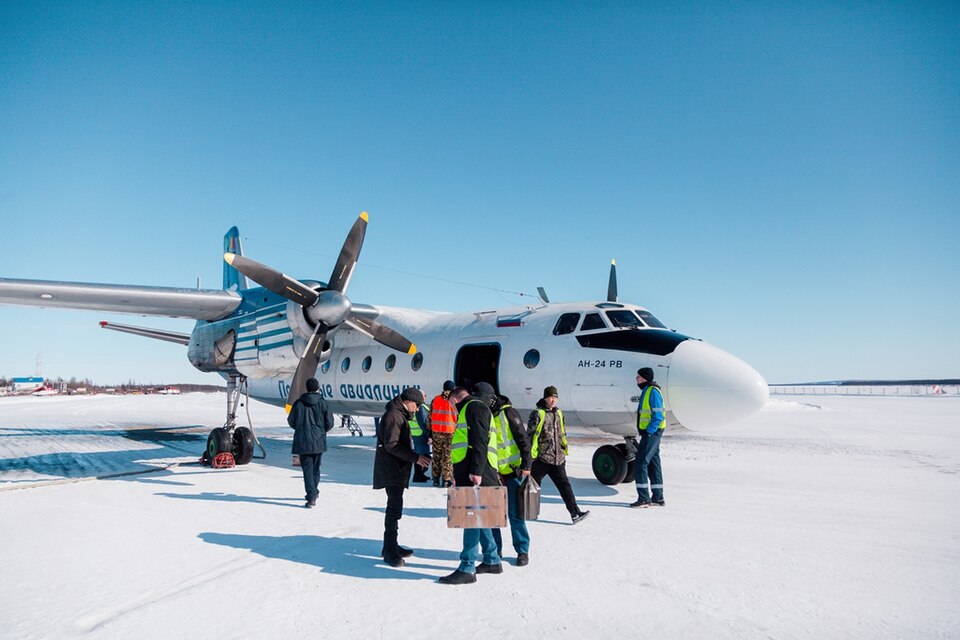
For large parts of the year, air transport is the only reliable means of moving passengers, mail and essential supplies between isolated settlements.
The Il-114-300 is intended to replace ageing Soviet-era types while anchoring Russia’s push to restore domestic regional aircraft production. But before it can do so, it must prove it can survive the Arctic.
Il-114-300 modifications for Arctic gravel runway operations
One of the main issues for the Il-114 is foreign object debris. When turboprop aircraft operate from gravel or dirt strips, loose stones and chunks of ice can be kicked up by the propellers during take-off and landing. Those fragments can then be sucked into the engines, where they risk causing serious damage and grounding the aircraft.
The Il-114-300 is powered by the Klimov TV7-117ST-01, a modern turboprop mounted relatively close to the ground beneath the wing. In Yakutia’s conditions, that geometry presents clear vulnerability.
To address this, the Ilyushin design bureau is developing protective shielding systems mounted ahead of the engine intakes. The devices are designed to deflect or filter debris without significantly disrupting airflow, particularly in the thin, extremely cold Arctic atmosphere where engine performance margins are already under pressure.
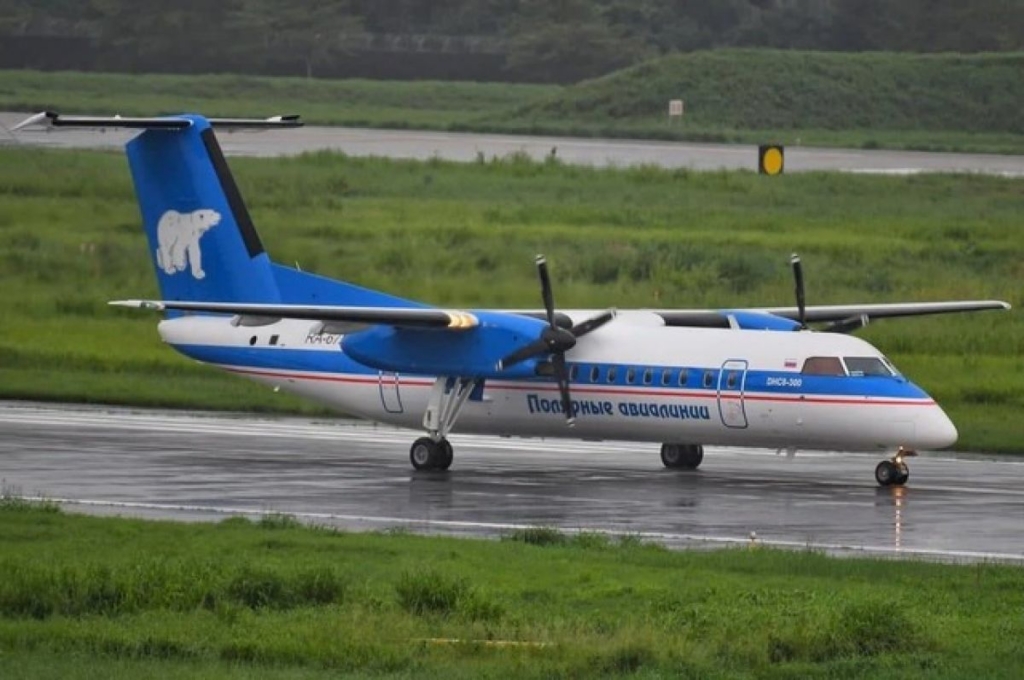
Such adaptations are not without precedent. Polar Airlines has previously retrofitted its De Havilland Canada DHC-8-Q300 aircraft for similar operating environments. However, integrating protective systems into a newly reintroduced aircraft type presents both engineering and certification challenges, particularly if the design must balance debris protection with aerodynamic efficiency and fuel burn.
Il-114-300 to replace Antonov An-24 and An-26 in Yakutia
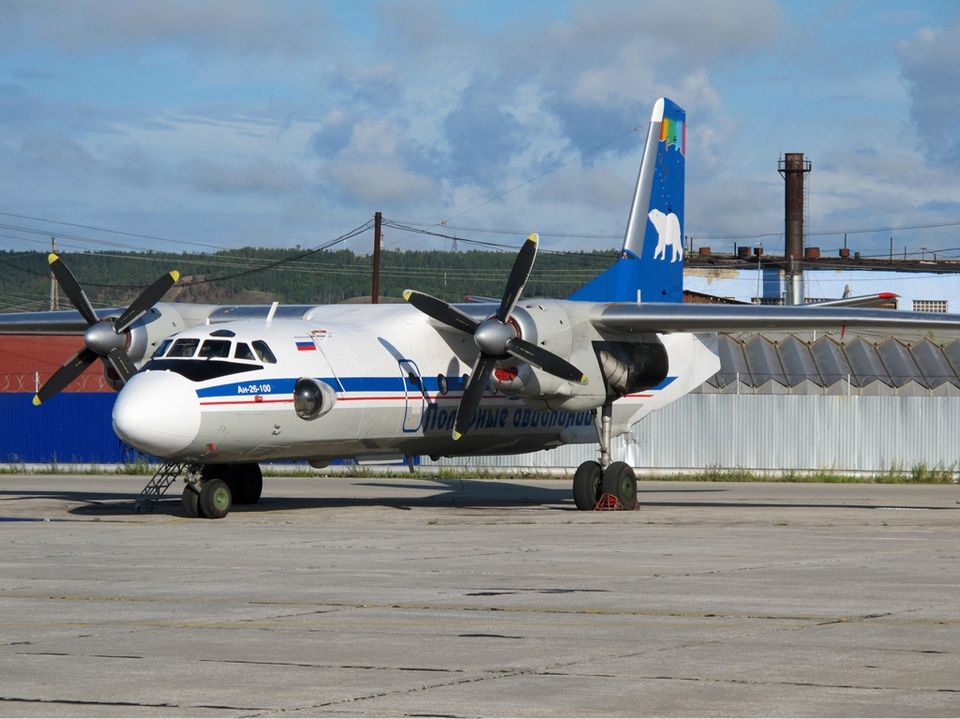
The Il-114-300 is expected to gradually replace the Antonov An-24 and Antonov An-26 that still form the backbone of regional flying in parts of Russia’s Far East.
These aircraft are renowned for their rugged performance and ability to operate from poorly prepared strips. However, they are increasingly costly to maintain, less fuel efficient than modern designs, and dependent on ageing supply chains.
With seating for up to 68 passengers, the Il-114-300 is positioned as a modern regional replacement offering improved range, updated avionics and lower operating costs. For Yakutia, the goal is not capacity growth but sustainability: maintaining reliable service levels in a region where alternatives are limited or non-existent.
Russia’s Il-114-300 regional aircraft programme faces production challenges
Beyond Yakutia, the aircraft carries broader industrial significance. The Il-114-300 forms part of Russia’s effort to rebuild its civil aviation manufacturing base amid restricted access to Western components and suppliers.

Programme timelines have already extended, with Polar Airlines expecting initial deliveries in 2026 but full production ramp-up unlikely before 2028. The modified Arctic-capable configuration will require final design validation and operational certification under local conditions, adding further complexity.
Success in Yakutia would provide a high-profile demonstration of the type’s robustness. Failure, by contrast, would raise questions about Russia’s ability to field reliable, domestically supported regional aircraft at scale.
Air transport in Yakutia: why Arctic aviation is critical infrastructure
For the Sakha Republic, this is more than fleet renewal. The region has virtually no permanent road network linking many of its settlements. Air services function as critical infrastructure, enabling medical transport, supply chains and economic activity.
Any prolonged disruption caused by technical shortcomings would have immediate consequences for remote communities. The Il-114-300 presents both an operational upgrade and a strategic commitment to maintaining mobility across one of the most inhospitable environments on Earth.
In the coming years, as the aircraft enters service and its Arctic modifications are put to the test, Yakutia will serve as a proving ground, not only for a turboprop but for the resilience of Russia’s regional aviation ambitions.
Featured image: United Aircraft Corporation (UAC)
Sign up for our newsletter and get our latest content in your inbox.


More from


September 6, 20264 min read


