HAL says 5 Tejas Mk1A aircraft are ready for delivery, but the IAF still isn’t convinced

6 min read
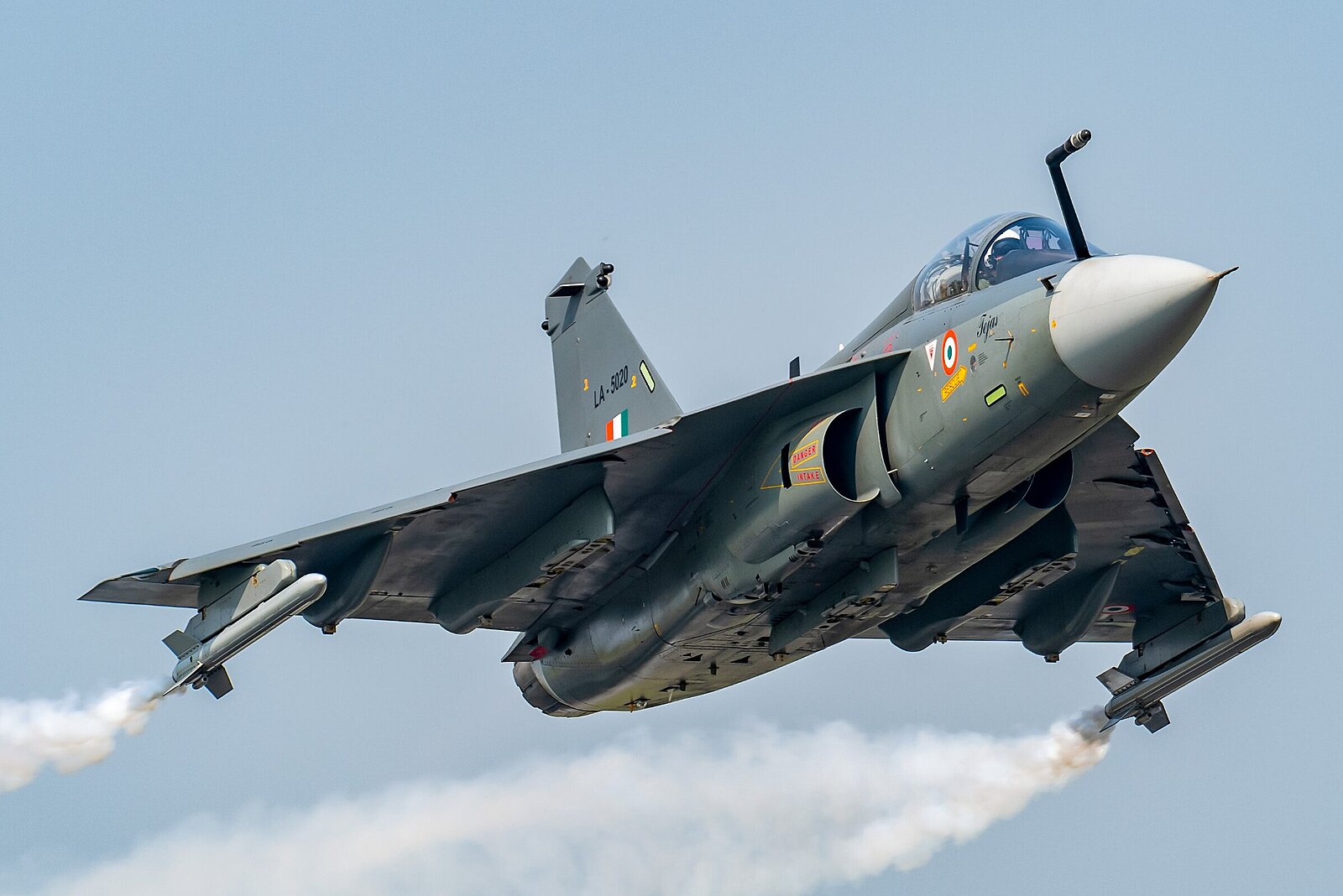
Hindustan Aeronautics Limited (HAL) has moved to clarify the status of the Light Combat Aircraft (LCA) Tejas Mk1A programme after the Indian Air Force (IAF) indicated it will conduct another comprehensive review of the project in May before deciding whether to accept deliveries of the long-awaited fighter jets.
An HAL spokesperson confirmed to AGN that five Tejas Mk1A aircraft are fully ready for delivery, incorporating all major contracted capabilities and meeting the agreed technical specifications.
“An additional nine aircraft have already been built and flown. Upon receipt of engines from GE, these aircraft will be made ready for delivery,” the spokesperson noted.
The clarification comes as defence ministry sources indicated that the IAF remains firm on its position that it will induct the Mk1A only in a fully operational configuration. This stance has pushed deliveries well beyond their original timelines.
Indian Air Force review could affect Tejas Mk1A induction timeline
According to defence officials quoted by multiple Indian media outlets, the IAF plans to reassess the Mk1A programme in May as part of a broader review of major aircraft projects expected to reach key milestones by April 2026.
While the Mk1A was reviewed in detail in December last year, the service has opted for another evaluation before committing to an acceptance schedule.
Officials said a decision on deliveries would follow only after that review, raising the prospect of further slippage in induction timelines.
The IAF has ordered 180 Mk1A aircraft in two tranches, making the programme central to its plan to arrest the decline in squadron strength.
Deliveries were originally expected to begin in 2025 but have been delayed due to a combination of factors, including engine supply disruptions and the time required to integrate advanced combat systems.
The HAL spokesperson also added that the company is in active discussions with the Indian Air Force to deliver the jets at the earliest possible date.
HAL also noted that the supply outlook from the US manufacturer is now positive and aligned with its delivery plans, and expects to meet the delivery guidance projected for the current financial year.
Tejas Mk1A production shaped by engine supply disruptions
The Mk1A programme has been particularly affected by delays in the supply of the F404-IN20 engines from GE Aerospace, which power the aircraft.
HAL and GE Aerospace signed a landmark $1 billion agreement in November 2025 to supply 113 F404 engines for the Mk1A programme, a deal intended to stabilise production and support India’s broader self-reliance ambitions in combat aviation.

The agreement underpins the government’s approval of 97 Mk1A fighters worth around $7.5 billion, complementing an earlier order for 83 aircraft.
However, restarting the F404 production line after pandemic-era disruptions proved complex, resulting in nearly 18 months of delays in earlier engine deliveries.
Defence officials have previously stated that engine deliveries resumed in 2025, with GE ramping up output to support HAL’s revised production schedules.
HAL’s new production line enhances Tejas Mk1A capacity
HAL conducted the first flight of the first Mk1A aircraft from its Nashik facility on 17 October, marking a significant expansion of Tejas production capacity.
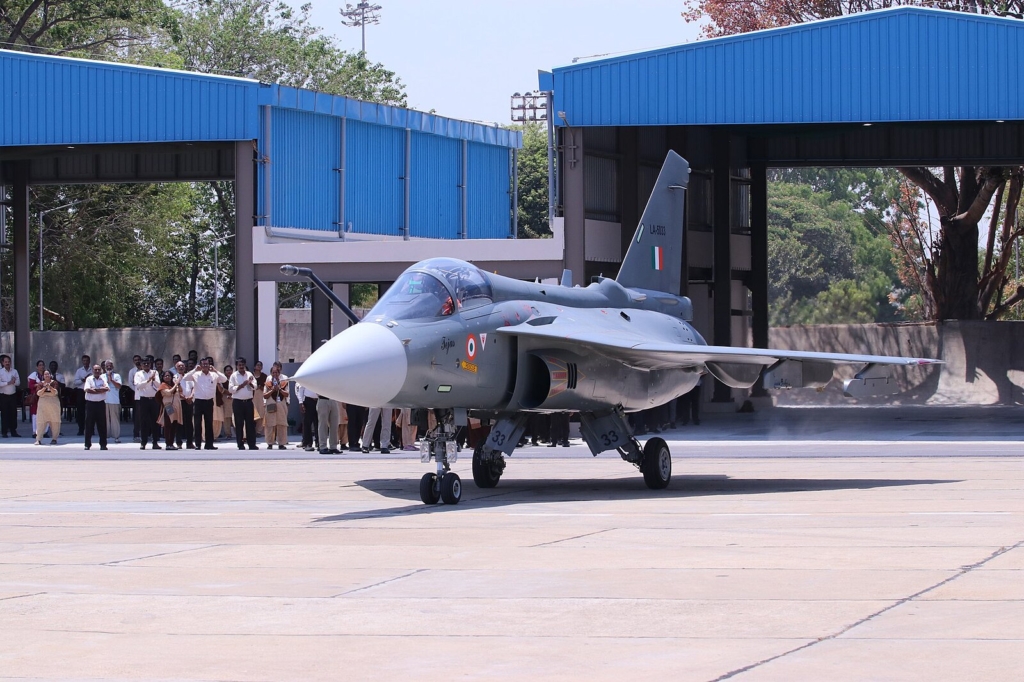
Nashik has been developed as the third assembly line for the programme, in addition to the two existing lines in Bengaluru. HAL officials say the move is critical to meeting the scale of the Mk1A order and future requirements.
According to HAL, 15 aircraft are currently in a ready configuration, and the company expects that number to rise to around 20 by the end of the year, subject to engine availability.
Why the Tejas Mk1A matters to the Indian Air Force
The LCA Mk1A is designed as a lightweight, single-engine, multi-role fighter, intended to perform air defence, ground attack and maritime strike missions.
It is central to the IAF’s effort to replace its ageing MiG-21 fleet, while complementing heavier platforms such as the Su-30MKI and Rafale.

Within the service’s long-term planning, the Mk1A is viewed as a bridging platform until more advanced aircraft, including the Mk2 and the Advanced Medium Combat Aircraft (AMCA), enter service.
The aircraft represents a substantial upgrade over the original Tejas Mk1, addressing long-standing concerns related to maintainability, availability and combat capability.
Key upgrades define the Mk1A configuration
The Mk1A introduces a number of enhancements aimed at improving both combat performance and operational efficiency.
At its core is an Active Electronically Scanned Array (AESA) radar, offering improved target detection, simultaneous air-to-air and air-to-ground engagement, and better resilience in electronic warfare environments.

The aircraft also carries an indigenous electronic warfare suite capable of detecting hostile radar emissions, providing jamming and self-protection, and enhancing survivability in contested airspace.
Maintenance has been a major focus. The Mk1A features line replaceable units, improved diagnostics and reduced turnaround times between sorties, addressing availability issues that affected earlier variants.
Tejas weapons, payload and indigenous content
The Mk1A can carry a wide range of air-to-air and air-to-ground weapons, including beyond-visual-range missiles, close combat missiles, precision-guided bombs, laser-guided munitions and anti-ship missiles, along with a 23 mm internal cannon.
It also features a significantly higher level of indigenous content, with key systems such as the mission computer, flight control software, electronic warfare components and avionics developed domestically.

This increase in indigenous content aligns with India’s broader push to reduce dependence on foreign suppliers and build a sustainable domestic aerospace ecosystem.
HAL’s Tejas programme overshadowed by Dubai crash
India’s political leadership has consistently highlighted the Tejas programme as a symbol of indigenous capability.
The prime minister’s decision to fly a sortie in a single-seat LCA was widely seen as a public endorsement of the aircraft and of HAL’s role in India’s defence industrial base.
However, the unfortunate crash of the Tejas Mk1 at the Dubai Air Show on November 21 raised some concerns. This was the second crash since the Tejas fighters were commissioned into the force in 2016.
Notice the peculiar movements and actions of the pilot moments before Tejas crashes to the ground:
— DCS WORLD PAK 🇵🇰🇵🇸🇹🇷🇸🇦🇦🇪🇲🇾 (@DCSWORLDPAK) November 22, 2025
1. Left Hands not even on the throttle.
2. Very little movement after the roll could mean a Red Out. pic.twitter.com/z00NRknCZD
The first one crashed in March 2024 at Jaisalmer in Rajasthan, minutes after participating in a tri-services exercise.
At the same time, the Mk1A programme is unfolding against the backdrop of declining fighter squadron numbers and a rapidly evolving regional security environment, placing additional pressure on both HAL and the IAF to resolve outstanding issues.
For now, the Tejas Mk1A remains both a critical capability and a test of India’s ability to align ambition, industry and operational reality.
Featured image: Government of India
Sign up for our newsletter and get our latest content in your inbox.



More from


October 13, 202612 min read