Wizz Air eyes US flights with the Airbus A321XLR, but can low-cost transatlantic work?

4 min read
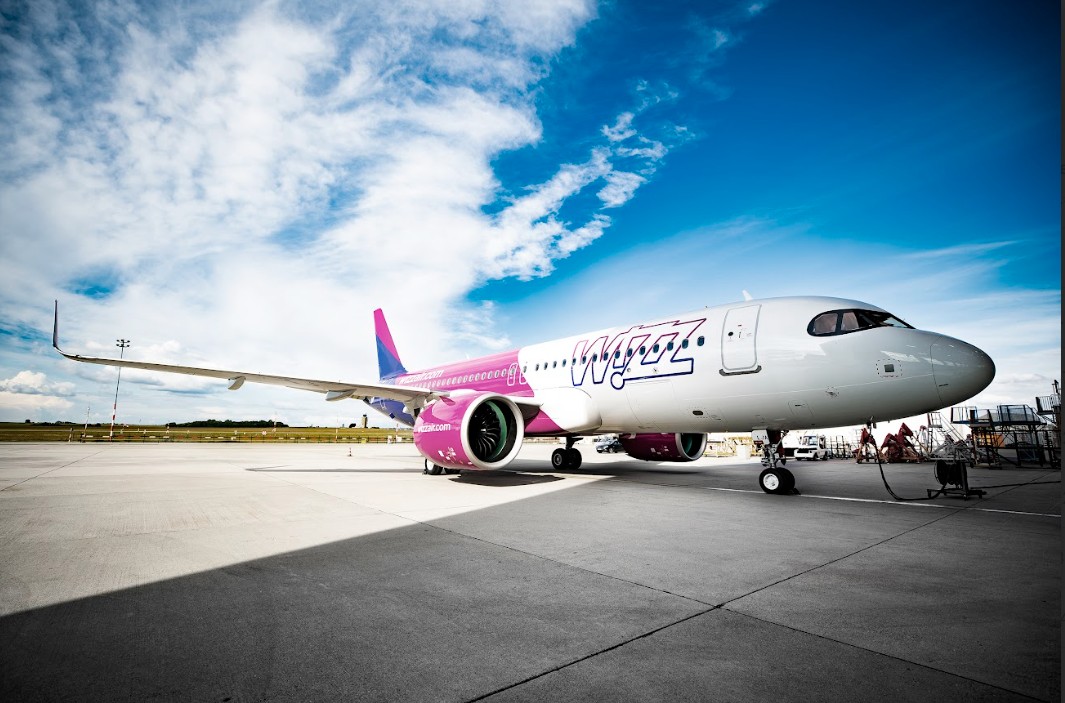
Wizz Air UK, a sister airline of European low-cost carrier Wizz Air, has submitted a formal application to the US Department of Transportation (DOT) seeking authorisation to operate flights between the United Kingdom and the United States.
The filing, submitted on 23 January 2026 by London-based law firm Holland and White, requests both an exemption and a foreign air carrier permit, allowing Wizz Air UK to operate scheduled and charter air transport services for passengers, property, and mail on transatlantic routes.
Wizz Air UK applies for US traffic rights
According to the application, Wizz Air UK intends to make use of the 2020 UK-US Open Skies Agreement, which permits airlines from either country to apply for traffic rights without restrictions on capacity or frequency.
The carrier’s initial strategy centres on passenger charter operations, while explicitly seeking the flexibility to launch scheduled services at a later date without requiring additional administrative approvals from the DOT. This approach would allow the airline to test the market before committing to a full scheduled transatlantic operation.
The filing also highlights the role of William Franke, a veteran US airline executive, who serves as chairman of WA Holdings, the parent company of Wizz Air UK. Franke is a US citizen, a point the application emphasises as potentially relevant to ownership and control considerations under US aviation law.
Airbus A321XLR key to Wizz Air’s transatlantic plans
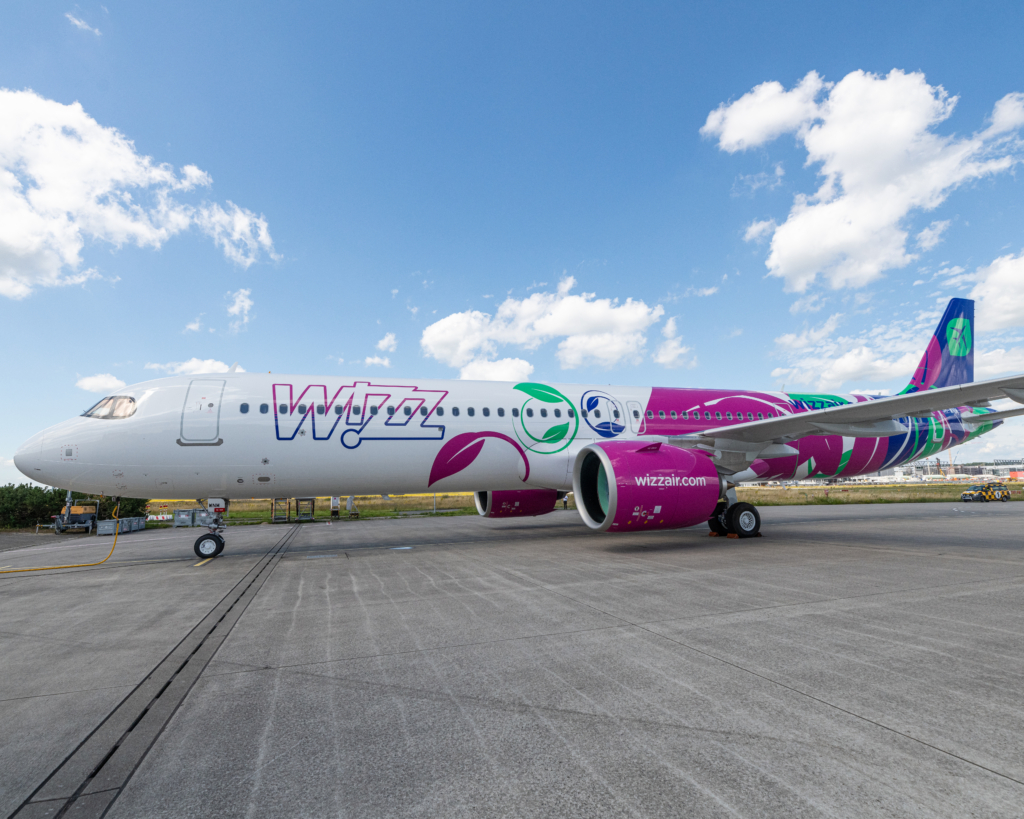
Central to Wizz Air UK’s transatlantic ambitions is the Airbus A321XLR, which offers a range of up to 4,700 nmi (8,700 km), enabling narrowbody aircraft to operate long-haul routes traditionally served by widebodies.
According to Planespotters.net, Wizz Air UK currently has three A321XLRs in its fleet, although only two are operational. The third aircraft remains under repair following a tail-strike incident in Prague in September 2025. Within the wider Wizz Air group, Wizz Air Malta operates two additional A321XLRs, both of which are currently grounded and being used as engine donors for other aircraft.

In November 2025, Wizz Air confirmed it had revised its delivery agreement with Airbus, reducing its total commitment for the A321XLR from 47 aircraft to just 11, including the five already delivered. The remaining 36 delivery slots were converted to the standard A321neo variant, reflecting a broader reassessment of fleet and network strategy across the group.
Despite the reduced orderbook, Wizz Air UK is clearly seeking routes that can exploit the A321XLR’s extended range. The airline currently deploys the type on long-haul services from London Gatwick to Medina and Jeddah in Saudi Arabia, demonstrating its capability to operate near the aircraft’s performance limits. From the UK, the A321XLR would allow non-stop service to much of the continental United States.
The aircraft is already in service on transatlantic routes with carriers including Aer Lingus and Iberia, with American Airlines expected to introduce the type shortly. Industry analysts widely regard the A321XLR as well-suited to lower-density, point-to-point transatlantic markets.
Wizz Air UK’s ownership could decide its US approval
One of the most sensitive aspects of Wizz Air UK’s application relates to ownership and control. While Wizz Air UK is a British-registered airline, it is a wholly owned subsidiary of WA Holdings, a publicly traded company listed on the London Stock Exchange.
The application places particular emphasis on Franke’s US citizenship, suggesting this could support a request for an exemption from certain foreign ownership and control requirements. Whether this argument satisfies the DOT’s strict scrutiny remains an open question, as US regulators have historically taken a conservative approach to such exemptions.
Wizz Air previously applied for a foreign air carrier permit in January 2022, seeking approval to conduct cargo operations during the latter stages of the COVID-19 pandemic. That application was ultimately rejected after the DOT concluded that US carriers were able to meet market demand with their own aircraft.
What Wizz Air’s US flights applications says about the airline’s long-haul strategy
The latest filing represents a notable potential change in direction for the airline group. Wizz Air has long avoided the transatlantic passenger market, with CEO József Váradi stating in 2023 that the economics of such operations did not align with the airline’s ultra-low-cost model.
However, recent developments suggest a more nuanced reassessment. In November 2023, a Wizz Air UK A321XLR, registered G-XLRD, was used to transport Hungarian Prime Minister Viktor Orbán to Washington for a meeting with President Donald Trump, an unusual role for the aircraft that some observers interpreted as an early signal of the airline’s US ambitions.
Should Wizz Air UK ultimately receive approval and proceed with transatlantic services, it would be entering a market where numerous low-cost operators have struggled.
Norwegian and Primera both failed to sustain long-haul low-cost operations, and the collapse of PLAY Airlines has further reinforced scepticism around the transatlantic low-cost model. Ryanair has long argued that the economics of budget transatlantic flying remain fundamentally challenging.
Interested parties have until 9 February to respond to Wizz Air UK’s exemption request, while responses to the permanent foreign air carrier permit application are due by 13 February. The DOT’s assessment of the filing will offer an early indication of whether Wizz Air’s long-standing resistance to transatlantic flying is finally beginning to soften.
Featured image: Wizz Air