FAA’s 5G altimeter rule could leave airlines facing $4.5bn bill

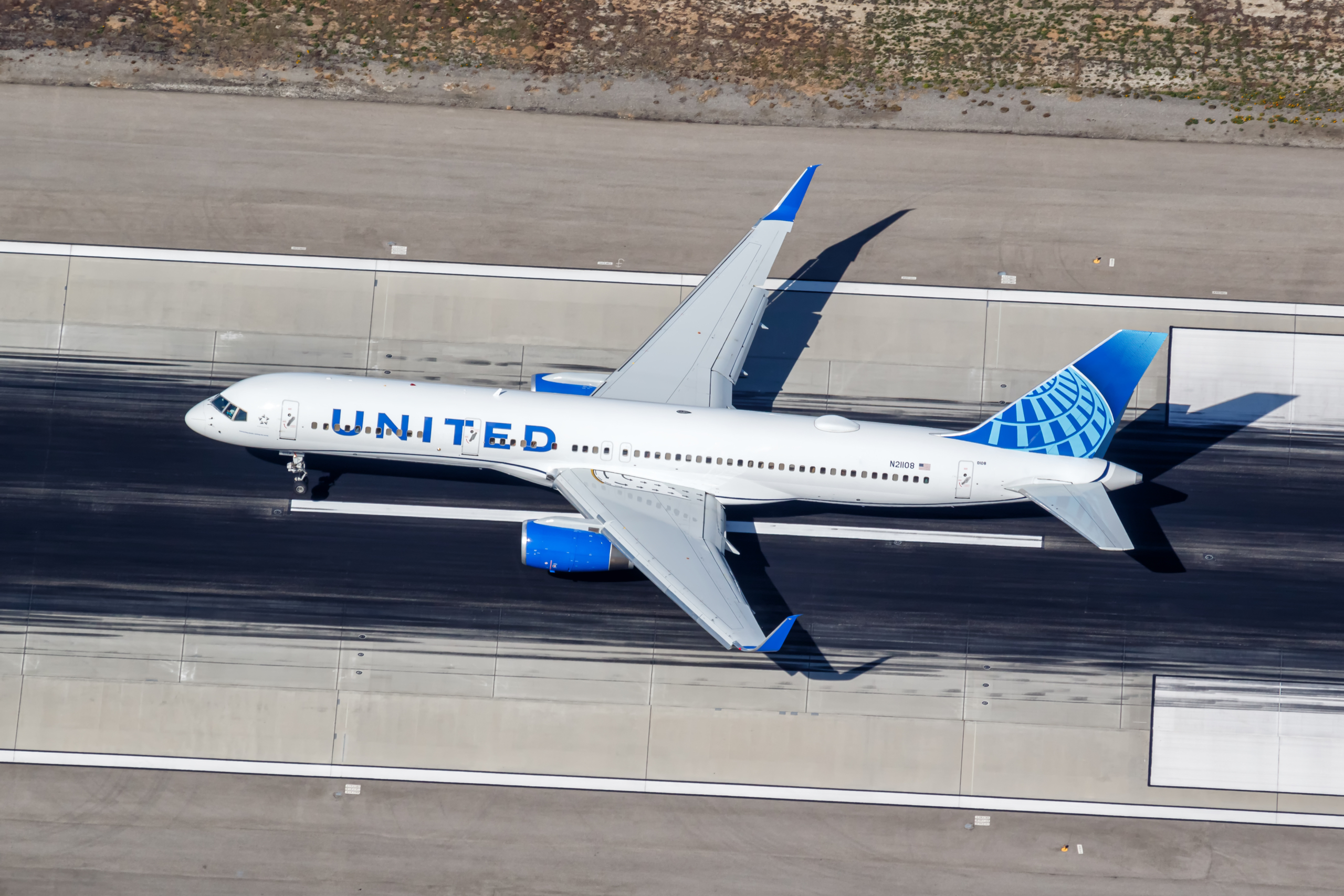
The Federal Aviation Administration has unveiled a proposal that would require airlines to upgrade their aircraft radio altimeter systems, amid changes to wireless spectrum use that risk interference with these critical pieces of equipment.
The move potentially leaves airlines with a multi-billion dollar bill to make the necessary changes to their fleets.
FAA cost estimates put the total to retrofit aircraft with interference-tolerant radio altimeter units at $4.5 billion.
Under a notice of proposed rule published in early January, the FAA said it was seeking to mandate new interference tolerance performance standards for radio altimeters – the sensors that provide critical height‑above‑ground information used during approaches and landings.
The move has been made necessary because of a move by the Trump administration to expand terrestrial wireless services in the Upper C‑band, adjacent to the frequencies at which altimeters operate.

This would be done through an auction of as much as 180, and at least 100, megahertz within the 3.7-4.2 gigahertz band.
Why radio altimeter interference is a growing aviation safety concern
Radio altimeters use radio waves to measure an aircraft’s height above the ground.
The information they provide is useful in normal operations for most types of commercial flight but becomes essential during certain non-normal conditions, including low‑visibility operations when pilots and aircraft automated systems rely on accurate height data for descent, flare, touchdown and rollout.
Altimeter readings also feed into terrain‑awareness systems such as TAWS (Terrain Awareness and Warning System) and influence automatic flight controls during instrument approaches.
Inaccurate or degraded altimeter data can therefore pose significant safety risks, particularly in adverse weather.
With the planned expansion of wireless broadband services into spectrum adjacent to the altimeter band, concerns have mounted about the possibility of interference with these sensitive pieces of equipment.
The FAA’s proposal seeks to address this vulnerability by ensuring that altimeters installed across the US civil aircraft fleet are resilient.
FAA sets proposed interference tolerance standards for radio altimeters
The FAA’s draft rule would impose minimum interference tolerance requirements on all radio altimeter systems installed on aircraft operating in the contiguous United States. The standards are intended to reflect the best performance achievable using current technology without degrading normal altimeter function.
For large transport aircraft and high‑impact operations, the initial compliance deadline – expected to fall between 2029 and 2032 – would coincide with the Federal Communications Commission’s (FCC) authorisation of flexible use of the Upper C‑band.
This group includes aircraft operating under 14 CFR Part 121, and those foreign‑registered aircraft governed by Part 129 with 30 or more passenger seats or a payload capacity exceeding 7,500 pounds.
Other classes of aircraft equipped with altimeters – including many general aviation types – would be given an additional two years to meet the same interference tolerance requirements.
Safety risks driving the FAA’s move on altimeter interference
The proposed rule comes amid ongoing efforts to manage the coexistence of expanding wireless services and flight safety systems.
Previous voluntary mitigation agreements between aviation and wireless interests have helped limit the risk of interference to radio altimeters near major airports. However, regulators have judged these interim measures insufficient for the long‑term safe coexistence as spectrum use intensifies.
The activation of 5G C-band operations in January 2022 threatened enormous disruption to the US air transport system because of the potential risk of interference with radio altimeters that also use C-band spectrum.
This was only addressed at the eleventh hour when AT&T and Verizon agreed to a voluntary power limit for 5G C-band transmissions near airports.
Cost, certification and retrofit challenges for airlines and operators
The FAA estimates that retrofitting or replacing radio altimeters to meet the new interference standards could cost the US civil fleet approximately $4.5 billion over time.
The implementation timeframe acknowledges both the technical challenges and the need for equipment development, certification, and installation across diverse aircraft types.
However, responses from airlines, manufacturers and other industry stakeholders are expected to play a significant role in shaping the final performance deadlines and regulatory specifics.

Industry reaction to radio altimeter changes
The International Air Transport Association last year stepped up calls for international rules to shield radio-altimeter performance from next-generation telecom networks.
The trade group warned that an impending wave of 5G and future 6G expansion could impact aviation safety margins unless regulators act decisively.
“The benefits of 5G and 6G can never come at the cost of aviation safety. Spectrum decisions must be based on real-world aircraft operations, not idealised telecommunications industry modeling,” said Nick Careen, IATA Senior Vice President Operations, Safety and Security.
“Current 5G mitigations were never designed as a long-term solution and several will expire within months. At the same time, more resilient radio altimeters will not reach airlines until the next decade. That leaves a significant mitigation gap,” Careen warned. “With new spectrum auctions underway and protections being lifted in key markets, regulators must not assume safety will take care of itself.
“The industry needs clear, consistent safeguards to bridge the period before new altimeters are available.”
Featured image: Markus Mainka | Adobe Stock