


Indian Air Force launches 2nd AEW&C programme using ex-Air India Airbus A321s

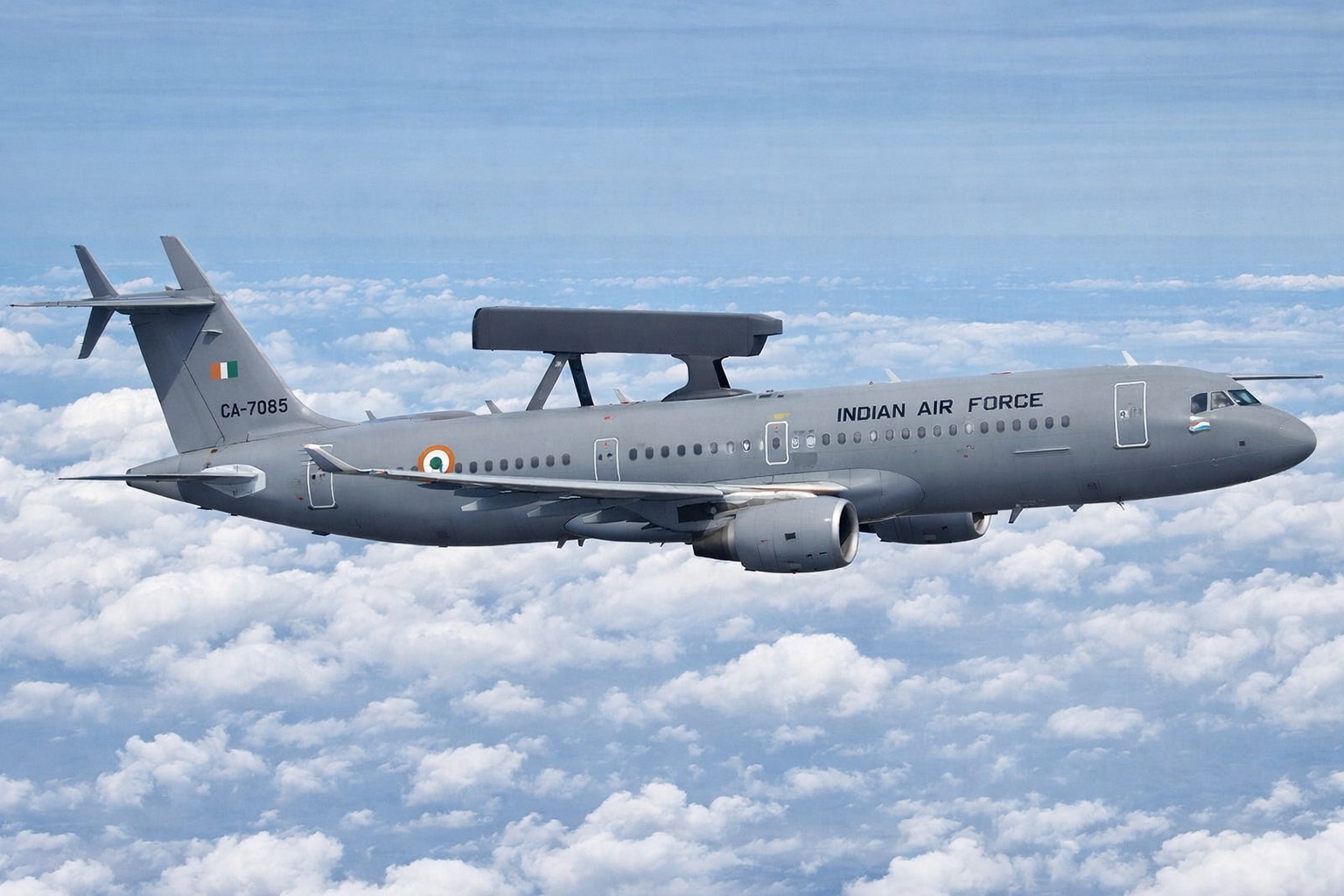
The Indian Air Force (IAF) has taken a decisive step to strengthen its airborne surveillance architecture, issuing a new Request for Information (RFI) on January 5 for the procurement of six medium-class Airborne Early Warning and Control (AEW&C) aircraft based on larger jet platforms.
The move advances the second leg of the IAF’s long-delayed early warning expansion plan and is aimed squarely at closing persistent gaps in airspace monitoring along India’s northern and western frontiers.
Crucially, the RFI is not linked to the separate order of six indigenous Netra Mk-1A systems, which is already progressing through approvals.
Instead, it pertains exclusively to a new AEW&C programme centred on the Airbus A321, several examples of which have already been transferred from Air India to the IAF for military conversion.
IAF confirms Airbus A321 AEW&C as a distinct acquisition track
The January 5 RFI marks a formal industry outreach for the Airbus A321-based AEW&C programme, which has been under discussion for several years but has struggled to move beyond the conceptual and negotiation stage.
Data from Planespotters.net shows that six Airbus A321s have already been passed to the DRDO from Air India, having left the commercial fleet in 2021 and 2022.
| Registration | Aircraft type | Delivered | Exit date | Status |
|---|---|---|---|---|
| VT-PPA | Airbus A321-200 | Jun 2007 | Oct 2021 | CA-7081 (DRDO) |
| VT-PPB | Airbus A321-200 | Jul 2007 | Jan 2022 | CA-7082 (DRDO) |
| VT-PPD | Airbus A321-200 | Aug 2007 | Jan 2022 | CA-7083 (DRDO) |
| VT-PPE | Airbus A321-200 | Dec 2007 | Jan 2022 | CA-7084 (DRDO) |
| VT-PPF | Airbus A321-200 | Dec 2007 | Dec 2021 | CA-7085 (DRDO) |
| VT-PPG | Airbus A321-200 | Jan 2008 | Nov 2021 | CA-7086 (DRDO) |
If realised, the Indian Air Force’s programme would create the world’s first Airborne Early Warning and Control aircraft based on the Airbus A321 airframe.
Existing AEW&C platforms globally are derived from a narrow set of converted aircraft, ranging from large military transports such as the Il-76 and Boeing 707, to narrowbody jets like the Boeing 737, regional jets including the Embraer ERJ-145, and long-range business jets such as the Gulfstream G550. The A321 would represent a new, previously unused platform in the AEW&C role.
India’s AEW&C future looks to two aircraft platforms
Officials familiar with the process stress that this is not a reopening of a failed tender, nor does it overlap administratively with the Netra line.
The IAF’s AEW&C expansion is structured around two parallel but distinct tracks, together intended to deliver 12 aircraft:
- Six Netra Mk-1A AEW&C systems, based on Embraer platforms and led entirely by the Defence Research and Development Organisation (DRDO), are intended as a low-risk, near-term augmentation.
- Six medium-class AEW&C aircraft on Airbus A321 airframes, offering wider coverage, longer endurance and greater growth potential, and forming the subject of the new RFI.
By issuing a standalone RFI, the Air Force has effectively moved the A321-based programme into its formal acquisition phase after years of preparatory work.
What the Indian Air Force wants from its Airbus A321 AWE&C
According to the RFI, the AEW&C aircraft is envisioned as a “system of systems”, integrating long-range radar detection with identification friend or foe (IFF), electronic surveillance measures (ESM), communications support, command and control, battle management and secure data-link networking.
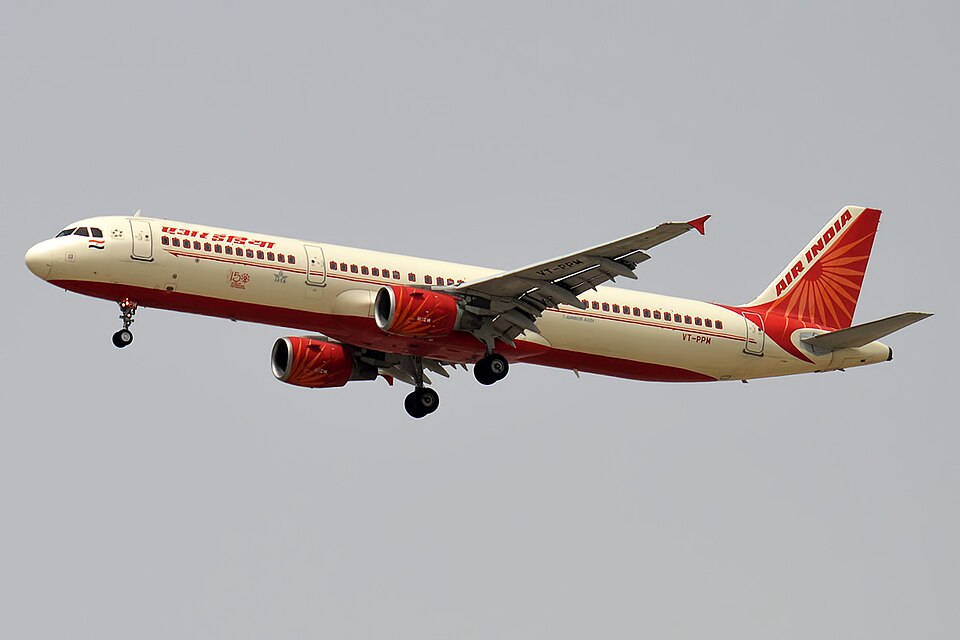
While platform-agnostic on paper, the requirements are demanding. The aircraft must be jet-powered, capable of at least 10 hours of endurance or fitted with air-to-air refuelling, operate at service ceilings of around 45,000 feet, and be able to take off from airfields located at altitudes of up to 10,000 feet.
The mission suite must deliver near-360-degree coverage, with the ability to detect and track targets ranging from slow, low-flying unmanned systems to fast-moving and hypersonic threats.
Satellite-based navigation and communications, secure integration with ground stations and airborne assets, and a comprehensive self-protection electronic warfare package are also mandated.
Why the Airbus A321 was chosen for India’s AEW&C programme
The choice of the Airbus A321 is driven by a mix of availability, endurance and payload capacity.
Under the programme, Airbus is expected to handle aircraft-level modifications, including structural reinforcement, power generation and cooling, while DRDO’s Centre for Airborne Systems (CABS) develops and integrates the indigenous mission systems, including radar and electronic suites.
The A321-based AEW&C is expected to provide significantly broader coverage than existing Netra systems, which are limited to around 240 degrees due to airframe constraints. The newer platform is designed to approach all-around coverage, narrowing the capability gap with larger AWACS-class aircraft.
Embraer-based Netra Mk-1A AEW&C programme runs in parallel
Running independently of the RFI is the Netra Mk-1A programme, a follow-on order of six AEW&C aircraft building on the Embraer-based Netra systems already in service.
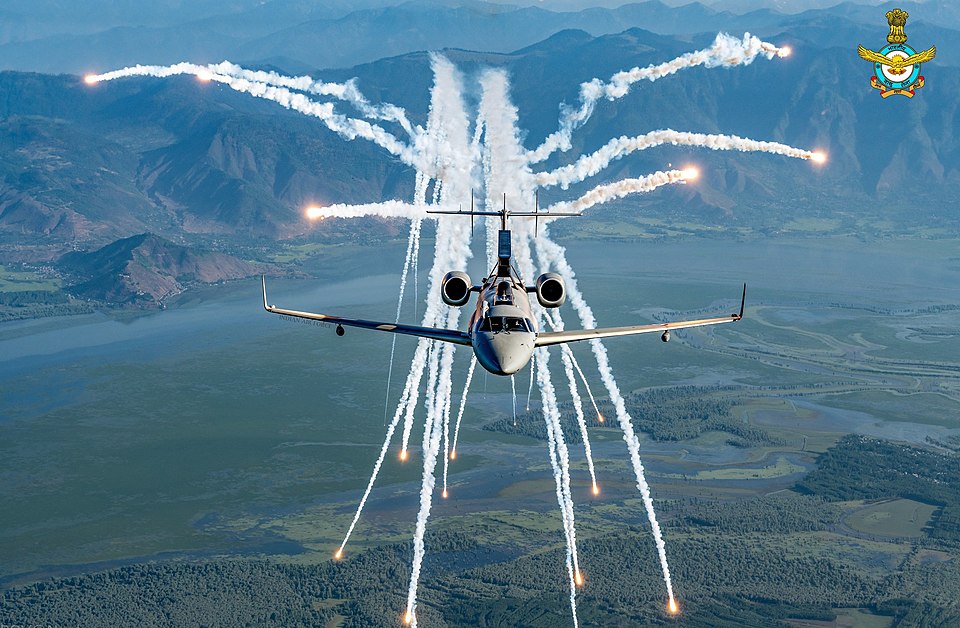
The IAF currently operates two Netra aircraft, with a third retained by DRDO for development and testing.
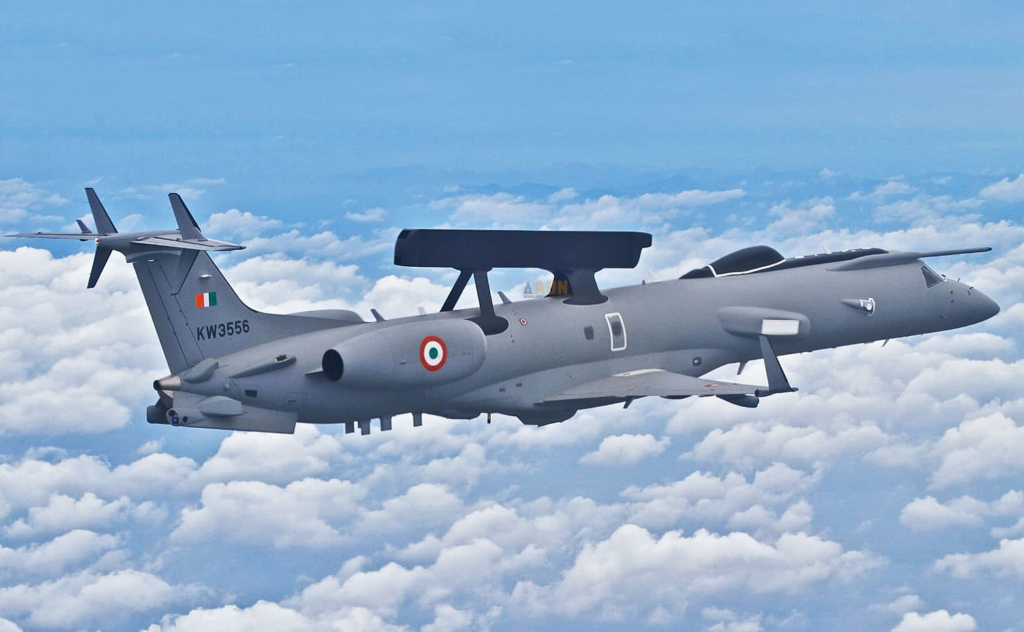
The Mk-1A variant will feature upgraded sensors, improved software and gallium nitride-based radar modules, while retaining the same basic architecture.
Because it builds on a proven design and existing industrial ecosystem, it is viewed as a relatively low-risk way to expand numbers quickly, even if it cannot fully meet the Air Force’s long-term requirement for wider coverage and endurance.
India’s AEW&C fleet is small and underpowered
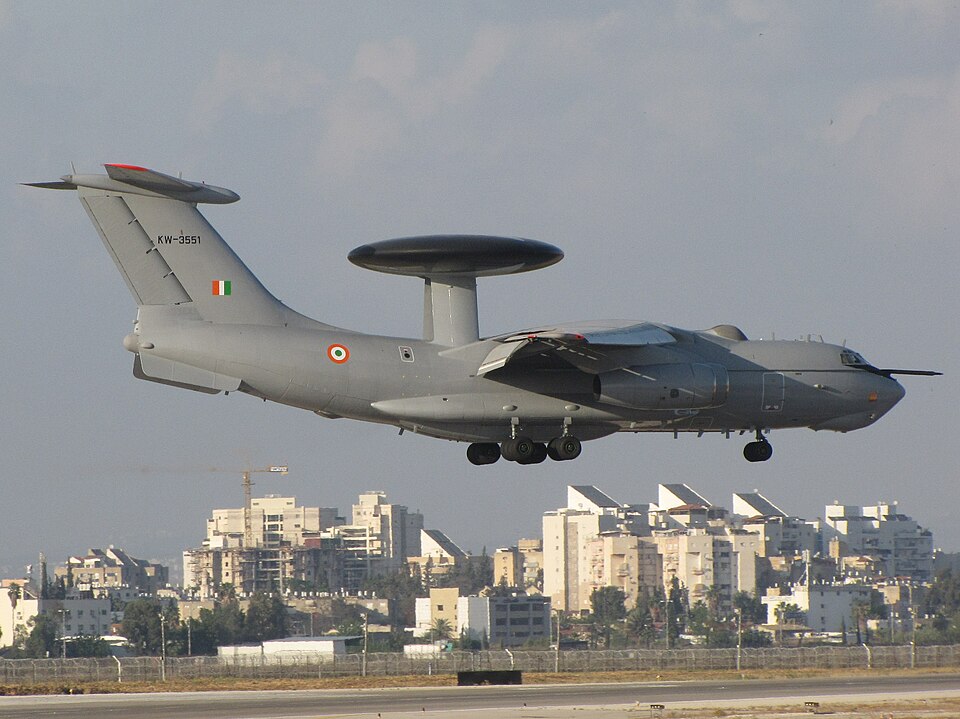
Despite incremental additions, India’s AEW&C inventory remains modest. The IAF currently operates three Israeli Phalcon AWACS mounted on Russian Il-76 aircraft (the Beriev A-50 “Mainstay”) and two operational Netra systems, a total of five platforms for a country with more than 15,000 kilometres of land borders and over 7,500 kilometres of coastline.
By comparison, China fields an estimated 50 airborne early warning aircraft across multiple types, while Pakistan operates around 10 AEW&C platforms, including Saab 2000 Erieye systems and Chinese ZDK-03 aircraft.
The imbalance has long been acknowledged by both the Air Force and Parliament’s Standing Committee on Defence, which has endorsed a minimum requirement of 12 AEW&C and AWACS-class aircraft to sustain credible two-front operations.
Operational lessons from India’s AEW&C deployments
The operational importance of airborne early warning assets was underscored during the 2019 air operations following the Balakot strike, when Netra systems were deployed in combat for the first time.
While the platform proved its utility, the episode also highlighted limitations in endurance, coverage and fleet depth.
Since then, the growing proliferation of long-range air-to-air missiles, sometimes described as “AWACS killers,” has further raised the stakes, making survivability, electronic protection and escort integration central considerations in future designs.
The January 5 RFI signals renewed urgency within Air Headquarters to move beyond piecemeal solutions.
By clearly separating the Netra Mk-1A follow-on from the A321-based AEW&C programme, the IAF appears intent on balancing speed with capability, adding numbers quickly while laying the groundwork for a more robust medium-class airborne surveillance fleet.
Featured image: Generated by AI


