


Revealed: The busiest domestic routes in the US in 2025

3 min read
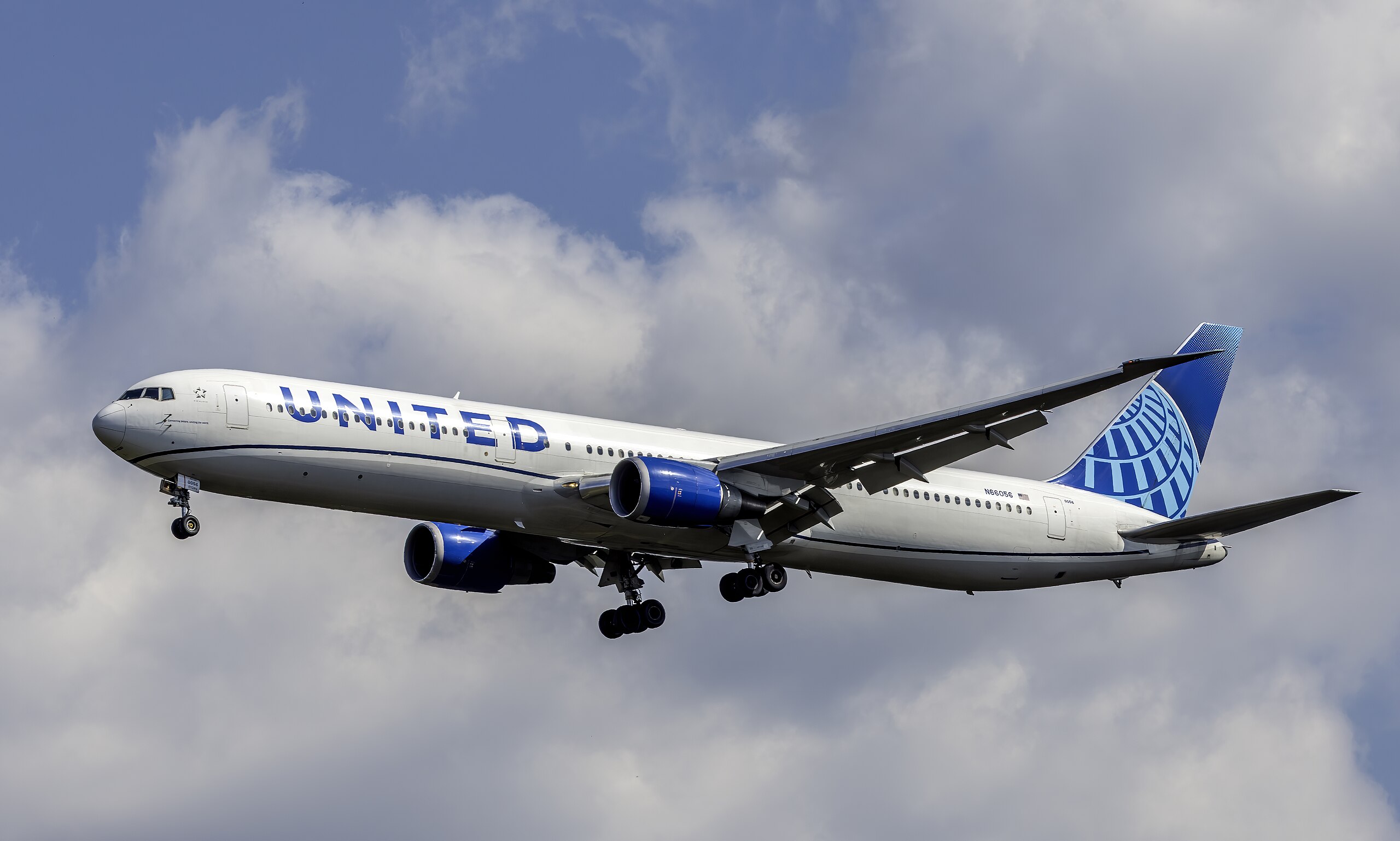
New York JFK–Los Angeles was the busiest domestic airline route in the United States in 2025, with airlines operating 3.4 million seats over the year, according to new data from OAG.
Capacity on the transcontinental corridor increased by 9% compared with 2024, reflecting additional frequencies and aircraft upgauging by multiple carriers.
Despite the growth, seat capacity on the route remains 20% below 2019 levels, indicating that demand has yet to return fully to pre-pandemic volumes.
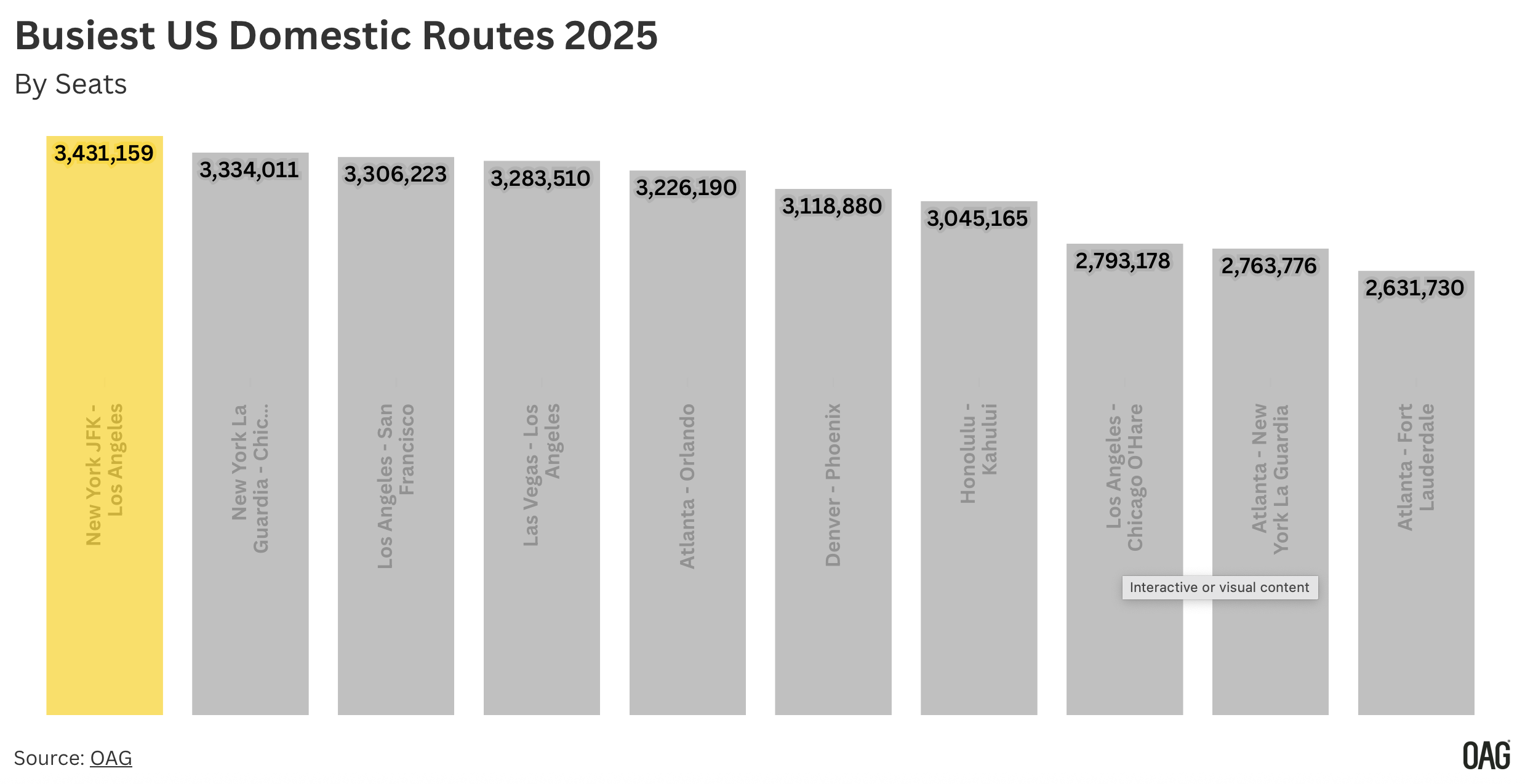
New York LaGuardia–Chicago O’Hare ranked second, with 3.3 million seats scheduled in 2025. Capacity on the route rose by 7% year on year, supported by its role as a core business market linking two major commercial centres. Even with the increase, the route remains 13% below 2019 capacity.
Los Angeles–San Francisco placed third, also with 3.3 million seats. Airlines increased capacity on the route by 5% compared with last year, although it remains one of the most reduced markets among the top rankings, operating 29% below pre-pandemic levels.
The route has seen sustained schedule reductions since 2020, with airlines continuing to prioritise yield over frequency.
Post-pandemic recovery differs across domestic routes
Beyond the top three, the Las Vegas–Los Angeles route ranked fourth in 2025, with airlines operating 3.28 million seats.
The short-haul leisure corridor continues to rank among the busiest in the country, supported by high-frequency operations and strong year-round demand.
Capacity on the route remains heavily driven by point-to-point leisure traffic rather than hub connectivity, with multiple carriers maintaining dense schedules throughout the year.
Atlanta–Orlando placed fifth, with 3.23 million seats scheduled during 2025. The route reflects sustained demand between two major leisure and connecting markets, underpinned by Atlanta’s role as the largest hub in the United States.
Capacity on the corridor has remained resilient as airlines continue to prioritise high-volume domestic leisure flows alongside connecting traffic.
The Denver–Phoenix corridor also ranked among the strongest performers in the top ten.
Airlines scheduled 3.1 million seats on the route in 2025, just 3% lower than in 2024 and 23% above 2019 levels. The route has benefited from continued population growth in the western United States and strong leisure and connecting traffic, supported by Denver’s role as a major domestic hub.
Honolulu–Kahului, which was the busiest US domestic route in 2023, fell to seventh place in the 2025 rankings. Airlines operated 3.0 million seats on the inter-island route, a 10% reduction compared with last year.
Despite the decline, capacity remains 6% higher than in 2019, reflecting the long-term strength of travel within Hawaii.
Growth in 2025 on high-volume corridors
Los Angeles–Chicago O’Hare also featured in the top ten, ranking eighth with 2.8 million seats.
The route continues to serve as a key link between two major economic centres, supported by both point-to-point and connecting demand.
Further down the rankings, Atlanta–New York LaGuardia recorded 2.8 million seats in 2025, reflecting its role as a core business and hub-to-hub market.
Atlanta–Fort Lauderdale rounded out the top ten with 2.6 million seats, supported by strong leisure demand and Florida’s continued appeal as a domestic destination.
Overall, the rankings show that US domestic capacity growth in 2025 was concentrated on a limited number of high-volume corridors, with several major business routes still operating below pre-pandemic levels.
While some markets have recovered or expanded beyond 2019, others continue to see lower demand as airlines adjust networks to reflect changes in .
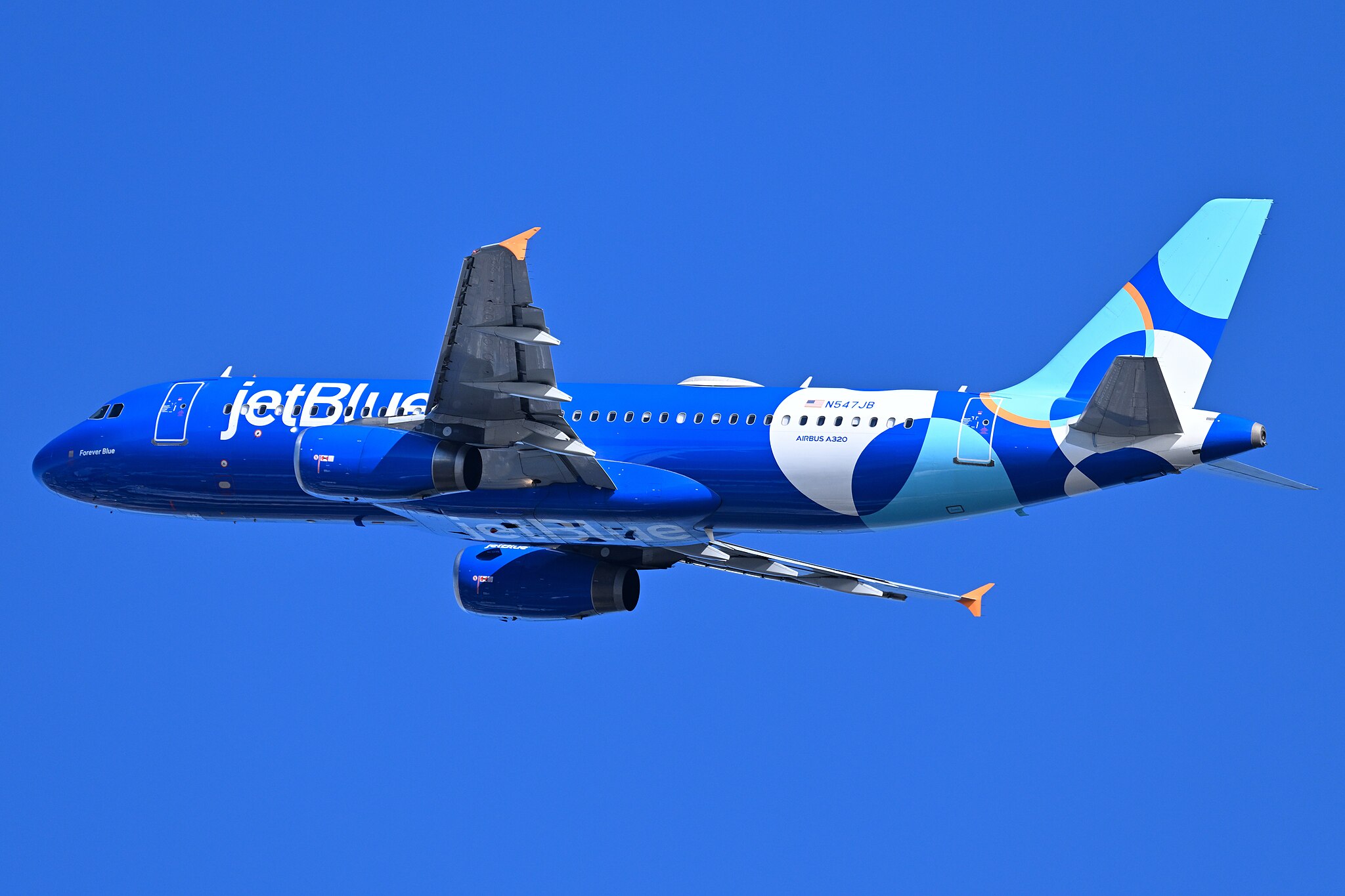
Photo: Acroterion / Wikimedia Commons
Sign up for our newsletter and get our latest content in your inbox.


More from

September 13, 20264 min read

September 12, 20264 min read


