Indian Air Force to cannibalise old Omani Jaguars to keep its ageing fighter jets flying

5 min read
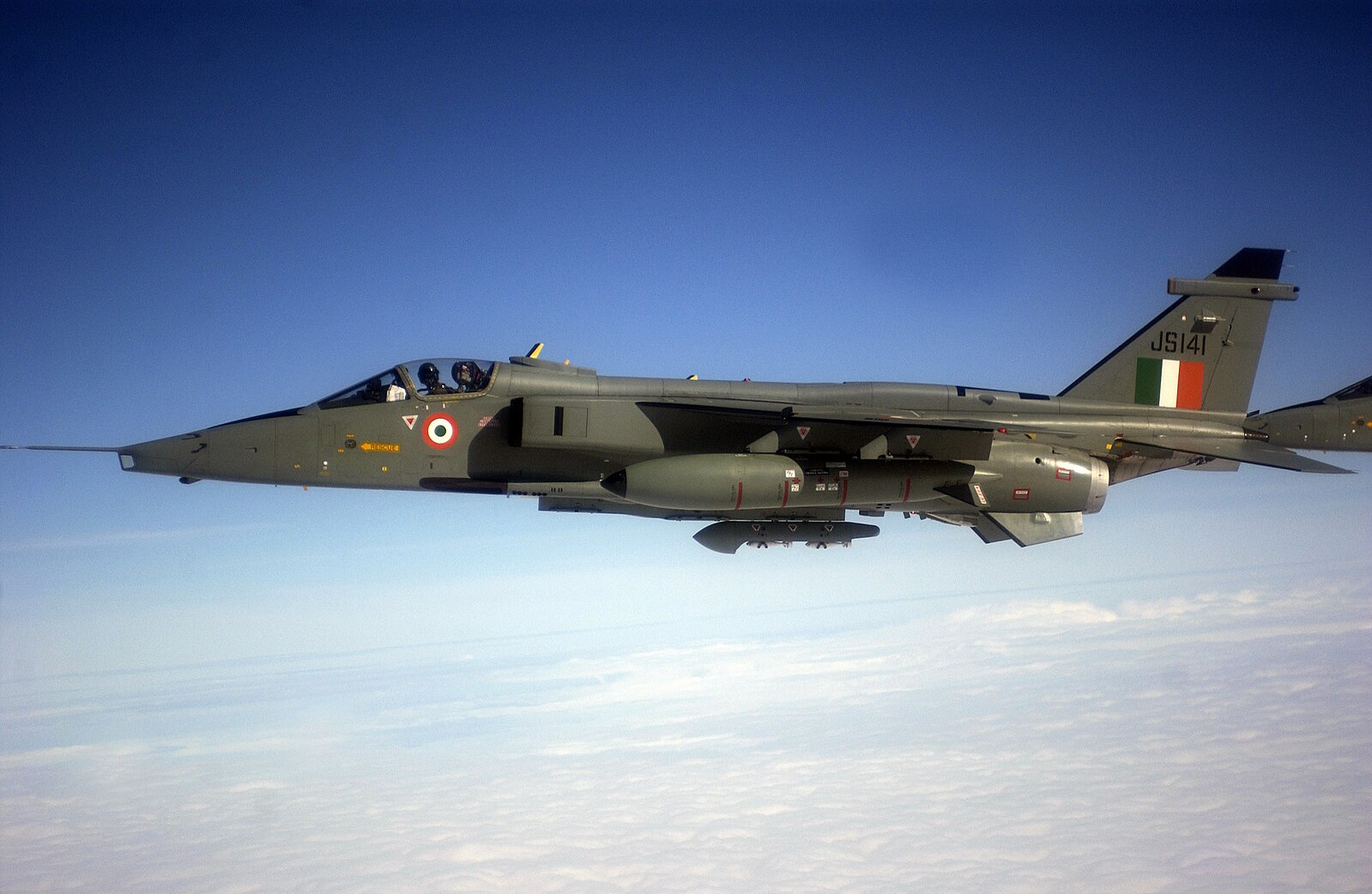
India has opened a new chapter in its long-running effort to sustain the SEPECAT Jaguar, the deep-penetration strike aircraft that has served as a backbone of the Indian Air Force (IAF) for more than four decades.
With the Jaguar now retired everywhere else in the world, New Delhi has turned to Oman, one of the type’s last foreign operators, to secure a fresh inventory of urgently needed spares.
A senior Ministry of Defence official confirmed to AGN that discussions over the transfer of retired Omani Jaguars and components are in advanced stages.
“The Royal Air Force of Oman used to operate Jaguar jets, but they were retired some time back. Now they have many spares which they would be willing to transfer to us in the near future. We are expecting supplies of those parts to come in the coming days,” the official said.
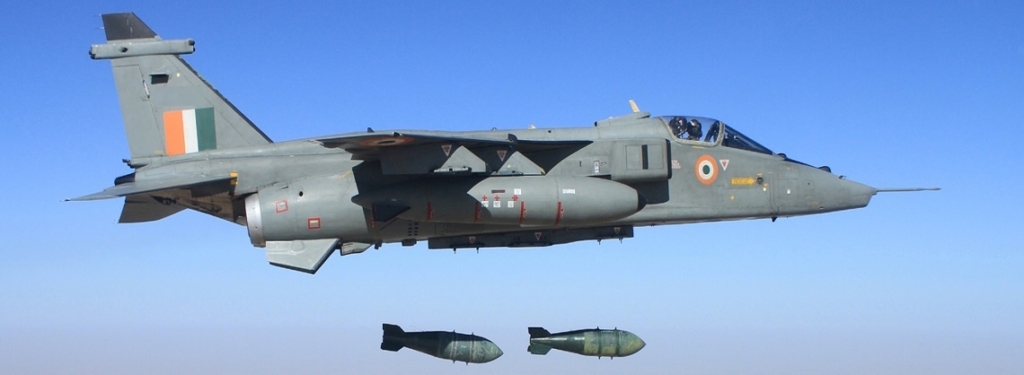
For India, the stakes are unusually high. The Jaguar, known in IAF service as Shamsher, remains central to precision-strike and low-altitude attack roles. Yet with production halted for decades and all other operators having transitioned away, India now stands alone in keeping the type airworthy. That isolation has created a heavy dependency on retired foreign fleets and any remaining global stocks of components.
India’s Jaguar fleet: An ageing strike platform the IAF cannot retire yet
The Jaguar’s presence in India is an outlier in modern combat aviation. What began as an Anglo-French trainer-cum-strike aircraft in the 1960s evolved, by the late 1970s, into a sophisticated attack platform that India adopted as part of a major modernisation push. More than 160 Jaguars were eventually inducted, many licence-built by Hindustan Aeronautics Limited (HAL).
Across maritime strike, low-level penetration and even nuclear delivery missions, the aircraft established itself as a core element of India’s strike capability. Its continued service is driven not by nostalgia but necessity.
India’s fighter squadron strength has been under persistent strain, and the upgraded DARIN II and DARIN III Jaguars fill a critical role that cannot yet be retired. Fast, low-flying performance under radar coverage, coupled with meaningful payloads, remains valuable until replacements arrive.
India turns to Oman for rare Jaguar parts to keep IAF fleet flying
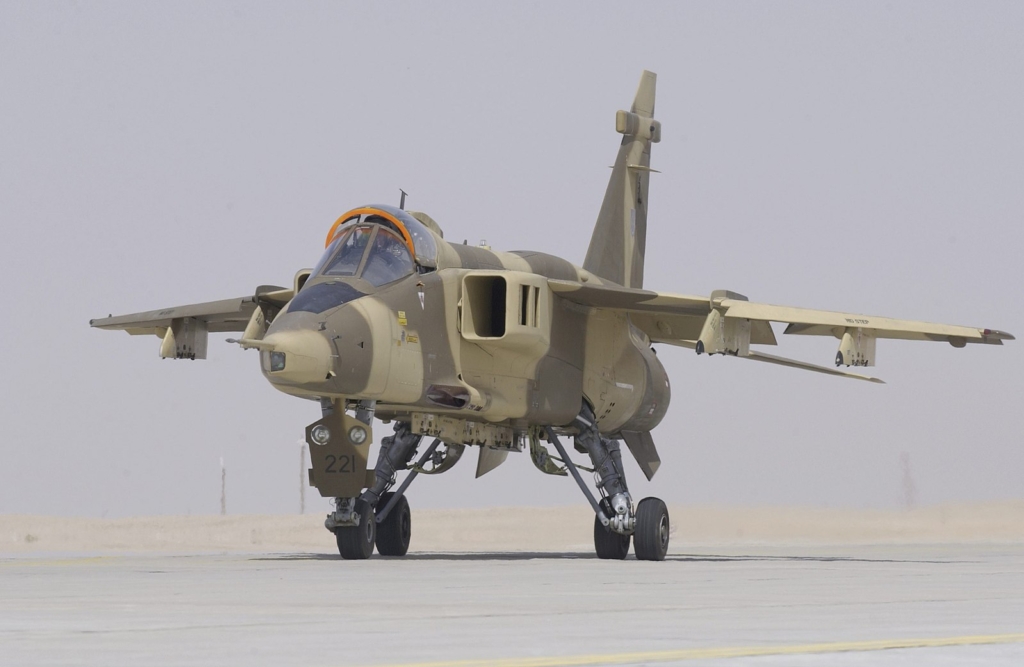
Oman acquired 27 Jaguars between the late 1970s and late 1980s, operating both SO1 strike variants and BO2 trainers before retiring the fleet in 2014. Many airframes remain structurally sound, with spares that India can no longer source through normal procurement.
India is not seeking to revive the aircraft themselves. Instead, it intends to remove selected parts from Omani stocks that can extend the life of operational IAF aircraft.
In maintenance circles, this practice is often described as turning retired airframes into “Christmas trees”, from which technicians harvest anything from hydraulic actuators and control surfaces to landing-gear assemblies, structural fittings and certain engine modules.
“There is no rationale in shipping entire airframes back to India,” the MoD official said. “Only a fraction of components will ultimately be usable. The intent is to identify those parts already known to be short in supply.”
Jaguar engine issues intensify as IAF faces rising maintenance challenges
The Jaguar’s most acute challenge lies not in the airframe but in its engines. The Rolls-Royce–Turbomeca Adour Mk 804/811 series, once considered robust, now suffers from wear, marginal thrust performance in India’s hot-and-high conditions and a shrinking global supply chain.
Engine flameouts, compressor stalls and oil-system failures have increased over the past decade, contributing to several accidents. The IAF lost three Jaguars this year alone.
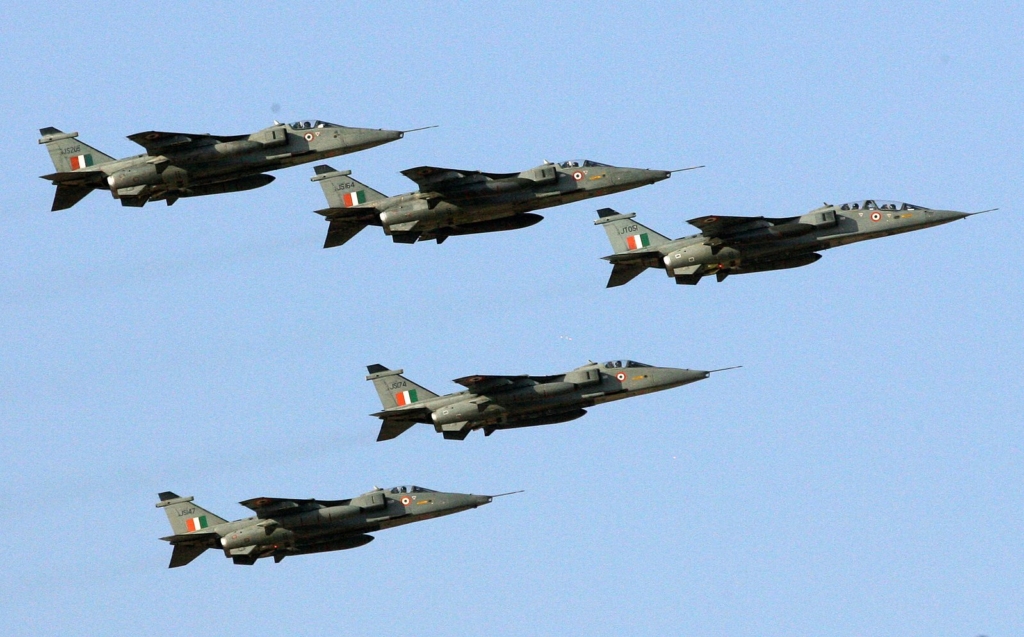
A proposed re-engining with Honeywell’s F125IN collapsed over cost and integration issues, leaving cannibalisation as the only practical method of maintaining engine serviceability.
Global hunt for Jaguar spares: France, the UK and now Oman assist India
India’s search for spares is not new. In 2018–19, France transferred 31 retired Jaguars and associated components at no cost, stabilising the fleet at a critical moment. The UK, which retired its Jaguars in 2007, is considering India’s request for nine decommissioned aircraft and roughly 150 categories of spares.
Oman, however, offers something distinct: late-service components from airframes that remained operational until only a decade ago. These spares, particularly those tied to hydraulics, avionics housings, structural fittings and certain engine ancillaries, are expected to integrate more easily with India’s DARIN-standard aircraft.
How long can India keep its Jaguar squadrons flying?
The IAF currently operates six Jaguar squadrons at Ambala, Gorakhpur and Jamnagar, fielding roughly 115–120 aircraft on paper, though fewer are flyable at any given time due to maintenance cycles and parts shortages.
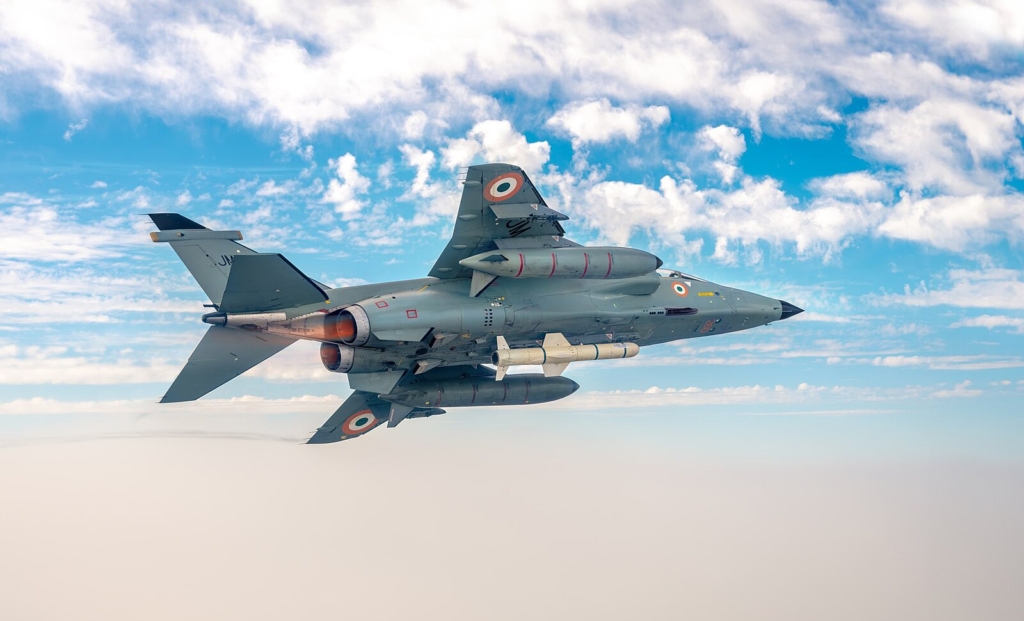
Non-upgraded Jaguars are expected to begin phased retirement from around 2027–28, while the DARIN III fleet may remain in service until 2031–32. Replacements will come incrementally through the Tejas Mk1A and Mk2 programmes, and eventually the Advanced Medium Combat Aircraft (AMCA).
IAF prepares final phase-out plan as Jaguar fleet nears end of service
The MoD official acknowledged what many in the defence establishment accept privately: the Jaguar will not receive major new investment, but its operational collapse cannot be allowed.
“The Jaguar has served the Air Force for over forty years. Allowing a sudden decline in serviceability is not an option,” he said. “These spares are meant to help us manage the transition responsibly.”
In effect, India is writing the final chapter of the Jaguar story one spare part at a time.
Featured image: SSGT Mathew Hannen, USAF
Sign up for our newsletter and get our latest content in your inbox.



More from


October 13, 202612 min read