Flights to nowhere: Why airlines turn back rather than carry on

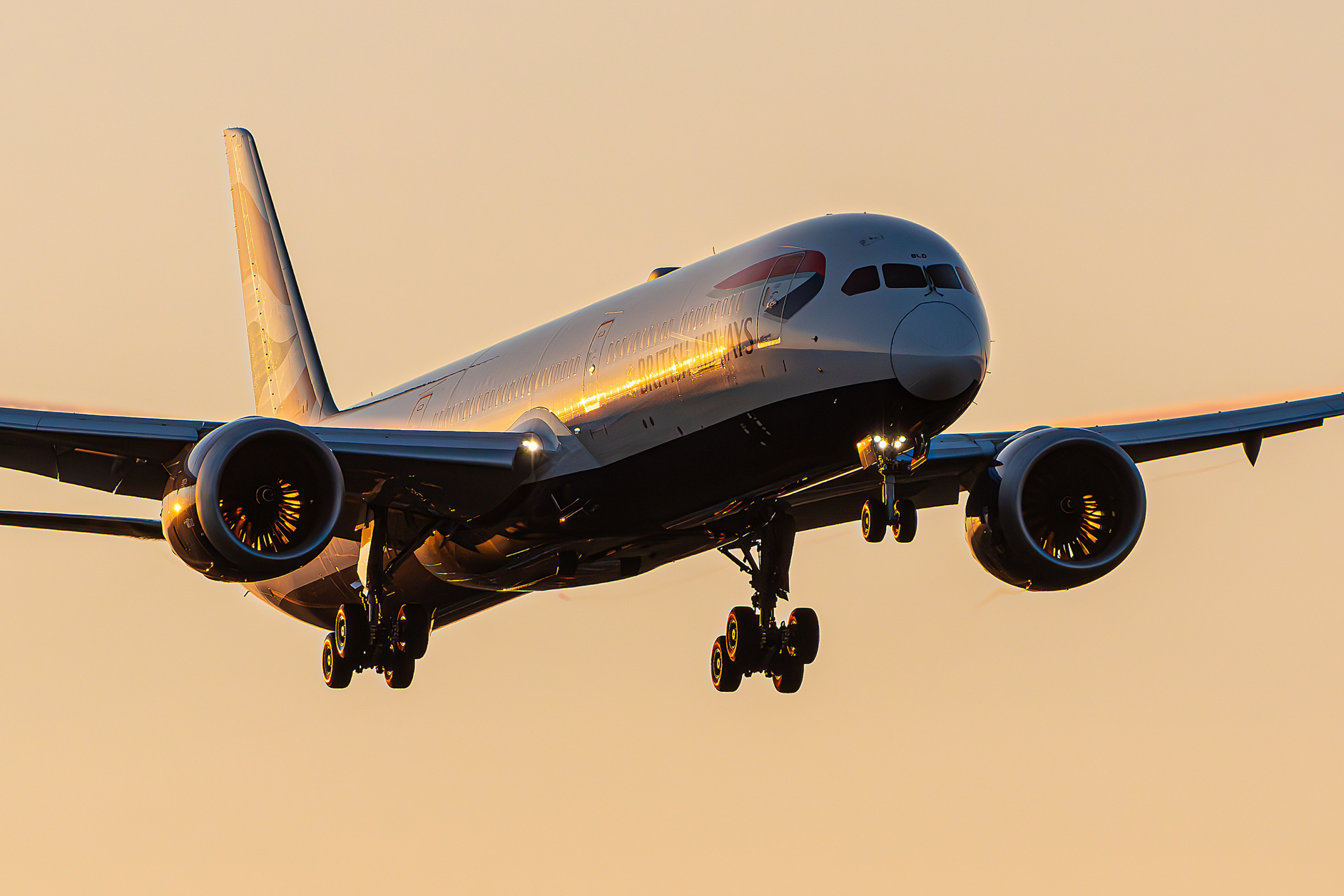
A Boeing 787 service from London Heathrow to Mexico City drew attention this week after the aircraft returned to its departure airport – but only after it had made the Atlantic crossing and reached Canadian airspace.
More than eight hours after departure, the aircraft was forced to return due to an undisclosed technical issue reportedly affecting its required landing distance, which made the destination unsuitable.
#BA243, London-Mexico City, is returning to London due to a technical issue. https://t.co/yXAlW3V6OM pic.twitter.com/niZ65s0SeH
— Flightradar24 (@flightradar24) December 10, 2025
The issue did not immediately compromise flight safety but warranted a return to the airline’s main base in London rather than continuing across North America.
Why long-haul flights sometimes turn back mid-air
The long so-called ‘flight to nowhere’ left passengers facing an extended journey that delivered them back to where they started – a scenario which is being noticed with increasing frequency thanks to flight-tracking platforms.
While such episodes are frustrating for travellers, there are complex decision-making processes behind mid-air diversions and the operational reasons why returning to origin can be the safest and most practical option.
Modern airliners are designed with extensive redundancy, yet crews are required to treat any discrepancy in system performance with caution.
When an issue emerges partway through a flight, particularly before entering remote or less well-supported airspace, operations teams and flight crews must judge whether proceeding poses unnecessary risk.
The decision-making process behind mid-air returns
In many cases, the combination of technical diagnosis, regulatory obligations and logistical considerations favours a return to the departure airport, even if that entails several additional hours of flying… in the wrong direction.
This approach to flight safety was evident days earlier in Scotland when a short-haul aircraft also bound for London Heathrow halted its climb on departure after a reported issue with its landing gear.
After returning to Edinburgh (EDI) following declaring an emergency, British Airways #BA1443 appears to be stuck on the sole runway available—effectively stopping any aircraft from departing and landing. Aircraft from easyJet, Ryanair and Lufthansa are currently established in a… pic.twitter.com/7u1kkf7Uld
— Flightradar24 (@flightradar24) December 8, 2025
The crew entered a holding pattern before returning to Edinburgh, an action that led the airport to pause operations and forced other flights to divert.
Although the underlying issue was manageable, addressing it at the airport of departure means crews can manage a precautionary landing in a shorter time frame and with the knowledge that the engineering teams are capable of carrying out any work.
Complexity of long-haul operations
Long-haul flights face an added layer of complexity.
An Air India service bound for New York was forced to return to Mumbai earlier this year following the discovery of what the airline described as a potential security concern, leaving several hundred passengers on an eight-hour round trip that ultimately landed back where it began.
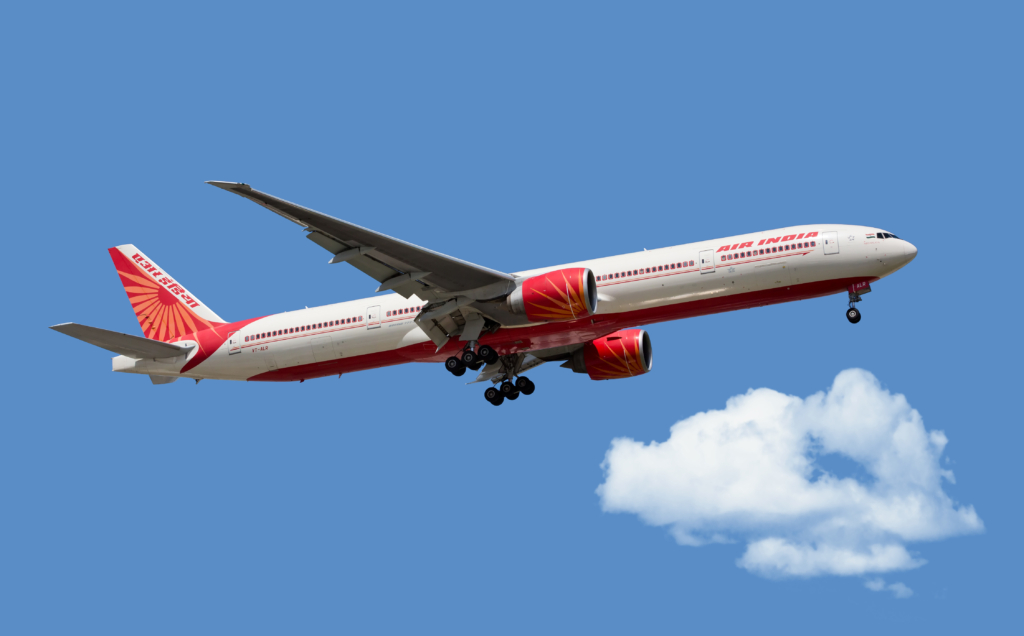
Tracking data indicated that the Boeing 777-300ER had been more than four hours into its transcontinental crossing when the crew abandoned the north-westerly route and turned the aircraft back towards India. The jet had been approaching the region between Azerbaijan and Armenia when the decision was taken to reverse course.
The unscheduled return meant passengers spent more than eight hours in the air without reaching their intended destination, roughly half the duration of a normal Mumbai–New York sector.
Why do aircraft return to their home base?
Maintenance resources are often the decisive factor. Major hubs like Heathrow offer immediate access to engineering teams, diagnostic equipment and spare parts inventories.
Smaller airports on a route may be capable of accommodating an emergency landing but lack the technical capability to repair the aircraft promptly.
Returning to the departure airport has the additional benefit that at least some of the passengers are close to their homes, making the job of finding accommodation less arduous.
Recrewing any replacement flights is also made easier by being back at the home base. Airlines will often have so-called commercial and fuel alternatives which are used accordingly.
As was reported to be the case with the British Airways B787 return en route to Mexico City, technical downgrades to an aircraft can also impact landing performance, potentially rendering the destination airport unusable.
Weather conditions often interact with these decisions. Deteriorating visibility, low cloud, strong winds or storms at the intended destination can influence the decision.
When alternates are also affected or when holding patterns would extend crew duty time, returning to the airport of origin may provide the most stable operational outcome.
Operational factors that push airlines to return to origin
For long-haul crew planning, the ability to manage rest requirements and ensure duty-time compliance is a critical part of the diversion strategy.
Regulatory frameworks for extended-range operations further shape the options available. Aircraft flying long overwater sectors must remain within reach of certified diversion airports under extended twin-engine operational rules.
If a fault diminishes the aircraft’s performance margin or reduces the number of suitable alternates, a significant rerouting – often back toward origin – can become the only solution.
Medical and security issues onboard also play a role. Serious medical incidents, disruptive passengers, or isolated incidents such as smoke or fumes may require the crew to identify the nearest suitable landing option.
When such events occur early in a flight, the departure airport remains one of the most viable choices for emergency support, police intervention or medical response.
Ground-based disruptions can exacerbate return-to-origin decisions. Air traffic control outages, runway closures or system faults at UK airports have in the past forced temporary suspensions of inbound traffic.
In these scenarios, an aircraft experiencing even a minor technical concern may elect to return rather than risk a lengthy hold or uncertain diversion sequence.
Managing disruption for passengers and crew
For passengers, these “flights to nowhere” are hugely disruptive. Long airborne periods without reaching the intended destination, followed by rebooking or delays, often lead to confusion over why an apparently serviceable aircraft did not simply land elsewhere.
Under UK passenger rights rules, some travellers may be entitled to assistance or compensation depending on the cause and length of disruption.
From the industry’s perspective, decisions to return – even after several hours of flying – reflect the conservative risk management that underpins commercial aviation.
Crews and engineers continuously balance technical status, weather, regulatory constraints and duty limits. When even a modest fault or operational risk begins to erode those margins, returning to the home base offers the highest level of certainty: the right runway, the right maintenance capability, the right people, and the right support.
In practice, it is often the safest and most predictable outcome available.
Featured image: British Airways