Dragon Lady reborn: Lockheed Martin resurrects fire-damaged U-2S to meet USAF ISR needs

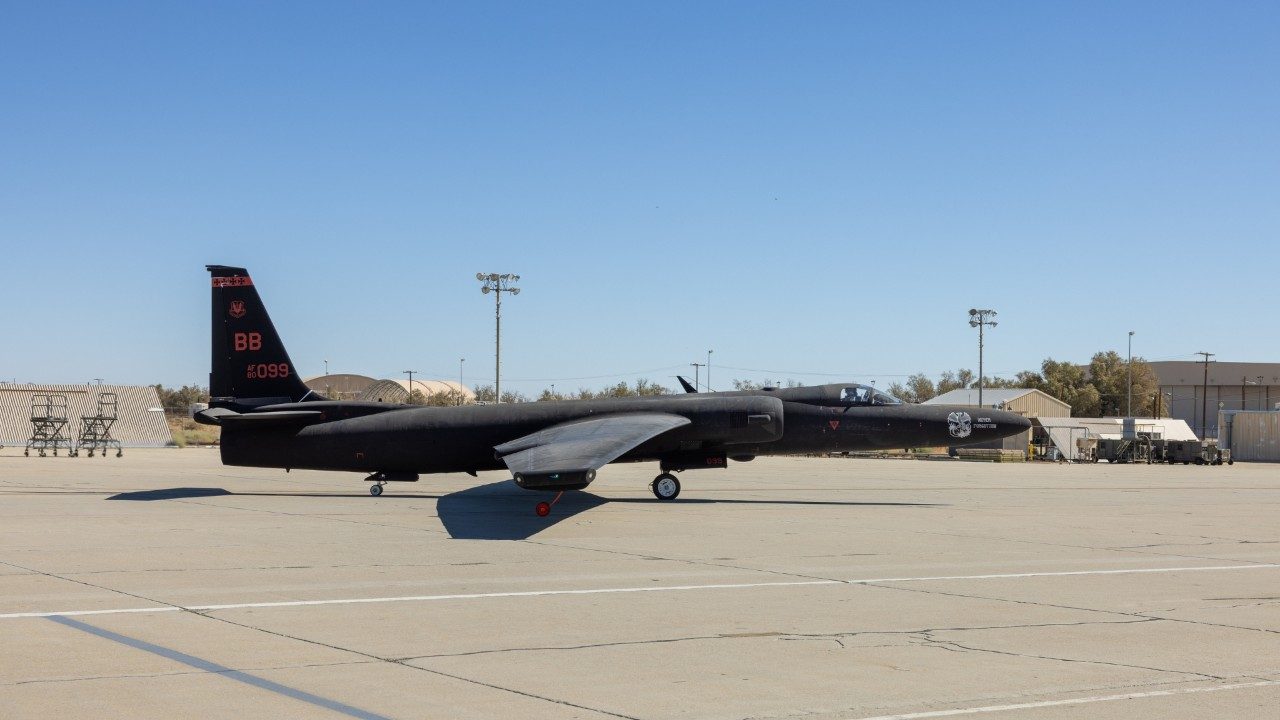
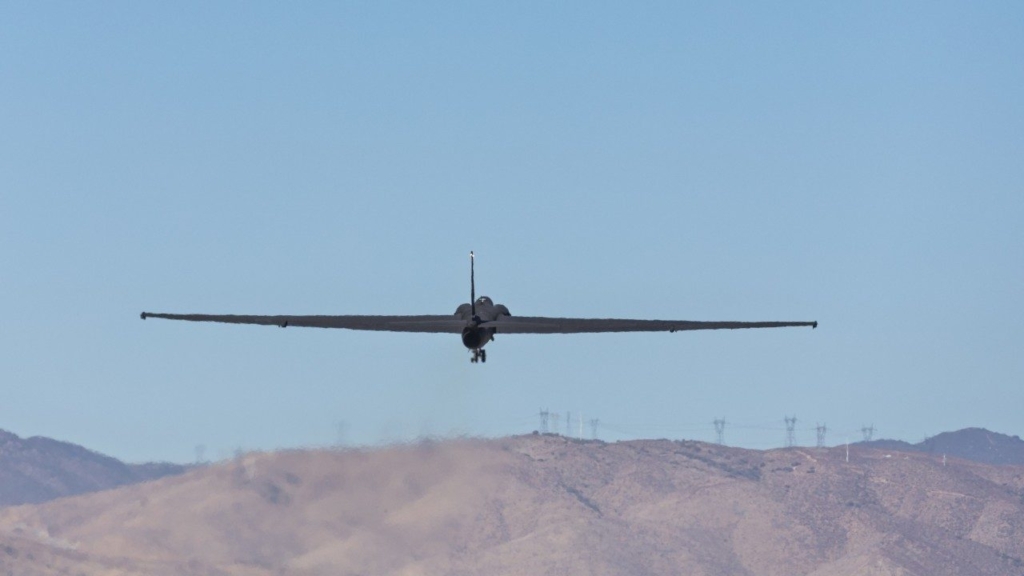
In a move driven by a resurgence in demand for surveillance operations carried out by the US Air Force’s (USAF’s) veteran Dragon Lady fleet, a newly resurrected U-2S (serial 80-1099/‘BB’) graced the sky once again on 18 August – some 17 years after the aircraft was almost destroyed in a devastating hydrazine-fuelled fire in 2008.
While some eagle-eyed aviation enthusiasts in California initially captured the iconic high-altitude reconnaissance aircraft’s return-to-flight in August, Lockheed Martin did not acknowledge this key milestone for the U-2S community until 8 December.
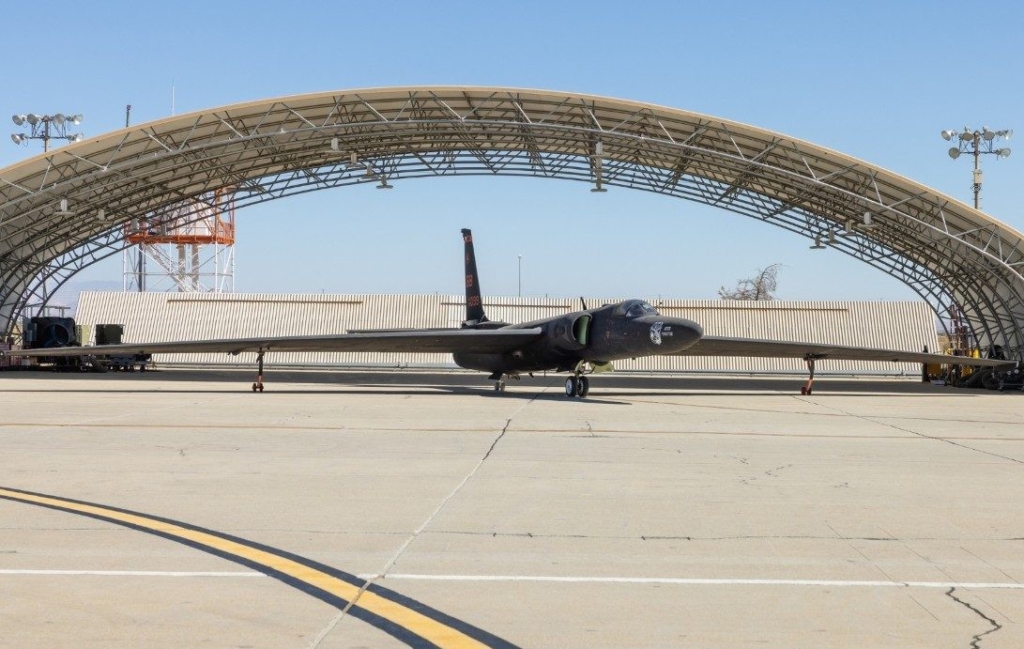
Aircraft ‘1099’ holds a special place in the history of the Dragon Lady fleet, being the final airframe to roll off Lockheed’s U-2 production line in 1989. Complete with a side-looking Advanced Synthetic Aperture Radar System-2 (ASARS-2), updated avionics and improved electronic countermeasures (ECM) equipment, ‘1099’ was the last of 33 operational TR-1As to be handed over to the USAF in 1989.
In 1992, ‘1099’ was redesignated a U-2R in line with the rest of the USAF’s operational Dragon Lady fleet, before becoming one of the 31 aircraft to be upgraded to the latest S-standard variant of the type in 1995. This conversion saw the aircraft receive an updated, GE Aerospace-produced F118 non-afterburning turbofan engine, along with improved sensors and a new GPS receiver, among other upgrades.
Throughout its early service career, ‘1099’ conducted several global deployments, with notable operating locations including Osan Air Base (AB), South Korea, and RAF Fairford in the UK.
In 2008, ‘1099’ was undergoing maintenance while deployed to Al Dhafra AB in the United Arab Emirates (UAE) when its highly reactive, toxic and flammable hydrazine-powered Emergency Start System (ESS) was activated, sparking a major fire that caused significant, almost career-ending damage to the aircraft.
Hydrazine-powered ESS systems are used to restart an aircraft’s engine in-flight during emergencies. They are commonly used on single-engined aircraft, such as the Lockheed Martin-produced F-16 Fighting Falcon and X-59 Quiet SuperSonic Technology (QueSST) low-boom flight demonstrator.
While effective, the extremely hazardous, flammable and toxic nature of hydrazine means it must be handled with extreme caution to avoid exposure.
Resurrecting a Dragon: Bringing U-2S ‘1099’ Back to the Fight
Following this incident, ‘1099’ was transferred back to the US, where it was eventually placed into long-term storage until 2021. In a press release (dated 8 December), Lockheed Martin said: “For 13 years, ‘1099’ sat in storage – stripped, silent, and sidelined… By 2021, demand for U-2 intelligence was rising. That demand sparked a bold decision: bring ‘1099’ back to life…
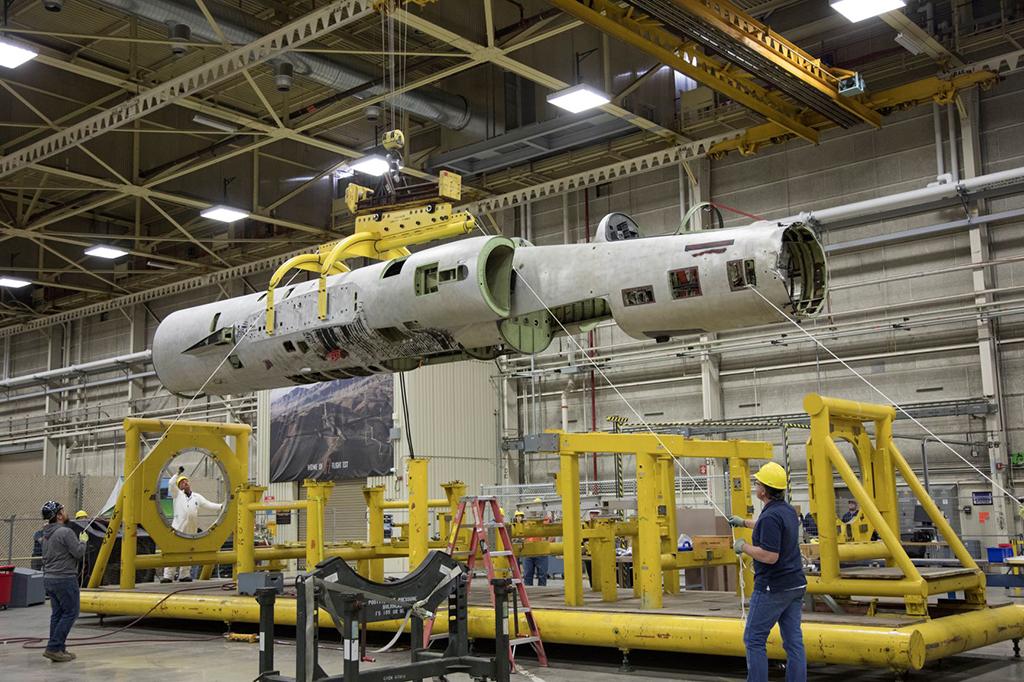
“The [Lockheed Martin] Skunk Works team began a years-long effort to restore ‘1099’. The work was painstaking – repairing structural damage, replacing systems, and rebuilding the jet piece by piece. It was more than restoration; it was resurrection,” the firm added.
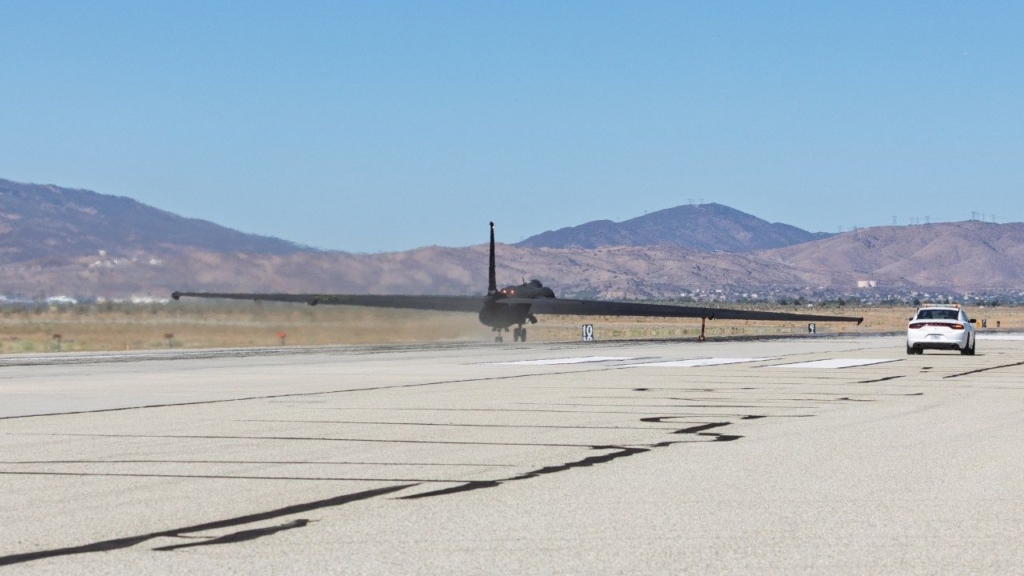
This effort came to a head on 18 August, when ‘1099’ lifted off from the runway at Palmdale Regional Airport – which is located next to the USAF’s famed Air Force Plant 42 classified aircraft manufacturing facility – in Palmdale, California, for the first time in almost two decades. “The milestone marked more than a successful test flight. It signalled the rebirth of the last U-2S ever built, restored to meet the USAF’s demand for ongoing intelligence missions,” the release said.
Ross Cooper, the Chief Engineer for the U-2 at Lockheed Martin, added further context to the resurrection of ‘1099’. “We’ve had the opportunity to complete ‘1099’, and it’ll go back up to Beale Air Force Base (AFB) [in California] and then overseas to fight the fight. All the legacy pilots have agreed that she flies the best.”
The USAF still plans to retire its veteran single-seat U-2S and dual-seat TU-2S fleets from operational service in FY2026, with the Cold War-era icon’s divestment reflecting the air arm’s shift toward using more modern solutions, such as space-based sensors and unmanned aircraft, for intelligence, surveillance and reconnaissance (ISR) operations. However, the revival of ‘1099’ underscores a recognition within the USAF that even as the broader U-2S fleet is slated for retirement, its unique high-altitude ISR capabilities remain in high demand.