Pearl Harbor museum sets out $51 million plan to restore America’s World War II battleground

5 min read
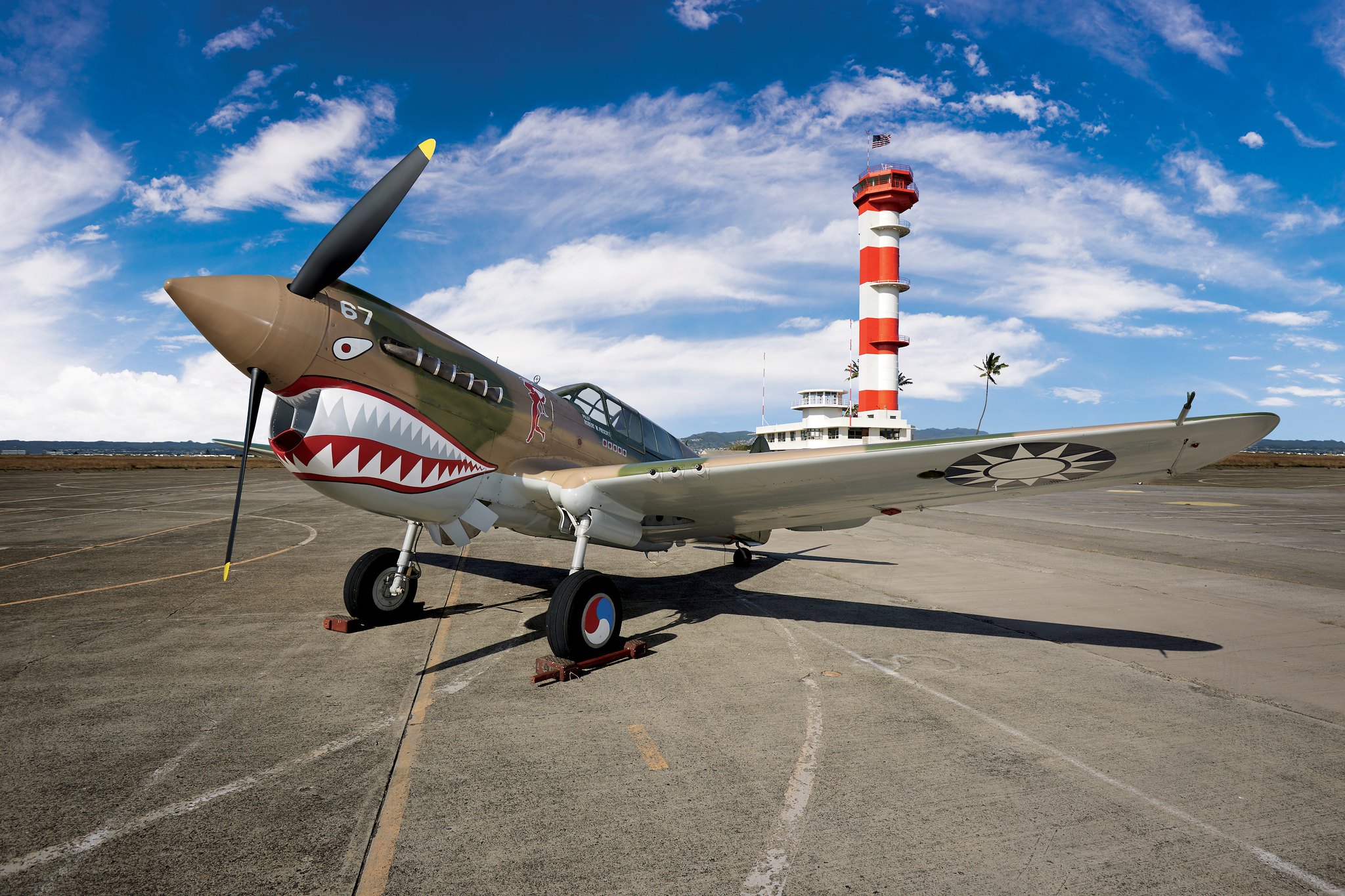
On 7 December, the Pearl Harbor Aviation Museum in Hawaii launched a new fundraising campaign aimed at raising $51 million to restore the entire facility for future generations.
Coming exactly 84 years to the day since the Japanese attack on Pearl Harbor, it is hoped that the launch of the Museum’s fundraising effort will bring in much-needed funds to preserve its galleries, hangars and archives and to continue commemorating the lives of the US servicemen who lost their lives on that day.
The ‘Remember Pearl Harbor’ national fundraising campaign is billed as the biggest and most significant transformation in the museum’s history. If it reaches its $51 million goal, the first priority will be a full renovation of Hangar 79, with further upgrades across the rest of the site to follow.
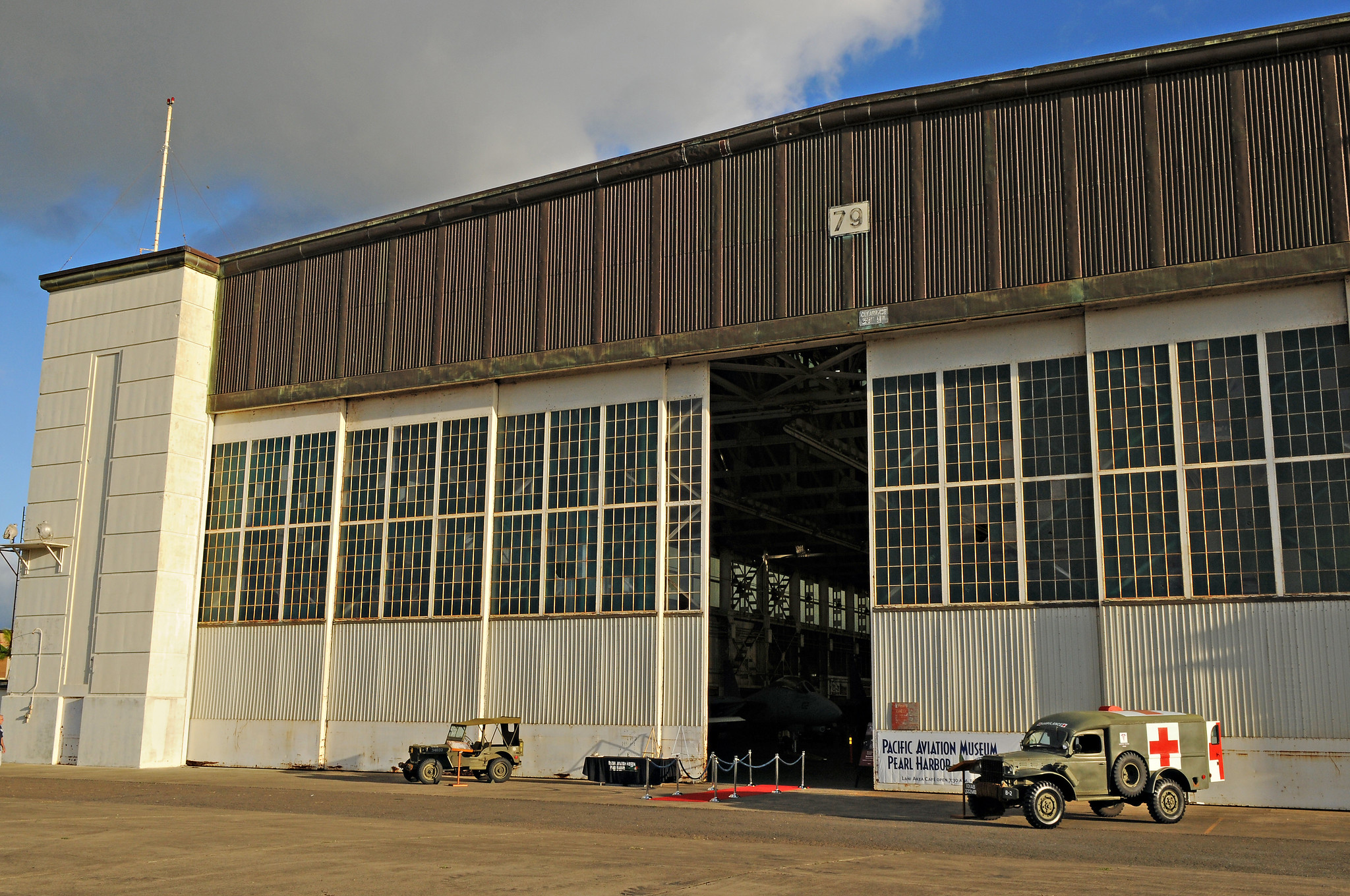
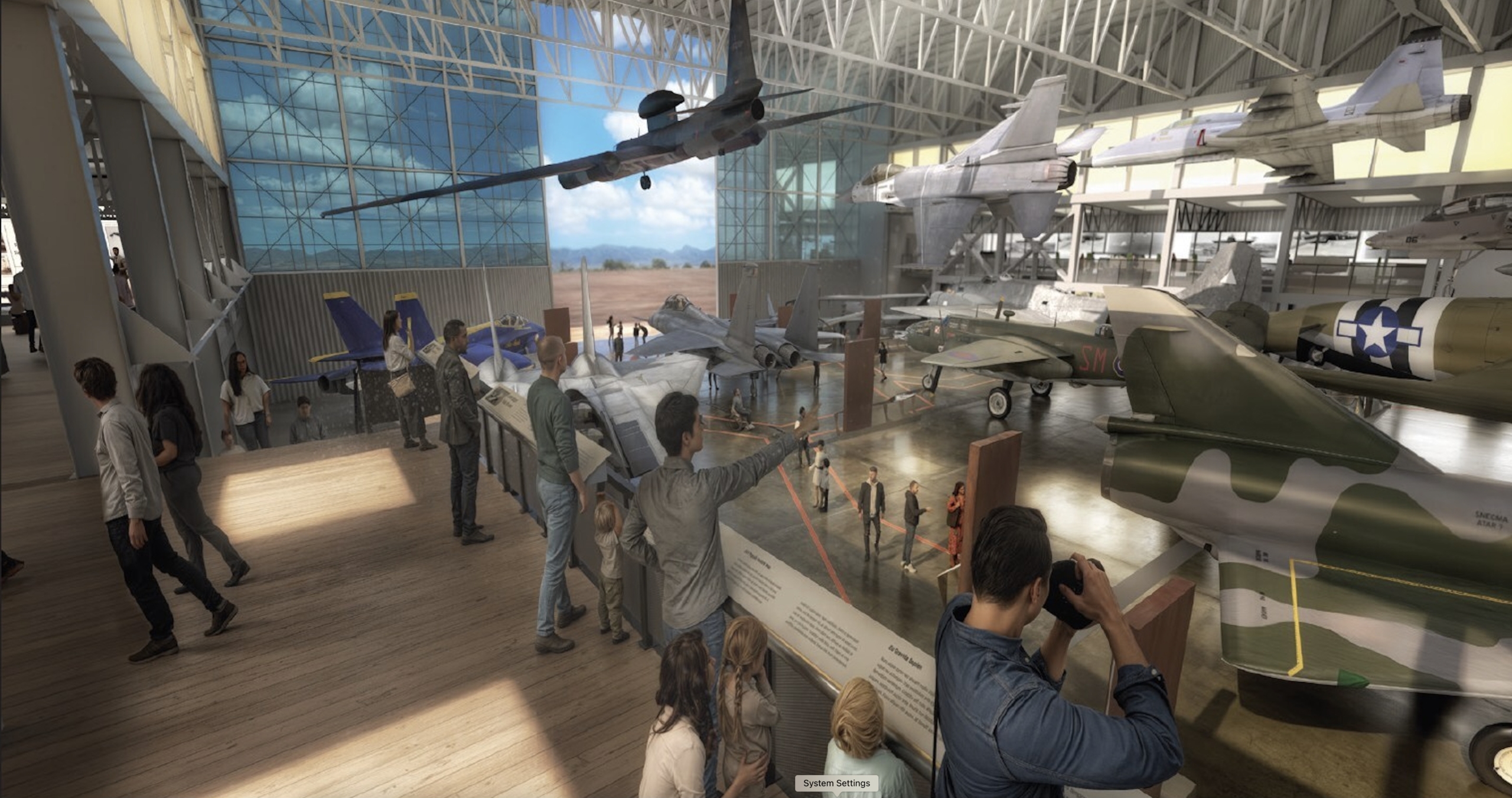
According to the museum, Hangar 79 — completed in 1941 and scarred by bullet fire during the attack — served as a major maintenance and engine-repair hub throughout World War II. Today, the 7,432-square-metre (80,000-square-foot) structure houses a collection of rare and historic aircraft from the era.
Renovating Hangar 79 for future generations
During World War II, Hangar 79 served as a key Navy facility for aircraft repair, assembly, and maintenance. After the attack, the Navy deliberately left its bullet-scarred windows untouched as a daily reminder to those working inside that they were operating in a combat zone. Those shattered panes are still in place today.
Throughout the conflict, the hangar handled a steady flow of fighters, bombers, and patrol aircraft, supporting both the Pearl Harbor-based fleet and aircraft passing through on their way to the front.
The renovated Hangar 79 will introduce a new exhibition exploring how Americans responded in the wake of the Pearl Harbor attack, alongside refreshed displays of iconic aircraft and the stories of the airmen who fought in the Pacific.
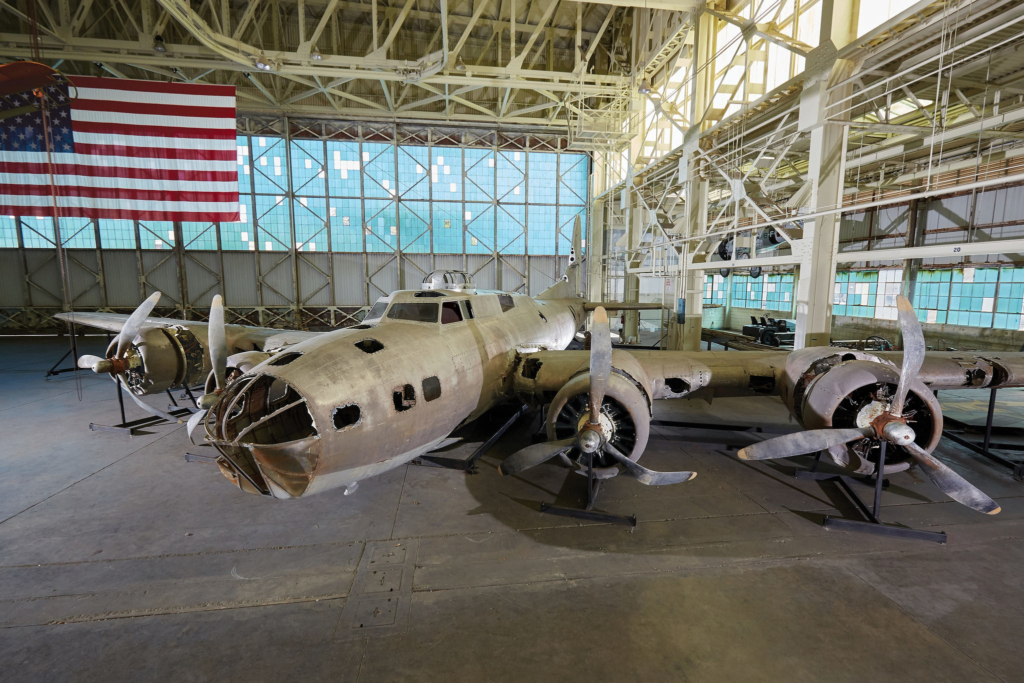
The hangar’s new display will include the Boeing B-17E Swamp Ghost, which crash-landed in New Guinea after a mission over Rabaul and remained lost for decades. A North American B-25 Mitchell will tell the story of Lt Col James H. “Jimmy” Doolittle’s daring raid on Japan in April 1942.
Beyond its World War II aircraft, the museum also displays Cold War and modern-era types including an F-14 Tomcat, F-15 Eagle, MiG-21, A-4 Skyhawk and UH-1 Huey. The renovation will enhance how these aircraft are preserved and presented, with some currently stored exhibits expected to return to public display once conditions allow.
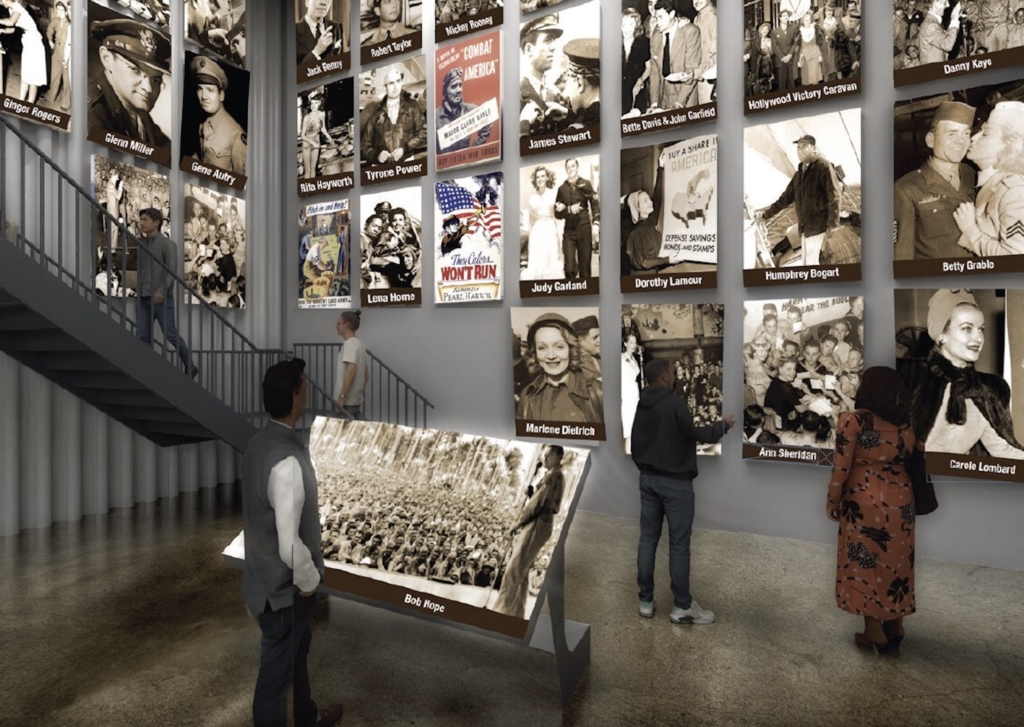
A dedicated exhibit, The Humanity of Bob Hope, will spotlight the beloved entertainer and the performers who helped lift the morale of US troops during the war.
Restoring America’s World War II battleground
In addition to transforming Hangar 79, Phase 1 of the renovation project will also include the reimagining of the Museum’s historic Hangar 37, which will chronicle the attack on December 7, 1941, and create an experience that will “resonate with and inspire future generations.”
Phase 2 will support archival protection, aircraft restoration and maintenance, and asset and programmatic development, activating educational impact locally and nationally.
Phase 3 will fund the reconstruction of the Hangar 79 historic extensions, returning Hangar 79 to its 1940s configuration and providing much-needed space to support aircraft restoration and programmatic execution.
Lastly, Phase 4 will support the Museum’s endowment, which will help ensure the long-term viability and impact of the museum and its exhibits, as well as “preserving the symbols of courage that shaped US freedom and safeguarding the Museum’s sacred grounds for all time.”
“In this iconic place, history is felt through the stories of the aircraft, artefacts, and courageous people who defended freedom in a pivotal moment that shaped our nation,” said Museum Chief Executive Officer John Hiltz. “It still inspires our American values and character that define us, creating transformative moments that inspire future generations with stories of bravery, sacrifice, and hope that remind us of what it means to stand together in the face of adversity.”
Remembering what happened at Pearl Harbor
On a calm Sunday morning, 7 December 1941, Japanese aircraft launched a surprise air raid attack on Pearl Harbor, causing extensive damage to the US Pacific Fleet.
The attack resulted in the sinking of eight US Navy vessels, including three battleships, damage to an additional six battleships plus many other ships, the loss of nearly 100 aircraft, and the deaths of over 2,400 American military personnel and civilians.
During the attack, Japanese aircraft struck multiple battleships moored around Ford Island, as well as the island’s aviation facilities, hangars and runways.
Half a century later, in 1999, the Pearl Harbor Aviation Museum (originally known as the Pacific Aviation Museum Pearl Harbor) was set up as a not-for-profit to establish a dedicated aviation museum on the site of the attacks. But it wasn’t until 2006 that it broke ground on the $75,000,000 project to construct the museum.
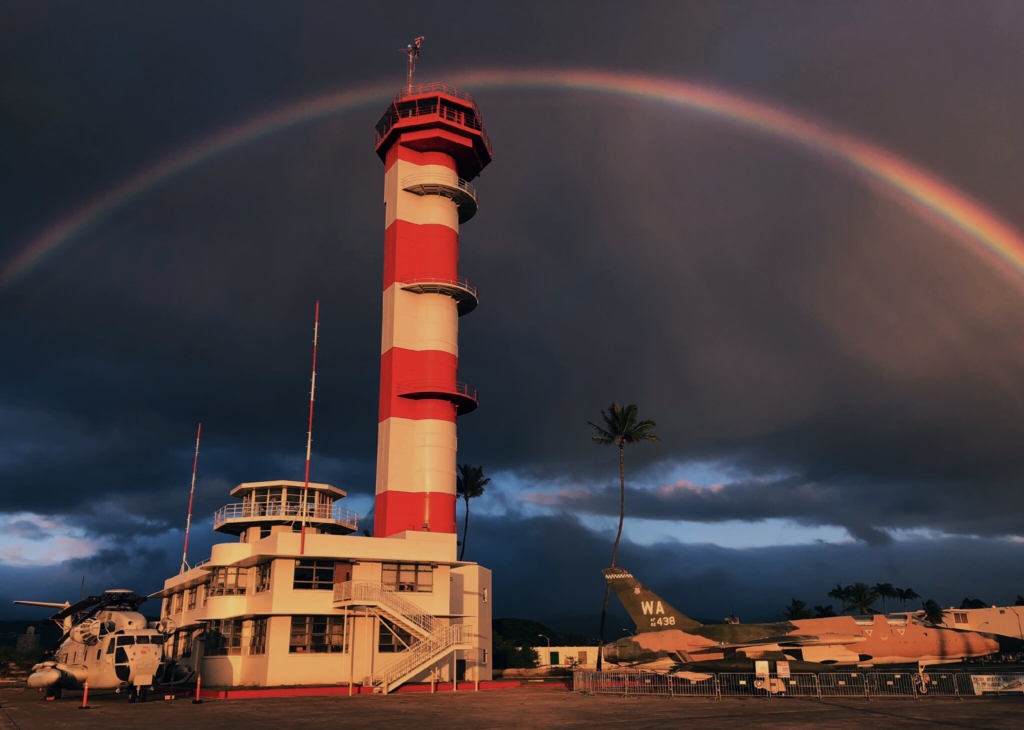
The museum first opened on December 7, 2006, on the 65th anniversary of the attack on Pearl Harbor. It occupies hangars 37 and 79 on Ford Island, and has extensively renovated the iconic control tower where the first radio transmissions alerting forces to the incoming attack were received.
The centre now receives around 250,000 visitors per year and includes buildings, aircraft and other important artefacts from the era, including the original control tower on Ford Island, where the Japanese attack aircraft were first spotted.
“The hangars, the control tower, the runways – these are not replicas,” said General Richard Myers USAF (Retired) and Mary Jo Myers, Co-Chairs of the Remember Pearl Harbor national campaign. “They are the authentic witnesses to the attack that drew our nation into World War II. To stand there is to feel history come alive. We invite [the public ] to join us in this mission of remembrance, education, and inspiration.”
In the process of renovating its current exhibit spaces, the Museum intends to build a “historic campus for the future that welcomes families, honours veterans, and elevates our children to dream, to learn, and to lead.”
“It is our responsibility to pass the baton to future trailblazers, those who will shape our future as keepers of the flame,” Hiltz said. “This impact of the Remember Pearl Harbor national campaign will be bold, enduring and worthy of the heroes we honour, as we keep their stories and their legacies alive forever.”
Featured image: Pearl Harbor Aviation Museum