Airbus cuts 2025 delivery target as A320 fuselage-panel issue slows production

3 min read

Airbus has revised down its aircraft delivery target for 2025, conceding that a newly identified quality problem affecting fuselage panels on A320-family airframes will disrupt the manufacturer’s production well into next year.
The airframer now expects to hand over around 790 commercial aircraft in 2025, down from the roughly 820 previously signalled.
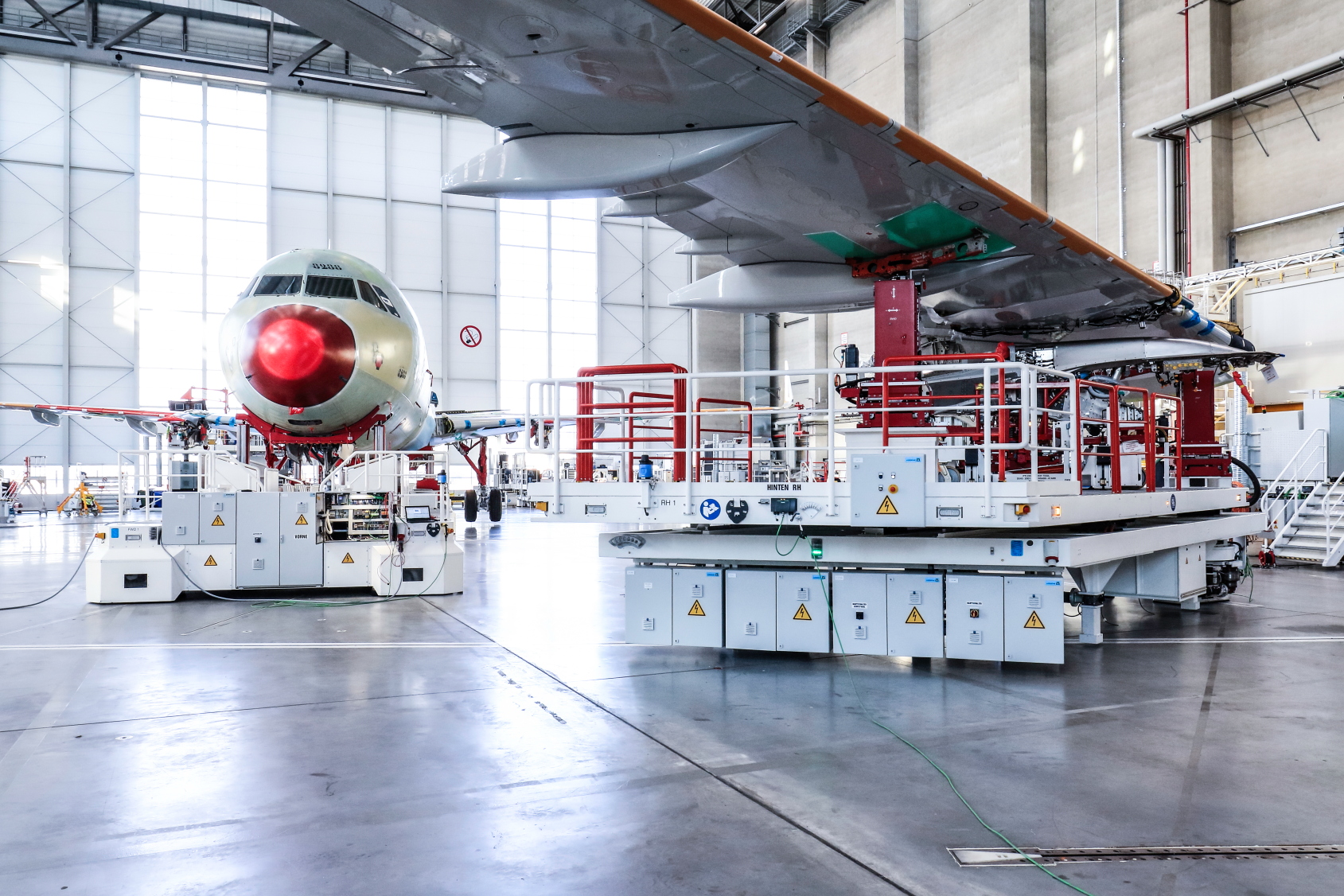
The issue affects “several dozen” aircraft currently on the final assembly lines.
Airbus A320 fuselage panel issue slows production and pushes 2025 deliveries lower
Airbus has slowed the build flow while inspections take place, with several December handovers already pushed back.
In a short statement on Wednesday, the company said the revised delivery figure reflects the impact of the panel checks on A320-family output. Despite the disruption, Airbus is maintaining its 2025 financial guidance, reiterating targets of around €7 billion EBIT Adjusted and €4.5 billion in free cash flow.
However, Airbus shares dropped between 9% and 10% following the disclosure of the A320 quality issue.
“We had a rather weak November because we had aircraft that we had to stop in the process of going from the end of production to delivery: [aircraft] that are finished but with a question on the panels,” Airbus CEO Guillaume Faury told Reuters.
“We have to assess the situation of those aircraft and the ones that will be produced and delivered before the end of the year. That creates for December, which was already very backloaded, another challenge.”
Airbus grapples with A320 software glitch and PW1100G cold-weather restrictions
The fuselage panel discovery comes at a difficult moment for Airbus, which has spent the past month addressing two separate operational issues on the global A320 fleet.
On 28 November, the company issued a global alert linked to a software anomaly triggered by intense solar radiation, a glitch that contributed to an altitude-loss incident involving a JetBlue A320 earlier this year. Most of the worldwide A320 fleet has since received the required update.
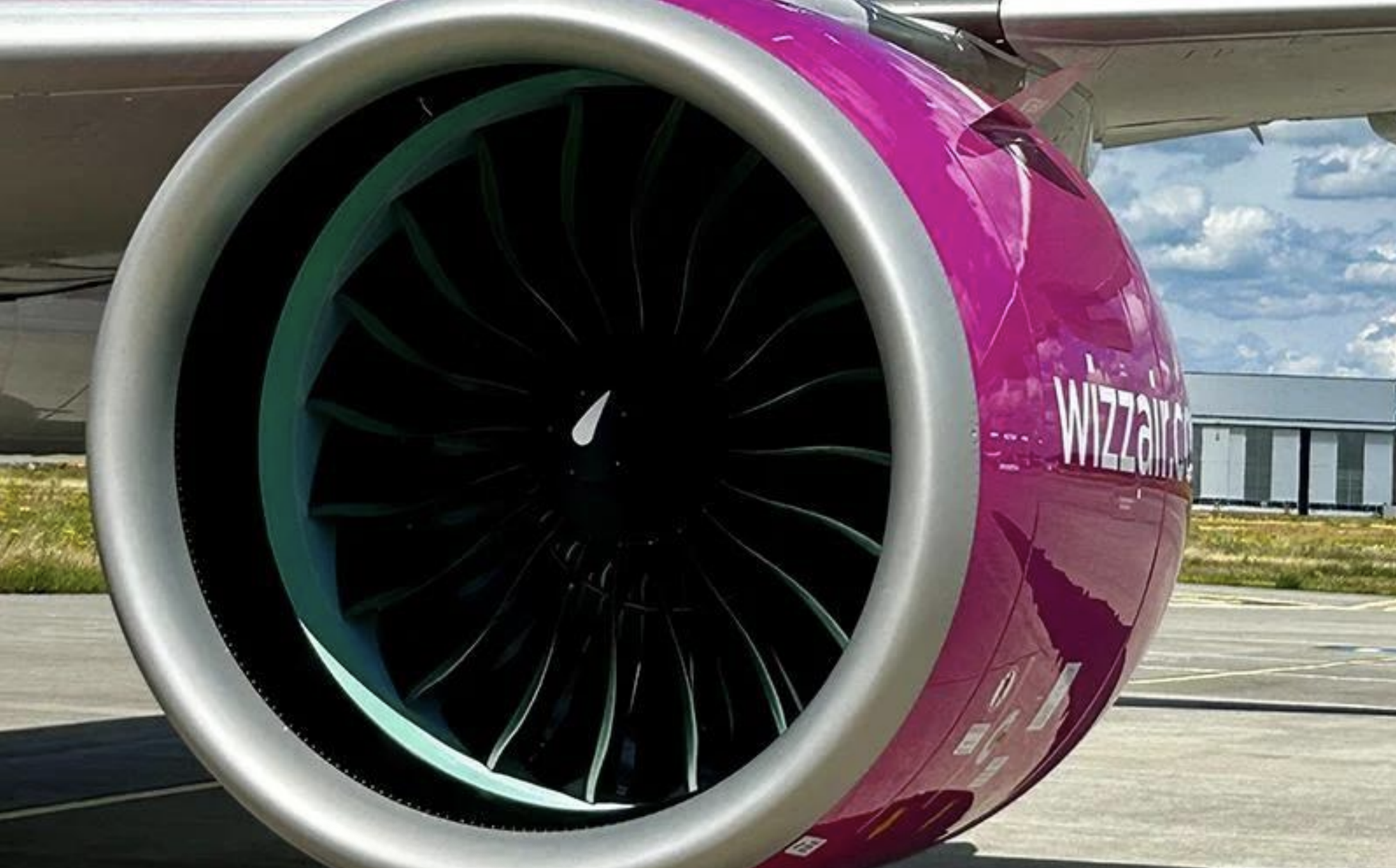
Separately, new cold-weather restrictions were introduced for Pratt & Whitney PW1100G-powered A320neos after ice build-up was observed during taxi operations in freezing fog below –9°C. Airbus has mandated engine run-ups for ice shedding and banned take-off in certain conditions. CFM LEAP-powered aircraft are unaffected.
With the addition of the fuselage-panel issue, Airbus is facing one of the most intense periods of scrutiny for its single-aisle bestseller in recent memory. Nevertheless, the A320 family remains a highly safe and reliable aircraft type for airline operators.
The production bottleneck comes as global deliveries reach their highest October level since 2018. ADS data for October shows manufacturers handing over 132 aircraft, a 67% rise year-on-year and the second-strongest October on record.
A rare production quality slip for Airbus
Airbus has weathered high-profile disputes before, most notably the A350 paint degradation conflict with Qatar Airways. However, significant structural quality issues that materially disrupt production are uncommon for the European airframer.
The situation contrasts sharply with Boeing, which has faced a prolonged sequence of quality failures on the 737 MAX and 787 programmes, triggering regulatory scrutiny, delivery freezes and heavy financial impacts.
Airbus, by comparison, has managed to sustain relatively stable output across its factories despite post-Covid supply-chain pressures.
Featured image: Niwat / stock.adobe.com
Sign up for our newsletter and get our latest content in your inbox.


More from


October 13, 202612 min read