Airbus issues new cold-weather restrictions for A320neo Pratt & Whitney GTF engines after Air Astana icing incident

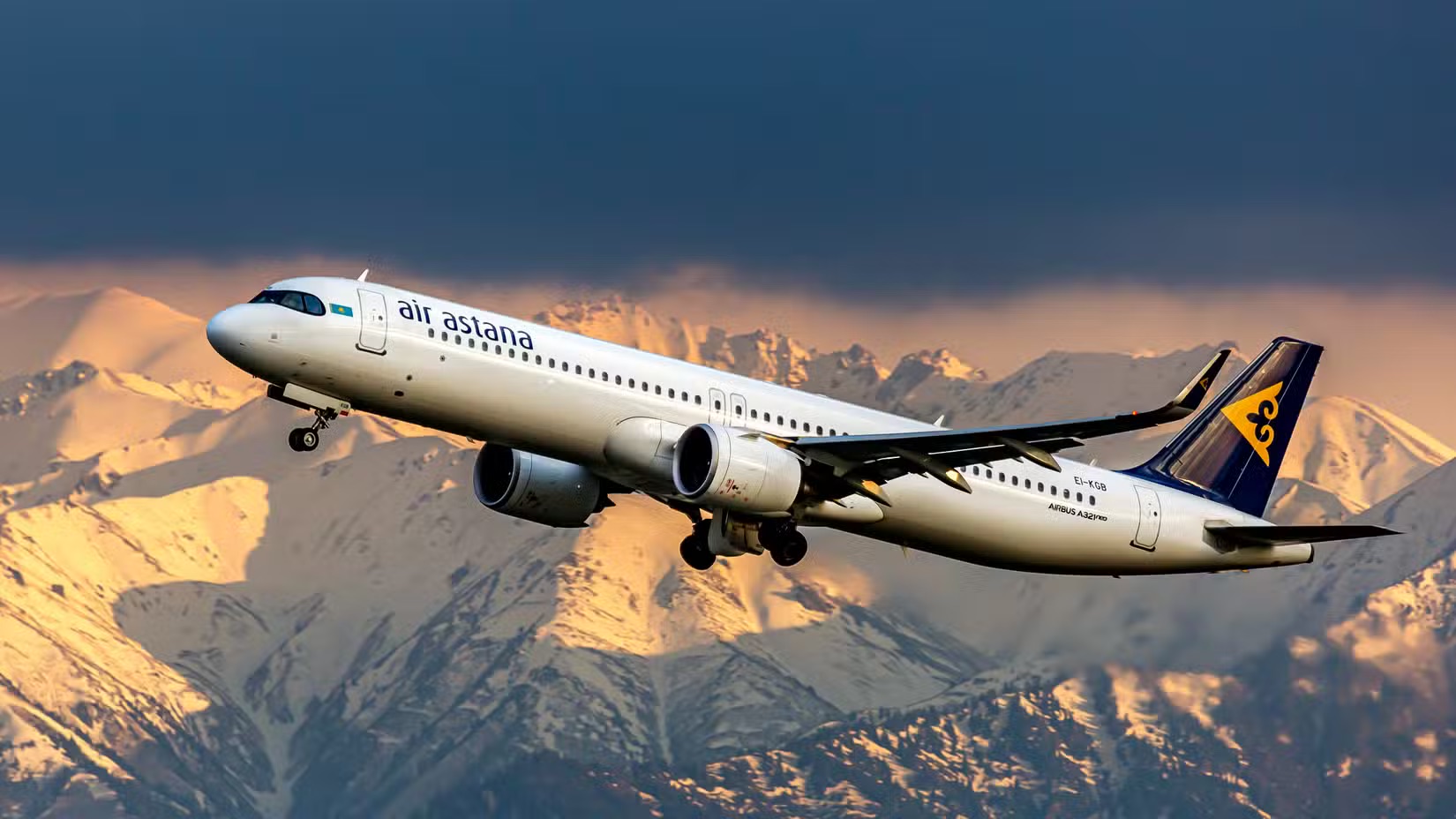
Airbus has issued new cold-weather operating limits for A320neo family aircraft fitted with Pratt & Whitney PW1100G engines after a real-world icing event in Kazakhstan caused several Air Astana flights to be delayed.
The advisory, first reported by AeroTELEGRAPH, instructs operators to modify ground-handling and take-off procedures in severe freezing conditions after ice was found to have built up on the fan blades of multiple aircraft.
The new guidance applies only to PW1100-powered A320neo, A321neo and A321LR aircraft operating in harsh winter environments, but it adds another operational constraint for airlines already dealing with long-running availability issues on the GTF engine.
Read more: What exactly is a ‘geared turbofan’ aircraft engine and how does it work?
What Airbus’ new cold-weather rules mean for A320neo PW1100G operators
Under the updated procedures, take-offs are prohibited in severe icing conditions, specifically when freezing fog is present and visibility drops below 150 metres (492 ft). Airbus has also introduced a mandatory ice-shedding procedure designed to clear any fan-blade accretion before departure.
According to the advisory, crews must perform a 30-second engine run-up at 60% N1 during taxi when operating in freezing conditions. This helps remove ice from the fan blades before the aircraft reaches the runway, reducing the risk of power loss, vibration or potential engine damage during take-off.
When outside air temperatures remain at or below –9°C (15.8°F), the interval between ice-shedding procedures is reduced from 120 minutes to 30 minutes, reflecting the higher risk of accretion in persistent cold.
Airbus also notes that if local conditions — such as foreign object debris, surface contamination, or jet-blast risk — prevent the crew from carrying out the engine run-up on the taxiway, the aircraft must not depart until ground staff can manually de-ice the engines.
Interested in aviation technology? If so, click here for more insight
Air Astana’s Airbus A320neo delays triggered the advisory
The new limitations follow an operational issue reported by Air Astana on 15 November. Crews at Almaty observed reduced performance and abnormal characteristics on several A320neo and A321neo aircraft after ice accumulated on the PW1100G fan blades during a period of freezing fog.
The airline confirmed the disruption in a statement to AGN, noting that such conditions are common at Almaty during the winter months:
“Airbus has introduced restrictions on the departure of A320neo, A321neo and A321LR aircraft in conditions of freezing fog with visibility below 150 metres. Such weather conditions are common at Almaty International Airport during the winter season.”

Almaty’s elevation – 681 m (2,234 ft) above sea level – and its harsh winters make it particularly vulnerable to icing-related ground challenges.
Air Astana’s ongoing headaches with the A320neo
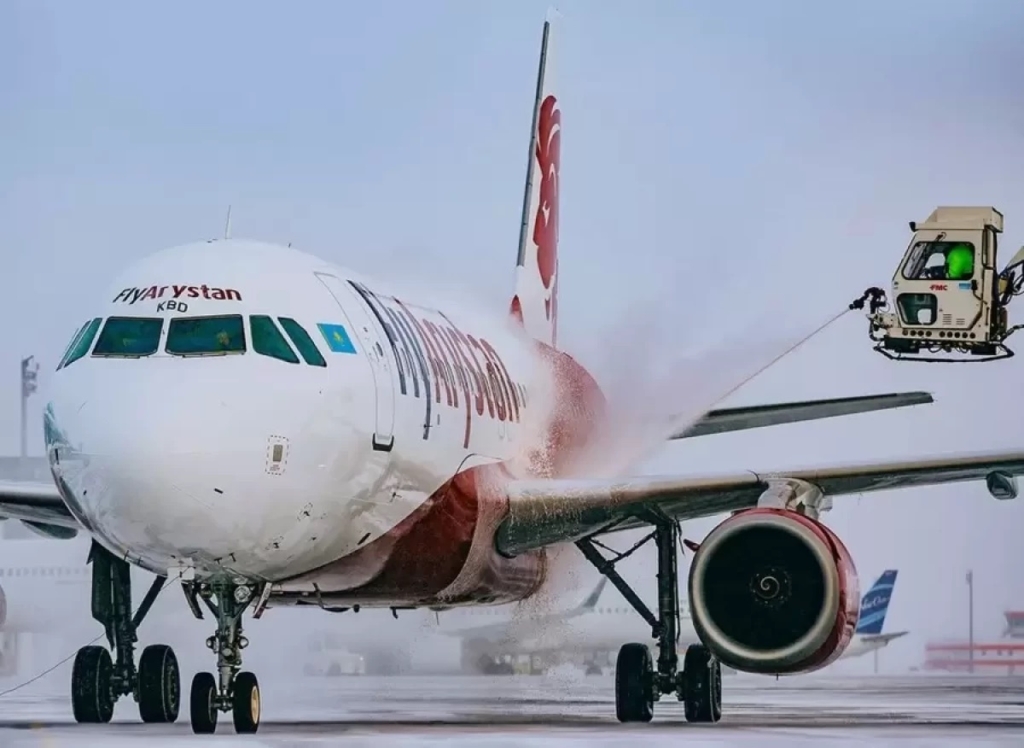
Air Astana operates a large A320neo family fleet: 11 A320neos, four A321neos and thirteen A321LRs, with FlyArystan adding 14 A320neos of its own. Both airlines have faced recurring groundings as PW1100G engines move through accelerated maintenance cycles caused by powdered-metal contamination and a global shortage of spare units.
Kazakhstan’s harsh winters, high altitude and dusty operating conditions further intensify wear on the GTF engine, contributing to higher shop-visit frequency. Airlines such as Spirit and Wizz Air have faced similar challenges.
Despite this, Air Astana has not lost confidence in the type. The group recently announced an order for up to 50 additional A320neo family aircraft, signalling its continued reliance on the platform.
Speaking to AGN, President and CEO Peter Foster highlighted why the aircraft remains fundamental to the airline’s strategy:
“The A320neo family has been central to our growth and remains the right aircraft for the markets we serve.”
He added that, despite engine challenges, the aircraft still delivers the economics and range flexibility needed across Kazakhstan.
How the guidance affects Airbus operations
The advisory affects only a subset of operators that fly PW1100G-powered A320neo aircraft in extreme cold-weather regions. It does not apply to:
- A320neo family aircraft powered by CFM LEAP-1A engines
- Airlines operating in warm or temperate climates
However, the timing is sensitive. Many carriers are already managing reduced fleet availability due to ongoing PW1100G durability issues, shorter maintenance intervals, and a chronic shortage of spare engines.
Pratt & Whitney told AeroTELEGRAPH that it expects a limited impact on its customers in the winter season. “This restriction is temporary until permanent solutions are available,” the engine manufacturer stated.
Featured image: Air Astana