The fast and the curious: The breakthrough research bringing hypersonic flight closer to reality

4 min read
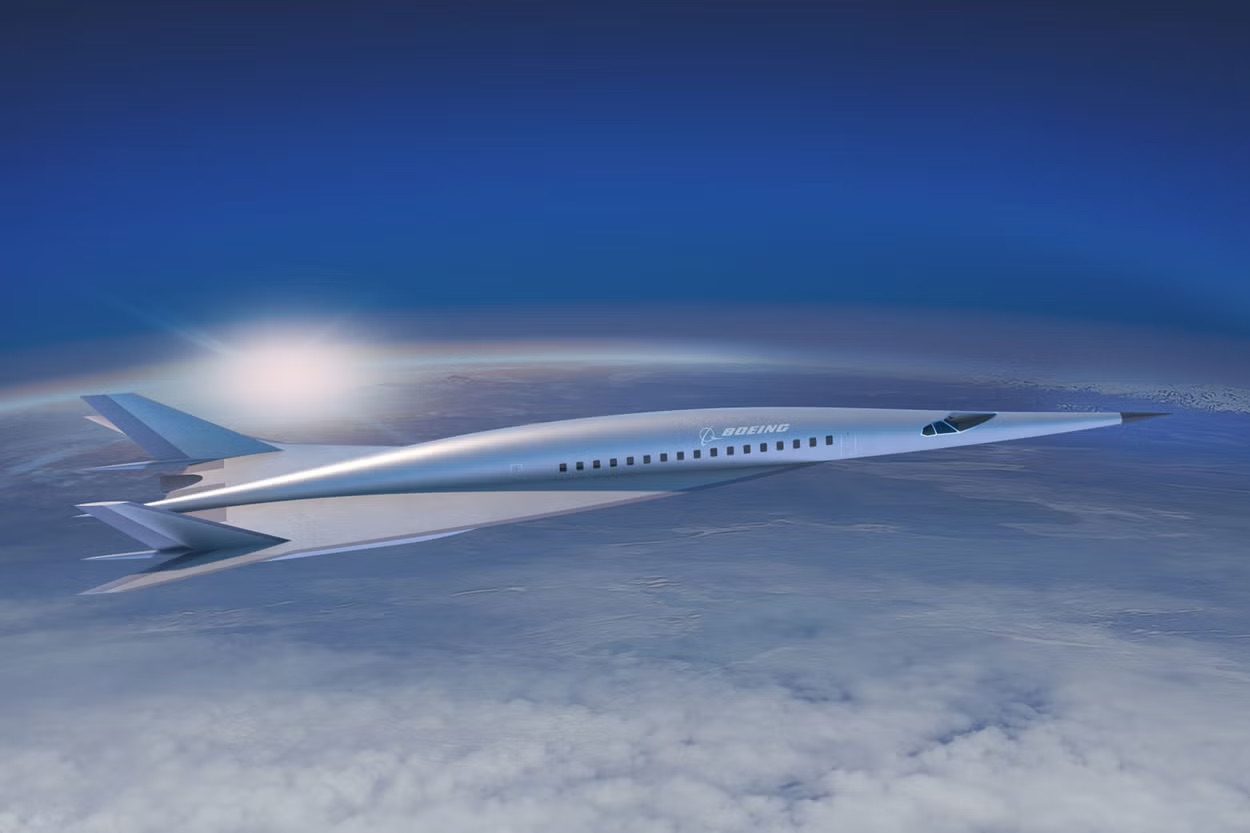
Imagine boarding a plane in Sydney and stepping off in Los Angeles barely an hour later, before you’ve even finished a film.
That vision, long confined to science fiction, is slowly edging toward reality.
The dream of hypersonic flight, travelling at five to ten times the speed of sound, could one day make the world feel smaller, faster, and astonishingly more connected.
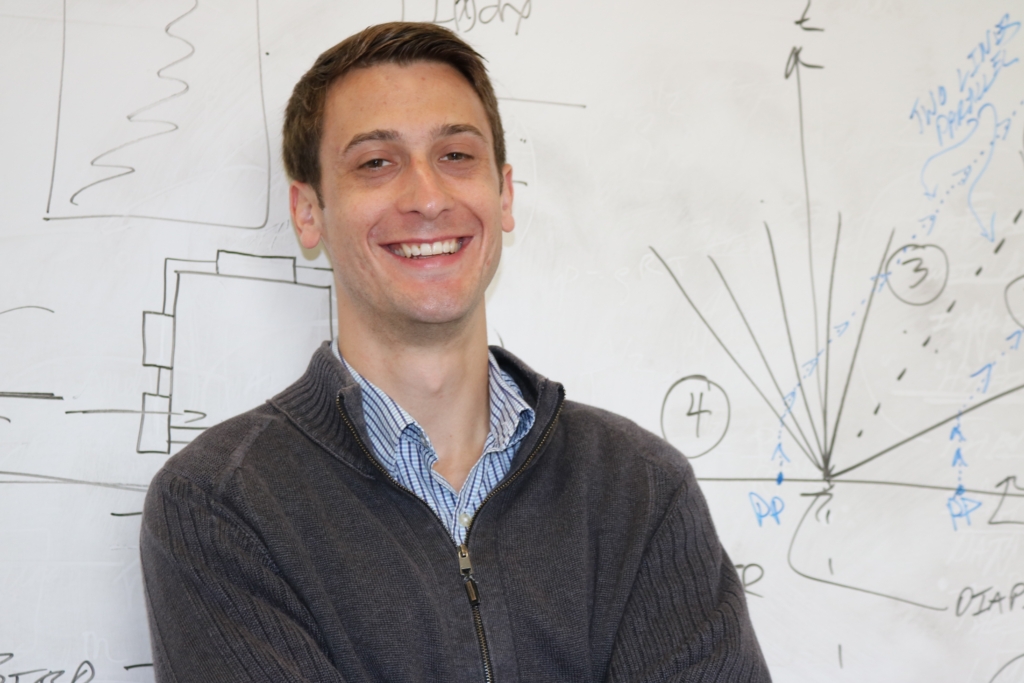
For Professor Nicholaus Parziale, an aerospace engineer at the Stevens Institute of Technology in New Jersey, this isn’t fantasy. It’s a goal he has spent more than a decade chasing.
“It really shrinks the planet,” he says with conviction. “It will make travel faster, easier, and more enjoyable.”
Yet while the idea sounds radical, achieving it is one of science’s most complex challenges. The obstacle lies in something as invisible as air itself — turbulence.
How turbulence limits hypersonic flight speeds
At low speeds, air behaves predictably. Engineers can model its flow around wings and engines using well-known equations. But as an aircraft nears and then exceeds the speed of sound, the air changes character. It becomes compressible, meaning its density and temperature shift dramatically.
Shockwaves form, friction soars, and heat builds to levels that would melt ordinary materials.
In incompressible flow, which occurs below about Mach 0.3 (roughly 225 mph), air density remains nearly constant, simplifying aircraft design. But beyond that threshold, air becomes compressible, or as Parziale puts it, “a gas can ‘squish’.”
This chaotic, shifting airflow, known as turbulence, has baffled scientists for decades. Understanding how it behaves at extreme speeds is essential to designing safe and efficient hypersonic aircraft. Without it, even the most advanced designs would be little more than guesswork.
Testing Morkovin’s hypothesis in modern hypersonic research
In 1962, scientist Mark Morkovin proposed a radical idea: turbulence at very high speeds might not differ much from what happens at lower speeds.
If true, engineers could adapt existing aerodynamic theories to hypersonic flight, saving enormous time and computational effort.
“To design a plane that flies at Mach 6, simulating every tiny detail would be impossible,” explains Parziale. “Morkovin’s hypothesis lets us make simplifying assumptions so the computational demands become more manageable.”
For decades, it remained unproven. Many doubted it would hold up at Mach 6 — six times the speed of sound — while others simply lacked the technology to test it. That’s where Parziale’s work comes in.
How krypton laser tests reveal hypersonic turbulence
In a lab at Stevens, Parziale’s team built a shock tunnel capable of simulating Mach 6 flight. Instead of inserting metal models or intrusive sensors, they filled the chamber with a faint trace of krypton gas, the same inert element used in lighting.
Using a precisely tuned laser, they created a thin, glowing line in the krypton-infused airflow. Ultra-fast cameras then tracked how that line twisted and rippled as the air roared past — like watching a ribbon flutter in a storm.
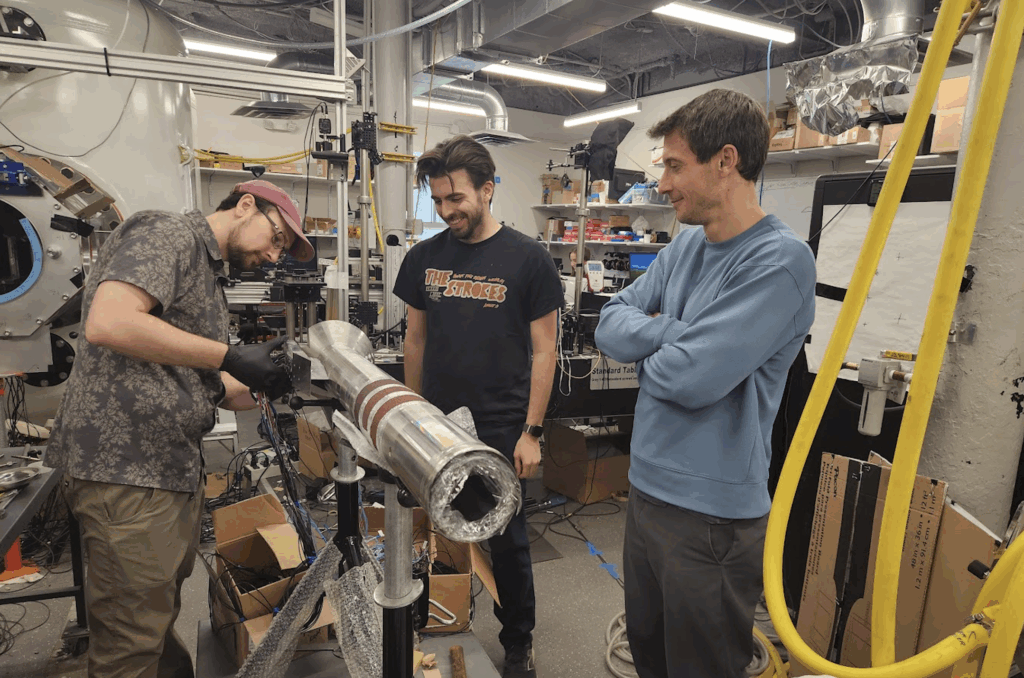
This method, known as Krypton Tagging Velocimetry, allowed the team to see turbulence without disturbing it.
“It took us eleven years to perfect this setup,” Parziale recalls. “But it gave us a way to actually see how air behaves when it’s moving six times faster than sound.”
Study confirms Morkovin’s hypothesis at Mach 6
The results were striking. Published in Nature Communications in November 2025, the study — “Hypersonic turbulent quantities in support of Morkovin’s hypothesis” — confirmed that at Mach 6, turbulence behaves much like it does at lower speeds.
In simple terms, Morkovin may have been right all along.
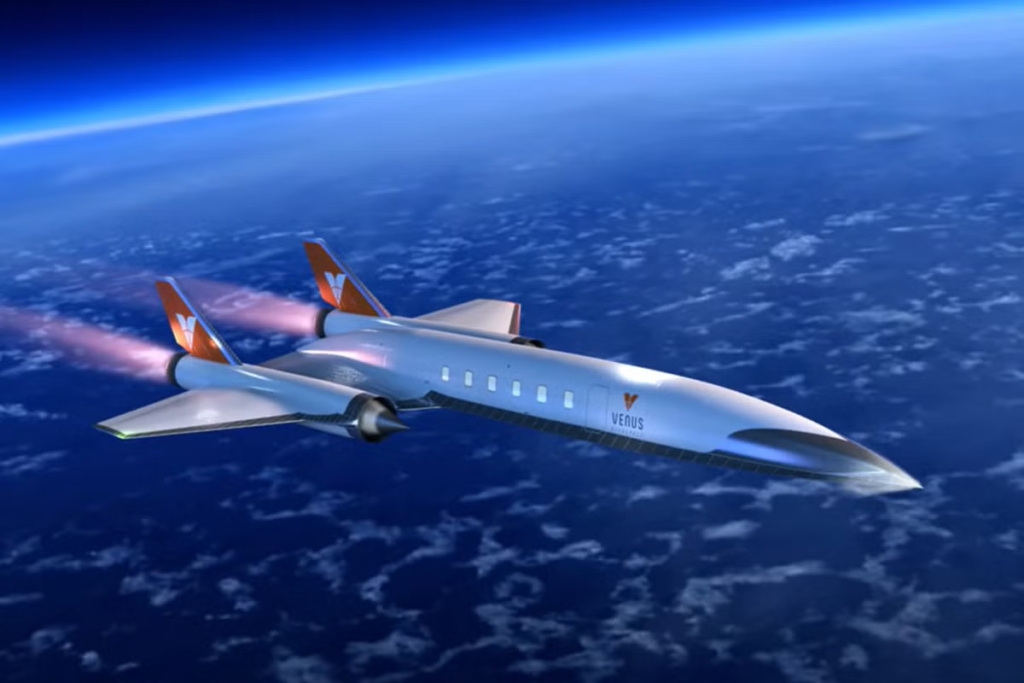
That’s a major breakthrough for the future of flight. If turbulence remains fundamentally the same, engineers don’t need to reinvent the science of aerodynamics. They can build on existing knowledge, making hypersonic aircraft design far more achievable.
Hypersonic technology could transform access to space
While the dream of a one-hour hop across the Pacific captures public imagination, the implications reach far beyond passenger transport.
If aircraft can fly safely at hypersonic speeds, they could also reach low Earth orbit, blurring the line between aeroplanes and spacecraft, potentially transforming both travel and space logistics.
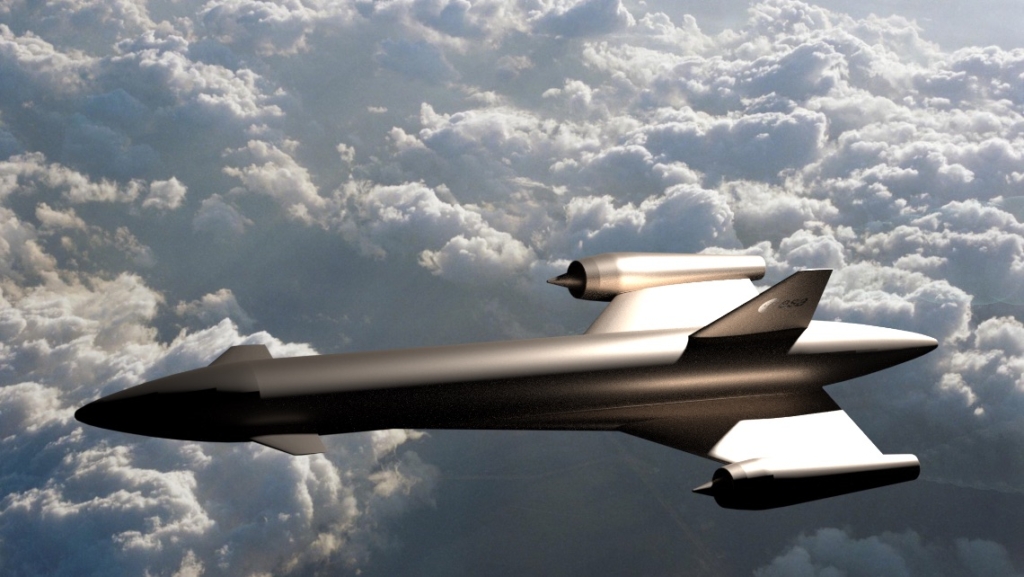
“If we can build planes that fly at hypersonic speed, we can also fly them into space rather than launching rockets,” Parziale says. “It will be a game-changer for transportation not only on Earth, but also in low orbit.”
The long road ahead for hypersonic flight development
Despite the excitement, Parziale remains realistic. Hypersonic flight is still years — perhaps decades — from civilian reality. The technical barriers of heat resistance, propulsion, and cost remain immense.
But his team’s findings bring long-awaited clarity to one of the biggest mysteries in high-speed aerodynamics. Supported by the US Air Force and US Navy, the research gives engineers firmer ground on which to design the next generation of aircraft — with more confidence and less trial-and-error.
For Parziale, the motivation is as much about curiosity as speed.
“We want to understand the flow of air in its most extreme form,” he says. “Every discovery brings us closer not just to faster planes, but to a deeper understanding of nature.”
Sign up for our newsletter and get our latest content in your inbox.


More from


October 17, 20264 min read