KLM and KLM Cityhopper are testing a suite of innovative measures to reduce the environmental impact of their flights as part of the 2025 edition of The Aviation Challenge (TAC), the annual SkyTeam initiative promoting sustainable aviation.
From AI-driven water calculations to filtered seawater, the airline is exploring solutions that can be scaled into daily operations to reduce the impact on the environment.
Cutting emissions through innovation
Among the trials, KLM is using an AI model to predict the exact amount of water required onboard, helping to cut weight and emissions.
Pilots are testing flight optimisation tools designed to minimise fuel consumption, while business class passengers are encouraged to pre-select meals to reduce food waste.
Filtered seawater bottles are being introduced to replace standard bottled water, and passengers contributing to sustainable aviation fuel (SAF) receive priority boarding.
Digital boarding passes, which have already cut paper usage by 84%, continue to be promoted.
The focus this year is broader than in previous trials, covering multiple flights rather than a single showcase route.
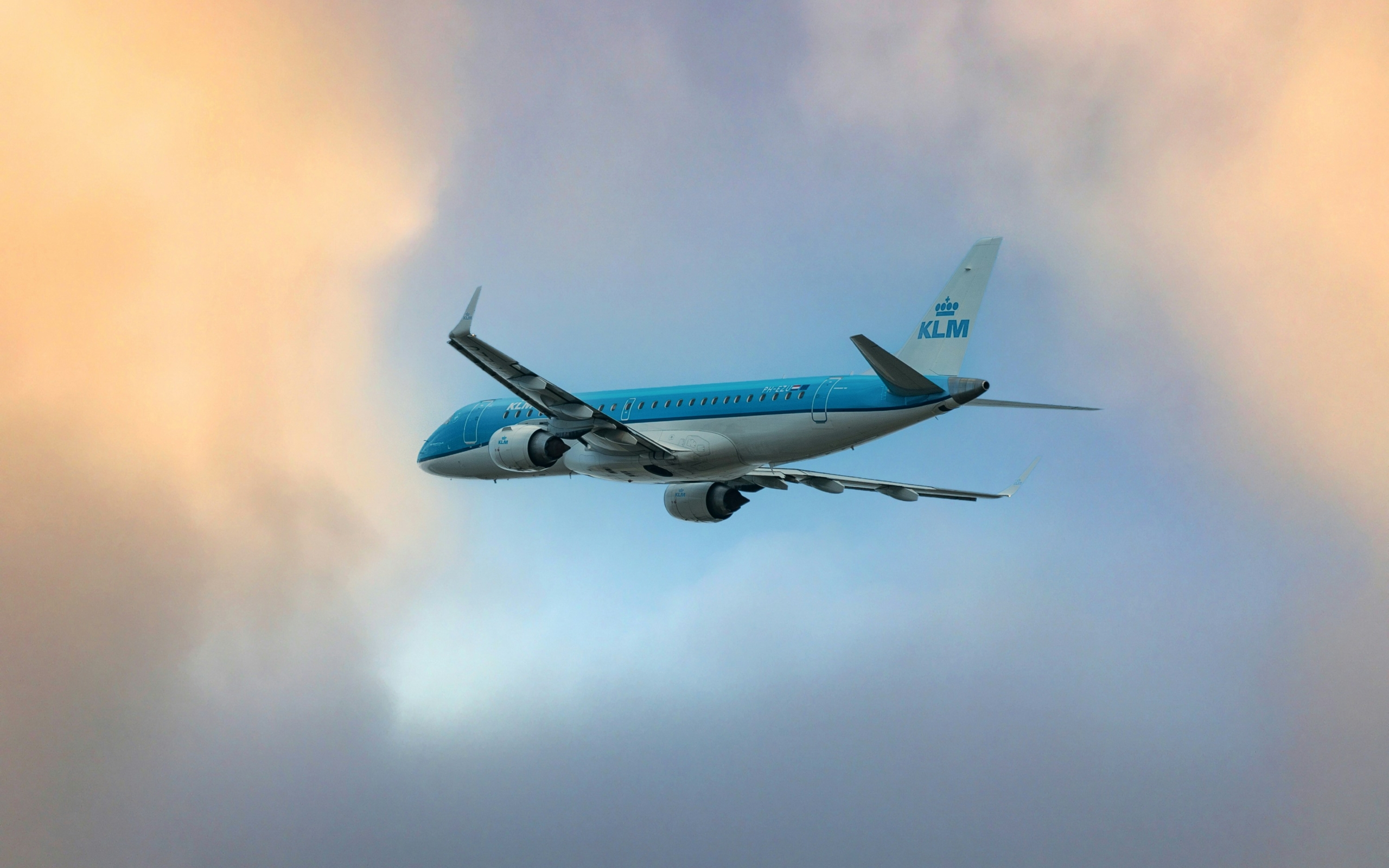
From 4 to 10 October, selected services include Amsterdam to Rome on the new Airbus A321neo, Amsterdam to Nairobi on an undisclosed aircraft type, and Amsterdam to Kraków on KLM Cityhopper’s Embraer E195-E2.
Reducing aviation’s environmental footprint
Alongside the passenger-facing initiatives, the airline is testing lighter catering equipment, smarter cargo loading strategies, and electric pushback vehicles.
The challenge, inspired by the historic 1934 London-to-Melbourne air race, now seeks to reduce aviation’s environmental footprint while sharing best practices across SkyTeam carriers.
“KLM acknowledges its environmental and climate impact and recognises the limits of what the planet can sustain. Action is required to operate within these limits,” the airline said.

KLM is also linking its sustainability work with social impact through Wings of Support, the volunteer-run foundation supporting local projects at KLM destinations.
In Nairobi, for example, the Big Five Center teaches children trades and vocational skills to improve long-term prospects in underserved communities.
KLM announced the programme on the same day that it unveiled its first Airbus A350 simulator in the Netherlands, marking a significant step in preparing for the arrival of the A350 aircraft, which will join the fleet at the end of 2026.