Operation Sindoor: India claims it shot down 5 Pakistani fighter jets and an AEW&C aircraft

August 11, 2025
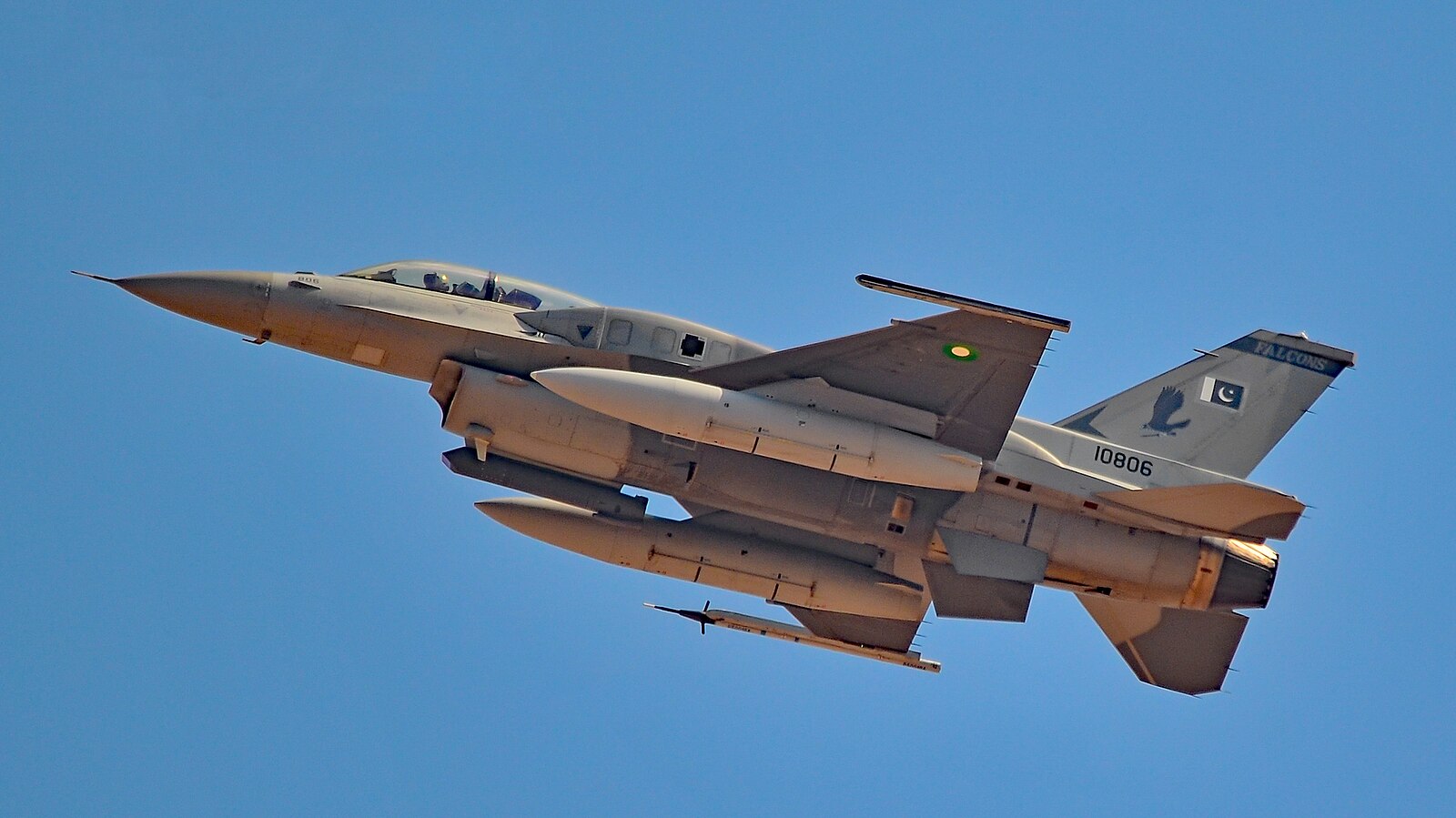
Nearly three months after a brief but intense military clash, India’s Air Chief Marshal Amar Preet Singh has claimed that the Indian Air Force shot down at least five Pakistani fighter jets and a large surveillance aircraft during Operation Sindoor.
This retaliatory strike was launched in May following a terror attack in Kashmir.
Speaking at a memorial lecture in Bengaluru on Saturday (9 August), Singh described the strikes as “the largest-ever recorded surface-to-air kill”, claiming that India’s S-400 missile systems took down enemy aircraft at ranges exceeding 300 kilometres (186 miles).
India claims shootdown of AEW&C and five Pakistani fighters
According to Air Chief Marshal Singh, India launched Operation Sindoor with precision targeting of Pakistani military infrastructure, specifically focusing on terror bases and air defence assets. Among the key claims made by the IAF chief:
- Five Pakistani fighter jets were shot down by S-400 long-range air defence systems.
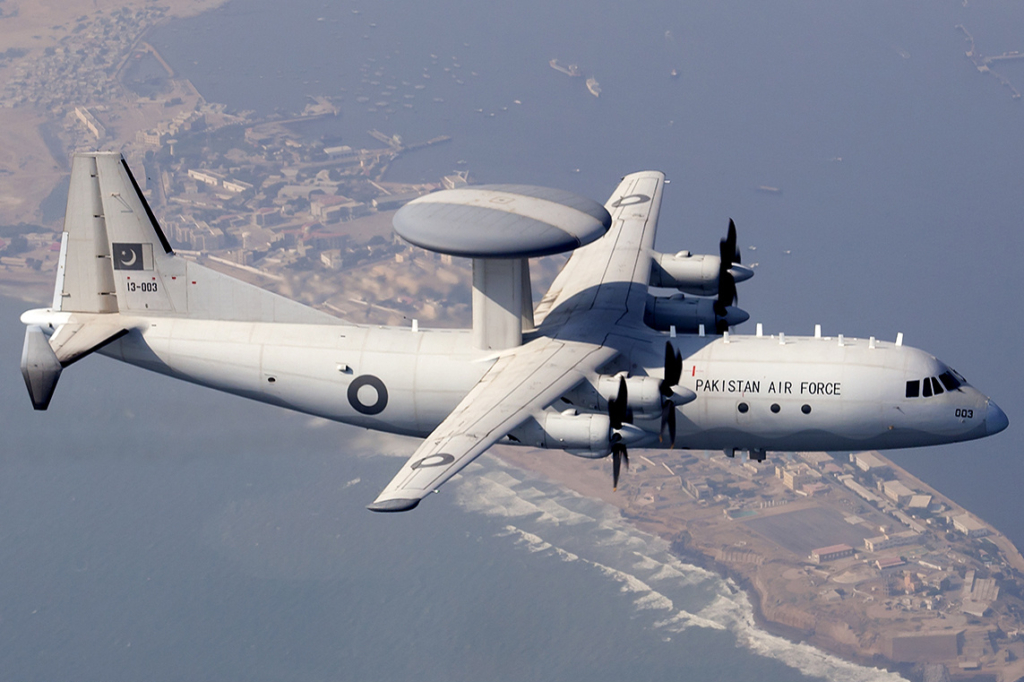
- One large surveillance aircraft, possibly an Airborne Early Warning and Control (AEW&C) or ELINT platform, was destroyed at a distance of 300 km.
- Significant damage was inflicted on Pakistan Air Force (PAF) bases, including those at Shahbaz Jacobabad, Bholari, and Sukkur.
- One F-16 hangar at Jacobabad was reportedly “half gone”, with aircraft inside believed to be damaged.
- India claimed control over two command and control centres – Murid and Chaklala – and took out at least six radar systems.
“We were able to achieve so much in 80 to 90 hours that it became clear to them that continuing the conflict would be costly,” said the Air Chief Marshal.
Pakistan’s Defence Minister dismisses claims as ‘implausible’
However, Pakistan has categorically denied these claims. Defence Minister Khawaja Asif, on social media, dismissed India’s version of events as “implausible” and “ill-timed.”
“Not a single Pakistani aircraft was hit or destroyed by the Indian side,” he said on X. “For three months, no such claims were voiced. Now, these belated assertions are as implausible as they are ill-timed.”
“The belated assertions made by the Indian Air Force Chief regarding alleged destruction of Pakistani aircraft during Operation Sindoor are as implausible as they are ill-timed. It is also ironic how senior Indian military officers are being used as the faces of monumental…
— Khawaja M. Asif (@KhawajaMAsif) August 9, 2025
Asif further challenged India to a joint audit of military aircraft inventories by independent observers, asserting that such scrutiny would “lay bare the reality India seeks to obscure.”
He also claimed that Indian forces suffered disproportionately heavier losses at the Line of Control, though he offered no public evidence.
The exchange marks a new chapter in the aftermath of Operation Sindoor, with each country pushing a starkly different account of what transpired between 7 and 10 May, when both sides engaged in cross-border missile, drone and electronic warfare following the 22 April terror attack that killed 26 civilians in Pahalgam in Jammu & Kashmir.
Did India lose a Rafale in Operation Sindoor?
While India has publicly focused on the damage it claims to have inflicted, questions remain about losses on the Indian side.
Earlier this year, Chief of Defence Staff General Anil Chauhan acknowledged that India had lost an unspecified number of aircraft during the operation.
Air Marshal A.K. Bharti had said that “losses are part of any combat,” though he declined to confirm whether any Rafale fighters were among them. All Indian pilots involved, he added, had returned safely.

Earlier, Pakistan had claimed that a Rafale jet was shot down in the early hours of 7 May. According to unnamed PAF officials quoted in Reuters, the IAF suffered its first-ever Rafale loss in combat, attributing it to a range miscalculation involving the Chinese-made PL-15 air-to-air missile launched from J-10C ‘Vigorous Dragon’ jets.
India has not confirmed this loss, and Dassault Aviation, the manufacturer of the Rafale, has rejected the Pakistani claim as “technically unsubstantiated.”
India-Pakistan conflict showcases technologies on both sides
What sets Operation Sindoor apart from previous India-Pakistan clashes is the sheer technological sophistication.
India relied heavily on its S-400 missile systems, satellite surveillance, drone swarms, and long-range stand-off weapons.
Singh said Pakistani jets were unable to breach Indian defences, thanks to overlapping layers of air defence that included Akash, MRSAM and LRSAM systems.
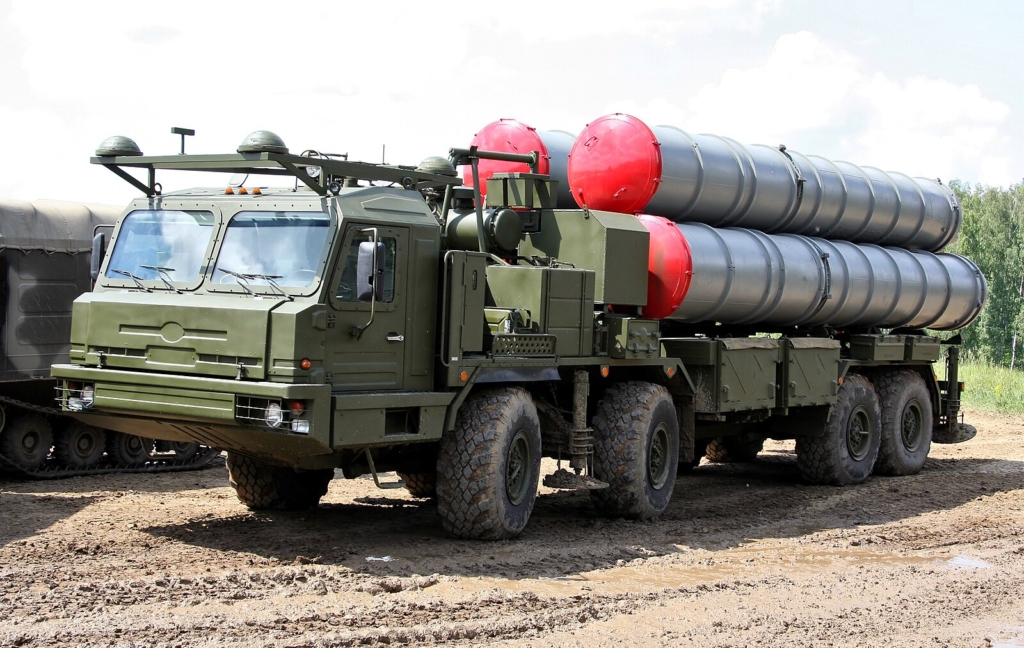
“We took them on at standoff ranges,” Singh said. “It was more of a high-tech war than a traditional dogfight.”
Wreckage of Pakistani drones and missiles was recovered on Indian soil and is now being analysed for launch origin, weapon types, and system specifications.
India and Pakistan reached an understanding to cease hostilities on 10 May, following four days of military operations and back-channel diplomacy. Singh said Pakistan reached out via the Director General of Military Operations (DGMO) to de-escalate, signalling that the cost of further engagement had become too steep.
Yet, with both sides now locked in a post-conflict war of words and neither offering independent proof of the other’s claims, the true toll of Operation Sindoor remains shrouded in secrecy and spin.